Genres
Artists
Albums
Make Music
Sign in
Sign in
Artists
Choral
Artists
Choral
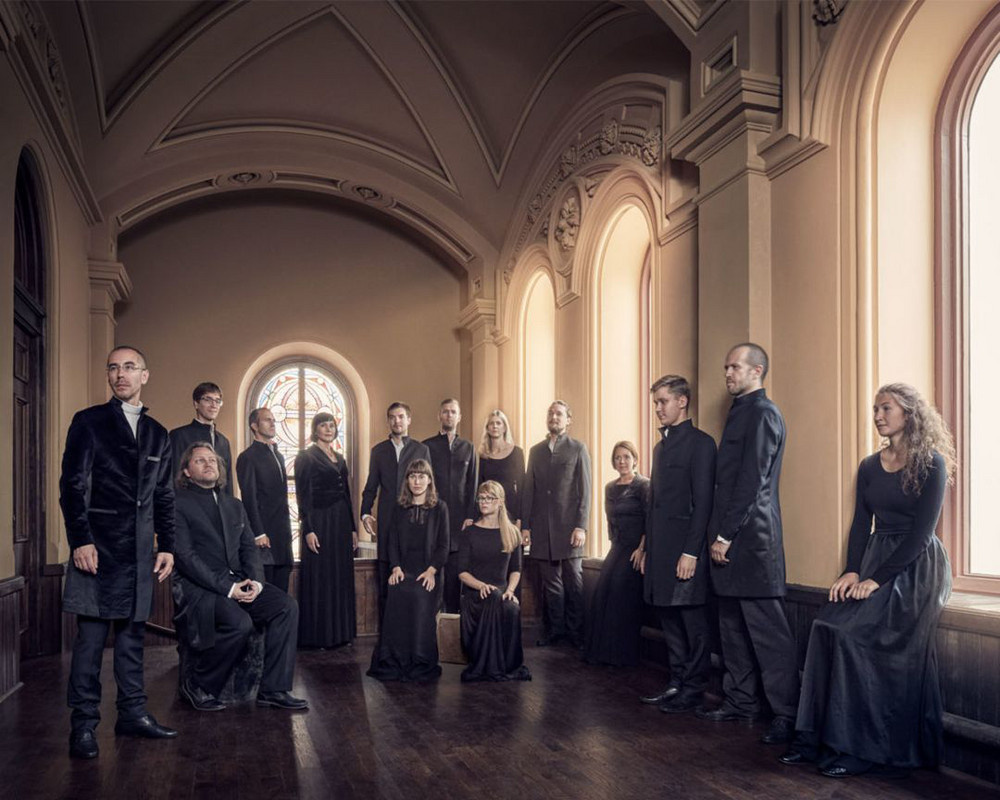
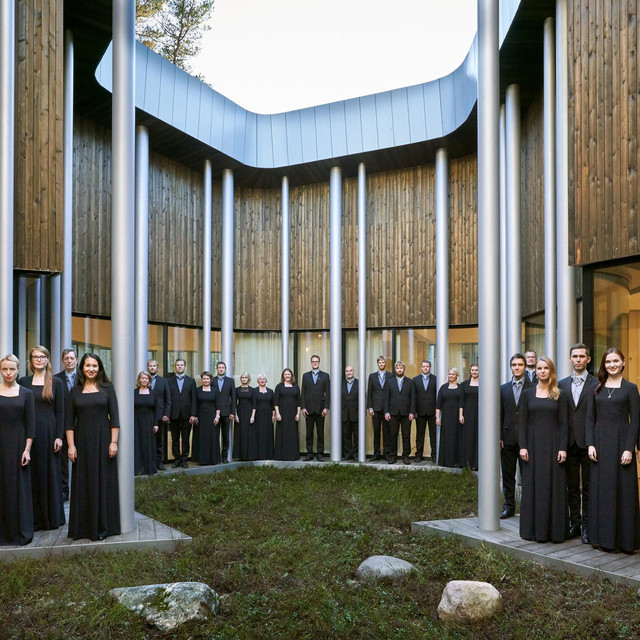
The Chamber Choir Eesti Projekt
1994
·
1 album
Listen
1
/5
Genres
Baltic Classical
Baltic classical refers to the art‑music traditions of Estonia, Latvia, and Lithuania, whose composers fuse Western classical techniques with local folk modality, choral culture, and a distinct spiritual lyricism. The sound often balances clarity and austerity—bell‑like sonorities, modal harmonies, long-breathed melodies, and patient pacing—against dramatic, ritualistic structures. A robust choral tradition (rooted in Lutheran hymnody in Estonia and Latvia and Catholic liturgy in Lithuania, as well as Orthodox and folk practices across the region) shapes the idiom: massed choirs, vernacular languages, and modal chant inflections are common. In the later 20th century, Baltic composers embraced modernist, neoclassical, and minimalist techniques, frequently infusing them with sacred or nature-inspired imagery. The result is a recognizably Baltic palette—contemplative, luminous, and deeply connected to place—within the broader continuum of European classical music.
Discover
Listen
Chamber Choir
A chamber choir is a small, highly flexible choral ensemble—typically 12 to 40 voices—designed for intimate spaces and precision ensemble singing. The balance is often "one to a part" or light divisi within the SATB (soprano–alto–tenor–bass) framework, enabling remarkable clarity, blend, and contrapuntal transparency. Repertoire spans Renaissance polyphony and Baroque motets through Romantic part-songs and contemporary choral works. Performances are frequently a cappella, though chamber choirs also collaborate with organ, piano, period ensembles, or small chamber orchestras. Hallmarks include refined intonation (often favoring pure intervals), detailed text declamation, wide dynamic control, and a strong focus on timbral blend and diction.
Discover
Listen
Baltic Choir
Baltic choir refers to the distinctive choral sound and repertoire of Estonia, Latvia, and Lithuania. It blends centuries-old sacred and folk traditions with modern classical techniques, emphasizing purity of tuning, crystalline textures, and long-breathed melodic arches. The sound is typically bright yet transparent, often with straight-tone or modest vibrato, finely balanced divisi, and an ear for modal color, drones, and bell-like triads. Contemporary Baltic choral writing frequently juxtaposes chant-like lines with minimalistic patterning, evoking spacious, contemplative atmospheres that can swell into radiant climaxes.
Discover
Listen
Gregorian Chant
Gregorian chant is the central Western tradition of plainchant: a monophonic, unaccompanied sacred song in Latin (and occasionally Greek) used in the Roman Catholic liturgy. It employs free rhythm guided by the prosody of the text rather than by strict meter, and is sung in unison by clerics or scholas. Its melodies are organized by the system of eight church modes, with characteristic finalis (final), tenor/reciting tones, and melodic formulas. Repertoires include the Proper and Ordinary of the Mass (e.g., Introit, Gradual, Alleluia, Offertory, Communion, Kyrie, Gloria, Credo, Sanctus, Agnus Dei) and the Divine Office (e.g., Antiphons, Responsories, Hymns, Psalms). Although legend credits Pope Gregory I, modern scholarship sees Gregorian chant as a Carolingian synthesis of Old Roman and Gallican chants, standardized across Frankish realms and later the broader Latin West.
Discover
Listen
Choral
Choral refers to music written for and performed by a choir—an ensemble of voices organized into sections such as soprano, alto, tenor, and bass (SATB), or same-voice groupings (SSA, TTBB). It encompasses both sacred and secular repertoire and may be sung a cappella or with accompaniment by organ, piano, or full orchestra. Stylistically, choral music ranges from chant-like monophony to intricate polyphony and rich homophonic textures. Texts are drawn from liturgy, scripture, poetry, and vernacular sources, and are set in many languages. Performance contexts include church services, concert halls, and community events, making choral one of the most socially embedded and widely practiced forms of ensemble music. Across history, choral music has served as a laboratory for vocal counterpoint, word painting, and text-driven form, while functioning as a cultural bridge among religious rites, national traditions, and contemporary concert practice.
Discover
Listen
Albums
1994
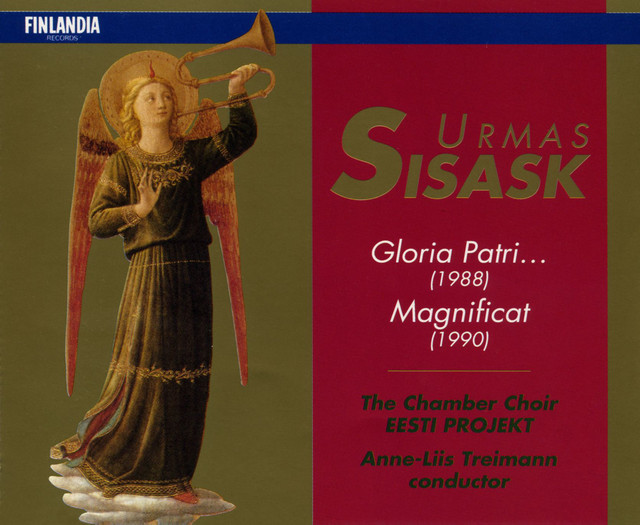
Urmas Sisask : Gloria Patri..., Magnificat
Urmas Sisask, The Chamber Choir Eesti Projekt, Anne-Liis Treimann
Baltic Classical
Chamber Choir
Baltic Choir
Similar artists
3
/5
Sigvards Kļava
Baltic Classical
Choral
Gregorian Chant
2
/5
Jaan-Eik Tulve
Catholic Music
Choral
Contemporary Classical
2
/5
Vox Clamantis
Gregorian Chant
Baltic Choir
Catholic Music
1
/5
Urmas Sisask
Choral
Baltic Choir
Baltic Classical
2
/5
Estonian Philharmonic Chamber Choir
Choral
Minimalism
Holy Minimalism
3
/5
Jeremy Summerly
Renaissance
Gregorian Chant
Medieval
3
/5
Paul Hillier
Choral
Minimalism
Classical
2
/5
Hans-Christoph Rademann
Classical
Baroque
Choral
2
/5
Valery Polyansky
Choral
Choral Concerto
Classical
2
/5
Lege Artis Chamber Choir
Choral
Gregorian Chant
Chamber Choir
Download our mobile app
Get the Melodigging app and start digging for new genres on the go
Download on the App Store
Get it on Google Play
© 2026 Melodigging
Give feedback
Legal
Melodding was created as a tribute to
Every Noise at Once
, which inspired us to help curious minds keep digging into music's ever-evolving genres.