Genres
Artists
Albums
Make Music
Sign in
Sign in
Artists
Ballet
Artists
Ballet
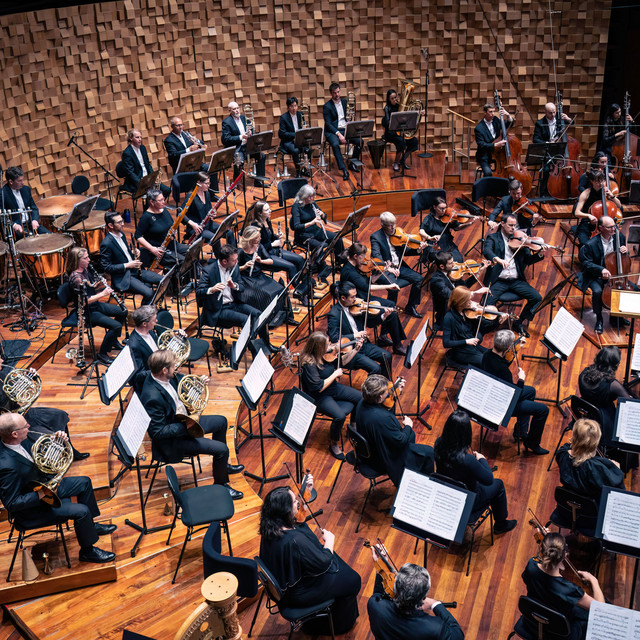
Tasmanian Symphony Orchestra
2017
·
1 album
Listen
3
/5
Genres
Modern Downshift
Modern downshift is a contemporary, playlist-era microgenre that blends hushed alternative pop and alt‑R&B sensibilities with the spaciousness of downtempo and ambient pop. Songs are typically slow to mid‑tempo, minimal in arrangement, and intimate in vocal delivery—often breathy, close‑miked, and confessional. Production emphasizes warmth and negative space: soft sub‑bass, restrained percussion, reverb‑washed pads or guitars, and gentle saturation that keeps the overall texture velvety and nocturnal. Lyrically, the style skews introspective and late‑night: relationships, vulnerability, quiet self‑reflection, and the emotional afterglow of parties or city drives. The result is music that feels low‑key and cinematic—designed as much for solitary listening as for low‑light social settings.
Discover
Listen
Baltic Classical
Baltic classical refers to the art‑music traditions of Estonia, Latvia, and Lithuania, whose composers fuse Western classical techniques with local folk modality, choral culture, and a distinct spiritual lyricism. The sound often balances clarity and austerity—bell‑like sonorities, modal harmonies, long-breathed melodies, and patient pacing—against dramatic, ritualistic structures. A robust choral tradition (rooted in Lutheran hymnody in Estonia and Latvia and Catholic liturgy in Lithuania, as well as Orthodox and folk practices across the region) shapes the idiom: massed choirs, vernacular languages, and modal chant inflections are common. In the later 20th century, Baltic composers embraced modernist, neoclassical, and minimalist techniques, frequently infusing them with sacred or nature-inspired imagery. The result is a recognizably Baltic palette—contemplative, luminous, and deeply connected to place—within the broader continuum of European classical music.
Discover
Listen
Ballet
Ballet (as a musical genre) refers to orchestral music written to accompany choreographed dance on stage. It prioritizes clear tempi, strongly articulated rhythms, and memorable leitmotifs to support narrative, character, and movement. While rooted in court entertainment, ballet music evolved into a sophisticated, self-sufficient concert art: many ballets yield popular orchestral suites that are performed independently. Typical numbers include adagios, variations, codas, divertissements, character dances, and large ensemble scenes that mirror the dramatic arc of the choreography. Stylistically, ballet spans Baroque courtly idioms, Classical clarity, Romantic lyricism, and 20th‑century modernism and neoclassicism. It is predominantly instrumental (full orchestra), but can occasionally include choral or vocal parts when dramaturgy requires it.
Discover
Listen
Orchestral
Orchestral music refers to compositions written for an orchestra—a large ensemble typically built around a string section (violins, violas, cellos, double basses), complemented by woodwinds, brass, percussion, and often harp, keyboard, or other auxiliary instruments. A conductor coordinates the ensemble, shaping balance, phrasing, and expression. The style emphasizes coloristic timbre combinations, dynamic range from the softest pianissimo to explosive tuttis, and textures that can shift seamlessly between transparent chamber-like writing and monumental masses of sound. Orchestral writing underpins concert genres such as symphonies, overtures, and tone poems, as well as opera, ballet, and modern film and game scores. While orchestral writing evolved across centuries, its core craft centers on melody, counterpoint, harmony, register, and orchestration—the art of assigning musical ideas to instruments to achieve clarity, contrast, and narrative impact.
Discover
Listen
Classical
Classical music is the notated art-music tradition of Europe and its global descendants, characterized by durable forms, carefully codified harmony and counterpoint, and a literate score-based practice. The term “classical” can refer broadly to the entire Western art-music lineage from the Medieval era to today, not just the Classical period (c. 1750s–1820s). It privileges long-form structures (such as symphonies, sonatas, concertos, masses, and operas), functional or modal harmony, thematic development, and timbral nuance across ensembles ranging from solo instruments to full orchestras and choirs. Across centuries, the style evolved from chant and modal polyphony to tonal harmony, and later to post-tonal idioms, while maintaining a shared emphasis on written notation, performance practice, and craft.
Discover
Listen
Albums
2017
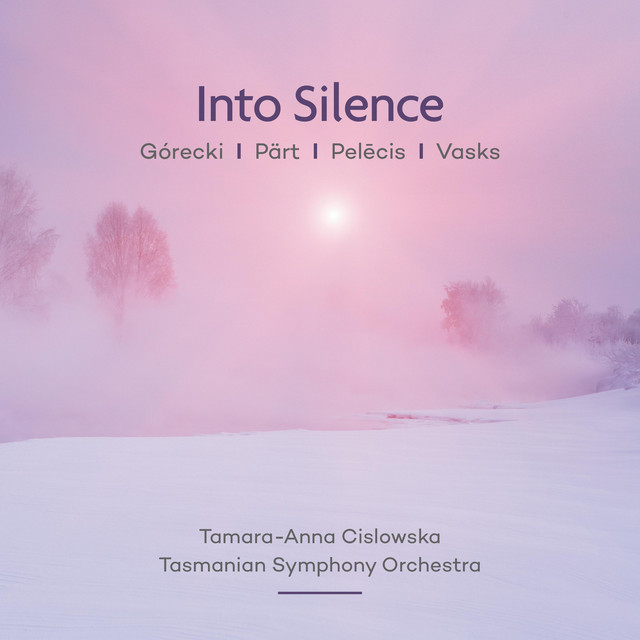
Into Silence: Pärt | Vasks | Górecki | Pelēcis
Johannes Fritzsch, Tasmanian Symphony Orchestra, Tamara Anna Cislowska
Baltic Classical
Similar artists
3
/5
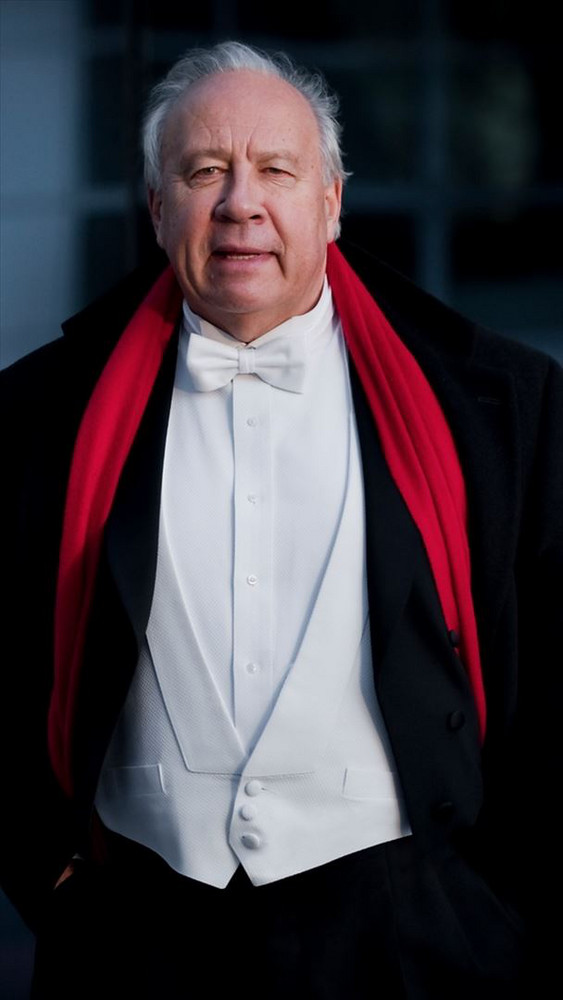
Neeme Järvi
Classical
Orchestral
Symphony
4
/5
London Symphony Orchestra
Classical
Ballet
American Classical Piano
4
/5
Berliner Philharmoniker
Classical
Symphony
Romantic Classical
4
/5
Herbert von Karajan
Classical
Symphonic Poem
Symphony
4
/5
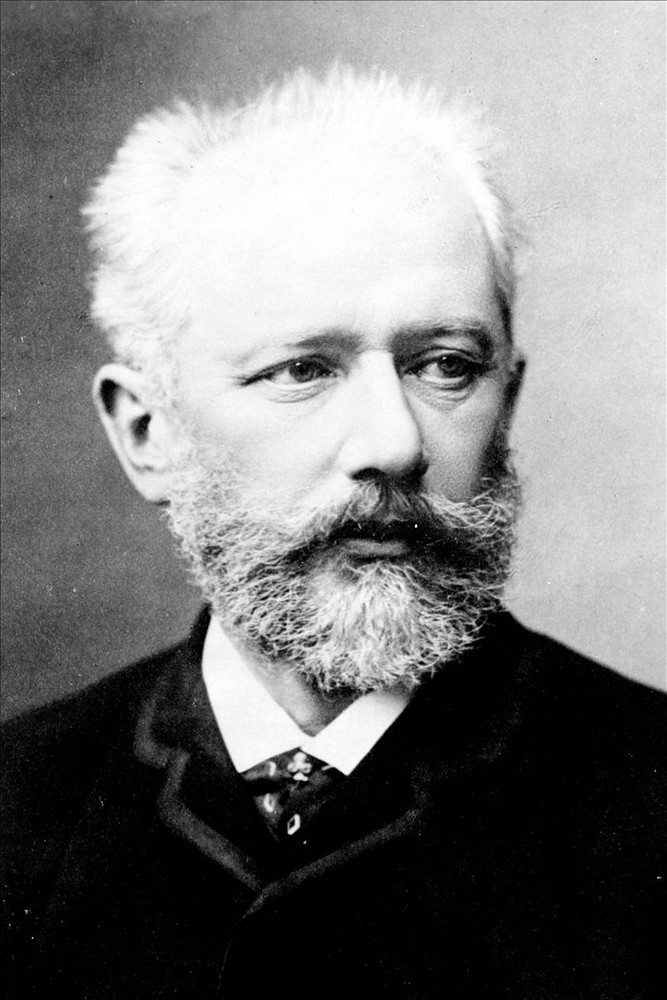
Pyotr Ilyich Tchaikovsky
Classical
Moscow School
Ballet
4
/5
Philharmonia Orchestra
Classical
Opera
Historic Orchestral Performance
4
/5
Sir Simon Rattle
Ballet
Classical
Orchestral
4
/5
André Previn
Orchestral Performance
Ballet
Classical
3
/5
Sergei Prokofiev
Modern Classical
Ballet
Classical
3
/5
Boston Symphony Orchestra
Classical
Concerto
Moscow School
Download our mobile app
Get the Melodigging app and start digging for new genres on the go
Download on the App Store
Get it on Google Play
© 2026 Melodigging
Give feedback
Legal
Melodding was created as a tribute to
Every Noise at Once
, which inspired us to help curious minds keep digging into music's ever-evolving genres.