Genres
Artists
Albums
Make Music
Sign in
Sign in
Artists
Compas
Artists
Compas
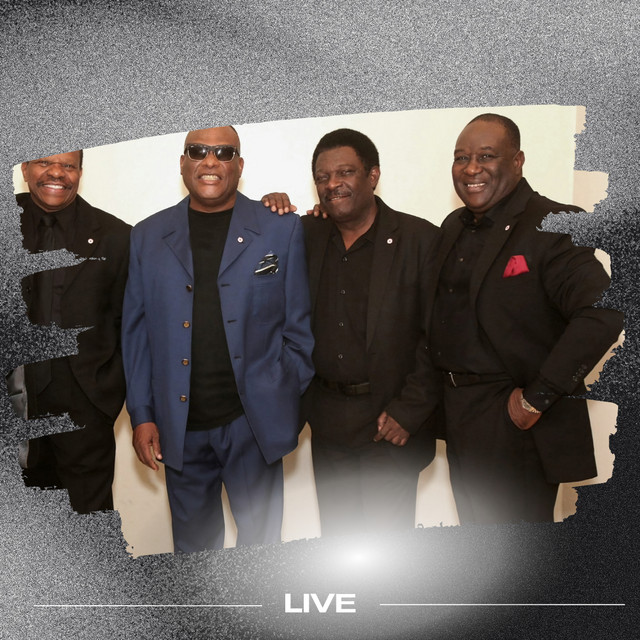
Tabou Combo De Petion-Ville
2010
·
6 albums
Listen
1
/5
Genres
Compas
Compas (also spelled konpa or compas direct) is Haiti’s modern, méringue-based dance music. It features a steady, driving groove, lyrical melodies, and tight horn or synth hooks designed for continuous social dancing. The style blends Haitian méringue rhythms with jazz and Afro‑Cuban/Latin elements, typically in a mid‑tempo 4/4. A locked‑in drum/cowbell pattern, syncopated bass ostinatos, percussive rhythm guitar, keyboards playing montuno-like figures, and call‑and‑response vocals in Haitian Creole or French are core traits. Since the late 1970s, electronic keyboards and drum machines have been common, but the feel remains warm, romantic, and unshakably danceable.
Discover
Listen
French Caribbean Music
French Caribbean music is an umbrella term for popular and folkloric styles from the French Antilles (Guadeloupe, Martinique, Dominica, Saint Lucia) and from Haiti. It encompasses island dance musics (biguine, gwo ka, bélé), the Haitian méringue-derived compas (konpa), 1970s cadence-lypso, and the 1980s studio-driven zouk, along with many regional variants. Shared features include Creole (Kréyol/Créole) and French lyrics, call-and-response refrains, syncopated hand-drumming patterns (ka, ti-bwa), horn riffs, tumbling bass ostinatos, and a strong emphasis on social dance. While instrumentation evolved from acoustic ensembles to drum machines and synthesizers, the heartbeat remains the Caribbean dance floor.
Discover
Listen
French Jazz
French jazz is the French branch of jazz that took root in Paris and other urban centers after World War I, when African American musicians and touring bands introduced the music to a receptive café and cabaret culture. It blends American jazz idioms with French musical sensibilities, notably chanson, musette waltzes, and a refined classical ear for color and melody. Its sound ranges from the acoustic swing of the 1930s Hot Club style (guitar- and violin-led ensembles) to postwar bebop, cool and modal currents, free improvisation, and later fusions with chanson and electronic music. Hallmarks include lyrical, song-like themes, supple swing feels, elegant harmonic voicings, and, in some strands, the distinctive "la pompe" rhythm of manouche guitar and the timbre of accordion and violin. Today, French jazz encompasses both traditional and forward-looking approaches: intimate acoustic combos, orchestral and filmic jazz, and hybrid forms that intersect with nu jazz, electro-swing, and contemporary European improvisation.
Discover
Listen
Méringue
Méringue is a 19th‑century Haitian couple dance and song form that became a national emblem of urban salon culture and public festivity. It blends European ballroom idioms with Afro‑Haitian rhythmic sensibilities, resulting in a graceful yet rhythmically buoyant style. Typically notated in 2/4 (sometimes felt in a gentle 4/4), méringue features habanera- and cinquillo-like syncopations, lilting melodies, and a clear, songful lyricism. In salons it was often performed on solo piano or small chamber combinations; in public spaces and later dance bands it expanded to include guitars, banjo/banza, wind instruments, and Haitian drums. Over time, méringue existed both as an elegant salon repertoire (méringue de salon) and as a lively popular dance music. Its rhythmic DNA and formal habits would later underpin modern Haitian dance genres such as compas direct and, by extension, influence the broader Caribbean dance continuum.
Discover
Listen
Haitian Music
Haitian music is a rich, syncretic tradition shaped by West African polyrhythms, Afro‑diasporic religious practice (Vodou), and European colonial dance forms that took root in Saint‑Domingue (colonial Haiti). Across the 19th and 20th centuries, these foundations blossomed into distinctive popular and ritual styles: rural twoubadou (acoustic, bolero‑tinged song), rara (street processional music with vaksin bamboo trumpets), and urban dance musics such as méringue and, later, konpa/kadans and the electric "mini‑jazz" bands. In the late 20th century, mizik rasin (“roots music”) fused Vodou ceremonial rhythms with rock and reggae, while the diaspora nourished connections to jazz, hip hop, and global pop. Core sounds include interlocking tanbou drum patterns, call‑and‑response vocals in Haitian Creole, syncopated bass ostinatos, and catchy horn/guitar lines. Haitian music is at once communal and dance‑forward, yet capable of lyrical intimacy, spiritual intensity, and political commentary.
Discover
Listen
Albums
2010
1
/5
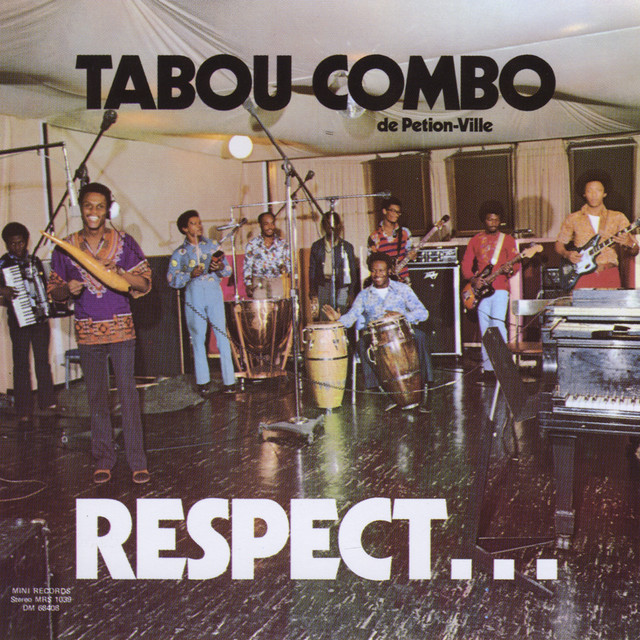
Respect
Tabou Combo de Pétion-Ville
Compas
Haitian Music
French Caribbean Music
New York City
Tabou Combo de Pétion-Ville
French Caribbean Music
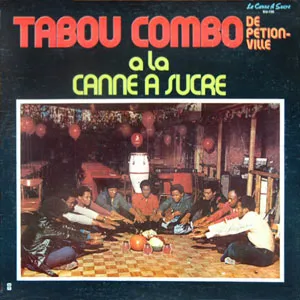
À la canne à sucre
Tabou Combo de Pétion-Ville
Compas
New York City
Tabou Combo de Pétion-Ville
Compas
New York City
Tabou Combo de Pétion-Ville
Haitian Music
À la canne à sucre
Tabou Combo de Pétion-Ville
Méringue
Similar artists
1
/5
Various Artists
Afro-Funk
Alternative Rock
Ambient
2
/5
Les Shleu Shleu
Compas
Haitian Music
Champeta
1
/5
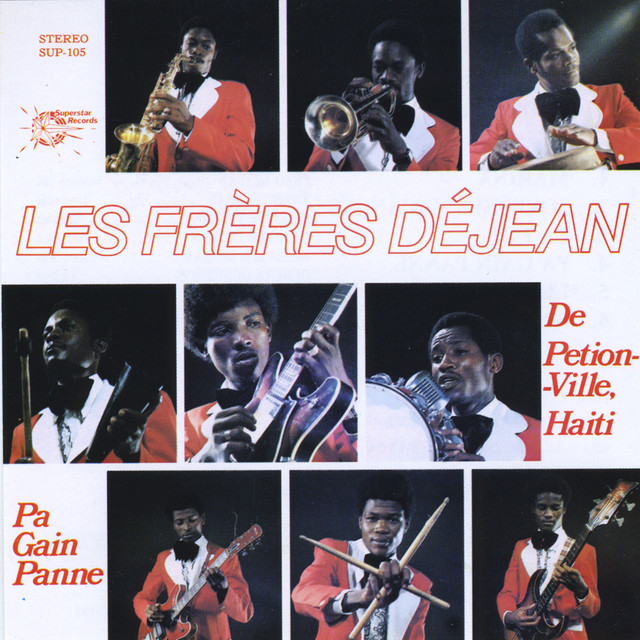
Les Frères Dejean
Compas
Haitian Music
French Caribbean Music
1
/5
Les Loups Noirs
Compas
French Caribbean Music
Haitian Music
2
/5
Tabou Combo
Compas
Zouk
Caribbean Folk Music
2
/5
Boukman Eksperyans
Rasin
Haitian Music
Afro House
1
/5
Issa El Saieh
Haitian Vodou Drumming
Compas
Exotica
1
/5
Toto Bissainthe
Compas
French Caribbean Music
Haitian Music
1
/5
Fabre Duroseau
Traditional Folk
Caribbean Folk Music
French Caribbean Music
1
/5
Ibo Combo
Compas
Calypso
Haitian Music
Download our mobile app
Get the Melodigging app and start digging for new genres on the go
Download on the App Store
Get it on Google Play
© 2026 Melodigging
Give feedback
Legal
Melodding was created as a tribute to
Every Noise at Once
, which inspired us to help curious minds keep digging into music's ever-evolving genres.