Genres
Artists
Albums
Make Music
Sign in
Sign in
Artists
Compas
Artists
Compas
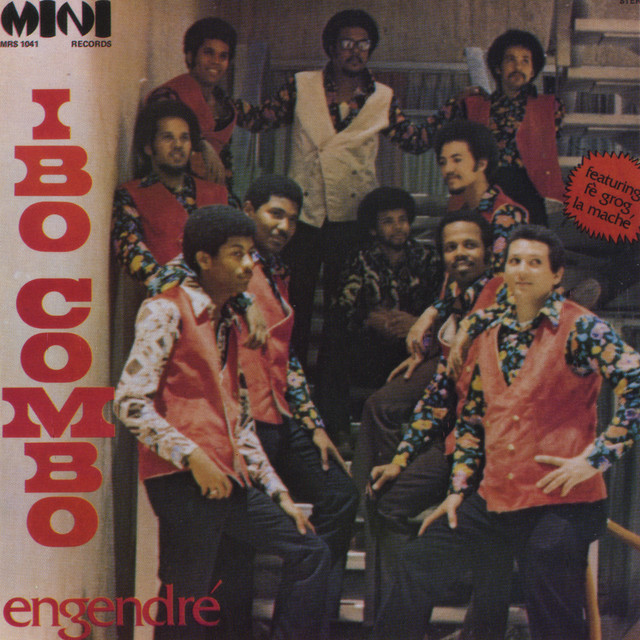
Ibo Combo
1976
·
1 album
Listen
1
/5
Genres
Compas
Compas (also spelled konpa or compas direct) is Haiti’s modern, méringue-based dance music. It features a steady, driving groove, lyrical melodies, and tight horn or synth hooks designed for continuous social dancing. The style blends Haitian méringue rhythms with jazz and Afro‑Cuban/Latin elements, typically in a mid‑tempo 4/4. A locked‑in drum/cowbell pattern, syncopated bass ostinatos, percussive rhythm guitar, keyboards playing montuno-like figures, and call‑and‑response vocals in Haitian Creole or French are core traits. Since the late 1970s, electronic keyboards and drum machines have been common, but the feel remains warm, romantic, and unshakably danceable.
Discover
Listen
Calypso
Calypso is an Afro‑Caribbean vocal music and dance style that originated in Trinidad and Tobago among Afro‑Trinidadians. It blends West African kaiso traditions and French Creole carnival song practices into a witty, topical song form built for public performance and communal participation. Musically, calypso is typically in 2/4 or 4/4 with a lilting, syncopated "calypso rhythm" that often accents a 3‑3‑2 feel across the bar. Melodies favor catchy, singable refrains, call‑and‑response, and verse–chorus structures. Instrumentation historically included tamboo‑bamboo and hand percussion, then small dance bands with guitar, cuatro, upright bass, brass, and later steelpan and full brass/engine‑room sections. Lyrically, calypso is renowned for picong (good‑humored verbal sparring), double entendre, social and political commentary, and news‑of‑the‑day storytelling delivered by charismatic calypsonians in tents and at carnival.
Discover
Listen
Haitian Music
Haitian music is a rich, syncretic tradition shaped by West African polyrhythms, Afro‑diasporic religious practice (Vodou), and European colonial dance forms that took root in Saint‑Domingue (colonial Haiti). Across the 19th and 20th centuries, these foundations blossomed into distinctive popular and ritual styles: rural twoubadou (acoustic, bolero‑tinged song), rara (street processional music with vaksin bamboo trumpets), and urban dance musics such as méringue and, later, konpa/kadans and the electric "mini‑jazz" bands. In the late 20th century, mizik rasin (“roots music”) fused Vodou ceremonial rhythms with rock and reggae, while the diaspora nourished connections to jazz, hip hop, and global pop. Core sounds include interlocking tanbou drum patterns, call‑and‑response vocals in Haitian Creole, syncopated bass ostinatos, and catchy horn/guitar lines. Haitian music is at once communal and dance‑forward, yet capable of lyrical intimacy, spiritual intensity, and political commentary.
Discover
Listen
Albums
1976
1
/5
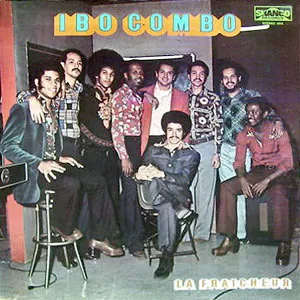
La fraîcheur
Ibo Combo
Compas
Haitian Music
Similar artists
1
/5
Various Artists
Afro-Funk
Alternative Rock
Ambient
1
/5
Les Fantaisistes de Carrefour
Compas
Calypso
2
/5
Tabou Combo
Compas
Zouk
Caribbean Folk Music
2
/5
Les Shleu Shleu
Compas
Haitian Music
Champeta
1
/5
DP Express
Compas
Zouk
Haitian Music
1
/5
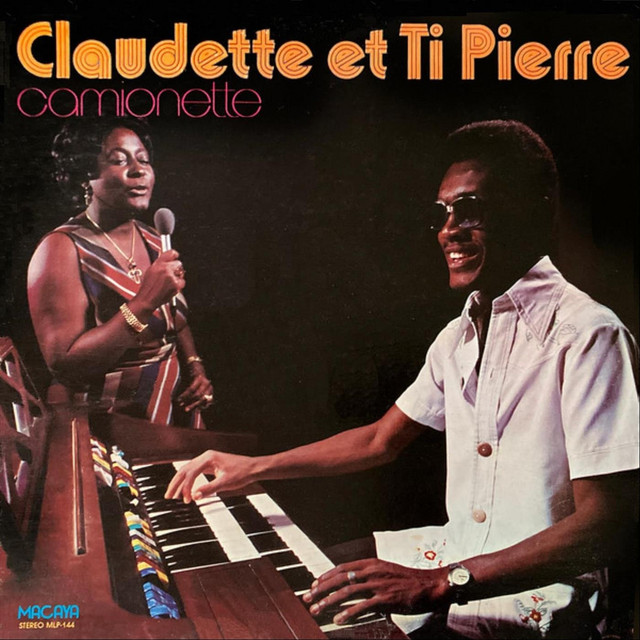
Claudette et Ti Pierre
Compas
Haitian Music
1
/5
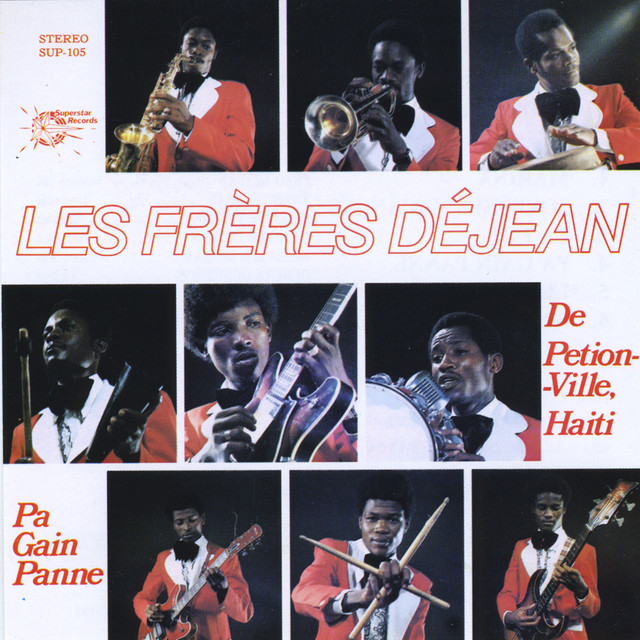
Les Frères Dejean
Compas
Haitian Music
French Caribbean Music
1
/5
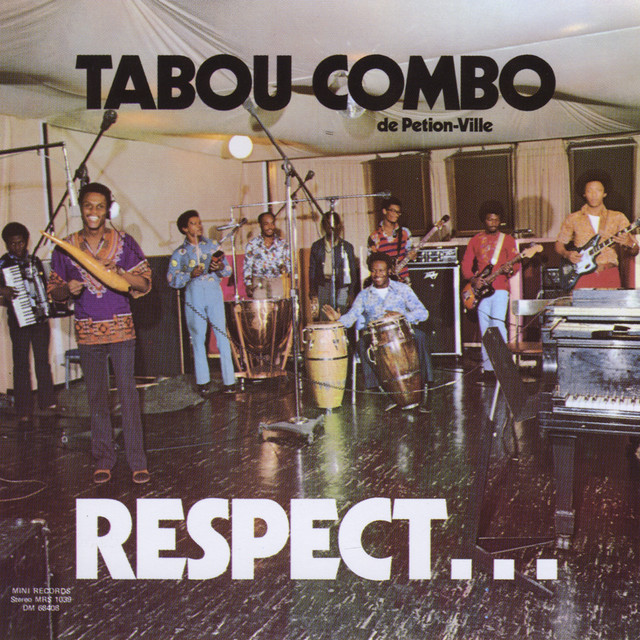
Tabou Combo De Petion-Ville
Compas
French Caribbean Music
French Jazz
1
/5
Les Loups Noirs
Compas
French Caribbean Music
Haitian Music
1
/5
Scor.pi.o
Compas
Zouk
Haitian Music
Download our mobile app
Get the Melodigging app and start digging for new genres on the go
Download on the App Store
Get it on Google Play
© 2026 Melodigging
Give feedback
Legal
Melodding was created as a tribute to
Every Noise at Once
, which inspired us to help curious minds keep digging into music's ever-evolving genres.