Genres
Artists
Albums
Make Music
Sign in
Sign in
Artists
Tango
Artists
Tango
Susanna Moncayo
2017
·
1 album
Listen
1
/5
Genres
Tango
Tango is a song-and-dance music from the Río de la Plata region, crystallizing in Buenos Aires (Argentina) and Montevideo (Uruguay) in the late 19th century. It is characterized by a melancholic, dramatic tone; richly expressive melodies; and a distinctive rhythmic feel rooted in the habanera and milonga. Core ensembles feature bandoneón, violin(s), piano, double bass, and sometimes guitar, forming the famed orquesta típica. Across the 1920s–1950s it became a worldwide craze, moving from rough immigrant bars to grand salons and radio, developing highly sophisticated arranging and performance practices. Lyrics often employ lunfardo (Buenos Aires slang) and dwell on urban nostalgia, love, betrayal, and the neighborhood (el barrio). Note on terminology: in flamenco, “tangos” is a distinct palo (song form) with a lively 4/4 compás, often in A Phrygian, closely related in feeling to rumba flamenca. Although it shares the name and a spirited character, flamenco tangos is a different tradition from the Río de la Plata tango described above.
Discover
Listen
Folclore Navarra
Folclore navarra refers to the traditional musical and dance practices of Navarre (Navarra) in northern Spain. At its core stands the region’s powerful jota navarra singing and dancing, performed with ringing, high‑projection voices over lively triple‑meter accompaniments by rondalla ensembles (guitars, bandurria, laúd), accordion, and local winds such as dulzaina/txistu with tamboril. Costuming at village fiestas commonly features white garments with red sashes and kerchiefs. Lyrical themes celebrate rural life, courtship, local identities and places, and religious or festal occasions (notably summer festivals and processions). In northern Navarre, Basque‑language song and dance (e.g., zortziko, aurresku family) interweave with the jota tradition, giving the region’s folklore a bilingual, bi‑cultural character. Today, schools, peñas, and folklore groups sustain performance, competitions, and teaching across the Ebro valley and the Pyrenean foothills.
Discover
Listen
Latin American Baroque
Latin American Baroque is the repertoire of sacred and festive art music written and performed in the cathedrals, missions, and courts of colonial Spanish and Portuguese America during the Baroque era. It blends European contrapuntal craft, basso continuo, and ceremonial grandeur with local languages, dance rhythms, and timbral practices. Typical forms include masses, motets, litanies, and villancicos (often for Christmas and major feasts), set in Latin as well as Spanish and sometimes indigenous languages such as Nahuatl, Quechua, or Guaraní. Instrumentation combines European forces—violins, cornetts, sackbuts, bajón (dulcian), harp, organ, and guitars—with local percussion and distinctive rhythmic cells (notably the sesquiáltera 3:2). The result is music that can be both solemn and architectonic for liturgy, and exuberant and dance-inflected for feast-day devotions.
Discover
Listen
Albums
2017
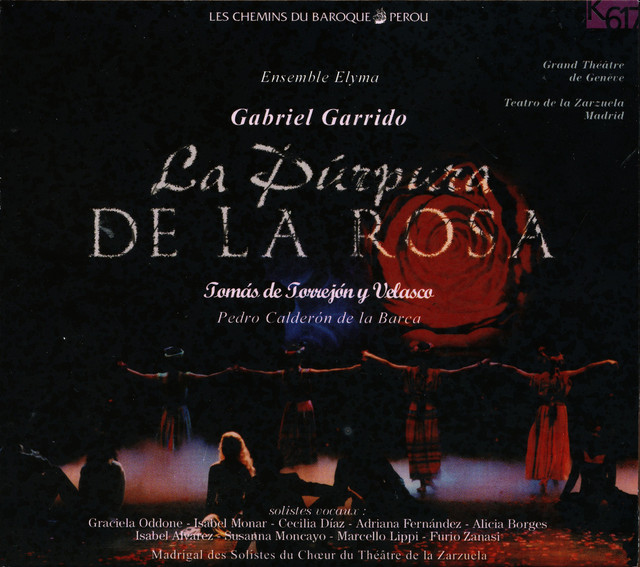
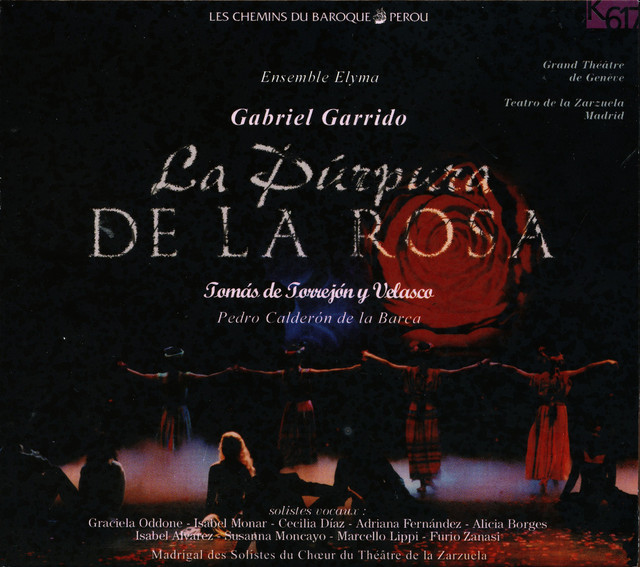
Torrejón y Velasco: La púrpura de la rosa
Tomás de Torrejón y Velasco, Graciela Oddone, Isabel Monar, Cecilia Diaz, Adria…
Folclore Navarra
Latin American Baroque
Similar artists
2
/5
Furio Zanasi
Gregorian Chant
Opera
Folclore Navarra
1
/5
Gabriel Garrido
Latin American Baroque
Folclore Navarra
1
/5
Graciela Oddone
Opera
Folclore Navarra
Latin American Baroque
3
/5
Claudio Constantini
Tango
Classical
Ambient Lo-Fi
3
/5
Diego El Cigala
Flamenco
Tango
Bolero
3
/5
Gotan Project
Neotango
Electronic
Electrotango
3
/5
Haris Alexiou
Tango
Laiko
Éntekhno
3
/5
Carlos Gardel
Candombe
Tango
Bolero
3
/5
Hindi Zahra
Tango
World
Folk Pop
3
/5
Astor Piazzolla
Nuevo Tango
Tango
Rioplatense Music
Download our mobile app
Get the Melodigging app and start digging for new genres on the go
Download on the App Store
Get it on Google Play
© 2026 Melodigging
Give feedback
Legal
Melodding was created as a tribute to
Every Noise at Once
, which inspired us to help curious minds keep digging into music's ever-evolving genres.