Your digging level
Description
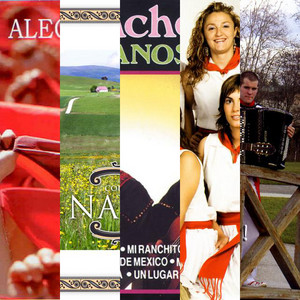
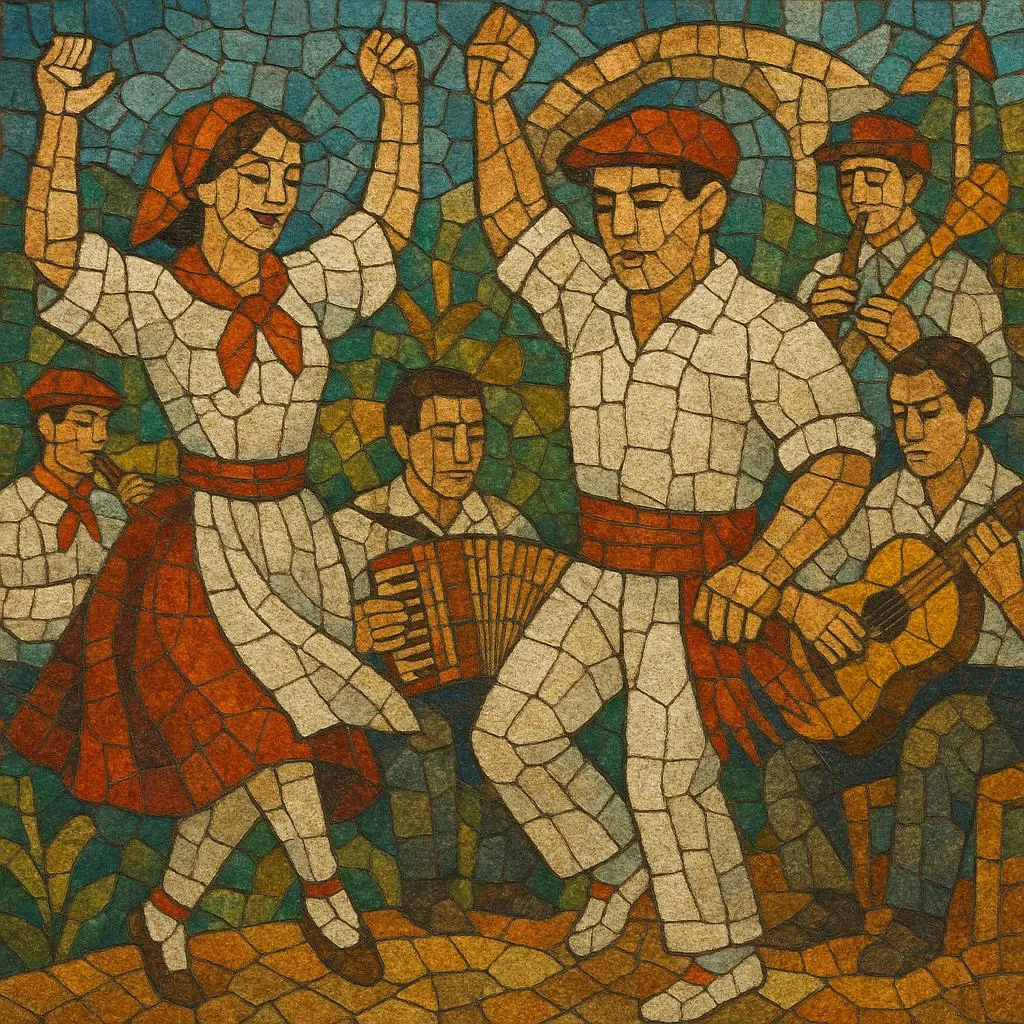
Folclore navarra refers to the traditional musical and dance practices of Navarre (Navarra) in northern Spain. At its core stands the region’s powerful jota navarra singing and dancing, performed with ringing, high‑projection voices over lively triple‑meter accompaniments by rondalla ensembles (guitars, bandurria, laúd), accordion, and local winds such as dulzaina/txistu with tamboril. Costuming at village fiestas commonly features white garments with red sashes and kerchiefs.
Lyrical themes celebrate rural life, courtship, local identities and places, and religious or festal occasions (notably summer festivals and processions). In northern Navarre, Basque‑language song and dance (e.g., zortziko, aurresku family) interweave with the jota tradition, giving the region’s folklore a bilingual, bi‑cultural character. Today, schools, peñas, and folklore groups sustain performance, competitions, and teaching across the Ebro valley and the Pyrenean foothills.
History
Navarre’s folklore crystallized in the 19th century around regional variants of the Spanish jota, whose brisk triple meters and virtuosic dance steps spread along the Ebro basin (Aragón–Navarra–La Rioja). In Navarre, the style took on a distinctive vocal projection, stanza patterns, and festival costuming; performance was typically with rondalla ensembles and local shawm‑and‑drum pairings.
The early 20th century produced iconic joteros and groups who gave Navarrese folklore a national profile. Foremost among them was Raimundo Lanas (1908–1939), celebrated as “El ruiseñor navarro,” whose recordings and tours carried the jota navarra well beyond the region. Later singers such as Julián Arina and duos like Faico y Josefina maintained the style’s prominence, while choirs (e.g., Orfeón Pamplonés) and rondallas nurtured training and accompaniment traditions in Pamplona and across the Ribera.
Mid‑century field recordings by Alan Lomax in Navarre captured work songs, children’s songs, and dance music, providing a sonic snapshot of both Spanish‑ and Basque‑language repertories in the province. Since the late 20th century, folklore schools, competitions, and local festivals (including San Fermín) have strengthened transmission, with contemporary folk bands and cultural associations integrating Basque and Navarrese elements on modern stages.