Genres
Artists
Albums
Make Music
Sign in
Sign in
Artists
Rock In Opposition
Artists
Rock In Opposition
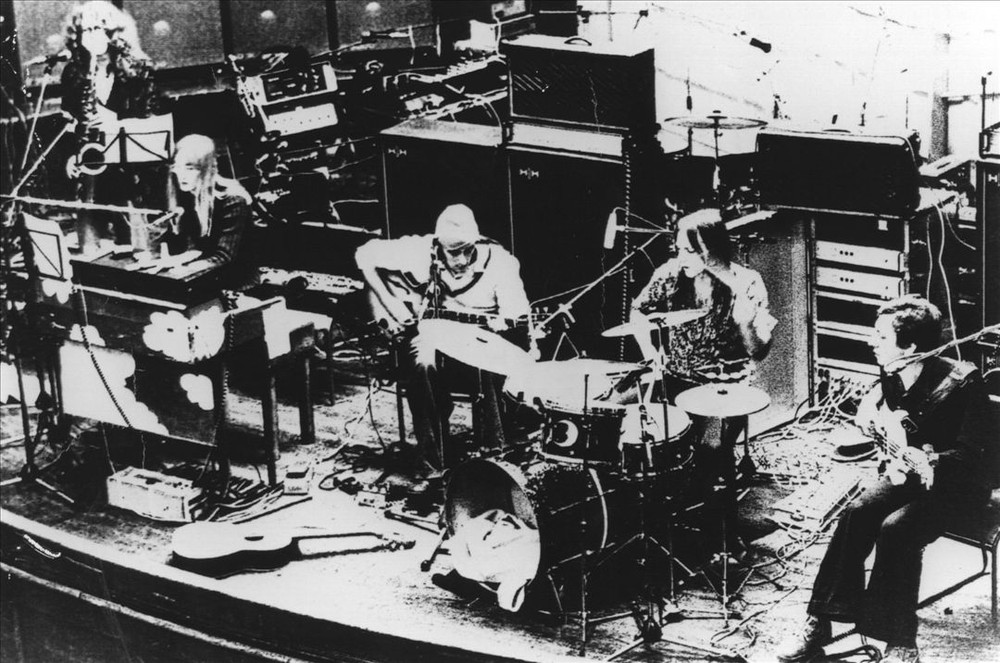
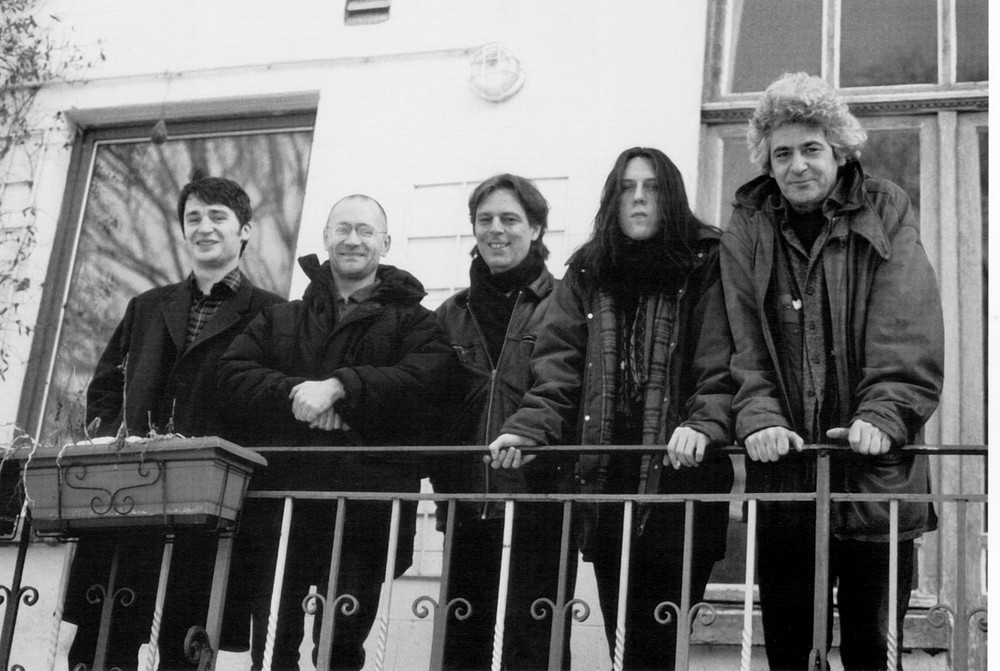
Stormy Six
1996–2007
·
4 albums
Listen
Genres
Rock In Opposition
Rock in Opposition (RIO) is a late‑1970s movement of progressive and experimental rock groups who united in explicit opposition to a commercial music industry that refused to recognize or support their music. Rather than a strict musical style, RIO is a banner and aesthetic: fiercely independent production; complex, often dissonant composition; chamber‑like instrumentation; left‑leaning, critical or satirical politics; and a commitment to avant‑garde techniques imported from modern classical music, free improvisation, and radical jazz. The sound typically blends rock rhythm sections with winds and strings (e.g., bassoon, clarinet, violin), intricate counterpoint, odd meters, abrupt contrasts, and through‑composed forms that defy verse–chorus conventions.
Discover
Listen
Avant-Prog
Avant-prog (avant-garde progressive rock) is a branch of progressive rock that emphasizes experimentation, dissonance, and structural innovation. It often blends rock instrumentation with chamber-music timbres (strings, woodwinds, brass) and techniques borrowed from 20th‑century classical music, free jazz, and minimalism. Typical traits include irregular and shifting meters, abrupt contrasts, complex counterpoint, atonal or modal harmony, extended techniques, and through-composed forms that minimize or abandon verse/chorus structures. The mood ranges from stark and austere to playfully surreal, with a frequent penchant for theatricality and sound collage. The movement’s ethos—crystallized by the late‑1970s Rock in Opposition (RIO) collective—was as much cultural as musical, favoring artistic independence, DIY production, and an oppositional stance toward commercial music industry norms.
Discover
Listen
Beat Music
Beat music (often called Merseybeat when centered on Liverpool) is a British style of early-to-mid 1960s guitar pop built on a strong, danceable backbeat, close vocal harmonies, and concise, hook-driven songwriting. It blends the rhythmic drive of American rock and roll and rhythm and blues with skiffle’s DIY energy and doo‑wop’s harmonies, typically delivered by two electric guitars, electric bass, and drums, with frequent handclaps and tambourine. Songs are short, catchy, and youthful in theme, favoring major keys, I–IV–V progressions, and memorable choruses that foreground melody over instrumental virtuosity.
Discover
Listen
Folk Rock
Folk rock is a fusion genre that blends the narrative lyricism, modal melodies, and acoustic timbres of traditional folk with the backbeat, amplification, and song structures of rock. It typically pairs acoustic or traditional instruments (acoustic guitar, mandolin, fiddle) with a rock rhythm section (electric guitar, bass, drums), often featuring chiming 12‑string guitar textures, close vocal harmonies, and socially conscious or storytelling lyrics. The result ranges from intimate, reflective ballads with a steady backbeat to more anthemic, roots‑driven rock. Emerging in the mid‑1960s through artists such as Bob Dylan and The Byrds, folk rock became a gateway for traditional and roots materials to enter mainstream popular music, and it seeded later movements from country rock and Americana to jangle pop and modern indie folk.
Discover
Listen
Progressive Folk
Progressive folk is a strand of folk music that adopts the exploratory spirit, extended forms, and harmonic richness of progressive rock and jazz while remaining rooted in traditional songcraft and acoustic timbres. It favors modal melodies, intricate fingerpicking, and unusual time signatures, often weaving together British and Celtic folk idioms with classical and jazz-informed arrangements. Compared with straight folk or folk rock, progressive folk is more ambitious in structure: suites, long-form ballads, and thematic albums are common. Lyrically it ranges from pastoral and mythical to philosophical and introspective, and it frequently experiments with instrumentation (e.g., dulcimer, sitar, harp, early music winds) and layered vocal counterpoint. The result is music that feels both ancient and modern—earthy yet expansive.
Discover
Listen
Experimental
Experimental music is an umbrella term for practices that prioritize exploration, process, and discovery over adherence to established genre norms. It embraces new sound sources, nonstandard tuning systems, indeterminacy and chance operations, graphic and open-form scores, extended techniques, and technology-led sound design (tape, electronics, computers, and live processing). Rather than a single style, it is a methodology and ethos: testing hypotheses about sound, structure, and performance, often blurring boundaries between composition, improvisation, sound art, and performance art. Listeners can expect unfamiliar timbres, unusual forms, and an emphasis on how music is made as much as the resulting sound.
Discover
Listen
Rock
Rock is a broad family of popular music centered on amplified instruments, a strong backbeat, and song forms that foreground riffs, choruses, and anthemic hooks. Emerging from mid‑20th‑century American styles like rhythm & blues, country, and gospel-inflected rock and roll, rock quickly expanded in scope—absorbing folk, blues, and psychedelic ideas—while shaping global youth culture. Core sonic markers include electric guitar (often overdriven), electric bass, drum kit emphasizing beats 2 and 4, and emotive lead vocals. Rock songs commonly use verse–chorus structures, blues-derived harmony, and memorable melodic motifs, ranging from intimate ballads to high‑energy, stadium‑sized performances.
Discover
Listen
Jazz
Jazz is an improvisation-centered music tradition that emerged from African American communities in the early 20th century. It blends blues feeling, ragtime syncopation, European harmonic practice, and brass band instrumentation into a flexible, conversational art. Defining features include swing rhythm (a triplet-based pulse), call-and-response phrasing, blue notes, and extended harmonies built on 7ths, 9ths, 11ths, and 13ths. Jazz is as much a way of making music—spontaneous interaction, variation, and personal sound—as it is a set of forms and tunes. Across its history, jazz has continually hybridized, from New Orleans ensembles and big-band swing to bebop, cool and hard bop, modal and free jazz, fusion, and contemporary cross-genre experiments. Its influence permeates global popular and art music.
Discover
Listen
Show all 8 genres
Albums
2007
2
/5
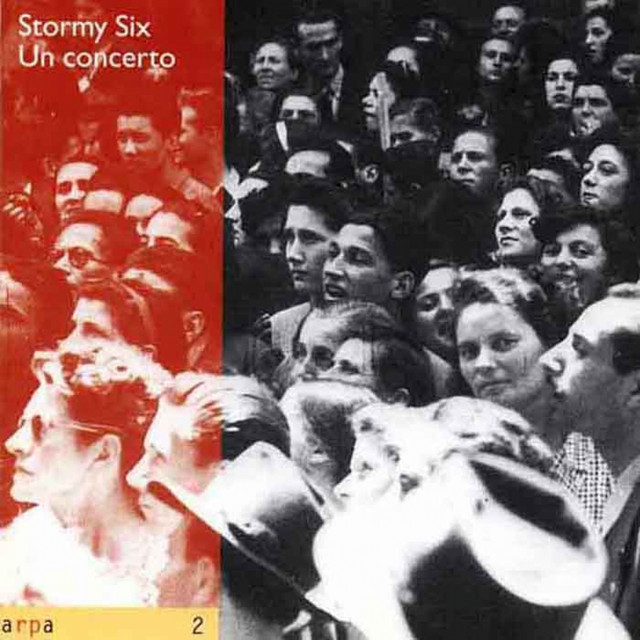
Un Concerto
Stormy Six
Rock In Opposition
Experimental
Jazz
1996
1
/5
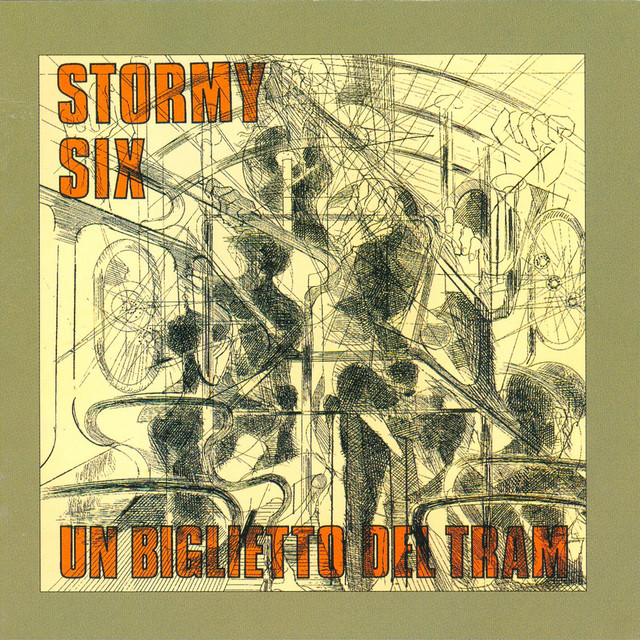
Un biglietto del tram
Stormy Six
Rock In Opposition
1996
1
/5
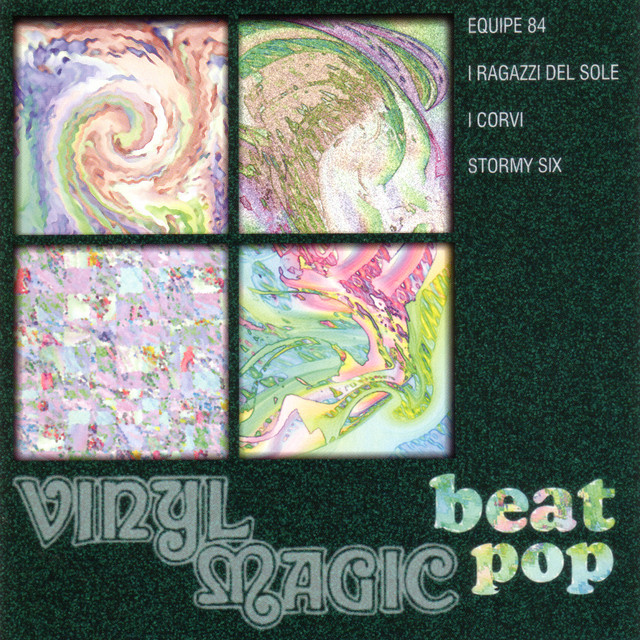
Vinyl Magic Beat Pop
Stormy Six
Rock In Opposition
1996
1
/5
Al volo
Stormy Six
Rock In Opposition
Similar artists
1
/5
Henry Cow
Rock In Opposition
Art Rock
Canterbury Scene
2
/5
Sleepytime Gorilla Museum
Avant-Prog
Rock In Opposition
Avant-Garde
1
/5
Samla Mammas Manna
Rock In Opposition
Avant-Prog
Jazz
1
/5
Aksak Maboul
Rock In Opposition
Avant-Prog
Experimental
1
/5
Univers Zero
Rock In Opposition
Zeuhl
Avant-Prog
1
/5
Present
Avant-Prog
Rock In Opposition
Art Rock
3
/5
Frank Zappa
Jazz Rock
Progressive Rock
Avant-Garde
3
/5
black midi
Windmill Scene
Math Rock
Noise Rock
1
/5
John Zorn
Avant-Garde Jazz
Free Improvisation
Jazz
1
/5
Ruins
Brutal Prog
Math Rock
Noise Rock
Download our mobile app
Get the Melodigging app and start digging for new genres on the go
Download on the App Store
Get it on Google Play
© 2026 Melodigging
Give feedback
Legal
Melodding was created as a tribute to
Every Noise at Once
, which inspired us to help curious minds keep digging into music's ever-evolving genres.