Genres
Make Music
Artists
Albums
Challenges
Sign in
Sign in
Albums
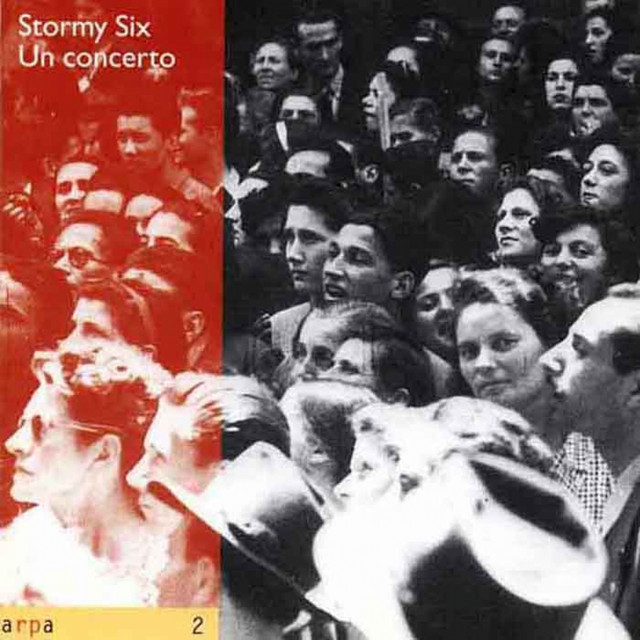
By Stormy Six
Albums
By Stormy Six
Un Concerto
June 19, 2007
Listen
2
/5
Genres
Rock In Opposition
Rock in Opposition (RIO) is a late‑1970s movement of progressive and experimental rock groups who united in explicit opposition to a commercial music industry that refused to recognize or support their music. Rather than a strict musical style, RIO is a banner and aesthetic: fiercely independent production; complex, often dissonant composition; chamber‑like instrumentation; left‑leaning, critical or satirical politics; and a commitment to avant‑garde techniques imported from modern classical music, free improvisation, and radical jazz. The sound typically blends rock rhythm sections with winds and strings (e.g., bassoon, clarinet, violin), intricate counterpoint, odd meters, abrupt contrasts, and through‑composed forms that defy verse–chorus conventions.
Discover
Listen
Experimental
Experimental music is an umbrella term for practices that prioritize exploration, process, and discovery over adherence to established genre norms. It embraces new sound sources, nonstandard tuning systems, indeterminacy and chance operations, graphic and open-form scores, extended techniques, and technology-led sound design (tape, electronics, computers, and live processing). Rather than a single style, it is a methodology and ethos: testing hypotheses about sound, structure, and performance, often blurring boundaries between composition, improvisation, sound art, and performance art. Listeners can expect unfamiliar timbres, unusual forms, and an emphasis on how music is made as much as the resulting sound.
Discover
Listen
Rock
Rock is a broad family of popular music centered on amplified instruments, a strong backbeat, and song forms that foreground riffs, choruses, and anthemic hooks. Emerging from mid‑20th‑century American styles like rhythm & blues, country, and gospel-inflected rock and roll, rock quickly expanded in scope—absorbing folk, blues, and psychedelic ideas—while shaping global youth culture. Core sonic markers include electric guitar (often overdriven), electric bass, drum kit emphasizing beats 2 and 4, and emotive lead vocals. Rock songs commonly use verse–chorus structures, blues-derived harmony, and memorable melodic motifs, ranging from intimate ballads to high‑energy, stadium‑sized performances.
Discover
Listen
Jazz
Jazz is an improvisation-centered music tradition that emerged from African American communities in the early 20th century. It blends blues feeling, ragtime syncopation, European harmonic practice, and brass band instrumentation into a flexible, conversational art. Defining features include swing rhythm (a triplet-based pulse), call-and-response phrasing, blue notes, and extended harmonies built on 7ths, 9ths, 11ths, and 13ths. Jazz is as much a way of making music—spontaneous interaction, variation, and personal sound—as it is a set of forms and tunes. Across its history, jazz has continually hybridized, from New Orleans ensembles and big-band swing to bebop, cool and hard bop, modal and free jazz, fusion, and contemporary cross-genre experiments. Its influence permeates global popular and art music.
Discover
Listen
Similar albums
1969
Hot Rats
Frank Zappa
2019
Air
Dakh Daughters
1996
Colossal Head
Los Lobos
1970
Måltid
Samla Mammas Manna
2000
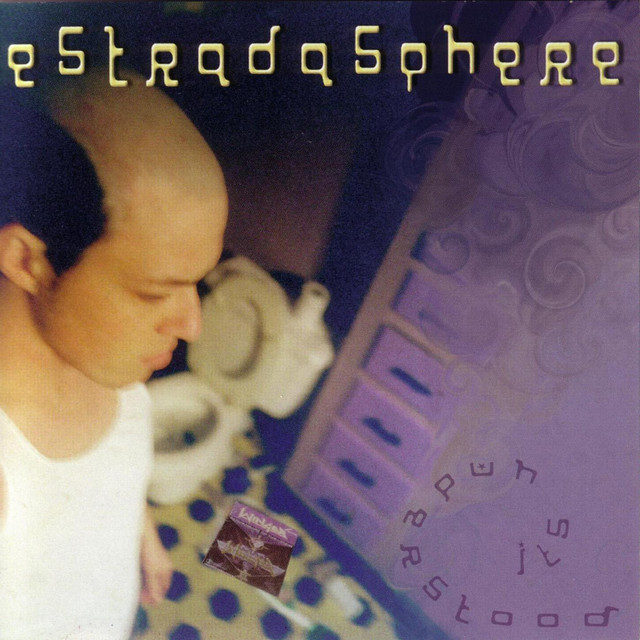
It's Understood
Estradasphere
2005
Angherr Shisspa Revisited
Koenjihyakkei
2009
Nivraym
Koenjihyakkei
2020
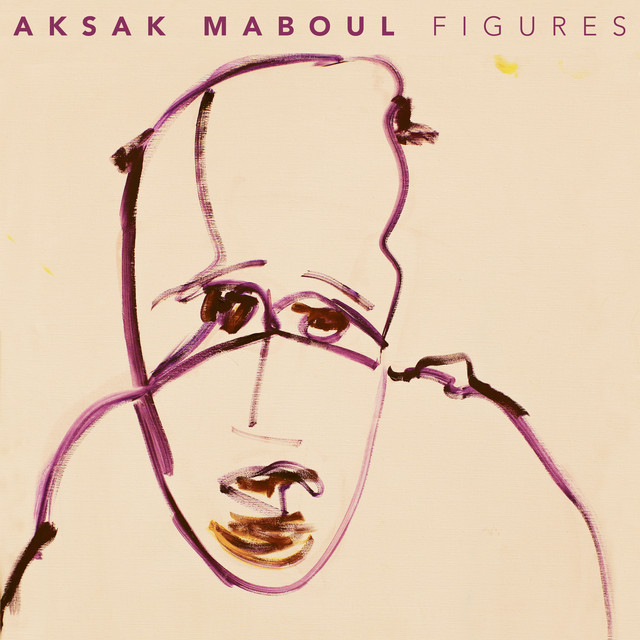
Figures
Aksak Maboul
2018
Dhorimviskha
Koenjihyakkei
1974
Klossa Knapitatet
Samla Mammas Manna
Download our mobile app
Get the Melodigging app and start digging for new genres on the go
Download on the App Store
Get it on Google Play
© 2026 Melodigging
Give feedback
Legal
Melodding was created as a tribute to
Every Noise at Once
, which inspired us to help curious minds keep digging into music's ever-evolving genres.