Genres
Artists
Albums
Make Music
Sign in
Sign in
Artists
Hard Bop
Artists
Hard Bop
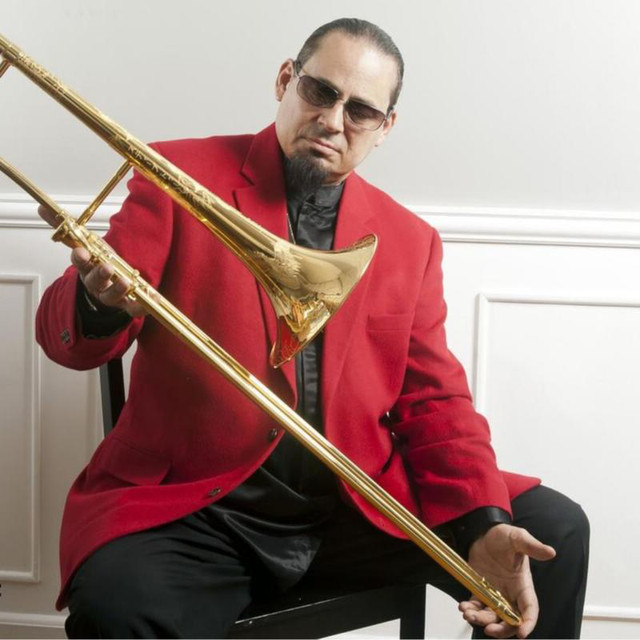
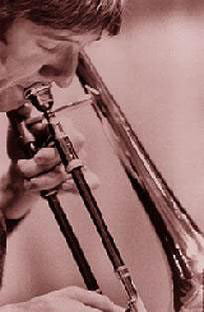
Steve Turre
1995–2020
·
2 albums
Listen
2
/5
Genres
Jazz-Funk
Jazz-funk is a groove-forward hybrid of jazz improvisation and harmony with the rhythmic drive and backbeat of funk. It features syncopated basslines, crisp drum patterns, and tight horn or keyboard riffs, often organized around vamping two- or four-bar progressions rather than complex chord changes. The sound is defined by electric instruments—Fender Rhodes, Clavinet, analog and early digital synthesizers, electric bass, and wah-inflected guitar—alongside punchy horn sections and extended solos. Compared to traditional jazz, the harmonic language is leaner but still rich, emphasizing 9ths, 11ths, 13ths, and modal centers (especially Dorian). The music aims for deep, danceable pocket, slick production, and a soulful, urban feel.
Discover
Listen
Hard Bop
Hard bop is a mid‑1950s subgenre of jazz that extends bebop’s virtuosic improvisation while bringing back a more explicitly African‑American groove. It incorporates pronounced influences from blues, rhythm & blues, and gospel—especially evident in riff‑based heads, church‑like harmonic movements on piano, and earthy saxophone phrasing. Compared with bebop, hard bop favors stronger backbeat accents, more grounded bass lines, and memorable, soulful melodies, all while retaining fast, harmonically rich improvisation when desired. Typical ensembles are small groups (often quintets) with trumpet, tenor sax, piano, bass, and drums. The style’s hallmark is the blend of bop harmony and lines with blues/gospel feeling and a driving swing feel.
Discover
Listen
Latin Jazz
Latin jazz is a fusion of jazz harmony and improvisation with Afro–Latin American rhythms, song forms, and percussion. It combines the swing, bebop, and big-band traditions with clave-based grooves such as son, rumba, danzón, and mambo, and later integrates Brazilian feels like samba and bossa nova. Typical features include the use of the clave (2–3 or 3–2), piano montunos (guajeos), bass tumbao patterns, timbales cáscara, conga marcha, and call-and-response horn "mambo" figures. While the rhythm section locks into cyclical patterns, soloists improvise using the vocabulary of jazz, creating music that is both danceable and harmonically rich.
Discover
Listen
Jazz
Jazz is an improvisation-centered music tradition that emerged from African American communities in the early 20th century. It blends blues feeling, ragtime syncopation, European harmonic practice, and brass band instrumentation into a flexible, conversational art. Defining features include swing rhythm (a triplet-based pulse), call-and-response phrasing, blue notes, and extended harmonies built on 7ths, 9ths, 11ths, and 13ths. Jazz is as much a way of making music—spontaneous interaction, variation, and personal sound—as it is a set of forms and tunes. Across its history, jazz has continually hybridized, from New Orleans ensembles and big-band swing to bebop, cool and hard bop, modal and free jazz, fusion, and contemporary cross-genre experiments. Its influence permeates global popular and art music.
Discover
Listen
Jazz Trombone
Jazz trombone refers to the idiomatic ways the trombone is used as a lead, section, and solo instrument across jazz styles. Its sound palette ranges from buttery legato ballads to bright, brassy shout choruses, and from vocal plunger-mute inflections to hyper-articulated bebop lines. The instrument first took a supporting “tailgate” role in early New Orleans/Dixieland ensembles, sliding between chord tones, outlining bass figures, and providing smears and counter-lines under the cornet or clarinet. Over time, virtuoso players demonstrated that the slide horn could execute the same fast, harmonically advanced language as saxophones and trumpets in bebop and hard bop. In big band writing—the music’s core orchestral tradition—the trombone section (typically 3–5 players) provides a warm harmonic spine, punchy riffs, and dramatic falls/doits. Modern jazz trombone embraces straight-eighth grooves, Latin and Afro-Cuban feels, avant-garde techniques, and chamber-like interaction, while retaining the classic swing vocabulary and blues sensibility.
Discover
Listen
Jazz Tuba
Jazz tuba is the use of the tuba (and its marching cousin, the sousaphone) as a primary bass and sometimes melodic voice within jazz ensembles. In early New Orleans and Chicago styles the instrument provided a buoyant, two‑beat bass foundation for parades and dance halls before the double bass became standard. Across swing, traditional jazz, and modern creative scenes, the tuba has persisted as a deep, warm, and surprisingly agile instrument—capable of walking lines, second‑line grooves, counter‑melodies, and solos with tongued articulation and vocal‑like phrasing. Today the jazz tuba spans traditional and contemporary idioms: from classic Dixieland to brass‑band funk and modern small‑group improvisation, where extended techniques, amplification, and rhythmic concepts recast the instrument as both engine and featured voice.
Discover
Listen
Albums
2020
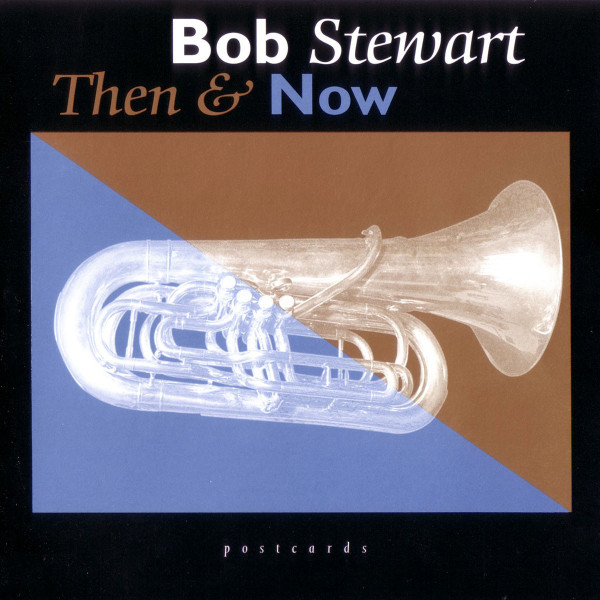
Then & Now
Bob Stewart, Taj Mahal, Steve Turre
Jazz Tuba
1995
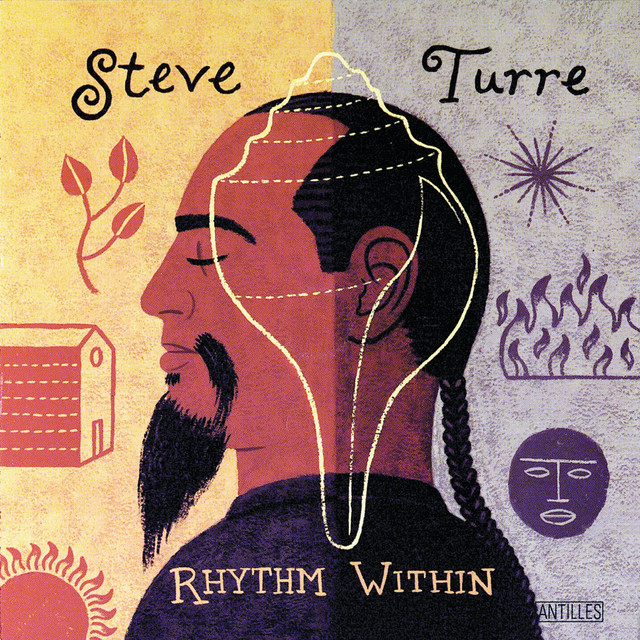
Rhythm Within
Steve Turre
Jazz Trombone
Similar artists
4
/5
Miles Davis
Hard Bop
Jazz
Jazz Fusion
2
/5
Chico Hamilton
Soul Jazz
Jazz
Cool Jazz
1
/5
Conrad Herwig
Hard Bop
Jazz
Latin Jazz
4
/5
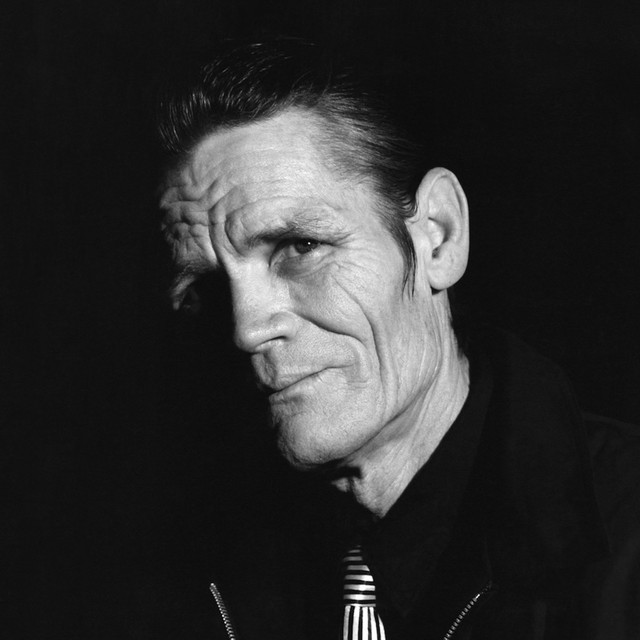
Chet Baker
Cool Jazz
Jazz
Jazz Trumpet
3
/5
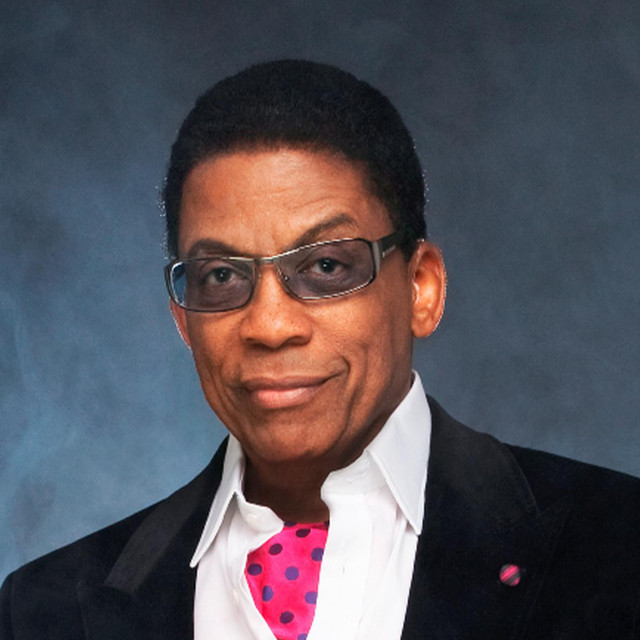
Herbie Hancock
Jazz
Jazz Fusion
Jazz-Funk
3
/5
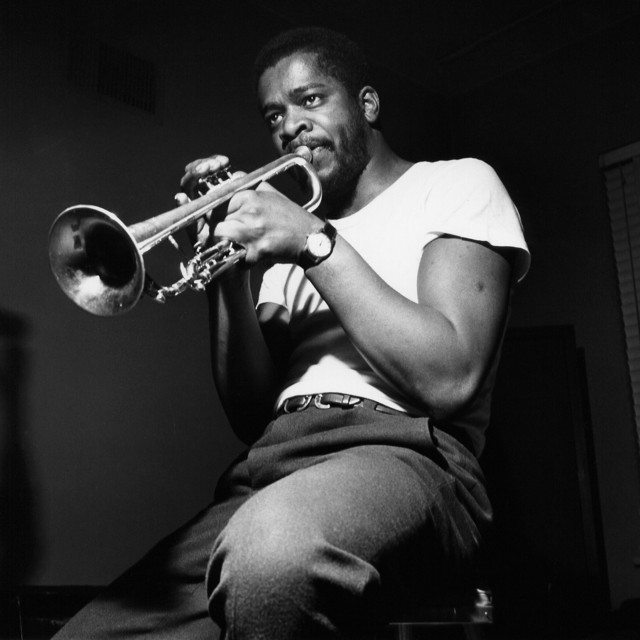
Donald Byrd
Jazz-Funk
Hard Bop
Soul Jazz
3
/5
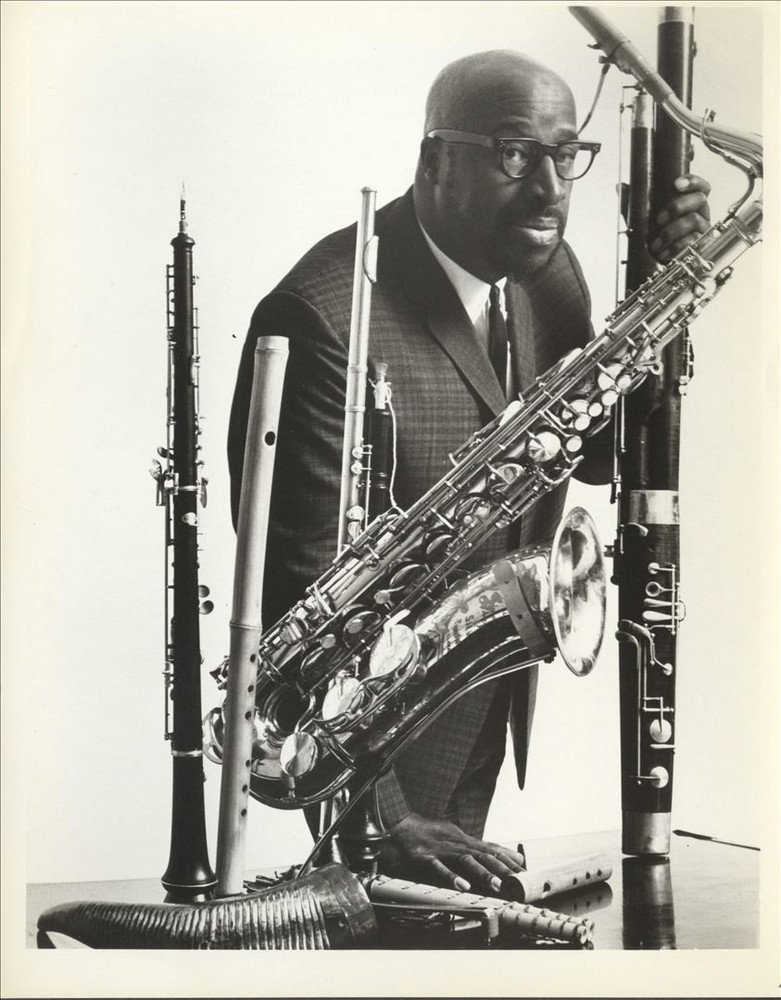
Yusef Lateef
Avant-Garde
Free Jazz
Hard Bop
3
/5
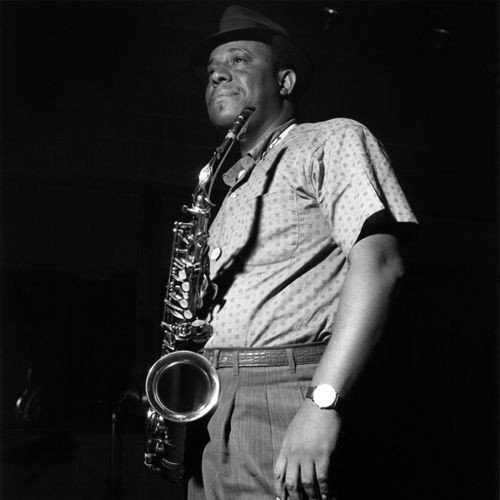
Lou Donaldson
Bebop
Cool Jazz
Hard Bop
3
/5
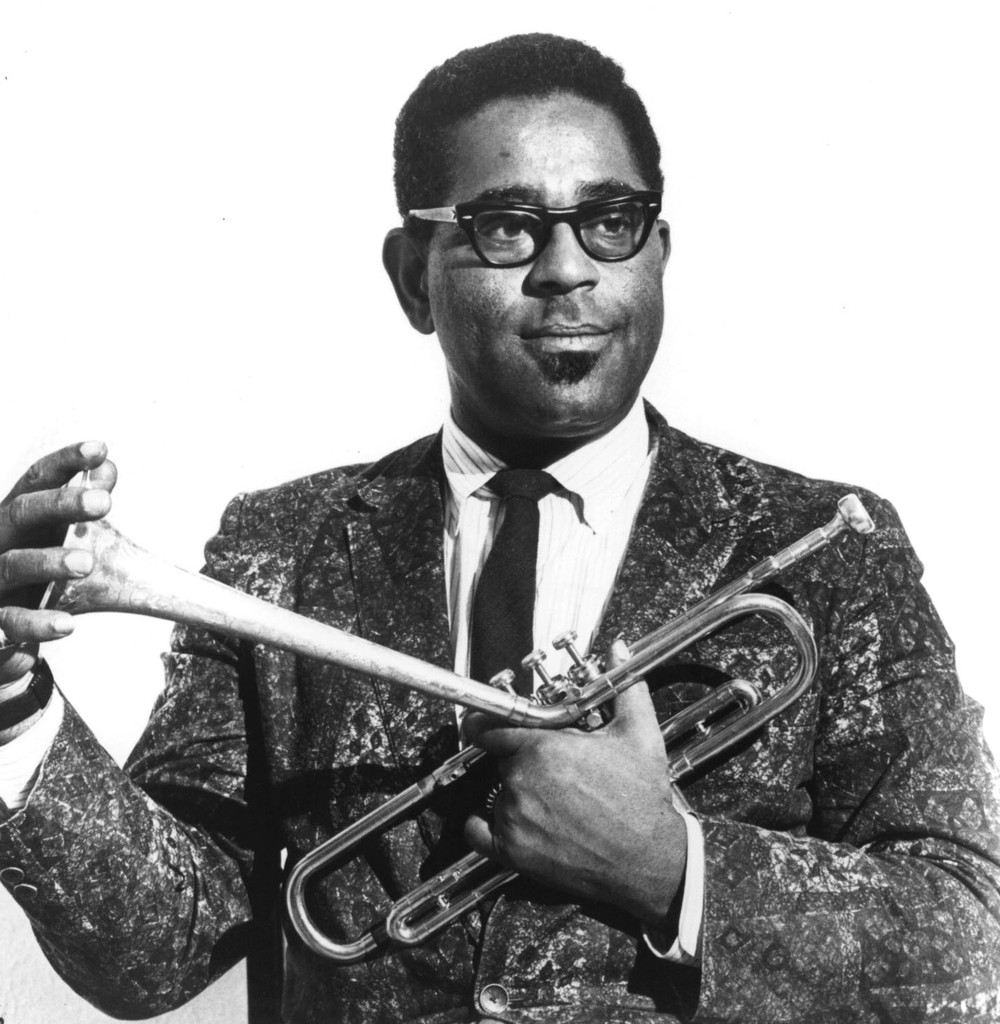
Dizzy Gillespie
Bebop
Big Band
Latin Jazz
3
/5
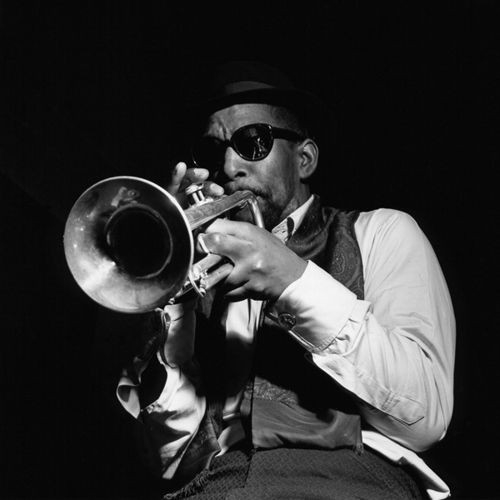
Kenny Dorham
Jazz Trumpet
Latin Jazz
Bebop
Download our mobile app
Get the Melodigging app and start digging for new genres on the go
Download on the App Store
Get it on Google Play
© 2026 Melodigging
Give feedback
Legal
Melodding was created as a tribute to
Every Noise at Once
, which inspired us to help curious minds keep digging into music's ever-evolving genres.