Genres
Artists
Albums
Make Music
Sign in
Sign in
Artists
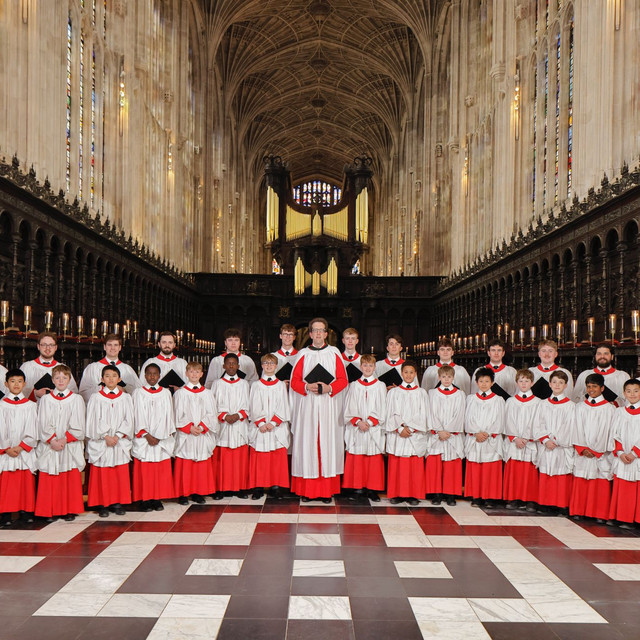
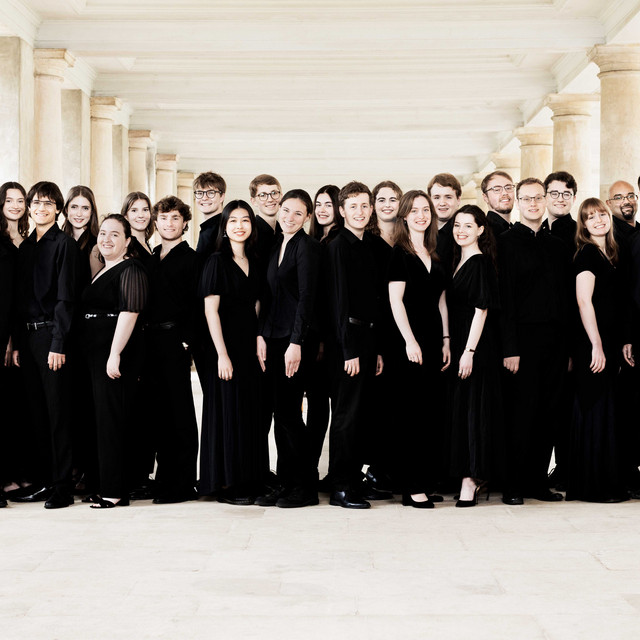
Cambridge Choir
Artists
Cambridge Choir
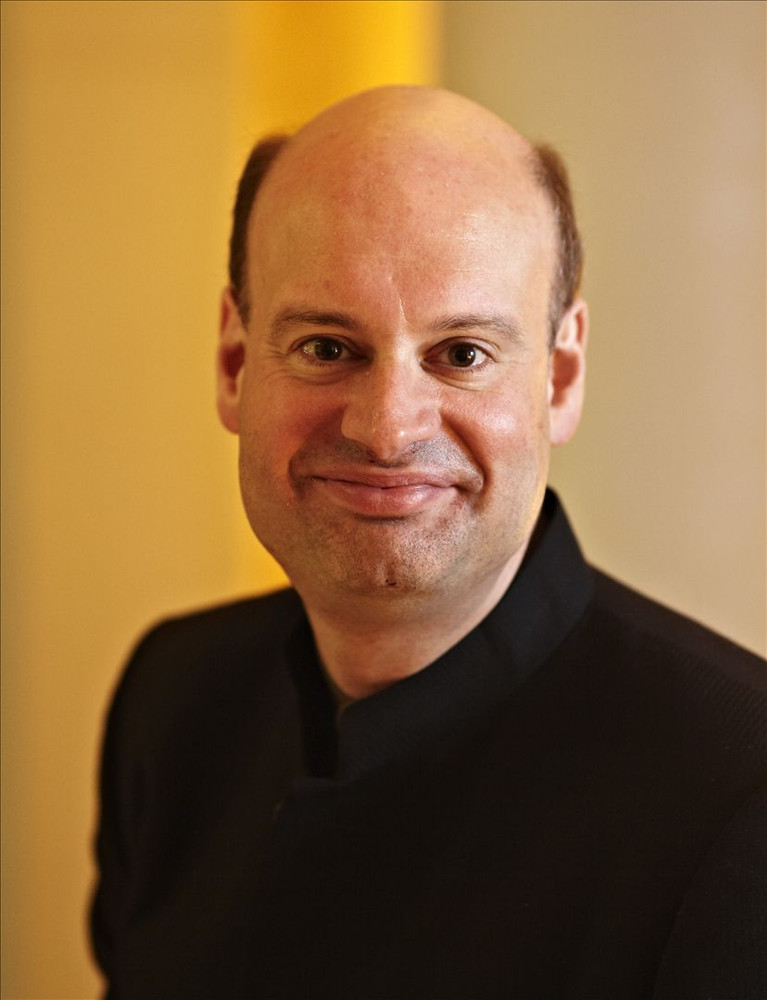
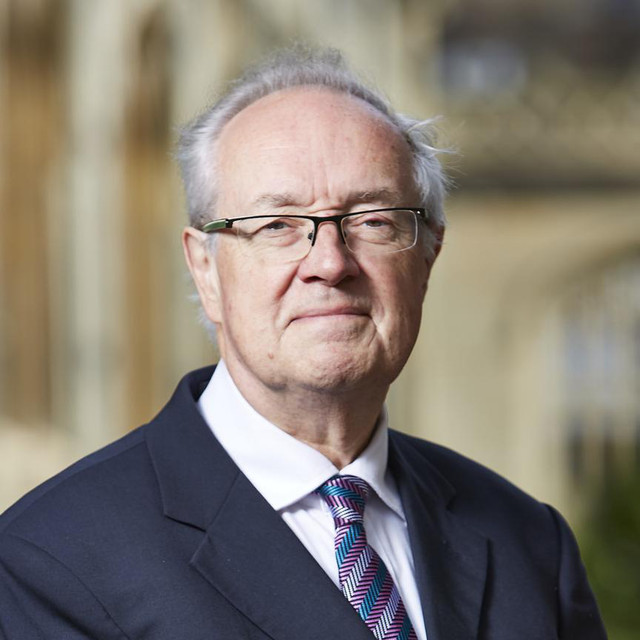
Stephen Layton
2005–2024
·
4 albums
Listen
3
/5
Genres
Contemporary Choir
Contemporary choir is the umbrella for late‑20th and 21st‑century choral music written for professional chamber choirs, advanced collegiate ensembles, and skilled community choirs. It favors clear textures, flexible tonality (from lush pandiatonicism to modal writing), and sonorities built from clustered, added‑tone, and suspended harmonies. While much of the repertoire is a cappella, contemporary choir frequently incorporates subtle percussion, drones, electronics, and orchestral or chamber accompaniments. Texts range from Latin liturgy and vernacular sacred poetry to modern literature and newly commissioned libretti. Extended techniques—overtone singing, whispering, body percussion, glissandi, and aleatoric "clouds"—coexist with traditional legato blend and pure intonation.
Discover
Listen
Anglican Liturgy
Anglican liturgy refers to the body of musical and textual worship practices associated with the Church of England and, by extension, the global Anglican Communion. Its musical language ranges from plainsong-like recitation (for psalms and prayers) to elaborate choral polyphony and organ-accompanied hymnody. Core forms include the Preces and Responses, settings of the canticles (Magnificat/Nunc dimittis; Te Deum/Jubilate), anthems, service settings for Holy Communion, and congregational hymns. The defining aesthetic combines English-language scriptural and prayer-book texts with a cathedral-choir sound—traditionally trebles and lower voices or mixed SATB—prioritizing clarity of text, balanced sonority, modal/diatonic harmony, and dignified, prayerful pacing.
Discover
Listen
Cambridge Choir
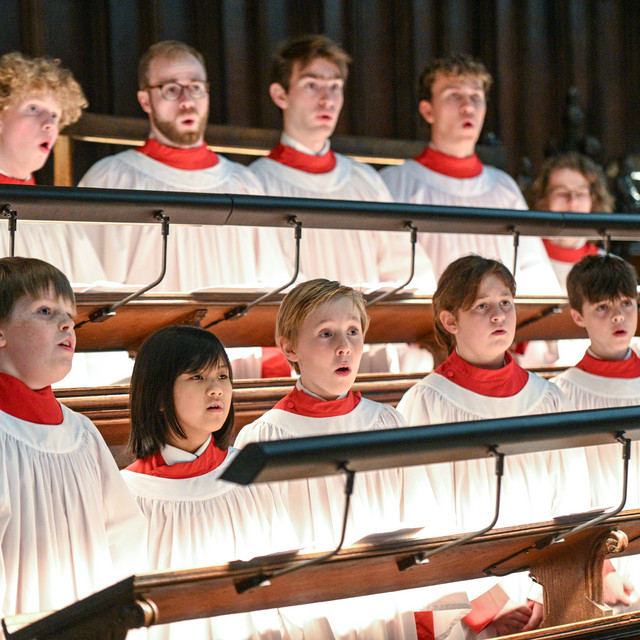
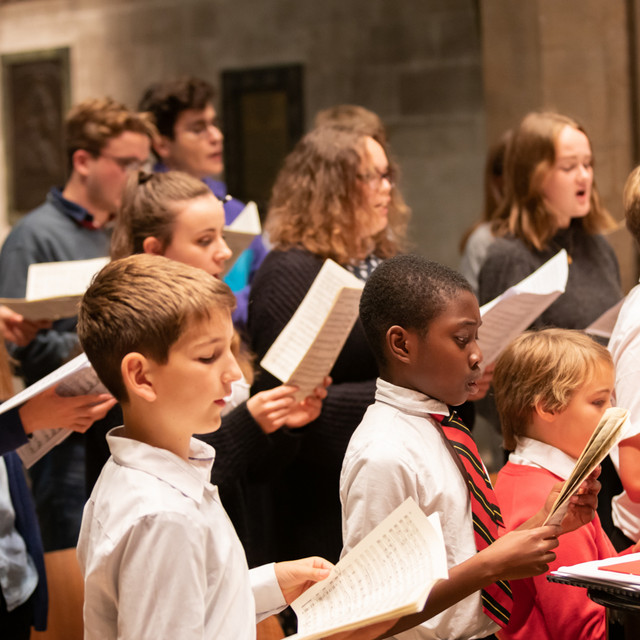
“Cambridge choir” refers to the collegiate chapel-choir tradition centered on the University of Cambridge, especially the choirs of King’s, St John’s, Trinity, Clare, and other colleges. It is characterized by an exceptionally blended choral sound; a clear, pure treble line (historically boys, now often mixed or girls’ choirs too); disciplined straight-tone singing with expressive but economical vibrato; immaculate tuning and diction; and a repertoire that runs from late-medieval and Renaissance polyphony through Anglican service music, Romantic and 20th‑century English choral works, to newly commissioned pieces. The sound-world is shaped by highly reverberant college chapels, refined organ accompaniment, and a liturgical performance context (especially Choral Evensong). The annual Festival of Nine Lessons and Carols at King’s College—broadcast worldwide—has made the Cambridge choral style synonymous with Christmas carol singing.
Discover
Listen
Classical
Classical music is the notated art-music tradition of Europe and its global descendants, characterized by durable forms, carefully codified harmony and counterpoint, and a literate score-based practice. The term “classical” can refer broadly to the entire Western art-music lineage from the Medieval era to today, not just the Classical period (c. 1750s–1820s). It privileges long-form structures (such as symphonies, sonatas, concertos, masses, and operas), functional or modal harmony, thematic development, and timbral nuance across ensembles ranging from solo instruments to full orchestras and choirs. Across centuries, the style evolved from chant and modal polyphony to tonal harmony, and later to post-tonal idioms, while maintaining a shared emphasis on written notation, performance practice, and craft.
Discover
Listen
Choral
Choral refers to music written for and performed by a choir—an ensemble of voices organized into sections such as soprano, alto, tenor, and bass (SATB), or same-voice groupings (SSA, TTBB). It encompasses both sacred and secular repertoire and may be sung a cappella or with accompaniment by organ, piano, or full orchestra. Stylistically, choral music ranges from chant-like monophony to intricate polyphony and rich homophonic textures. Texts are drawn from liturgy, scripture, poetry, and vernacular sources, and are set in many languages. Performance contexts include church services, concert halls, and community events, making choral one of the most socially embedded and widely practiced forms of ensemble music. Across history, choral music has served as a laboratory for vocal counterpoint, word painting, and text-driven form, while functioning as a cultural bridge among religious rites, national traditions, and contemporary concert practice.
Discover
Listen
Albums
2024
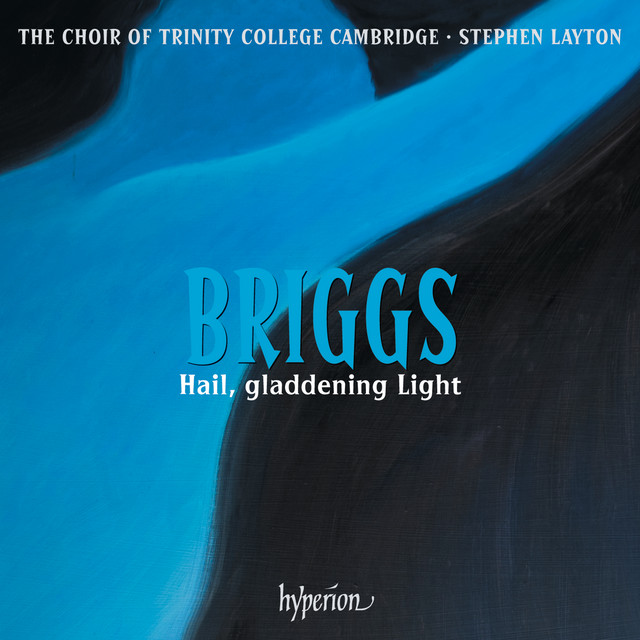
Briggs: Hail, gladdening Light & Other Works
David Briggs, The Choir Of Trinity College, Cambridge, Stephen Layton
Anglican Liturgy
2014
Karl Jenkins: Motets
Karl Jenkins, Polyphony, Stephen Layton
Cambridge Choir
2013
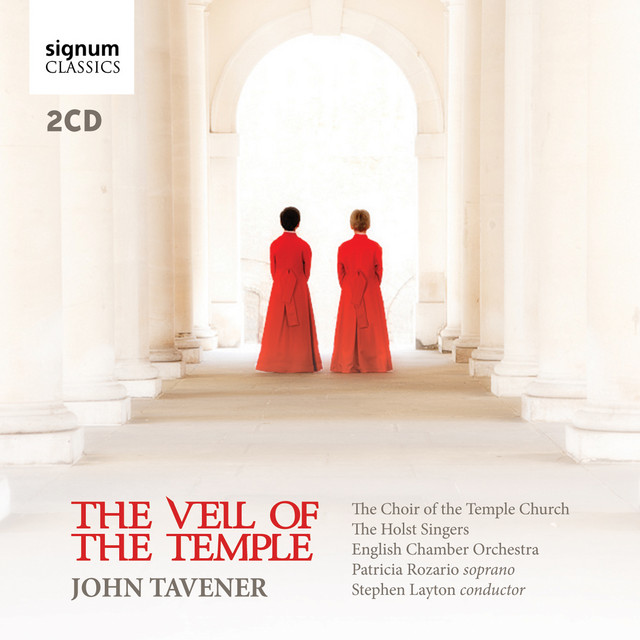
Tavener: The Veil of the Temple
John Tavener, The Temple Church Choir, Patricia Rozario, Holst Singers, Brass E…
Contemporary Choir
2005
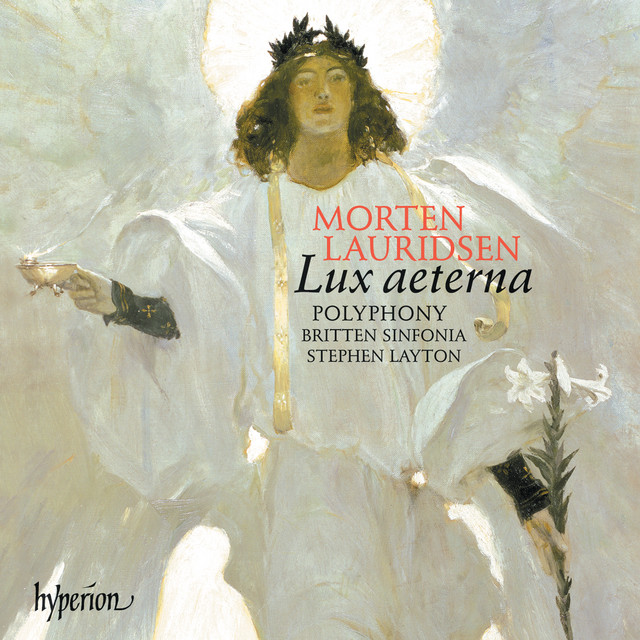
Lauridsen: O magnum mysterium, Lux aeterna, Ubi caritas & Other Choral Works
Morten Lauridsen, Polyphony, Britten Sinfonia, Stephen Layton
Cambridge Choir
Similar artists
3
/5
Stephen Cleobury
Requiem
Anglican Liturgy
Cambridge Choir
3
/5
Choir of King's College, Cambridge
Requiem
Anglican Liturgy
Cambridge Choir
2
/5
Choir of St. John's College, Cambridge
University Choir
Cambridge Choir
Choral
2
/5
Morten Lauridsen
Choral
Cambridge Choir
Chamber Choir
2
/5
Herbert Howells
Choral
Anglican Liturgy
Cambridge Choir
3
/5
The Choir Of Trinity College, Cambridge
Anglican Liturgy
Choral
Gregorian Chant
2
/5
Andrew Nethsingha
Choral
Anglican Liturgy
Cambridge Choir
2
/5
Choir of Jesus College, Cambridge
Choral
Hymns
Anglican Liturgy
4
/5
Karl Jenkins
Choral
Classical
Neoclassicism
3
/5
John Rutter
English Renaissance
Anglican Liturgy
Choral
Download our mobile app
Get the Melodigging app and start digging for new genres on the go
Download on the App Store
Get it on Google Play
© 2026 Melodigging
Give feedback
Legal
Melodding was created as a tribute to
Every Noise at Once
, which inspired us to help curious minds keep digging into music's ever-evolving genres.