Genres
Artists
Albums
Make Music
Sign in
Sign in
Artists
Yacht Rock
Artists
Yacht Rock
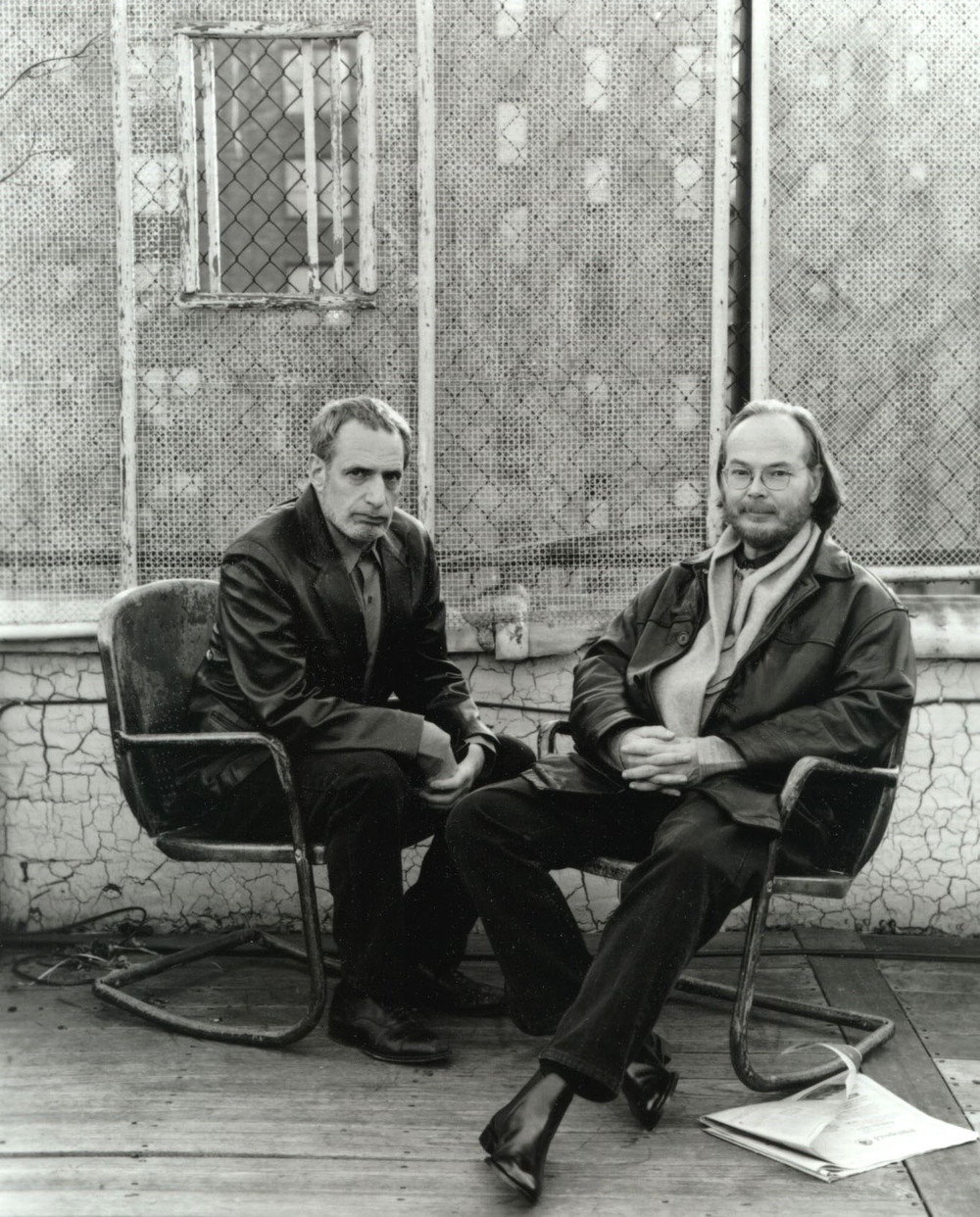
Steely Dan
1972–1980
·
9 albums
Listen
4
/5
Genres
Chill Pop
Chill pop is a contemporary pop micro‑genre that blends radio‑friendly songwriting with the mellow textures of chillout and lo‑fi aesthetics. It favors soft vocals, smooth synths, clean guitar plucks, understated bass, and relaxed, mid‑tempo grooves. Instead of big, bombastic hooks, chill pop tends toward intimate, conversational melodies and minimal, airy arrangements. Production often borrows from bedroom pop and alternative R&B—subtle trap hi‑hats, warm saturation, roomy reverbs, and gentle side‑chain compression—to create a breezy, pastel sound palette well suited to playlists and late‑night listening. Lyrically, chill pop is introspective and relatable: romance, longing, gentle optimism, and coming‑of‑age themes delivered in a plain‑spoken, whisper‑close tone. The result sits between indie pop’s understated cool and mainstream pop’s catchy structures, optimized for the streaming era’s mood‑driven consumption.
Discover
Listen
Indian Indie
Indian indie is the umbrella for independent, non-film music made in India across languages such as Hindi, English, and numerous regional tongues. It is defined more by its DIY production and artist-led release model than by a single sound. Musically, it spans indie pop and rock, folk-fusion, singer‑songwriter ballads, dream‑pop/shoegaze textures, and electronic‑leaning productions. Artists often blend Western harmony and song forms with raga‑tinged melodies, Indian rhythmic feels, and occasional use of traditional instruments like tabla, bansuri, or sitar. The scene grew rapidly with college festivals, small venues, and digital platforms (YouTube, streaming services, Bandcamp), plus boutique labels and festivals such as NH7 Weekender that created national visibility. Lyrically, it tends to be intimate and contemporary—touching on romance, urban life, identity, and nostalgia—while maintaining accessible hooks and warm, organic sonics.
Discover
Listen
Classify
Classify is a streaming-era microgenre that blends light classical technique with contemporary pop repertoire, typically presented as unobtrusive instrumental covers. It prioritizes soft dynamics, gentle tempos, and intimate recording to create a calm, elegant backdrop suitable for studying, working, or events. Most arrangements are for solo piano, string quartet, cello/piano duos, or small chamber ensembles. Harmonies remain diatonic and consonant, melodies are clearly voiced, and textures favor arpeggios, ostinati, and sustained legato lines. The overall aesthetic borrows from modern classical and new age moods while retaining the familiarity of pop song forms.
Discover
Listen
Flint Sound
Flint sound is a contemporary Michigan rap style centered in Flint, United States. It is characterized by fast, minimal, piano- or organ-led beats, dry and upfront vocals, and bar-by-bar “punch‑in” delivery that often rides slightly ahead of or behind the grid for a conversational, off‑kilter feel. The production typically favors bright piano loops, staccato 808 slides, crisp claps or rimshots, and sparse percussion, leaving plenty of space for relentless punchlines, gritty street reportage, and mischievous humor. While hard-edged and streetwise, the style frequently leans into charismatic personality and wit, making it both aggressive and infectious for dancing.
Discover
Listen
Soundclown
Soundclown is an internet-born remix and mashup style that thrives on comedic juxtaposition, bait‑and‑switch reveals, and hyper-referential sample collage. It blends pop hits, game and cartoon music, ad jingles, meme sounds, and viral speech into quick-cut audio gags. The genre developed across YouTube and SoundCloud, favoring shock humor, nostalgia, and absurdity over traditional song form. Hallmarks include sudden key/tempo whiplash, exaggerated pitch-shifts, ear‑rending “earrape” peaks, and punchline drops that transform a familiar source into something hilariously incongruent. Because it is fundamentally platform-native, soundclown is as much a memetic editing culture as a musical style. Its tracks often function like sonic shitposts: fast, punchy, and built for instant recognition and shareability.
Discover
Listen
Chill Guitar
Chill guitar is a streaming-era microgenre centered on mellow, spacious guitarwork framed by unobtrusive production. It favors clean or lightly saturated electric tones and intimate acoustic textures, arranged to sit comfortably in the background without losing musical interest. Tracks are typically short, loop-friendly instrumentals designed for studying, reading, or relaxing. The mood leans warm and reflective: motifs unfold slowly, effects like reverb and delay create soft ambience, and harmonic movement stays consonant and diatonic. While rooted in guitar performance, it borrows the pocket and sound design of downtempo and lo‑fi hip hop—often adding gentle percussion, vinyl hiss, or subtle field noise to craft a lived‑in, calming feel.
Discover
Listen
Modern Funk
Modern funk is a 21st‑century revitalization of late‑’70s/’80s boogie and electro‑funk aesthetics, filtered through contemporary R&B, hip‑hop production, and indie dance scenes. It emphasizes pocket‑tight grooves, syncopated basslines (often synth‑driven), crisp drum‑machine patterns, bright polyphonic synths, talkbox/vocoder leads, and clean, choppy rhythm guitar. Compared with classic funk, modern funk leans more on analog and early‑digital synth colors (Juno, Prophet, DX7, Moog), Linn/808/909‑style drums, glossy mixes, and ear‑candy arrangement details. Lyrically, it favors feel‑good party vibes, love themes, and everyday swagger, aiming for dancefloor immediacy with a retro‑futurist sheen.
Discover
Listen
Yacht Rock
Yacht rock is a polished, jazz-tinged strain of late-1970s and early-1980s soft rock characterized by sophisticated chord changes, silky vocal harmonies, immaculate studio production, and a smooth, midtempo groove. It blends elements of blue-eyed soul, R&B, jazz fusion, and pop rock, often featuring electric piano (Fender Rhodes), clean chorus-laden guitars, saxophone leads, and glossy backing vocals. Lyrically, it tends toward romantic longing, aspirational lifestyles, and breezy coastal imagery—all delivered with understated cool.
Discover
Listen
Classic Rock
Classic rock is a radio-defined umbrella for mainstream, guitar-centered rock music from the mid-1960s through the 1980s. It emphasizes blues-based riffs, memorable choruses, sturdy backbeats, and prominent guitar solos, often framed by warm, analog production. Rather than being a single stylistic branch, classic rock curates a canon that spans hard rock, blues rock, folk rock, psychedelic and progressive strains, and heartland- and country-tinged rock. Albums and album-oriented rock (AOR) values—extended tracks, conceptual cohesion, and musicianship—are central to its identity. The sound evokes tube-amp crunch, Hammond organs, stacked vocal harmonies, and anthemic songwriting designed for both FM radio and the concert arena.
Discover
Listen
Soft Rock
Soft rock is a mellow, melody-forward strain of rock and pop that favors smooth vocals, polished production, and restrained dynamics over distortion and aggression. Built on acoustic and clean electric guitars, piano or electric piano (Rhodes), light rhythm sections, and lush backing vocals or strings, the style centers on memorable hooks and sentimental themes. Its lyrics often explore love, heartbreak, nostalgia, and introspection, delivered with warmth and clarity. Tempos are moderate, grooves are unobtrusive, and harmonies are diatonic with tasteful color (maj7, add9) and occasional key changes. Commercially, soft rock flourished on AM radio and adult contemporary playlists in the 1970s and early 1980s, shaping the sound of radio-friendly ballads and influencing later styles like yacht rock and modern adult contemporary.
Discover
Listen
Album Rock
Album rock (often associated with the album‑oriented rock, or AOR, FM radio format) refers to rock music created and programmed with the album as the primary artistic unit rather than individual hit singles. Emerging on U.S. FM radio in the early 1970s, it spotlighted deeper album cuts, long-form tracks, and cohesive sequencing, drawing heavily from progressive, psychedelic, art, hard, blues, and folk rock. Musically, album rock favors full-band arrangements, extended solos, dynamic contrasts, and high-fidelity production intended for immersive, start-to-finish listening. While overlapping with “arena rock” and later “classic rock,” album rock is best understood as an album-centered approach and a radio culture that shaped how rock acts wrote, produced, and presented their music.
Discover
Listen
Mellow Gold
Mellow gold is a retro-tag used to describe the smooth, radio-friendly soft rock and singer‑songwriter pop that flourished in the 1970s and early 1980s. Characterized by warm analog production, gently strummed acoustic guitars, soft electric pianos (Rhodes/Wurlitzer), silky vocal harmonies, and unobtrusive rhythm sections, it favors mid‑tempo grooves, plush major‑7th chords, and emotionally reflective, often romantic lyrics. The term is widely used in digital curation (playlists, recommendation systems) to group the laid‑back, “AM radio” side of classic rock and pop—music that feels cozy, nostalgic, and effortlessly melodic.
Discover
Listen
Folk Rock
Folk rock is a fusion genre that blends the narrative lyricism, modal melodies, and acoustic timbres of traditional folk with the backbeat, amplification, and song structures of rock. It typically pairs acoustic or traditional instruments (acoustic guitar, mandolin, fiddle) with a rock rhythm section (electric guitar, bass, drums), often featuring chiming 12‑string guitar textures, close vocal harmonies, and socially conscious or storytelling lyrics. The result ranges from intimate, reflective ballads with a steady backbeat to more anthemic, roots‑driven rock. Emerging in the mid‑1960s through artists such as Bob Dylan and The Byrds, folk rock became a gateway for traditional and roots materials to enter mainstream popular music, and it seeded later movements from country rock and Americana to jangle pop and modern indie folk.
Discover
Listen
Jazz Rock
Jazz rock is a hybrid style that merges the improvisational language and harmonic richness of jazz with the amplified energy, backbeat, and song forms of rock. It typically features electric guitar, bass, and drums alongside jazz-oriented instruments such as saxophone, trumpet, and keyboards, often arranged in horn sections. Extended chords, syncopation, and improvisation coexist with catchy riffs and driving grooves, yielding music that is both virtuosic and accessible. While closely related to jazz fusion, jazz rock generally keeps a stronger tie to rock songcraft and backbeat-centered rhythms.
Discover
Listen
Pop Rock
Pop rock blends the hook-focused immediacy of pop with the instrumentation and drive of rock. It prioritizes catchy melodies, concise song structures, and polished production while retaining guitars, bass, and drums as core elements. Typical pop rock tracks use verse–pre-chorus–chorus forms, strong vocal harmonies, and memorable riffs. The sound ranges from jangly and bright to mildly overdriven and arena-ready, aiming for radio-friendly appeal without abandoning rock’s rhythmic punch.
Discover
Listen
Country Rock
Country rock is a hybrid of country music’s storytelling, twang, and acoustic textures with rock’s backbeat, amplification, and song structures. It typically features electric and acoustic guitars, pedal steel, close vocal harmonies, and a steady 4/4 groove, while lyrics focus on roads, small towns, heartbreak, and everyday American life. The sound ranges from jangly and rootsy to polished and radio-friendly, bridging bar-band energy with country elegance and shaping the template for later Americana and heartland styles.
Discover
Listen
Rock
Rock is a broad family of popular music centered on amplified instruments, a strong backbeat, and song forms that foreground riffs, choruses, and anthemic hooks. Emerging from mid‑20th‑century American styles like rhythm & blues, country, and gospel-inflected rock and roll, rock quickly expanded in scope—absorbing folk, blues, and psychedelic ideas—while shaping global youth culture. Core sonic markers include electric guitar (often overdriven), electric bass, drum kit emphasizing beats 2 and 4, and emotive lead vocals. Rock songs commonly use verse–chorus structures, blues-derived harmony, and memorable melodic motifs, ranging from intimate ballads to high‑energy, stadium‑sized performances.
Discover
Listen
Jazz Pop
Jazz pop blends the melodic immediacy and song structures of pop with the harmonic richness, phrasing, and instrumentation of jazz. Typical arrangements feature piano or guitar-led rhythm sections, upright or electric bass, light drum kits (often with brushes), and tasteful horns or strings. Harmonically it favors extended chords (maj7, 9ths, 13ths), ii–V–I cadences, and sophisticated substitutions, while rhythms range from gentle swing and bossa nova to straight pop backbeats. Vocals usually emphasize warm timbres, nuanced crooning, and elastic, behind-the-beat phrasing. The result is urbane, approachable music that keeps pop’s hooks and forms while carrying jazz’s color and elegance, making it a perennial crossover sound for radio, lounges, and contemporary singer‑songwriters.
Discover
Listen
Pop
Pop is a broad, hook-driven style of popular music designed for wide appeal. It emphasizes memorable melodies, concise song structures, polished vocals, and production intended for radio, charts, and mass media. While pop continually absorbs elements from other styles, its core remains singable choruses, accessible harmonies, and rhythmic clarity. Typical forms include verse–pre-chorus–chorus, frequent use of bridges and middle-eights, and ear-catching intros and outros. Pop is not defined by a single instrumentation. It flexibly incorporates acoustic and electric instruments, drum machines, synthesizers, and increasingly digital production techniques, always in service of the song and the hook.
Discover
Listen
Show all 19 genres
Albums
1980
4
/5
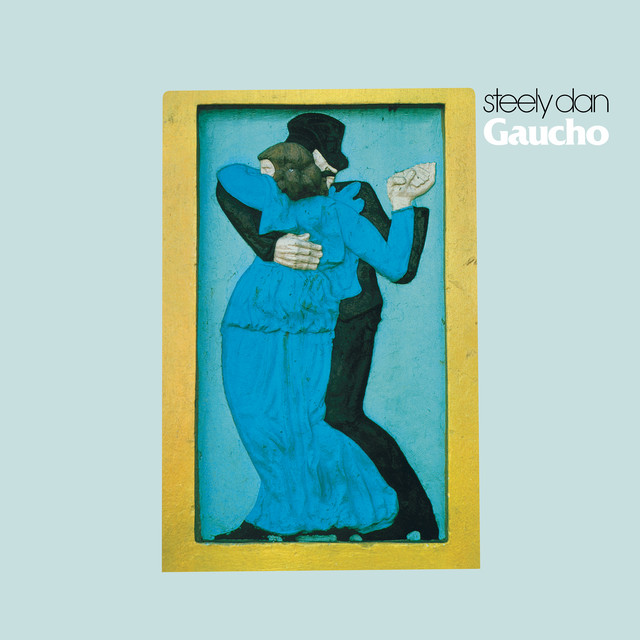
Gaucho
Steely Dan
Yacht Rock
Folk Rock
1980
1
/5
Gaucho
Steely Dan
Soft Rock
Jazz Rock
Pop Rock
1977
4
/5
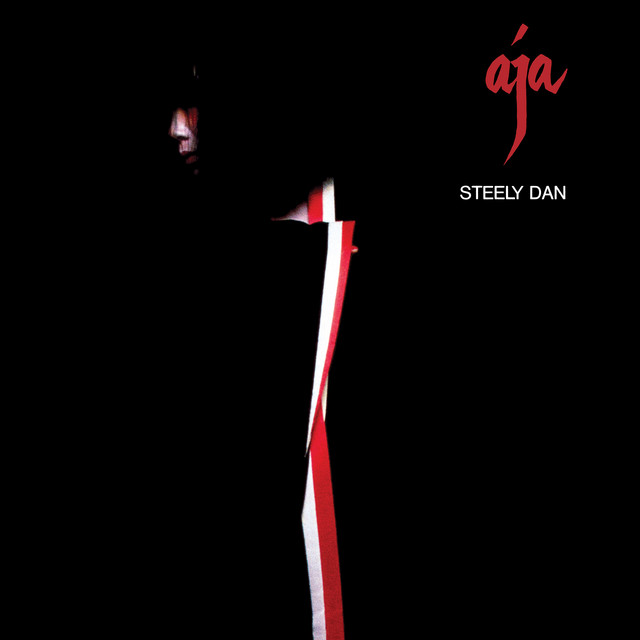
Aja
Steely Dan
Yacht Rock
Folk Rock
Pop Rock
1977
1
/5
Aja
Steely Dan
Jazz Rock
Soft Rock
Pop
1976
4
/5
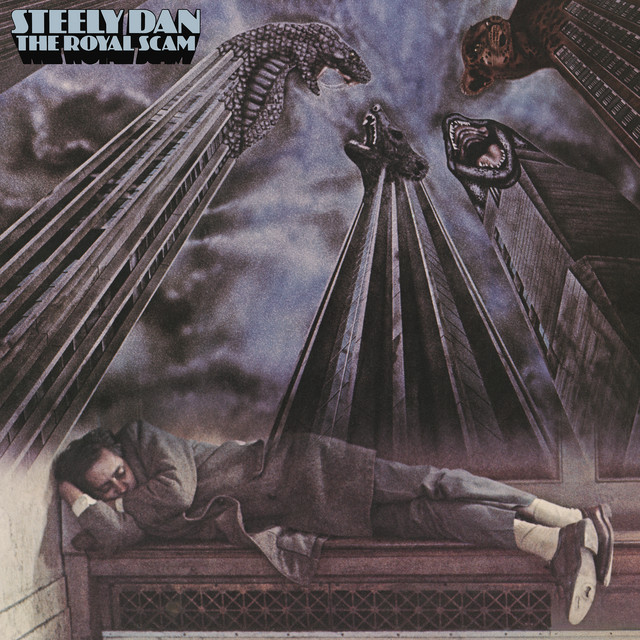
The Royal Scam (2025 Remaster)
Steely Dan
Yacht Rock
1976
1
/5
The Royal Scam
Steely Dan
Jazz Rock
1976
1
/5
The Royal Scam
Steely Dan
Pop Rock
Jazz Pop
Jazz Rock
1972
5
/5
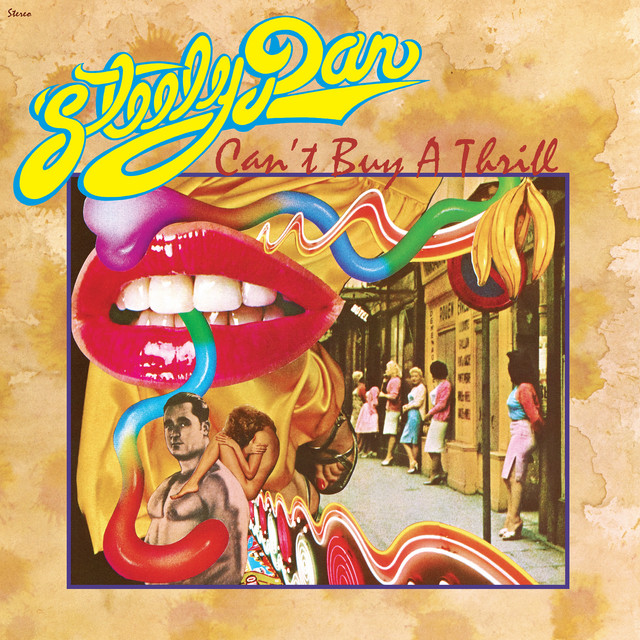
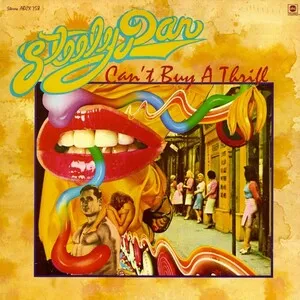
Can't Buy A Thrill
Steely Dan
Folk Rock
Yacht Rock
Album Rock
1972
1
/5
Can't Buy a Thrill
Steely Dan
Pop Rock
Jazz Rock
Rock
Similar artists
1
/5
Various Artists
Afro-Funk
Alternative Rock
Ambient
4
/5
Bruce Springsteen
Heartland Rock
Singer-Songwriter
Folk Rock
4
/5
Gerry Rafferty
Yacht Rock
Chill Pop
Indie Pop Rap
4
/5
Jackson Browne
Soft Rock
Rock
Boyfriend Country
5
/5
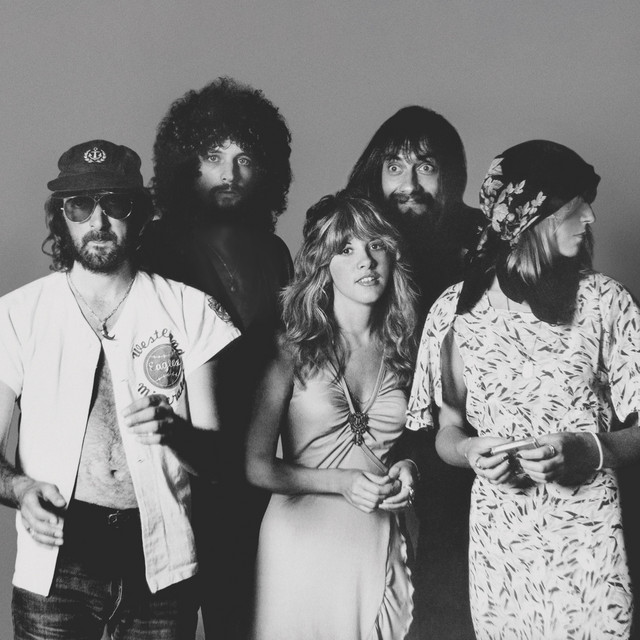
Fleetwood Mac
Rock
Soft Rock
Blues Rock
5
/5
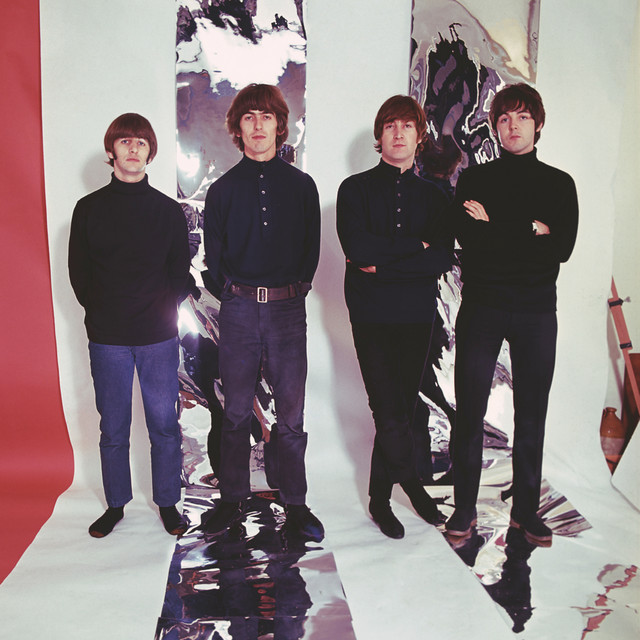
The Beatles
Merseybeat
Rock
Pop
4
/5
Eagles
Heartland Rock
Yacht Rock
Rock
4
/5
TOTO
Pop Rock
Rock
Yacht Rock
5
/5
David Bowie
Art Rock
Rock
Glam Rock
4
/5
The Doobie Brothers
Yacht Rock
Classic Rock
Soft Rock
Download our mobile app
Get the Melodigging app and start digging for new genres on the go
Download on the App Store
Get it on Google Play
© 2026 Melodigging
Give feedback
Legal
Melodding was created as a tribute to
Every Noise at Once
, which inspired us to help curious minds keep digging into music's ever-evolving genres.