Genres
Artists
Albums
Make Music
Sign in
Sign in
Artists
Ritual Ambient
Artists
Ritual Ambient
Spk
1984–2019
·
3 albums
Listen
2
/5
Genres
Ritual Ambient
Ritual ambient is a dark, immersive branch of ambient and post‑industrial music that evokes ceremony, trance, and archaic spirituality. It emphasizes slow‑moving drones, booming or shuffling hand‑percussion, low chants, gongs, bells, and found sounds that suggest sacred spaces. Rather than melody and harmony, it prioritizes atmosphere, texture, and spatial depth. Extended reverbs, cavernous low‑end, and cyclical, mantra‑like patterns create an inward, meditative tension that can feel simultaneously numinous and ominous.
Discover
Listen
Dark Ambient
Dark ambient is a post‑industrial subgenre that coalesced in the mid‑1980s, drawing primarily on ambient music but shifting its focus toward ominous, subterranean space and timbre. It is characterized by long, low‑frequency drones; dissonant or microtonal overtones; and an enveloping, gloomy or catacomb‑like atmosphere. While largely electronic (synthesizers, samplers, tape and digital processing), artists frequently incorporate field recordings, contact‑mic textures, bowed metal, gongs, and fragments of traditional instruments captured with semi‑acoustic techniques and then heavily processed. Melody and pulse are minimized; instead the music emphasizes immersive sound design, psychoacoustic detail, and slowly evolving textures that evoke dread, awe, and isolation.
Discover
Listen
Ebm
Electronic Body Music (EBM) is a post-industrial dance music style that fuses the stark textures and aesthetics of industrial and synth‑punk with propulsive, club‑ready rhythms. Built on sequenced, repetitive basslines, rigid 4/4 kick patterns, and clipped, military‑tight percussion, EBM favors mostly undistorted, barked or chanted vocals and confrontational, sometimes political or provocative themes. Its sound is physical and kinetic—designed for bodies on the dance floor—yet retains the minimalist, machine‑driven discipline of early industrial and new wave electronics.
Discover
Listen
Neoclassical Dark Wave
Neoclassical dark wave is a subgenre of dark wave that fuses the somber atmospheres of gothic-leaning post-punk with orchestral and early-music aesthetics. It favors minor-key harmonies, liturgical or poetic vocals, and dramatic, cinematic arrangements. Typical sound palettes include strings, choirs, piano, organ, and timpani alongside ambient textures and spacious reverbs. Tempos are often slow to moderate, with processional rhythms and modal writing (Aeolian, Dorian, Phrygian) that evoke medieval, Renaissance, or Baroque sensibilities. Vocals often sit in the “heavenly voices” tradition—ethereal sopranos or solemn baritones—singing in English, Latin, or other European languages. The result is music that feels sacred, melancholic, and epic, balancing intimate chamber music colors with vast, cathedral-like ambience.
Discover
Listen
Power Electronics
Power electronics is an extreme offshoot of industrial and noise music characterized by high-gain feedback, piercing oscillators, abrasive drones, and confrontational, often shouted or screamed vocal performances. The music typically rejects conventional rhythm, melody, and harmony, favoring raw, atonal textures sculpted with distortion, EQ, and dynamics. Lyrical content is deliberately transgressive—fixated on power, control, taboo, and violence—presented either as provocation, critique, or uncomfortable reportage. Performances are frequently intense and minimalist: a few analog synths or tone generators, a mixer pushed into clipping, a microphone, and a handful of pedals can fill the spectrum with searing noise. The aesthetic is stark, ascetic, and confrontational rather than dance-oriented, aligning it more with performance art than club culture.
Discover
Listen
Industrial
Industrial is an experimental electronic music tradition that uses abrasive timbres, mechanical rhythms, and transgressive aesthetics. Its sound palette often includes distorted drum machines, tape loops, metallic percussion, feedback, and found-object recordings alongside synthesizers and samplers. Emerging from late-1970s UK underground art and performance scenes, industrial foregrounds themes of dehumanization, technology, surveillance, and power. Releases frequently embrace anti-commercial presentation, stark graphic design, and confrontational performance art, treating the studio as a laboratory for sonic manipulation rather than a vehicle for conventional songcraft. While early industrial emphasized noise, tape processing, and avant-garde collage, later waves fused the style with dancefloor precision (EBM), rock and metal heft, and club-oriented production, giving rise to a broad post-industrial family that remains influential in experimental, electronic, and popular music.
Discover
Listen
Coldwave
Coldwave is a European post-punk offshoot characterized by icy, minimalist arrangements, prominent basslines, sparse drum machines, and a detached vocal delivery. Emerging first in France (and neighboring Belgium) in the late 1970s and peaking through the mid-1980s, it blends punk’s austerity with the synthetic textures of early analog keyboards and stark, minor-key guitar figures. The mood is melancholic and introspective—often sung in French or English—favoring rigid rhythms, chorus-drenched guitars, and compact songwriting that foregrounds atmosphere over virtuosity. Its "cold" aesthetic refers as much to the emotional temperature of the music as to the gray-toned production: dry snares, steely bass, and reverb used not for lushness but for distance.
Discover
Listen
Synth-Pop
Synth-pop is a pop-oriented style that foregrounds the synthesizer as its primary instrument, often paired with drum machines and sequencers. It favors clean, melodic hooks, concise song structures, and a sleek, modernist sound that ranges from cool and minimal to lush and romantic. Emerging at the turn of the 1980s from the UK new wave and post-punk scenes, synth-pop leveraged affordable analog and then digital keyboards to bring electronic textures into the mainstream. Its sonic palette includes arpeggiated basslines, shimmering pads, bright leads, gated or machine-driven drums, and polished vocals that convey both futuristic detachment and emotional immediacy.
Discover
Listen
Noise
Noise is an experimental music genre that uses non-traditional sound sources, distortion, feedback, and extreme dynamics as primary musical materials. Instead of emphasizing melody, harmony, or conventional rhythm, it focuses on texture, density, timbre, and the physical presence of sound. Practitioners sculpt saturated walls of sound, piercing feedback, metallic clatter, contact-mic scrapes, tape hiss, and electronic interference into works that can be confrontational or meditative. Performances often highlight process and immediacy—improvisation, body movement, and site-specific acoustics—while recordings can range from lo-fi cassette overload to meticulously layered studio constructions. Though rooted in early avant-garde ideas, the genre coalesced as a distinct practice in the late 1970s and 1980s, especially through Japan’s ‘Japanoise’ scene, and subsequently influenced numerous styles across industrial, punk-adjacent, and experimental electronic music.
Discover
Listen
Synth Punk
Synth punk is a raw, high‑energy fusion of punk’s velocity and attitude with the abrasive, synthetic timbres of analog keyboards, drum machines, and noise gear. Instead of guitar-driven riffs, synth punk typically foregrounds distorted monosynth bass lines, cheap combo organs, or primitive sequencers pounding out repetitive patterns at punk tempos. Vocals are often shouted, sneered, or delivered deadpan; lyrics skewer consumer culture, media saturation, technology, and urban alienation. Production values tend toward the minimal and DIY: overdriven inputs, tape saturation, room mics, and purposeful crudity. The result is a confrontational, mechanical churn—danceable yet hostile—that helped open a direct line between punk, early industrial, and later synth-oriented underground scenes.
Discover
Listen
Show all 10 genres
Albums
2019
2
/5
Zamia Lehmanni: Songs of Byzantine Flowers
SPK
Ritual Ambient
Neoclassical Dark Wave
Dark Ambient
1984
2
/5
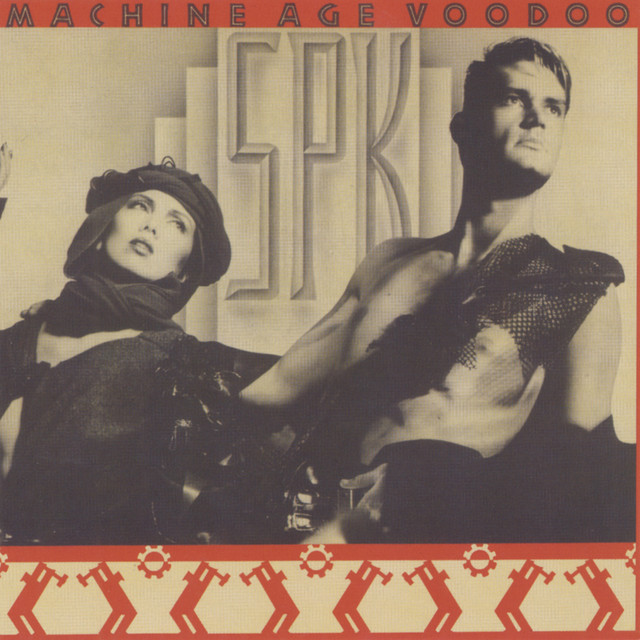
Machine Age Voodoo
Spk
Ritual Ambient
Power Electronics
Leichenschrei
SPK
Industrial
Similar artists
2
/5
The Ðevil & the Uñiverse
Coldwave
Dark Ambient
Dark Wave
1
/5
Snowbeasts
Coldwave
Dark Ambient
Dark Wave
3
/5
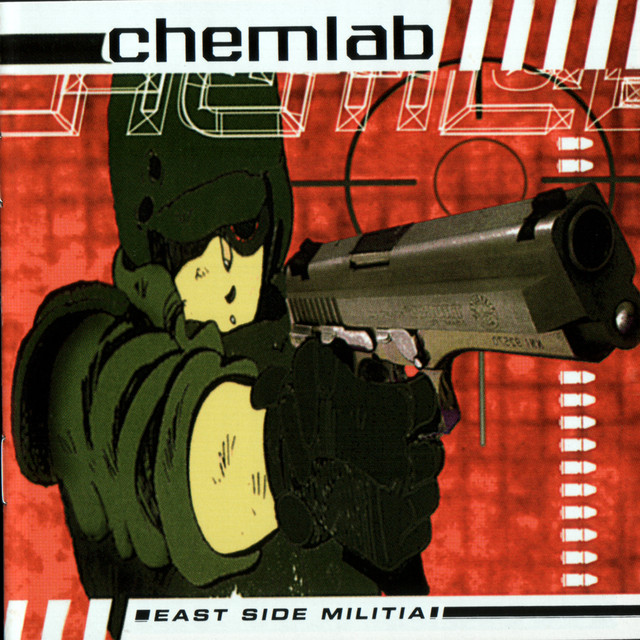
Chemlab
Electro-Industrial
Industrial
Coldwave
3
/5
Front 242
Ebm
Electro-Industrial
Industrial
2
/5
DAF
Old School Ebm
Ebm
Electronic
2
/5
Diary Of Dreams
Dark Wave
Industrial
Coldwave
2
/5
Cabaret Voltaire
Industrial
Acid House
Avant-Garde
2
/5
Portion Control
Industrial
Old School Ebm
Coldwave
1
/5
Controlled Bleeding
Industrial
Experimental
Power Electronics
2
/5
Current 93
Experimental
Neofolk
Industrial
Download our mobile app
Get the Melodigging app and start digging for new genres on the go
Download on the App Store
Get it on Google Play
© 2026 Melodigging
Give feedback
Legal
Melodding was created as a tribute to
Every Noise at Once
, which inspired us to help curious minds keep digging into music's ever-evolving genres.