Genres
Artists
Albums
Make Music
Sign in
Sign in
Artists
Swing
Artists
Swing
Spirits of Rhythm
2007–2009
·
2 albums
Listen
1
/5
Genres
Swing
Swing is a jazz style centered on a buoyant, danceable groove created by a walking bass, four-to-the-bar rhythm guitar, a backbeat emphasis on 2 and 4, and a lilted “swung” eighth-note feel. Typically performed by big bands (saxes, trumpets, trombones, and a rhythm section) as well as small combos, it balances written arrangements with improvised solos. Hallmarks include call-and-response between horn sections, riff-based melodies, shout choruses that build intensity near the end of an arrangement, and rich sectional voicings grounded in blues language and ii–V–I harmonic motion. Tempos range from medium to brisk, serving social dances like the Lindy Hop and Jitterbug. Swing’s expressive phrasing, dance-floor focus, and sophisticated arranging made it the dominant popular music of the late 1930s and early 1940s.
Discover
Listen
Vintage Swing
Vintage swing refers to the original, dance‑era swing recorded mainly during the 1930s and 1940s in the United States. It is characterized by a buoyant “swing” rhythmic feel (uneven, lilting eighths), strong four‑to‑the‑bar pulse, walking bass lines, and riff‑driven horn writing. Typical ensembles were big bands with sections of saxophones, trombones, trumpets, and a rhythm section of guitar (four‑to‑the‑bar), piano, double bass, and drums (hi‑hat on 2 and 4). The style balances tightly arranged call‑and‑response figures with spotlighted improvised solos. Vocals often draw on the blues, with scat singing and witty songcraft common. The “vintage” designation points to the sound of the period: monaural 78‑rpm recordings, ribbon mics, room‑forward balances, and lively ballrooms—music designed for social dance styles like the Lindy Hop and jitterbug.
Discover
Listen
Vocal Harmony Group
A vocal harmony group is an ensemble—typically three to five singers—whose defining “instrument” is multi‑part vocal harmony, often arranged in close or block voicings and presented either a cappella or with light accompaniment. Its lineage fuses late‑19th‑century barbershop part‑singing with the African American jubilee/gospel quartet tradition, and crystallizes in the 1930s–40s with popular groups that brought sophisticated blend and part‑writing to mainstream radio and records. Common musical markers include stacked triads and 7ths within an octave, a clearly profiled lead voice supported by tenor/alto/baritone/bass roles, call‑and‑response riffs, unison “pad” lines for blend, and (in doo‑wop derived settings) nonsense syllables functioning as rhythmic accompaniment. The style adapts flexibly across eras—from swing and traditional pop to doo‑wop, Motown soul, harmony‑rich rock, and contemporary a cappella.
Discover
Listen
Albums
2009
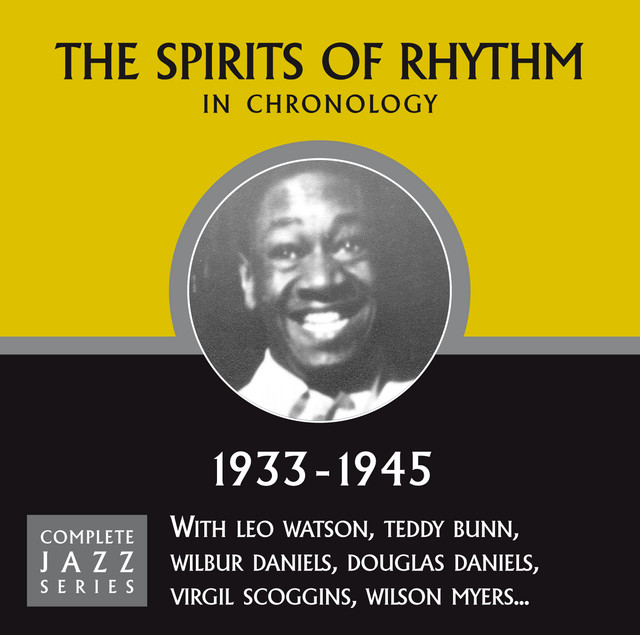
Complete Jazz Series 1933 - 1945
Spirits of Rhythm
Vintage Swing
2007
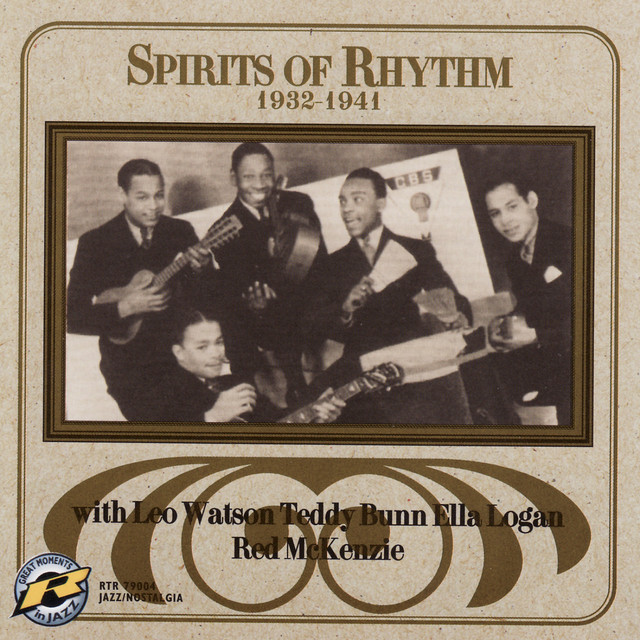
Spirits of Rhythm 1932-1941
Spirits of Rhythm
Vintage Swing
Vocal Harmony Group
Similar artists
1
/5
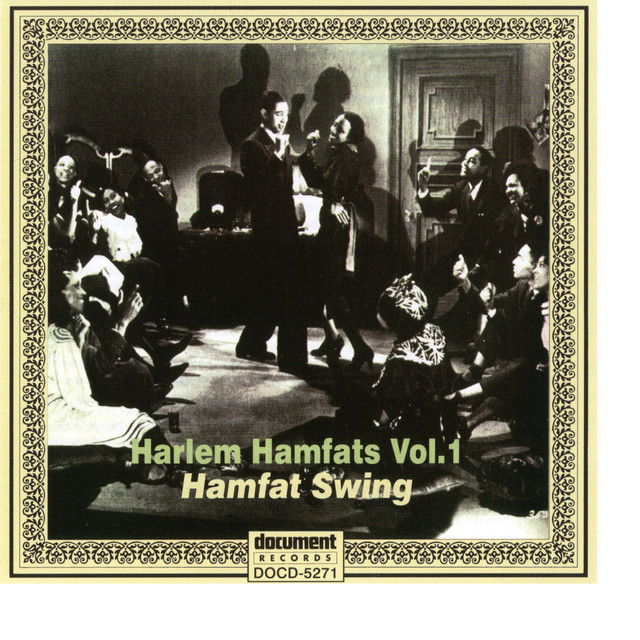
Harlem Hamfats
Vintage Swing
Electro Swing
Ragtime
3
/5
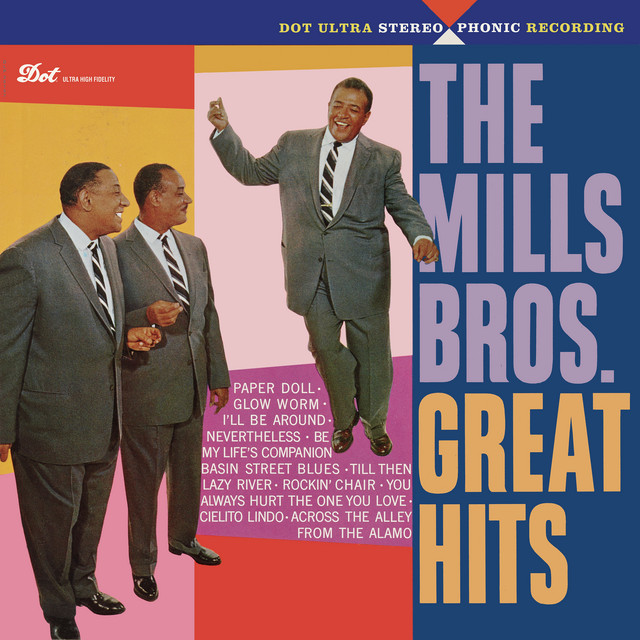
The Mills Brothers
Adult Standards
Big Band
Swing
2
/5
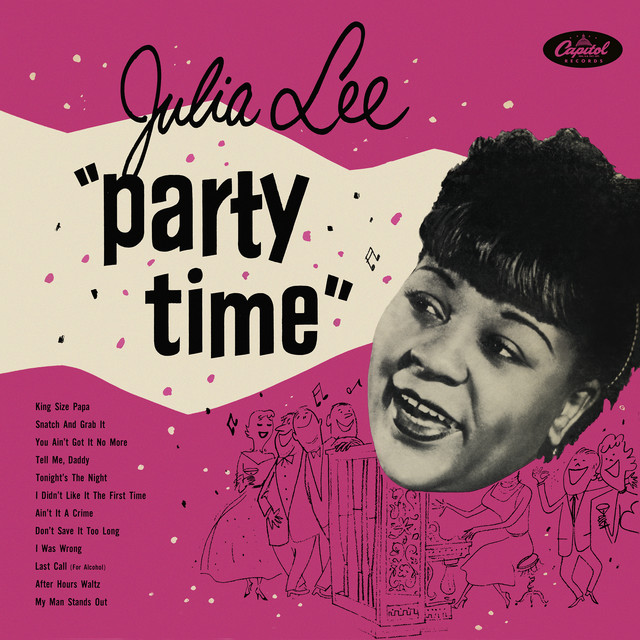
Julia Lee And Her Boyfriends
Boogie-Woogie
Swing
Vintage Swing
1
/5
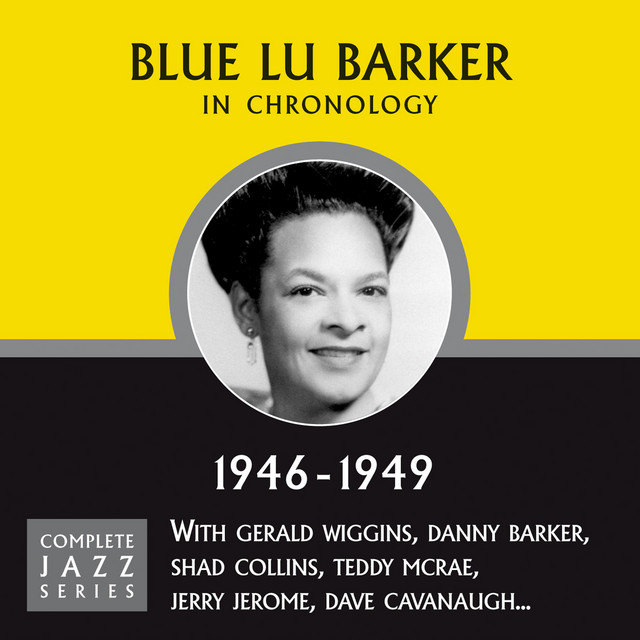
Blue Lu Barker
Blues
Swing
New Orleans Jazz
1
/5
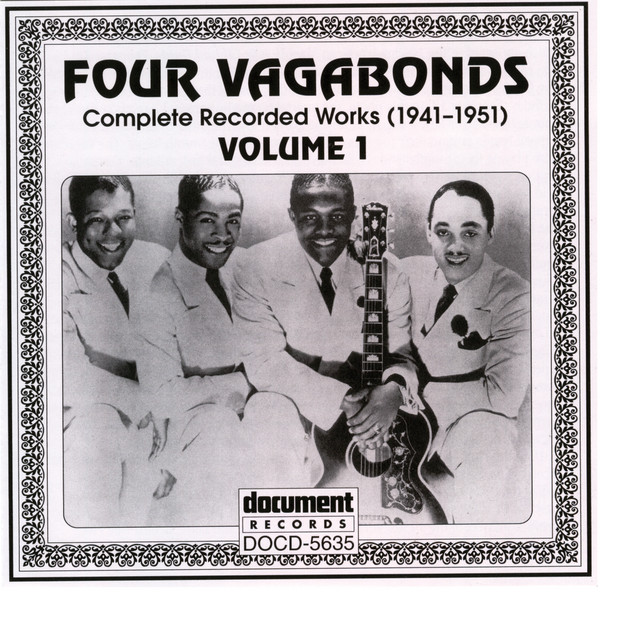
Four Vagabonds
Big Band
Swing
Vocal Harmony Group
1
/5
Andy Kirk & His Twelve Clouds Of Joy
Big Band
Swing
Vintage Swing
1
/5
The Cab Calloway Orchestra
Big Band
Ragtime
Swing
5
/5
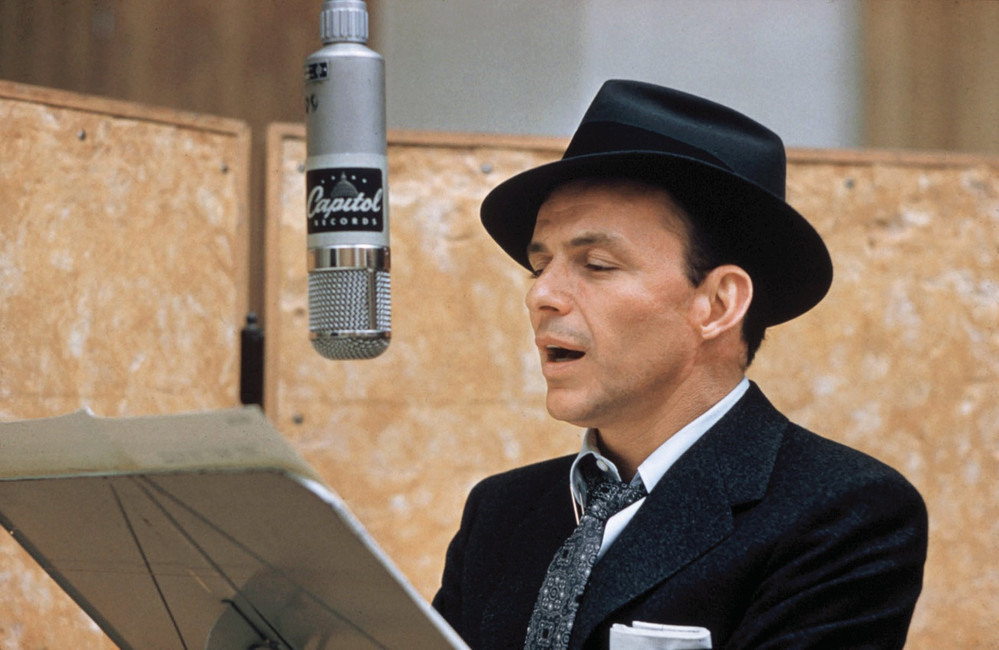
Frank Sinatra
Big Band
Jazz
Swing
4
/5
Louis Armstrong
Dixieland
Harlem Renaissance
Jazz Trumpet
4
/5
Nat King Cole
Swing
Jazz
Pop
Download our mobile app
Get the Melodigging app and start digging for new genres on the go
Download on the App Store
Get it on Google Play
© 2026 Melodigging
Give feedback
Legal
Melodding was created as a tribute to
Every Noise at Once
, which inspired us to help curious minds keep digging into music's ever-evolving genres.