Genres
Artists
Albums
Make Music
Sign in
Sign in
Artists
New England Emo
Artists
New England Emo
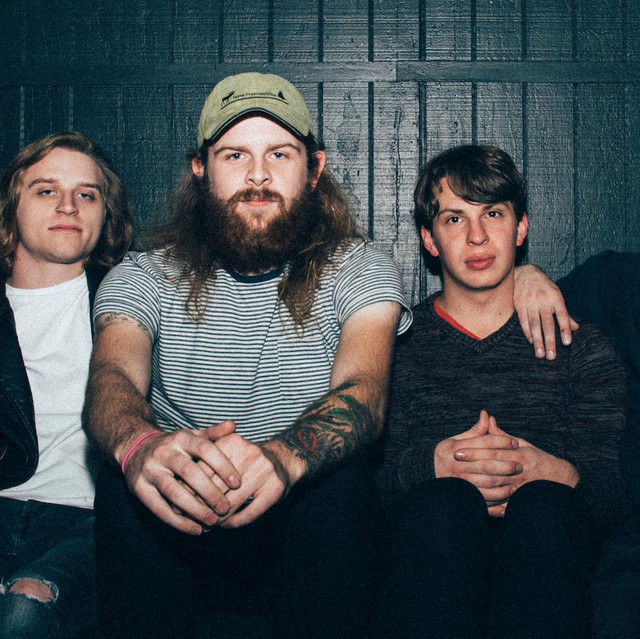
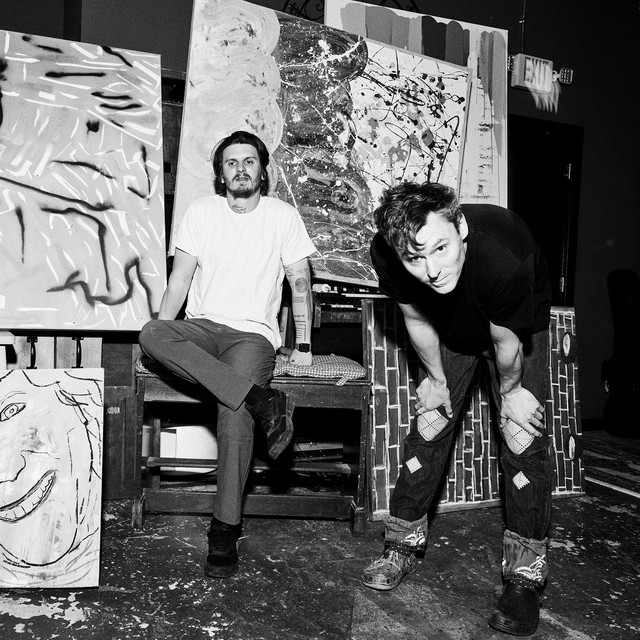
Sorority Noise
2014–2017
·
5 albums
Listen
3
/5
Genres
5th Wave Emo
5th wave emo is a 2020s, internet-native evolution of emo that fuses midwest emo’s twinkly guitars and confessional lyricism with hyperpop/digicore production tricks, glitchy sound design, and DIY bedroom aesthetics. It tends to juxtapose emotive guitars, punk-derived vocal intensity, and mathy accents with digital drums, breakcore fills, Auto-Tune, bitcrushed synths, and loud/soft jump cuts. The result feels both nostalgic and forward-looking—anxious, diaristic music that speaks to online adolescence, depersonalization, and identity in the algorithmic era.
Discover
Listen
Zoomergaze
Zoomergaze is a Gen Z, internet-native evolution of shoegaze that fuses the genre’s dense, guitar-washed textures with hyperpop/digicore maximalism and modern trap/emo-rap rhythm programming. It favors blown‑out saturation, brickwalled dynamics, digital clipping, and wide stereo fields, often pairing jet‑engine guitars with 808 subs, jittery hi‑hats, breakbeat flourishes, and intimate, lightly Auto‑Tuned vocals. The mood leans dreamy yet emotionally raw—nostalgic, melancholic, and diaristic—delivered through DIY production that thrives on Bandcamp, SoundCloud, and TikTok discovery. Where classic shoegaze hid the singer in the mix, Zoomergaze keeps the voice present and personal, weaving confessional hooks into shimmering noise and glitchy, internet-era sound design.
Discover
Listen
New England Emo
New England emo is a regional strand of the 2010s emo revival centered around college towns and DIY spaces in Massachusetts, Connecticut, New Hampshire, Rhode Island, Vermont, and Maine. It blends twinkly, interlocking guitar lines and melodic bass with confessional, place-rooted lyricism and dynamic swings from hushed vulnerability to cathartic shout‑along climaxes. Sonically it draws from Midwest emo’s clean guitar arpeggios and odd-meter playfulness, the urgency of post‑hardcore and screamo, and the tuneful directness of pop‑punk and indie rock. Characteristically recorded on modest budgets in houses, basements, and small studios, the scene’s records foreground immediacy over gloss, emphasizing room sound, gang vocals, and a lived-in sense of geography and community.
Discover
Listen
Emo Revival
Emo revival is a 2010s resurgence of the melodic, introspective strain of 1990s and early-2000s emo, updated with indie-rock and math-rock sensibilities. It emphasizes twinkly, interlocking clean guitars, confessional and diaristic lyrics, dynamic quiet‑loud arrangements, and a DIY ethos rooted in house shows, small labels, and online communities. Compared with 2000s mainstream emo-pop, the revival leans closer to Midwest emo and indie aesthetics—often cleaner in tone, more rhythmically intricate, and less polished, while remaining hooky and emotionally direct.
Discover
Listen
Diy Emo
DIY emo is a grassroots, home-recorded and community-driven branch of contemporary emo that blends twinkly Midwest-emo guitar work, confessional lyricism, and pop-punk urgency with a distinctly lo‑fi, self-produced aesthetic. It foregrounds the ethics of the do‑it‑yourself underground: basement shows, tape or Bandcamp releases, collective touring, and a preference for intimacy over polish. Sonically, it leans on clean, chiming guitars, melodic basslines, dynamic drumming, and unvarnished vocals that veer from soft-spoken to cathartic sing-alongs. Rather than chasing radio gloss, DIY emo embraces rawness and vulnerability—often capturing the feel of a crowded living room show—while channeling themes of friendship, mental health, hometowns, and the bittersweet transitions of early adulthood.
Discover
Listen
Alternative Emo
Alternative emo is a 2010s evolution of emo that blends the confessional lyricism and guitar-driven dynamics of classic and midwest emo with the melodic immediacy of alternative rock and indie pop. It tends to favor warm, jangly or lightly overdriven guitars, twinkly riffing, and roomy drums, pairing them with intimate, conversational vocals. Hooks are often pop-leaning, but the songs retain emo’s narrative focus on vulnerability, mental health, friendships, and the everyday details of growing up and drifting apart. Production spans from lo‑fi, bedroom-made recordings to polished studio work, but even at its glossiest, alternative emo usually preserves a lived-in, DIY feel—favoring dynamics, clean tones, and lyrical specificity over spectacle.
Discover
Listen
Grungegaze
Grungegaze is a hybrid of 1990s grunge’s gritty, riff‑forward heaviness and shoegaze’s hazy, reverb‑soaked atmosphere. It pairs thick, down‑tuned guitars and a muscular rhythm section with smeared walls of delay, chorus, and fuzz, letting chords bloom into clouds of overtones. Vocals are often breathy, melancholic, and mixed low—more another texture than a focal hook—while songs pivot between quiet, foggy verses and explosive, saturated crescendos. The result is music that feels simultaneously weighty and weightless: emotionally raw like grunge, yet dreamy and enveloping like shoegaze.
Discover
Listen
Connecticut Indie
Connecticut indie is a regional strain of U.S. indie rock that blends the heartfelt directness of emo-revival with the fuzzy guitars, DIY ethics, and adventurous textures of New England’s underground. Rooted in college-town and small-city scenes (Middletown, New Haven, Willimantic, Hartford), the sound swings between twinkly, lyrically confessional indie and louder, shoegaze- or noise-tinged guitar rock. You’ll hear gang-vocal catharsis, transparent production that favors live-room energy, and occasional orchestral or synth flourishes that reflect the area’s art-school and experimental leanings. While it is geographically defined, the micro-scene’s bands networked nationally through house shows, small labels, and online communities, making Connecticut indie both locally grounded and widely connected.
Discover
Listen
Small Room
Small room is a contemporary micro‑genre that sits near bedroom pop and intimate indie folk, defined by hushed, close‑miked vocals, minimal arrangements, and soft dynamics. Its recordings emphasize the natural, dry sound of a single space—often literally a small room—creating an intimate, confessional atmosphere. Typical instrumentations include gentle acoustic or clean electric guitar, soft piano, understated electronic drums, and airy pads or lo‑fi textures. Tempos are moderate to slow, harmonic movement is simple and diatonic, and lyrics focus on introspection, relationships, and everyday detail. The overall aesthetic privileges understatement, warmth, and proximity, as if the artist were singing a private demo directly to the listener.
Discover
Listen
Midwest Emo
Midwest emo is a regionally rooted branch of emo that emerged in the American Midwest during the 1990s. It is distinguished by clean, interlocking "twinkly" guitar lines, melodic bass counterpoint, and dynamic, often understated drumming. The style blends the confessional lyricism and DIY ethos of emo with the delicacy and clarity of indie rock, plus the rhythmic and harmonic playfulness of math rock. Vocals tend to be intimate and conversational, while arrangements favor open guitar voicings (add9/sus2), arpeggios, and intricate two‑guitar interplay over high‑gain distortion. While associated with college towns and basement shows, Midwest emo’s influence has spread widely, shaping subsequent waves of emo and inspiring cross‑genre borrowing from indie rock to emo rap.
Discover
Listen
Emo
Emo is a rock subgenre that emerged from the mid-1980s Washington, D.C. hardcore punk scene as “emotional hardcore” (often shortened to emocore). It retains punk’s urgency but foregrounds confessional, vulnerable lyrics and dramatic dynamic shifts. Across its eras, emo has encompassed several distinct sounds: the intense, cathartic D.C. style; the melodic, guitar‑intricate “Midwest emo” of the 1990s; and the 2000s mainstream wave that blended emo’s lyrical candor with pop‑punk hooks (often called “emo pop”). Common musical traits include intertwining clean and overdriven guitars, intricate arpeggios and counter‑melodies, elastic song structures, and vocals that range from intimate murmurs to raw, impassioned shouts.
Discover
Listen
Folk Punk
Folk punk fuses the raw speed, attitude, and DIY ethos of punk with the acoustic instruments, storytelling, and melodic traditions of folk. It often features shouted sing‑alongs, gang vocals, and energetic strumming alongside fiddles, accordions, banjos, and acoustic guitars. Lyrically, the genre ranges from personal confessionals and working‑class narratives to pointed political critique and anti‑establishment themes. Production can be intentionally rough or lo‑fi, reflecting its busking roots and community‑first approach to performance.
Discover
Listen
Indie Punk
Indie punk blends the urgency and economy of punk with the tunefulness, introspection, and DIY aesthetics of indie rock. Songs are short, hook-driven, and guitar-forward, but they typically privilege wit, heart, and personality over virtuosity or gloss. Production is often raw or deliberately lo‑fi, guitars are overdriven rather than hyper‑distorted, and vocals lean toward shout‑sung sincerity. Compared with pop punk, indie punk tends to be less polished and more lyrically nuanced; compared with classic indie rock, it is faster, louder, and more kinetic while retaining melodic focus and a strong DIY ethos.
Discover
Listen
Pop Punk
Pop punk blends the speed and attitude of punk rock with the melody, hooks, and songcraft of pop. It features bright, concise songs driven by crunchy power-chord guitars, punchy drums, and catchy vocal lines that often favor gang shouts and harmonies. Lyrically, pop punk tends to focus on adolescence, relationships, boredom, suburbia, and self-deprecating humor, delivered with a mix of earnestness and wit. Production ranges from raw and DIY to radio-ready polish, but the core is always immediacy: big choruses, tight structures, and energetic performances.
Discover
Listen
Punk
Punk is a fast, abrasive, and minimalist form of rock music built around short songs, stripped-down instrumentation, and confrontational, anti-establishment lyrics. It emphasizes DIY ethics, raw energy, and immediacy over virtuosity, often featuring distorted guitars, shouted or sneered vocals, and simple, catchy melodies. Typical songs run 1–3 minutes, sit around 140–200 BPM, use power chords and basic progressions (often I–IV–V), and favor live, unpolished production. Beyond sound, punk is a cultural movement encompassing zines, independent labels, political activism, and a fashion vocabulary of ripped clothes, leather, and safety pins.
Discover
Listen
Rock
Rock is a broad family of popular music centered on amplified instruments, a strong backbeat, and song forms that foreground riffs, choruses, and anthemic hooks. Emerging from mid‑20th‑century American styles like rhythm & blues, country, and gospel-inflected rock and roll, rock quickly expanded in scope—absorbing folk, blues, and psychedelic ideas—while shaping global youth culture. Core sonic markers include electric guitar (often overdriven), electric bass, drum kit emphasizing beats 2 and 4, and emotive lead vocals. Rock songs commonly use verse–chorus structures, blues-derived harmony, and memorable melodic motifs, ranging from intimate ballads to high‑energy, stadium‑sized performances.
Discover
Listen
Pop
Pop is a broad, hook-driven style of popular music designed for wide appeal. It emphasizes memorable melodies, concise song structures, polished vocals, and production intended for radio, charts, and mass media. While pop continually absorbs elements from other styles, its core remains singable choruses, accessible harmonies, and rhythmic clarity. Typical forms include verse–pre-chorus–chorus, frequent use of bridges and middle-eights, and ear-catching intros and outros. Pop is not defined by a single instrumentation. It flexibly incorporates acoustic and electric instruments, drum machines, synthesizers, and increasingly digital production techniques, always in service of the song and the hook.
Discover
Listen
Show all 17 genres
Albums
2017
3
/5
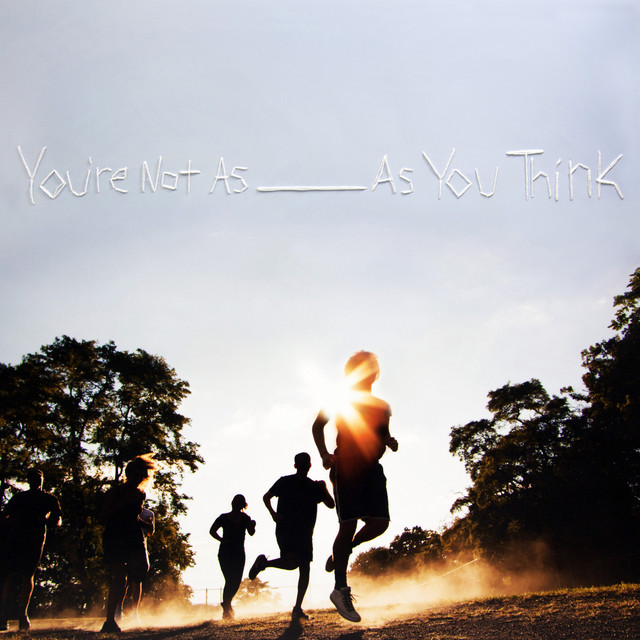
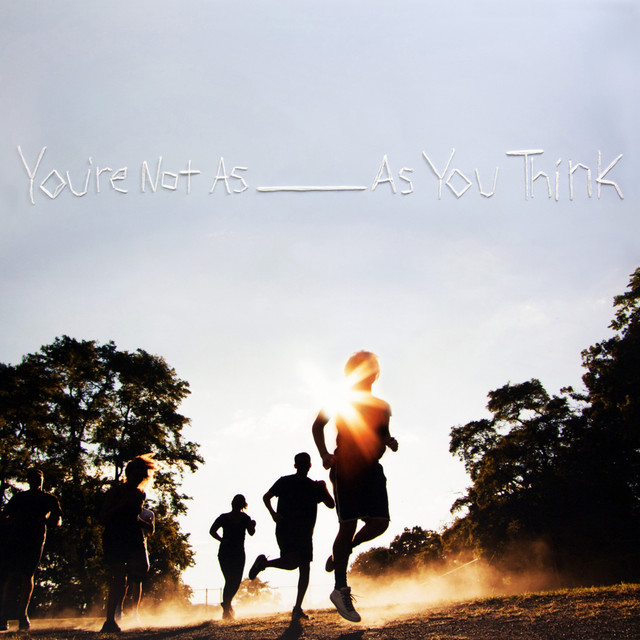
You're Not as _____ as You Think
Sorority Noise
New England Emo
Emo
Pop Punk
2017
2
/5
You're Not as _____ as You Think
Sorority Noise
New England Emo
Emo
Pop Punk
2016
2
/5
Either Way
Sorority Noise
New England Emo
2015
3
/5
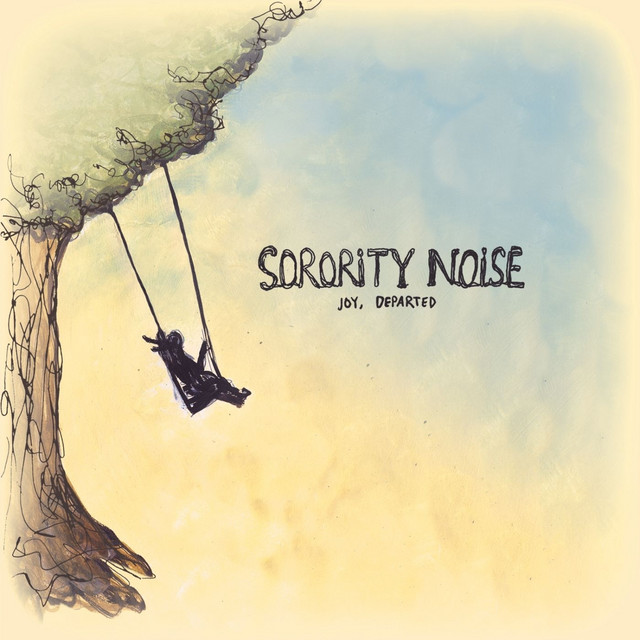
Joy, Departed
Sorority Noise
New England Emo
Pop
Punk
2014
3
/5
Forgettable
Sorority Noise
New England Emo
Similar artists
4
/5
The Front Bottoms
New Jersey Indie
Folk Punk
Midwest Emo
4
/5
Modern Baseball
Math Rock
Folk Punk
Midwest Emo
4
/5
McCafferty
Folk Punk
Alternative Emo
Midwest Emo
3
/5
Four Year Strong
Easycore
New England Emo
Pop Punk
4
/5
Title Fight
Spacegrunge
Melodic Hardcore
Grungegaze
3
/5
La Dispute
Emo
Spoken Word
Post-Hardcore
3
/5
The Get Up Kids
Emo
Pop Punk
Indie Rock
2
/5
The World Is A Beautiful Place & I Am No Longer Afraid To Die
New England Emo
Emo Revival
Metalcore
2
/5
Brave Little Abacus
Emo
Math Rock
Lo-Fi Emo
3
/5
American Football
Emo
Midwest Emo
Math Rock
Download our mobile app
Get the Melodigging app and start digging for new genres on the go
Download on the App Store
Get it on Google Play
© 2026 Melodigging
Give feedback
Legal
Melodding was created as a tribute to
Every Noise at Once
, which inspired us to help curious minds keep digging into music's ever-evolving genres.