Genres
Artists
Albums
Make Music
Sign in
Sign in
Artists
Emo
Artists
Emo
La Dispute
2011–2025
·
11 albums
Listen
3
/5
Genres
Zoomergaze
Zoomergaze is a Gen Z, internet-native evolution of shoegaze that fuses the genre’s dense, guitar-washed textures with hyperpop/digicore maximalism and modern trap/emo-rap rhythm programming. It favors blown‑out saturation, brickwalled dynamics, digital clipping, and wide stereo fields, often pairing jet‑engine guitars with 808 subs, jittery hi‑hats, breakbeat flourishes, and intimate, lightly Auto‑Tuned vocals. The mood leans dreamy yet emotionally raw—nostalgic, melancholic, and diaristic—delivered through DIY production that thrives on Bandcamp, SoundCloud, and TikTok discovery. Where classic shoegaze hid the singer in the mix, Zoomergaze keeps the voice present and personal, weaving confessional hooks into shimmering noise and glitchy, internet-era sound design.
Discover
Listen
The Wave
The Wave is a loosely defined cluster of American post-hardcore/emo bands that surged in the early 2010s as emo-pop’s mainstream moment faded. The name was a tongue‑in‑cheek scene tag that stuck in press coverage, but it points to a real overlap in sound, ethos, and touring networks. Musically, The Wave fuses the urgency of 1990s post‑hardcore and screamo with confessional, literate lyric writing associated with emo. Expect shouted or half‑sung/half‑spoken vocals, dynamic quiet‑loud builds, intricate but driving drums, and guitar textures that shift between glassy clean arpeggios and overdriven, emotive climaxes. The songs often emphasize catharsis, narrative detail, and community-minded DIY presentation.
Discover
Listen
Alternative Emo
Alternative emo is a 2010s evolution of emo that blends the confessional lyricism and guitar-driven dynamics of classic and midwest emo with the melodic immediacy of alternative rock and indie pop. It tends to favor warm, jangly or lightly overdriven guitars, twinkly riffing, and roomy drums, pairing them with intimate, conversational vocals. Hooks are often pop-leaning, but the songs retain emo’s narrative focus on vulnerability, mental health, friendships, and the everyday details of growing up and drifting apart. Production spans from lo‑fi, bedroom-made recordings to polished studio work, but even at its glossiest, alternative emo usually preserves a lived-in, DIY feel—favoring dynamics, clean tones, and lyrical specificity over spectacle.
Discover
Listen
Emo Revival
Emo revival is a 2010s resurgence of the melodic, introspective strain of 1990s and early-2000s emo, updated with indie-rock and math-rock sensibilities. It emphasizes twinkly, interlocking clean guitars, confessional and diaristic lyrics, dynamic quiet‑loud arrangements, and a DIY ethos rooted in house shows, small labels, and online communities. Compared with 2000s mainstream emo-pop, the revival leans closer to Midwest emo and indie aesthetics—often cleaner in tone, more rhythmically intricate, and less polished, while remaining hooky and emotionally direct.
Discover
Listen
Gaian Doom
Gaian doom is a doom-metal offshoot that fuses the genre’s glacial tempos and colossal low-end with eco-spiritual themes, nature soundscapes, and droning textures. It often foregrounds the relationship between humanity and the biosphere, evoking forests, mountains, oceans, and cycles of decay and renewal. Musically, it draws from drone and post-metal’s long-form crescendos, sludge’s weight, and dark ambient’s textural depth. Field recordings (wind, water, birds, rain) and acoustic timbres (hand percussion, bowed instruments, harmonium) are layered around downtuned riffs to create a ritual, earth-centric atmosphere. Lyrics tend to be mythopoetic, animist, or ecological, emphasizing Gaia as a living, interdependent system.
Discover
Listen
Post-Screamo
Post-screamo is a modern, studio-savvy offshoot of screamo that blends the genre’s emotive harsh vocals with sleek, pop-leaning hooks and polished, post-hardcore/metalcore instrumentation. Compared with classic screamo, it favors dynamic “scream-and-sing” song forms, EDM/electronic textures, and breakdowns with djent-tinged guitar tones. Clean choruses, cinematic builds, and glossy production sit alongside cathartic screams, creating a style that is equal parts heavy release and radio-ready melodicism.
Discover
Listen
Swancore
Swancore is a bright, technical offshoot of post-hardcore marked by intricate, funk-tinged guitar work, elastic grooves, and the interplay of soaring clean vocals with harsher screams. Named after guitarist Will Swan (Dance Gavin Dance), the style emphasizes tight, syncopated riffing, frequent tapping, and jazz-fusion flourishes wrapped in catchy, pop-forward hooks. Arrangements pivot rapidly between aggressive bursts and sleek melodic passages. The harmony often ventures beyond basic triads to include extensions, mode mixture, and chromatic voice-leading, while drums favor ghost-note heavy, linear patterns and occasional odd-meter turns. Despite the complexity, Swancore typically retains an upbeat, glossy production aesthetic that highlights clarity, agility, and rhythmic snap.
Discover
Listen
New England Emo
New England emo is a regional strand of the 2010s emo revival centered around college towns and DIY spaces in Massachusetts, Connecticut, New Hampshire, Rhode Island, Vermont, and Maine. It blends twinkly, interlocking guitar lines and melodic bass with confessional, place-rooted lyricism and dynamic swings from hushed vulnerability to cathartic shout‑along climaxes. Sonically it draws from Midwest emo’s clean guitar arpeggios and odd-meter playfulness, the urgency of post‑hardcore and screamo, and the tuneful directness of pop‑punk and indie rock. Characteristically recorded on modest budgets in houses, basements, and small studios, the scene’s records foreground immediacy over gloss, emphasizing room sound, gang vocals, and a lived-in sense of geography and community.
Discover
Listen
Post-Post-Hardcore
Post-post-hardcore is a polished, third-wave offshoot of post-hardcore that crystallized in the 2010s. It fuses the genre’s emotive, dynamic vocals and tension-release structures with modern pop hooks, electronic programming, and metalcore heft. Compared with classic post-hardcore, it favors glossy production, radio-leaning choruses, and hybridized textures—think syncopated djent-lite riffs under bright synths, EDM-style risers and drops, half-time breakdowns, and call-and-response vocals (screamed versus soaring cleans). The result is an accessible yet intense sound that thrives in the internet era of playlists, YouTube covers, and scene cross-pollination.
Discover
Listen
Progressive Deathcore
Progressive deathcore is a fusion of deathcore’s crushing heaviness and breakdown-centric aggression with the adventurous songcraft, technicality, and textural breadth of progressive metal. Hallmarks include extended-range guitars (7–9 strings) in very low tunings, polymetric “djent”-leaning grooves, rapid meter changes, and long-form structures that move well beyond verse/chorus. You’ll hear a blend of palm‑muted syncopation, angular technical riffs, sweeping leads, and atmospheric keyboards or orchestration that add space between punishing passages. Vocals typically alternate between low growls, layered screams, and occasional clean passages; production is tight, modern, and punchy. Lyrically, the style often departs from deathcore’s horror tropes to explore sci‑fi, philosophy, cosmic imagery, and introspective themes, matching the music’s expansive, cinematic scope.
Discover
Listen
Blackened Screamo
Blackened screamo is a hybrid of skramz-era screamo and second‑wave black metal aesthetics. It blends the genre’s raw, emotionally charged vocals and desperate dynamic surges with tremolo‑picked guitar figures, blast beats, and an enveloping, cold atmosphere. Typical songs pivot between blistering speed and mournful, reverb‑drenched expanses. The harmony favors minor keys, dissonant clusters, and chromatic movement, while production often embraces intentional abrasion—lo‑fi edges, room bleed, and cavernous ambience—to intensify the sense of urgency and bleakness. Lyrically, blackened screamo carries screamo’s confessional, existential, and socially critical core, but frames it with black metal’s desolate, sometimes apocalyptic tone. The result is a cathartic, high‑intensity style that feels both immediate and vast.
Discover
Listen
Post-Rock
Post-rock is a style that uses traditional rock instrumentation—guitars, bass, drums, and often piano or strings—to create expansive textures, evolving soundscapes, and dynamic arcs rather than conventional verse–chorus songs. It emphasizes timbre, atmosphere, and gradual development: clean or lightly overdriven guitars drenched in delay and reverb, cyclical ostinatos, layered crescendos, and pronounced quiet–loud dynamics. Vocals, if present, are often sparse, wordless, or treated as another textural layer. The genre draws heavily from ambient, minimalism, krautrock, progressive and space rock, shoegaze, noise rock, and experimental practices, yielding music that can feel cinematic, contemplative, and emotionally cathartic.
Discover
Listen
Midwest Emo
Midwest emo is a regionally rooted branch of emo that emerged in the American Midwest during the 1990s. It is distinguished by clean, interlocking "twinkly" guitar lines, melodic bass counterpoint, and dynamic, often understated drumming. The style blends the confessional lyricism and DIY ethos of emo with the delicacy and clarity of indie rock, plus the rhythmic and harmonic playfulness of math rock. Vocals tend to be intimate and conversational, while arrangements favor open guitar voicings (add9/sus2), arpeggios, and intricate two‑guitar interplay over high‑gain distortion. While associated with college towns and basement shows, Midwest emo’s influence has spread widely, shaping subsequent waves of emo and inspiring cross‑genre borrowing from indie rock to emo rap.
Discover
Listen
Screamo
Screamo is an emotionally charged offshoot of emo and hardcore punk characterized by cathartic, screamed vocals, dynamic extremes, and a blend of melody with discordance. Songs often move rapidly between fragile, clean passages and explosive, chaotic climaxes, emphasizing tension-and-release. Guitars favor octave runs, tremolo-picked melodies, and dissonant chord voicings, while drums switch from driving d-beats to blast beats and spacious half-time drops. Lyrics are typically confessional, poetic, and socially aware, delivered with a visceral intensity that foregrounds vulnerability and urgency. Early recordings embraced raw, DIY production and intimate, basement-show energy; later waves incorporated post-rock atmospherics and more expansive songwriting.
Discover
Listen
Emo
Emo is a rock subgenre that emerged from the mid-1980s Washington, D.C. hardcore punk scene as “emotional hardcore” (often shortened to emocore). It retains punk’s urgency but foregrounds confessional, vulnerable lyrics and dramatic dynamic shifts. Across its eras, emo has encompassed several distinct sounds: the intense, cathartic D.C. style; the melodic, guitar‑intricate “Midwest emo” of the 1990s; and the 2000s mainstream wave that blended emo’s lyrical candor with pop‑punk hooks (often called “emo pop”). Common musical traits include intertwining clean and overdriven guitars, intricate arpeggios and counter‑melodies, elastic song structures, and vocals that range from intimate murmurs to raw, impassioned shouts.
Discover
Listen
Post-Hardcore
Post-hardcore is a branch of hardcore punk that retains the style’s urgency and DIY ethos while expanding its musical vocabulary. Bands push beyond breakneck tempos and simple power-chord progressions into more dynamic song structures, varied rhythms, and a wider emotional range. Guitars often alternate between caustic distortion and clean, chiming textures; vocals can shift from shouted slogans to melodic singing; and arrangements emphasize tension-and-release, odd meters, and dramatic builds. Lyrically, post-hardcore tends to be more introspective and socially conscious than its hardcore roots, touching on personal, political, and philosophical themes.
Discover
Listen
Melodic Hardcore
Melodic hardcore is a subgenre of hardcore punk that fuses the speed, urgency, and ethics of hardcore with tuneful guitar writing and anthemic vocal lines. It retains the genre’s high-energy drumming, shouted delivery, and communal “gang vocals,” but foregrounds memorable melodies, octave leads, and minor-key harmonies. Compared to pop punk, melodic hardcore is generally harsher in tone, faster in tempo, and more lyrically introspective, often addressing personal struggle, perseverance, community, and social conscience. It sits between classic hardcore’s rawness and post-hardcore’s dynamics, offering emotionally charged songs that still hit with punk immediacy.
Discover
Listen
Indie Rock
Indie rock is a subgenre of rock and a branch of alternative rock that coalesced in the early–mid 1980s around independent labels and DIY practices in the United Kingdom, the United States, and New Zealand. Defined less by a single sound than by an ethos, indie rock favors non‑mainstream approaches, self‑recording and small‑label distribution, and an interest in pop‑informed melody and eclectic experimentation. Hallmarks include jangly or fuzzed guitars, intimate or deadpan vocals, off‑kilter song structures, and production that often preserves a raw, “authentic” feel rather than glossy studio polish.
Discover
Listen
Post-Punk
Post-punk is a broadly experimental strain of rock that emerged in the late 1970s as artists sought to push beyond the speed, simplicity, and orthodoxy of first-wave punk. It typically features angular, bass-forward grooves; jagged or minimal guitar lines; stark, spacious production; and an openness to dub, funk, electronic, and avant-garde ideas. Lyrics often examine alienation, urban decay, politics, and the inner life with artful or abstract delivery. A studio-as-instrument approach, emphasis on rhythm section interplay, and an appetite for non-rock textures (tape effects, drum machines, found sound, synths) distinguish the style. The result can be danceable yet tense, cerebral yet visceral, and emotionally restrained yet intensely expressive.
Discover
Listen
Art Rock
Art rock is a branch of rock music that treats the studio and the album as spaces for artistic experimentation, emphasizing conceptual ideas, ambitious arrangements, and cross-pollination with modernist and avant-garde traditions. It typically favors extended song forms, thematic or conceptual unity, and non-standard instrumentation (strings, woodwinds, synthesizers) alongside rock’s core band setup. Lyrically, it leans toward literary, surreal, or philosophical subjects and often adopts theatrical presentation. Where mainstream rock centers on immediacy and hooks, art rock embraces risk: unusual time signatures, timbral exploration, complex harmony, tape and electronic manipulation, and interludes that draw from classical, jazz, minimalism, and experimental music.
Discover
Listen
Progressive Rock
Progressive rock is a rock subgenre that expands the genre’s formal, harmonic, and conceptual boundaries. It favors long-form compositions, intricate arrangements, and virtuosic musicianship, often drawing on Western classical, jazz, folk, and psychedelic idioms. Typical hallmarks include multi-part suites, shifting time signatures, extended instrumental passages, recurring motifs, and concept albums that present unified themes or narratives. The sound palette commonly features electric guitar, bass, and drums alongside an array of keyboards (Hammond organ, Mellotron, Moog/ARP synthesizers, piano), woodwinds or brass, and occasional orchestral additions. Lyrics often explore science fiction, mythology, philosophy, social commentary, and introspective themes.
Discover
Listen
Spoken Word
Spoken word is a performance-centered genre where text—poems, monologues, stories, or manifestos—is delivered aloud with musicality in voice rather than through singing. It may be entirely a cappella or accompanied by sparse instrumentation (often jazz combos, ambient textures, or minimal electronics) that frames the cadence and rhetoric of the performer. The emphasis is on language: prosody, pacing, imagery, and argument. Pieces often explore personal narratives, social critique, and political themes, drawing on techniques such as internal rhyme, alliteration, and repetition. While recordings exist, the tradition is fundamentally live, prioritizing immediacy, audience engagement, and oratorical presence.
Discover
Listen
Rock
Rock is a broad family of popular music centered on amplified instruments, a strong backbeat, and song forms that foreground riffs, choruses, and anthemic hooks. Emerging from mid‑20th‑century American styles like rhythm & blues, country, and gospel-inflected rock and roll, rock quickly expanded in scope—absorbing folk, blues, and psychedelic ideas—while shaping global youth culture. Core sonic markers include electric guitar (often overdriven), electric bass, drum kit emphasizing beats 2 and 4, and emotive lead vocals. Rock songs commonly use verse–chorus structures, blues-derived harmony, and memorable melodic motifs, ranging from intimate ballads to high‑energy, stadium‑sized performances.
Discover
Listen
Experimental
Experimental music is an umbrella term for practices that prioritize exploration, process, and discovery over adherence to established genre norms. It embraces new sound sources, nonstandard tuning systems, indeterminacy and chance operations, graphic and open-form scores, extended techniques, and technology-led sound design (tape, electronics, computers, and live processing). Rather than a single style, it is a methodology and ethos: testing hypotheses about sound, structure, and performance, often blurring boundaries between composition, improvisation, sound art, and performance art. Listeners can expect unfamiliar timbres, unusual forms, and an emphasis on how music is made as much as the resulting sound.
Discover
Listen
Show all 24 genres
Albums
2025
3
/5
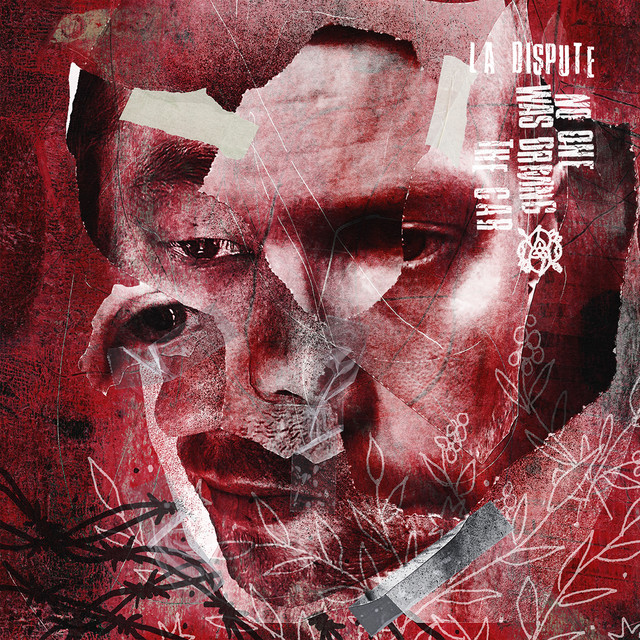
No One Was Driving the Car
La Dispute
The Wave
Spoken Word
Post-Hardcore
2025
1
/5
IV
La Dispute
Spoken Word
Melodic Hardcore
Alternative Emo
2025
1
/5
III
La Dispute
Spoken Word
Melodic Hardcore
Alternative Emo
2025
1
/5
II
La Dispute
Spoken Word
Alternative Emo
Melodic Hardcore
2025
1
/5
I
La Dispute
Melodic Hardcore
Spoken Word
Alternative Emo
2019
3
/5
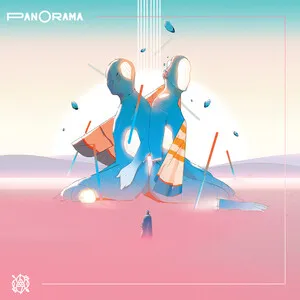
Panorama
La Dispute
The Wave
2018
1
/5
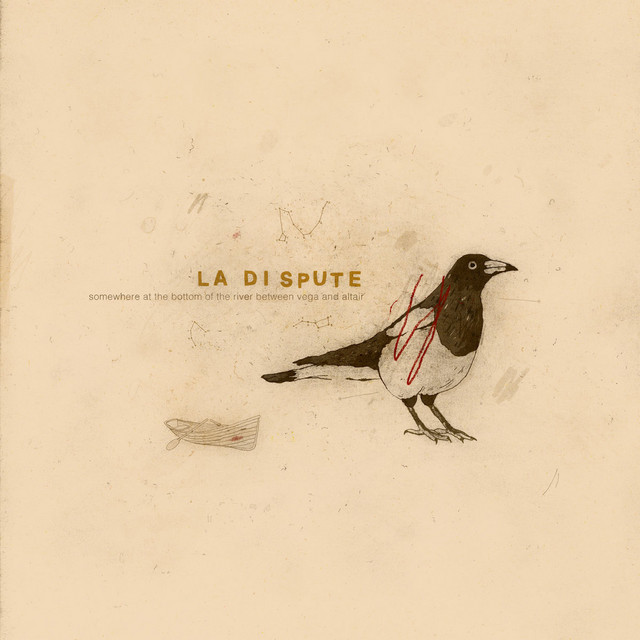
Somewhere at the Bottom of the River Between Vega and Altair
La Dispute
The Wave
Emo
Post-Hardcore
2018
4
/5
Somewhere at the Bottom of the River Between Vega and Altair (10th Anniversary)
La Dispute
Spoken Word
Melodic Hardcore
Alternative Emo
2014
1
/5
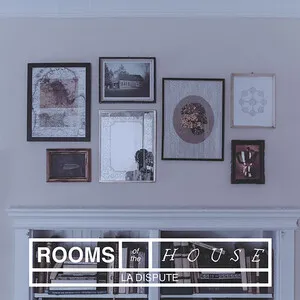
Rooms of the House
La Dispute
The Wave
Emo
Post-Hardcore
2011
3
/5
Wildlife
La Dispute
Post-Hardcore
Emo
Rock
2011
1
/5
Wildlife
La Dispute
The Wave
Emo
Post-Hardcore
Similar artists
4
/5
Title Fight
Spacegrunge
Melodic Hardcore
Grungegaze
3
/5
Touché Amoré
Post-Hardcore
The Wave
Chaotic Hardcore
2
/5
Pianos Become The Teeth
Emo
Rock
The Wave
3
/5
Balance And Composure
Grungegaze
Emo
Melodic Hardcore
2
/5
Defeater
Melodic Hardcore
Chaotic Hardcore
Hardcore
3
/5
Hot Water Music
Emocore
Punk
Melodic Hardcore
1
/5
Various Artists
Afro-Funk
Alternative Rock
Ambient
2
/5
State Faults
The Wave
Screamo
Mathcore
3
/5
Drug Church
Hardcore Punk
Melodic Hardcore
Dreamo
2
/5
Lifetime
Melodic Hardcore
Hardcore Punk
New Brunswick Basement Scene
Download our mobile app
Get the Melodigging app and start digging for new genres on the go
Download on the App Store
Get it on Google Play
© 2026 Melodigging
Give feedback
Legal
Melodding was created as a tribute to
Every Noise at Once
, which inspired us to help curious minds keep digging into music's ever-evolving genres.