Genres
Artists
Albums
Make Music
Sign in
Sign in
Artists
Choral
Artists
Choral
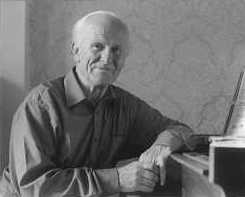
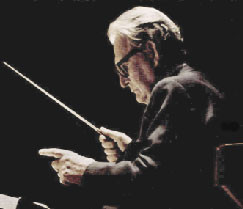
Sir David Willcocks
Listen
3
/5
Genres
Pet Calming
Pet calming is a functional micro‑genre designed to reduce stress and arousal in companion animals—primarily dogs and cats—during triggering situations such as owner absence, fireworks, vet visits, thunderstorms, or travel. Musically it favors very slow tempos, sparse arrangements, soft timbres (piano, pads, gentle strings, warm guitars), long sustains, smooth envelopes, and stable, consonant harmonies. Dynamics are kept narrow and transients are tamed to avoid startle responses. Many releases add gentle environmental ambiences (rain, ocean, rustling leaves) or unobtrusive pink/white‑noise beds to mask external sounds. Structures are highly repetitive with gradual variation so the soundscape feels predictable and safe. While aimed at non‑human listeners, the genre is informed by animal‑behavior findings (e.g., predictable low‑arousal sound reduces stress) and by human relaxation idioms (ambient, new age, lullaby). It is commonly delivered as long‑form, streaming‑friendly content that owners can loop for hours.
Discover
Listen
Choral Symphony
A choral symphony is a large-scale symphonic work that integrates chorus (and often vocal soloists) into the symphonic fabric, rather than treating the voices as an add-on or separate cantata-like appendix. Pioneered most famously by Beethoven’s Symphony No. 9 (1824), the genre fuses the instrumental architecture of the symphony with texted, choral expression drawn from sacred and secular traditions. Composers use the chorus to broaden timbral range, intensify climaxes, and articulate philosophical or narrative ideas that purely instrumental music cannot directly convey. Across the 19th and 20th centuries, choral symphonies ranged from liturgical meditations (Stravinsky’s Symphony of Psalms) to epic, humanistic statements (Mahler’s Symphonies Nos. 2 and 8; Vaughan Williams’s A Sea Symphony), and politically charged works (Shostakovich’s Symphony No. 13).
Discover
Listen
Orchestral Performance
Orchestral performance refers to the live or studio presentation of music by a full orchestra—strings, woodwinds, brass, and percussion—under the direction of a conductor. It is less a compositional genre than a performance tradition that interprets repertory from the Baroque era to contemporary works. Its core values are balance among sections, timbral blend, dynamic control, and expressive phrasing shaped by conducting technique and ensemble discipline. Venue acoustics, seating plans, and modern recording practices (from single-point to multi-mic arrays) further define how orchestral performance is experienced. Although most closely associated with Western classical repertoire, orchestral performance practices have also shaped film music, symphonic rock/metal, and large-scale jazz projects.
Discover
Listen
Christmas Music
Christmas music is a body of sacred and secular repertoire associated with the celebration of Christmas and the winter season. It spans medieval carols, liturgical hymns, and oratorios through to 20th‑century Tin Pan Alley standards, crooner ballads, jazz‑swing arrangements, pop hits, gospel renditions, and contemporary acoustic or R&B interpretations. Stylistically it is diverse but often shares warm, nostalgic melodies, memorable choruses, and lyrics that reference the Nativity story, peace and goodwill, family gatherings, winter imagery, and figures like Santa Claus. Sleigh bells, choirs, strings, brass, and glockenspiel/celesta are common coloristic touches, while harmony ranges from simple I–IV–V progressions to richer jazz voicings. Its seasonal recurrence has made it a cultural tradition that reappears annually across radio, streaming, film, advertising, and public spaces.
Discover
Listen
Choral
Choral refers to music written for and performed by a choir—an ensemble of voices organized into sections such as soprano, alto, tenor, and bass (SATB), or same-voice groupings (SSA, TTBB). It encompasses both sacred and secular repertoire and may be sung a cappella or with accompaniment by organ, piano, or full orchestra. Stylistically, choral music ranges from chant-like monophony to intricate polyphony and rich homophonic textures. Texts are drawn from liturgy, scripture, poetry, and vernacular sources, and are set in many languages. Performance contexts include church services, concert halls, and community events, making choral one of the most socially embedded and widely practiced forms of ensemble music. Across history, choral music has served as a laboratory for vocal counterpoint, word painting, and text-driven form, while functioning as a cultural bridge among religious rites, national traditions, and contemporary concert practice.
Discover
Listen
Similar artists
4
/5
Herbert von Karajan
Classical
Symphonic Poem
Symphony
4
/5
Berliner Philharmoniker
Classical
Romantic Classical
Romanticism
3
/5
Stephen Cleobury
Requiem
Choral
Christmas Music
1
/5
Various Artists
Afro-Funk
Alternative Rock
Ambient
4
/5
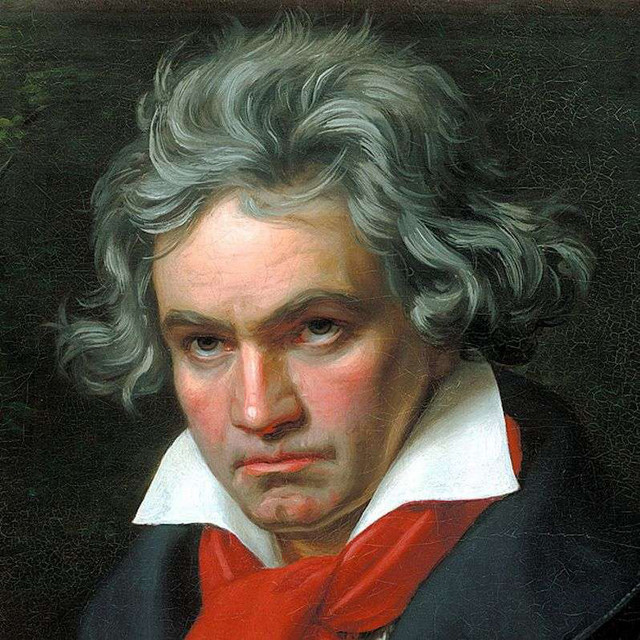
Ludwig van Beethoven
Classical
Classical Period
Romantic Classical
4
/5
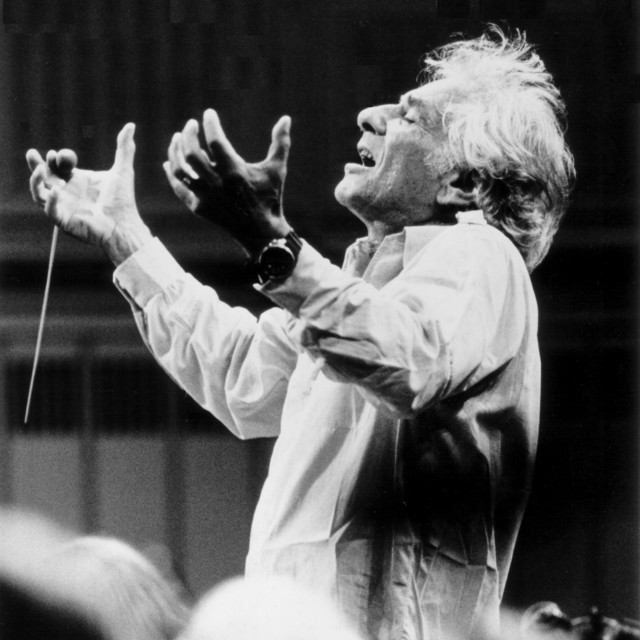
Leonard Bernstein
Orchestral Performance
Classical
Symphony
4
/5
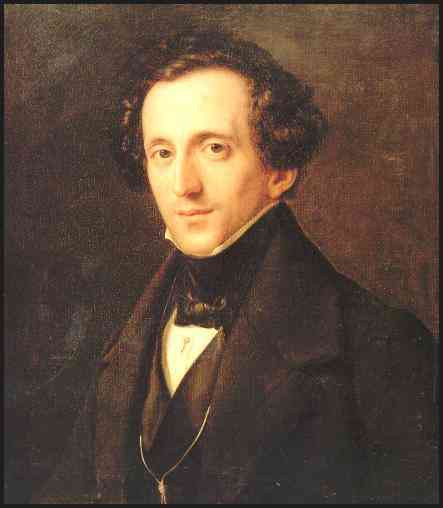
Felix Mendelssohn
Chamber Music
Choral
Classical
3
/5
Vienna Boys' Choir
Choral
Christmas Music
Choral Symphony
2
/5
Otto Klemperer
Choral
Classical
Opera
4
/5
New York Philharmonic
Classical
Symphony
Choral
Download our mobile app
Get the Melodigging app and start digging for new genres on the go
Download on the App Store
Get it on Google Play
© 2026 Melodigging
Give feedback
Legal
Melodding was created as a tribute to
Every Noise at Once
, which inspired us to help curious minds keep digging into music's ever-evolving genres.