Genres
Artists
Albums
Make Music
Sign in
Sign in
Artists
Nederbeat
Artists
Nederbeat
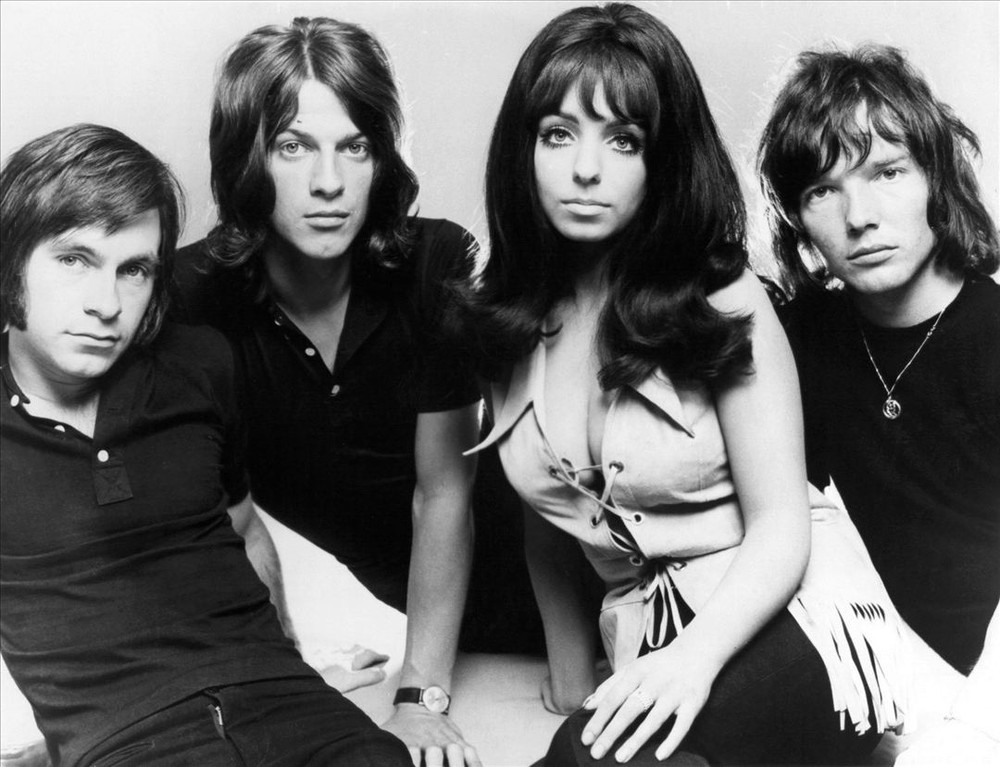
Shocking Blue
1969–1971
·
6 albums
Listen
3
/5
Genres
Chill Pop
Chill pop is a contemporary pop micro‑genre that blends radio‑friendly songwriting with the mellow textures of chillout and lo‑fi aesthetics. It favors soft vocals, smooth synths, clean guitar plucks, understated bass, and relaxed, mid‑tempo grooves. Instead of big, bombastic hooks, chill pop tends toward intimate, conversational melodies and minimal, airy arrangements. Production often borrows from bedroom pop and alternative R&B—subtle trap hi‑hats, warm saturation, roomy reverbs, and gentle side‑chain compression—to create a breezy, pastel sound palette well suited to playlists and late‑night listening. Lyrically, chill pop is introspective and relatable: romance, longing, gentle optimism, and coming‑of‑age themes delivered in a plain‑spoken, whisper‑close tone. The result sits between indie pop’s understated cool and mainstream pop’s catchy structures, optimized for the streaming era’s mood‑driven consumption.
Discover
Listen
Lo Star
Lo star is a streaming-era umbrella tag used to group under-the-radar, low-profile artists who sit on the fringes of indie, alternative, DIY pop, and related scenes. Rather than denoting a single, tightly defined musical vocabulary, it marks a discovery space of self-produced or small-label projects with modest audiences, genre-fluid aesthetics, and a distinctly DIY approach to recording and release. Expect intimate vocals, inexpensive or home-studio production, hybrid acoustic/electronic textures, and songwriting that favors personal storytelling and immediacy over polish. Because it functions as a curatorial category for emerging or niche acts, the sonic palette spans indie rock and folk-pop to bedroom pop and lo-fi electronic, unified by scale, ethos, and distribution more than by strict musical rules.
Discover
Listen
Nederpop
Nederpop is a broad term for pop and rock made in the Netherlands, most often sung in Dutch and characterized by strong hooks, sing‑along choruses, and accessible storytelling. While it includes a range of sounds—from guitar‑based pop rock to synth‑driven new wave and even reggae‑tinged rhythms—it stays centered on melody and lyrical immediacy. The style coalesced as a recognizable movement in the late 1970s and surged in the 1980s, when bands adopted new wave textures and occasional ska/reggae grooves. In the 1990s and 2000s, nederpop became mainstream adult pop, with polished production, emotive ballads, and stadium‑sized choruses, often addressing everyday life, love, and social themes.
Discover
Listen
Nederbeat
Nederbeat is the 1960s Dutch take on British beat and R&B-driven rock, centered in The Hague (often called Beatstad) with vibrant scenes in Amsterdam and Rotterdam. It blends tough, garage-like guitar riffing, bluesy vocals, Farfisa/vox organ hooks, and a danceable backbeat. Bands typically sang in English to ride the British Invasion wave, but the music carries a distinctly local attitude—raw, direct, and often edgier than its UK counterparts. Short, hooky singles, fuzzy guitars, tambourine on the backbeat, and group harmonies define the style.
Discover
Listen
Psychedelic Rock
Psychedelic rock is a style of rock music that seeks to evoke, simulate, and expand altered states of consciousness through sound. It typically features timbral experimentation (fuzz, wah, tape delay, phasing), drones, modal or raga-influenced harmony, extended improvisation, studio-as-instrument production, and surreal, mystical, or mind-expanding lyrics. Emerging from mid-1960s counterculture, it fused garage-band energy with folk, blues, and non-Western musical ideas—especially Indian classical ragas—while embracing new studio technologies and concert light shows. Both a live and a studio art, psychedelic rock ranges from jangly, kaleidoscopic pop to heavy, hypnotic jams and cosmic soundscapes.
Discover
Listen
Pop Rock
Pop rock blends the hook-focused immediacy of pop with the instrumentation and drive of rock. It prioritizes catchy melodies, concise song structures, and polished production while retaining guitars, bass, and drums as core elements. Typical pop rock tracks use verse–pre-chorus–chorus forms, strong vocal harmonies, and memorable riffs. The sound ranges from jangly and bright to mildly overdriven and arena-ready, aiming for radio-friendly appeal without abandoning rock’s rhythmic punch.
Discover
Listen
Psychedelic Pop
Psychedelic pop is a 1960s-born fusion that marries the hook-driven immediacy of pop with the timbral color, studio experimentation, and altered-perception aesthetics of psychedelic music. It favors concise song forms and memorable melodies while introducing unusual sounds (sitar, Mellotron, harpsichord), tape effects (backmasking, varispeed, flanging), and surreal or whimsical imagery. Compared to psychedelic rock, it is brighter, more tuneful, and radio-friendly, often wrapping adventurous production techniques in singable choruses and lush vocal harmonies.
Discover
Listen
Garage Pop
Garage pop blends the raw, energetic attack of garage rock with bright, ear‑catching pop melodies. It favors short, hook‑heavy songs, jangly or fuzz‑kissed guitars, tambourine and handclaps, and sing‑along choruses. While the sonics are gritty and often lo‑fi, the songwriting is unabashedly tuneful—drawing on 1960s girl‑group harmonies, surf rhythms, and Brill Building craft. Lyrics tend to be direct and youthful (love, longing, summer ennui), and vocals are frequently drenched in reverb for a hazy, sun‑bleached glow.
Discover
Listen
Rock
Rock is a broad family of popular music centered on amplified instruments, a strong backbeat, and song forms that foreground riffs, choruses, and anthemic hooks. Emerging from mid‑20th‑century American styles like rhythm & blues, country, and gospel-inflected rock and roll, rock quickly expanded in scope—absorbing folk, blues, and psychedelic ideas—while shaping global youth culture. Core sonic markers include electric guitar (often overdriven), electric bass, drum kit emphasizing beats 2 and 4, and emotive lead vocals. Rock songs commonly use verse–chorus structures, blues-derived harmony, and memorable melodic motifs, ranging from intimate ballads to high‑energy, stadium‑sized performances.
Discover
Listen
Show all 9 genres
Albums
1971
3
/5
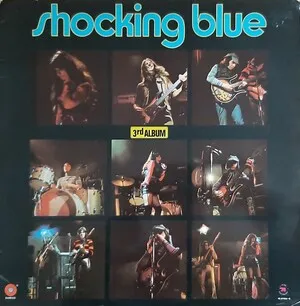
3rd Album
Shocking Blue
Nederbeat
Psychedelic Rock
Rock
1970
3
/5
Scorpio's Dance
Shocking Blue
Nederbeat
Pop Rock
Psychedelic Pop
1969
4
/5
At Home
Shocking Blue
Nederbeat
Pop Rock
Rock
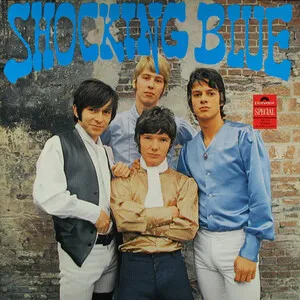
Shocking Blue
Shocking Blue
Nederbeat
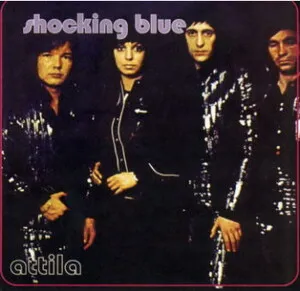
Attila
Shocking Blue
Nederbeat
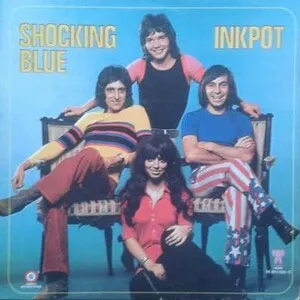
Inkpot
Shocking Blue
Nederbeat
Similar artists
3
/5
Golden Earring
Classic Rock
Nederbeat
Nederpop
5
/5
The Beatles
Merseybeat
Rock
Pop
5
/5
David Bowie
Art Rock
Rock
Glam Rock
1
/5
Various Artists
Afro-Funk
Alternative Rock
Ambient
4
/5
Prince
Funk
Minneapolis Sound
Synth Funk
5
/5
The Rolling Stones
Rock
Blues Rock
Hard Rock
4
/5
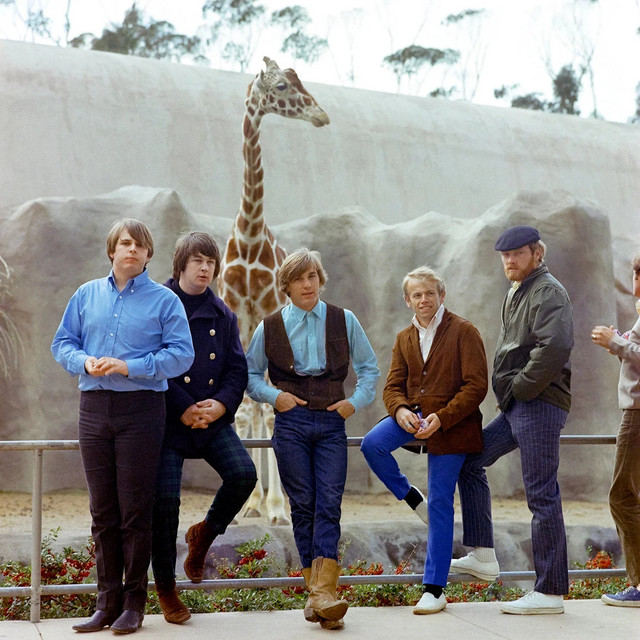
The Beach Boys
Sunshine Pop
Pop
Baroque Pop
4
/5
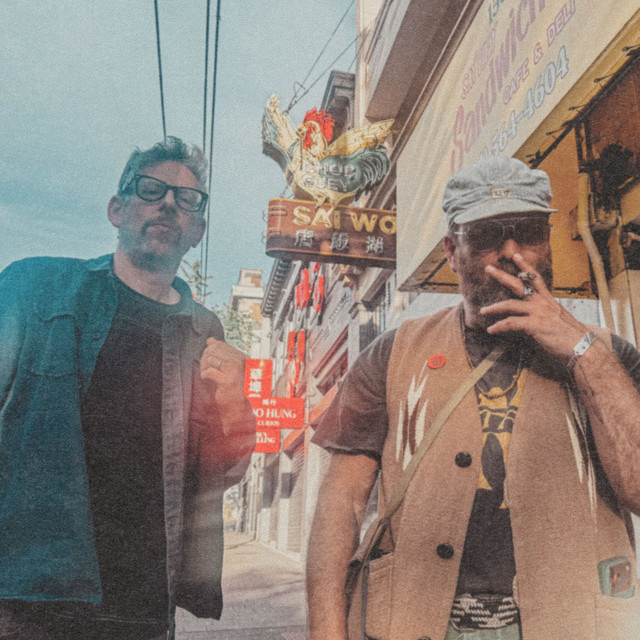
The Black Keys
Blues Rock
Modern Blues
Punk Blues
3
/5
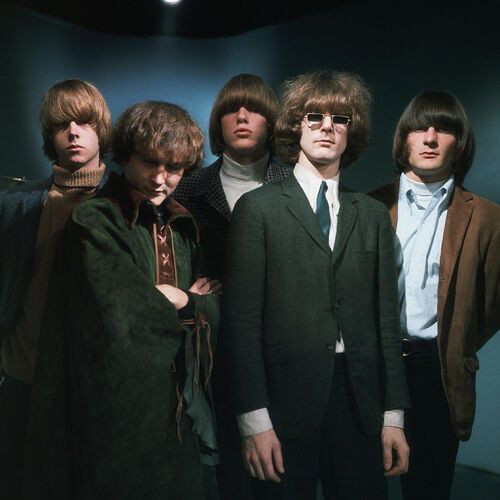
The Byrds
Folk Rock
Country Rock
Rock
4
/5
Santana
Latin Rock
Rock
Blues Rock
Download our mobile app
Get the Melodigging app and start digging for new genres on the go
Download on the App Store
Get it on Google Play
© 2026 Melodigging
Give feedback
Legal
Melodding was created as a tribute to
Every Noise at Once
, which inspired us to help curious minds keep digging into music's ever-evolving genres.