Genres
Artists
Albums
Make Music
Sign in
Sign in
Artists
Electrocumbia
Artists
Electrocumbia
Sexteto Tabala
1998–2010
·
2 albums
Listen
1
/5
Genres
Organic Electronic
Organic electronic is a downtempo, groove‑driven branch of electronic music that blends acoustic and world instruments with modern production. Typically sitting around 100–115 BPM, it favors hand percussion, mallets, strings, winds, and field recordings over hard-edged drum machines. The result is a warm, tactile sound where shakers, frame drums, and ethnic instruments (such as oud, kora, saz, flutes, or kalimba) weave through gentle synth pads and understated basslines. Melodic language often leans on modal colors (Dorian, Phrygian, Mixolydian) and drone‑like sustains, creating a hypnotic, earthy atmosphere. Born from bohemian club culture and outdoor gatherings, the style emphasizes long, evolving arrangements, subtle crescendos, and humanized timing—music equally at home on intimate dancefloors, sunset sets, and mindful listening contexts.
Discover
Listen
Electrocumbia
Electrocumbia (often called digital cumbia or nu-cumbia) is a contemporary, electronic reinterpretation of traditional cumbia. It merges cumbia’s signature off‑beat percussion, guacharaca/güiro textures, and tumbao bass with modern production elements such as synthesizers, drum machines, sampling, and dub-style effects. While rooted in Colombian cumbia, the style took shape across Latin America—especially within Buenos Aires’ club scene—where producers fused folkloric rhythms with downtempo, house, hip hop, and dub aesthetics. The result is a sound that can be both hypnotic and dance‑forward, oscillating between dreamy, psychedelic atmospheres and gritty, bass‑heavy grooves.
Discover
Listen
Champeta
Champeta is an Afro‑Colombian dance music born in the Caribbean coast around Cartagena and Barranquilla, emerging from the picó (sound‑system) culture that blasted imported African LPs at street parties. It translates the kinetic guitar lines and call‑and‑response spirit of Congolese soukous, highlife, and makossa into a distinctly coastal Colombian groove. Built on bright, interlocking electric‑guitar ostinatos (often in a sebene style), rubbery bass, and hand percussion, champeta favors hypnotic two‑chord vamps, catchy choruses, and playful, often streetwise lyrics delivered in Spanish and, at times, Palenquero. Since the 2000s, the style’s “champeta urbana” wave has folded in drum‑machine kicks, synth hooks, and club sonics while keeping the joyous, communal energy of the picó plaza.
Discover
Listen
Latin Folk
Latin folk is a broad umbrella for singer‑songwriter and ensemble music that draws on traditional folk forms from across Latin America while presenting them in contemporary, often acoustically driven arrangements. It emphasizes storytelling, social and poetic lyricism, and the timbres of regional instruments such as the guitar, charango, quena, zampoña, cuatro, and bombo legüero. Rhythmic cells are borrowed from pan‑regional traditions (chacarera, cueca, zamba, huayno, joropo, son, and others), yet songs are commonly shaped in accessible verse‑chorus structures. While its roots are centuries old, the modern genre coalesced during the mid‑20th‑century folk revival and the Nueva Canción movements, which linked ancestral sounds with contemporary concerns such as identity, justice, and cultural memory.
Discover
Listen
Bullerengue
Bullerengue is an Afro‑Colombian traditional song‑and‑dance genre from Colombia’s Caribbean coast (Bolívar, Atlántico, Sucre, Córdoba) and the Darién region of Panama. It emerged in Palenques (maroon communities) and has been preserved largely by women elders (cantadoras), who lead songs accompanied by artisan drums. Performances feature a call‑and‑response structure, heavy rhythmic emphasis, and spontaneous lyrical and melodic improvisation. The core ensemble uses three hand‑drums—alegre (soloist drum), llamador (timekeeper), and tambora (bass drum)—along with handclaps, maracas, and communal chorus. Dancers, often in circular formations, accentuate hip motion and skirt work while dialoguing with the drums and chorus. Several sub‑styles are recognized, including bullerengue sentao (a steadier, grounded feel), bullerengue chalupa (faster and more propulsive), and fandango de lengua (a text‑rich, tongue‑twisting style).
Discover
Listen
Albums
2010
1
/5
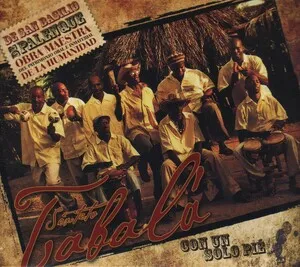
Con un solo pie
Sexteto Tabalá
Champeta
1998
1
/5
Sexteto Tabalá: Palenque de San Basilio
Sexteto Tabalá
Bullerengue
Similar artists
4
/5
Totó La Momposina
Bullerengue
Cumbia
Cumbia Colombiana
3
/5
Los Gaiteros de San Jacinto
Cumbia
Cumbia Colombiana
Electrocumbia
2
/5
Paloma del Cerro
Electrocumbia
Latin Folk
1
/5
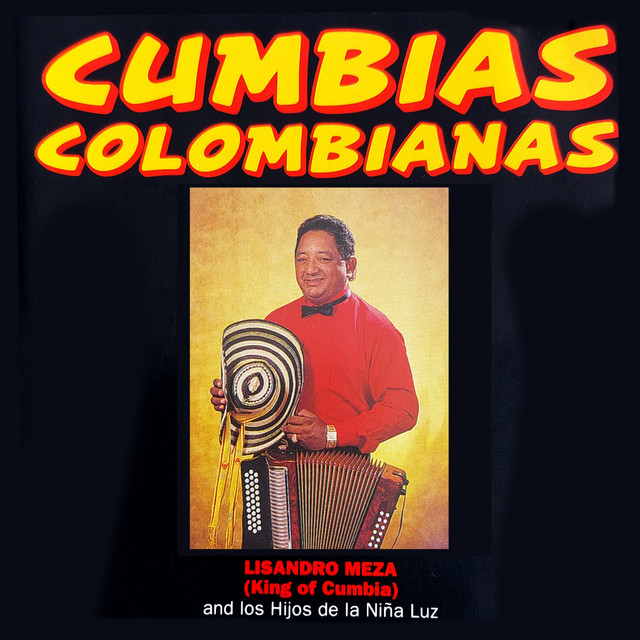
Los Hijos de la Ninña Luz
Cumbia
Electrocumbia
Latin Folk
1
/5
Sistema Bomb
Electrocumbia
Latin Alternative
Latin Folk
1
/5
Via Nomada
Electrocumbia
Folclor Andino
Latin Folk
1
/5
Viento Callejero
Electrocumbia
Latin Alternative
Latin Folk
3
/5
Systema Solar
Nu-Cumbia
Champeta
Electrocumbia
2
/5
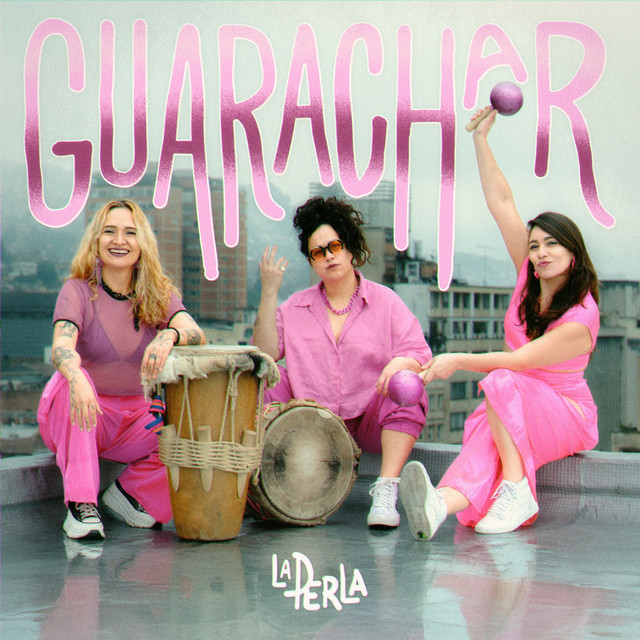
La Perla
Electrocumbia
Latin House
Bullerengue
2
/5
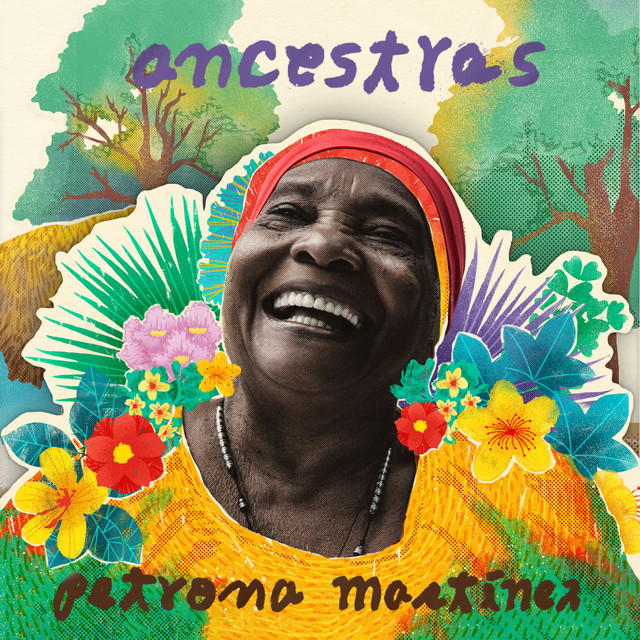
Petrona Martinez
Bullerengue
Electrocumbia
Traditional Music
Download our mobile app
Get the Melodigging app and start digging for new genres on the go
Download on the App Store
Get it on Google Play
© 2026 Melodigging
Give feedback
Legal
Melodding was created as a tribute to
Every Noise at Once
, which inspired us to help curious minds keep digging into music's ever-evolving genres.