Genres
Artists
Albums
Make Music
Sign in
Sign in
Artists
K-Pop Boy Group
Artists
K-Pop Boy Group
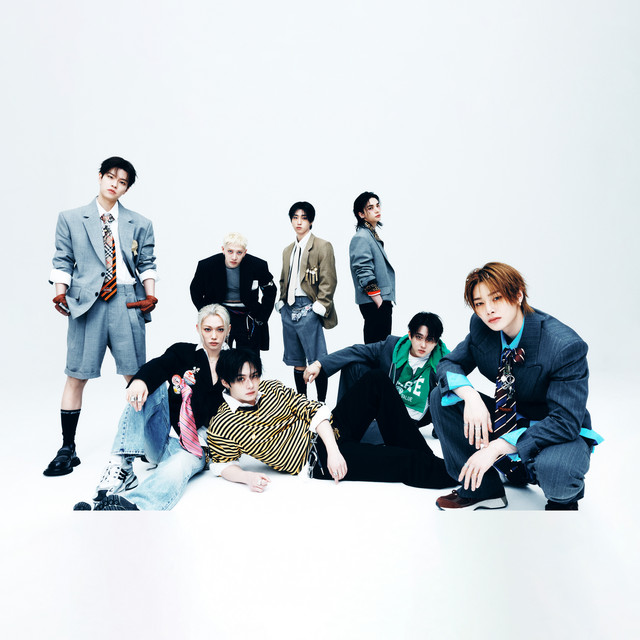
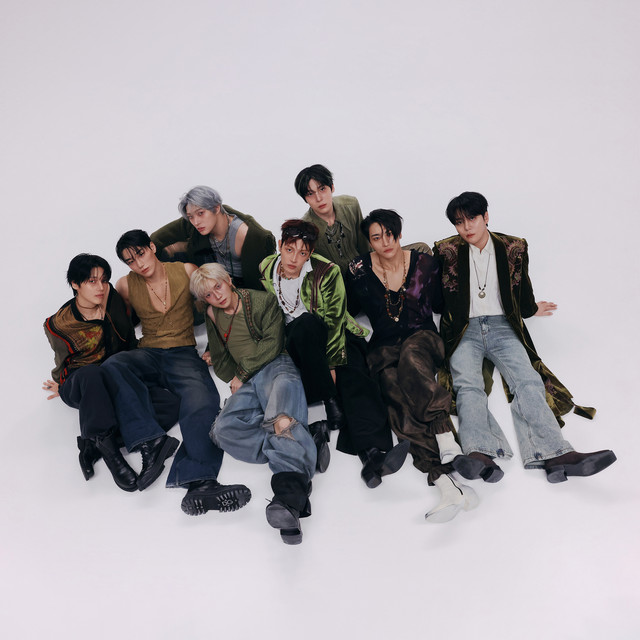
SEVENTEEN
2026
·
1 album
Listen
4
/5
Genres
5th Gen K-Pop
“5th gen k-pop” refers to South Korea’s fifth wave of idol-led pop that emerged in the early–mid 2020s. It is characterized by short-form, hook-forward songwriting, hybrid production that borrows from global club styles (jersey club, future bass, drum & bass), and highly visual concepts designed for instant virality. Musically, it blends crisp electropop and dance-pop chassis with trap/hip‑hop cadences, R&B vocal stacking, and minimalist, percussive drops meant to spotlight choreography. Conceptually, it leans into everyday youth aesthetics and Y2K/retro nostalgia, prioritizing authenticity and approachable styling over the maximalist “lore” of earlier generations. Releases are optimized for social media cycles—multiple title tracks or rapid follow-ups, performance videos, and challenge-ready dance breaks—while still maintaining the polished vocal production, tight group synchronization, and high-end visuals that define k-pop.
Discover
Listen
Sped-Up Music
Sped-up music is the practice of releasing or circulating versions of existing tracks that have been deliberately accelerated, often with a corresponding pitch raise that produces the classic "chipmunk" timbre. These versions are typically 10–35% faster than the original and are optimized for short‑form video platforms, where quick hooks and heightened energy improve replayability and engagement. While the aesthetic traces back to 2000s nightcore and fan edits on YouTube, the 2020s saw a commercial normalization: labels and artists now issue official “sped up” (and often “slowed”) versions on streaming services. The result is a micro‑genre defined less by unique compositional vocabulary than by a production treatment that recontextualizes mainstream pop, R&B, hip hop, and dance records for viral, danceable, hook‑forward consumption.
Discover
Listen
Deep Big Room
Deep big room is a hybrid branch of EDM that fuses the stadium-scale drops and arrangement of big‑room house with the warmer timbres, deeper basslines, and more groove‑led sensibilities of deep/progressive house. Instead of the piercing supersaw leads and maximalist claps typical of early‑2010s main‑stage tracks, deep big room favors chunky, sidechained low‑end, percussive toplines, filtered plucks, organ/piano stabs, and longer, moodier breakdowns. The result is music that still “hits” on large systems but reads less abrasive—more rolling, hypnotic, and groove‑centric—while retaining crowd‑moving build/drop architecture.
Discover
Listen
Experimental Club Music
Experimental club music (often called post-club or deconstructed club) is a hybrid, avant‑garde approach to club production and performance that treats the dancefloor as a laboratory. It uses the grammar of contemporary club forms—heavy sub‑bass, kick patterns, samples, MC or chopped vocals—as raw material to be cut apart, collaged, and reassembled. Instead of four‑to‑the‑floor regularity, it favors asymmetry, abrupt contrasts, negative space, and extreme sound design drawn from noise, industrial, grime, ballroom/vogue, reggaeton, and internet culture. The result ranges from skeletal, percussive workouts to dense, cinematic soundscapes that can be as confrontational as they are cathartic. Just as importantly, the scene has been a site of diasporic, queer, and trans expression, where identity and politics are embedded in sonic choices and performance practice.
Discover
Listen
Shimmer Pop
Shimmer pop is a glossy, hook-forward offshoot of indie pop that emphasizes bright, “glassy” textures and dreamy atmospheres. Its sound is defined by clean, chorus‑drenched guitars or twinkling synth arpeggios, lush pads, and wide, sparkling high‑end detail that gives the music a literal sense of shimmer. Production often merges retro new‑wave and synth‑pop colors with modern indietronica polish, pairing side‑chained synths and gated reverbs with crisp, contemporary drum programming. Melodies are unabashedly pop, while the lyrics frequently explore romantic longing, youthful nostalgia, and late‑night introspection. Tempos typically sit in the mid‑tempo range, with steady 4/4 grooves or lightly syncopated patterns that keep the music buoyant and danceable without becoming aggressive. The overall mood balances optimism and wistfulness, creating a sound that feels both neon‑bright and emotionally tender.
Discover
Listen
Channel Pop
Channel pop is a digital-era strain of mainstream pop shaped by video and creator platforms—especially YouTube and later TikTok and Instagram—where artists build audiences through frequent uploads on their own “channels.” Musically it favors intimate, highly polished but close-mic’d vocals, acoustic guitar or piano-led arrangements, restrained beats, and succinct, playlist-friendly structures. Many releases are cover-first (reimagining recent chart hits) with a steady flow of glossy singles, session-style performances, and creator collaborations that gradually blend into original material. Titles, artwork, and release cadence are optimized for search and recommendation algorithms, yielding a sound that is simultaneously personal and platform-aware.
Discover
Listen
Joseon Pop
Joseon pop is a contemporary Korean fusion style that reimagines traditional gugak (Korean traditional music) aesthetics—especially vocal and rhythmic idioms—from the Joseon dynasty era within modern pop, rock, funk, and electronic frameworks. Typical markers include pansori-leaning vocals with expressive ornamentation (sigimsae), use of traditional modes (ujo, gyemyeonjo), and adaptation of jangdan rhythmic cycles (e.g., gutgeori, jungmori, jajinmori, hwimori) into drum-kit or electronic grooves. Instrumentation often blends gayageum, geomungo, haegeum, daegeum, piri, taepyeongso, janggu, and buk with bass guitar, synthesizers, and modern production. The result is music that feels simultaneously folk-rooted and danceable, ceremonial yet pop-forward.
Discover
Listen
Latin Afrobeats
Latin Afrobeats is a hybrid of West African Afrobeats and Latin urban pop in which Spanish (and sometimes Portuguese) lyrics ride syncopated, polyrhythmic grooves. It marries Afrobeats’ swung shakers, off‑beat hi‑hats, guitar licks, and buoyant bass with dembow and dancehall drum patterns common to reggaeton and Latin pop. The result is a bright, dance‑forward style with catchy toplines, call‑and‑response hooks, and concise song forms tailored to streaming. Production tends to be minimal yet percussive, with Afro‑percussion (shekere, conga/bongo colors), plucked guitars or synth plucks, and warm sub‑bass supporting melodies that often draw on pentatonic or natural minor scales. Themes revolve around romance, partying, and feel‑good celebration, making the music equally at home in clubs and playlists.
Discover
Listen
La Pop
LA pop is a contemporary pop micro-scene centered on Los Angeles, defined by glossy, radio-ready production, hook-heavy toplining, and a tight ecosystem of songwriters, producers, and artist-development teams. It blends mainstream pop with electropop sheen, R&B smoothness, and a light touch of hip‑hop rhythms, all optimized for streaming, radio, and sync. The style emphasizes ultra-melodic choruses, crisp midtempo grooves, bright synths or guitar loops, and highly crafted vocal production (doubles, harmonies, tuned ad‑libs). Lyrically, it favors confessional storytelling about relationships, self‑image, and the LA dream—intimate in tone but cinematic in scale.
Discover
Listen
Yakousei
Yakousei is an eclectic, internet-native strain of J‑Pop that coalesced in the late 2010s. It blends Vocaloid-informed songwriting with indie pop sensibilities, bright electropop textures, and danceable, club‑ready grooves. Lyrically, the style leans inward: songs often explore sleepless nights, urban solitude, and coming‑of‑age anxieties, pairing intimate narratives with big, melodic hooks. Production favors glossy synths, clean guitars, and tightly programmed drums, while vocals—human or software‑assisted—trace agile, hook‑dense lines that feel both nostalgic and contemporary.
Discover
Listen
Diy Emo
DIY emo is a grassroots, home-recorded and community-driven branch of contemporary emo that blends twinkly Midwest-emo guitar work, confessional lyricism, and pop-punk urgency with a distinctly lo‑fi, self-produced aesthetic. It foregrounds the ethics of the do‑it‑yourself underground: basement shows, tape or Bandcamp releases, collective touring, and a preference for intimacy over polish. Sonically, it leans on clean, chiming guitars, melodic basslines, dynamic drumming, and unvarnished vocals that veer from soft-spoken to cathartic sing-alongs. Rather than chasing radio gloss, DIY emo embraces rawness and vulnerability—often capturing the feel of a crowded living room show—while channeling themes of friendship, mental health, hometowns, and the bittersweet transitions of early adulthood.
Discover
Listen
Escape Room
Escape room is a data-driven label popularized by Spotify to cluster artists who blur lines between alternative R&B, experimental pop, left-field hip hop, and cutting‑edge club/electronic production. Rather than a strict set of musical rules, it signals a sound defined by textural minimalism, sub‑heavy and off‑kilter rhythms, intimate vocal delivery (often breathy or ASMR-adjacent), and a strong emphasis on sound design and negative space. Songs frequently juxtapose glossy melodies with abrasive or deconstructed percussive layers, creating a stylish, future‑leaning mood that resists easy categorization. The name is unrelated to physical puzzle rooms; instead, it marks music that “escapes” legacy genre boxes while remaining pop‑adjacent and internet‑native in aesthetics and distribution.
Discover
Listen
K-Pop Boy Group
K-pop boy group is a performance-driven pop style centered on male idol groups that blend high-gloss pop songwriting with hip-hop, R&B, EDM, and synth-pop production. It is defined as much by its music as by choreography, visual concepts, and tightly coordinated group roles (leaders, main/lead vocals, rappers, main dancers, centers). Songs typically feature hook-heavy choruses, dynamic section changes (intro → verse → pre-chorus lift → explosive chorus → post-chorus/drop → bridge/rap break → dance break), stacked harmonies, and prominent ad‑libs. The aesthetic is concept-led, with each comeback (release cycle) anchored by cohesive styling, narrative themes, and eye-catching visuals. Lyrics often combine Korean with English phrases (and sometimes Japanese or Chinese), focusing on youth, ambition, love, identity, and empowerment. The industry’s trainee system emphasizes vocal/rap technique, synchronized dance, stagecraft, and fan engagement, making the live performance and fandom culture (light sticks, chants, fan calls) integral to the genre’s identity.
Discover
Listen
K-Pop
K-pop is a contemporary popular music genre from South Korea that blends Western pop, hip hop, R&B, electronic dance music, and local sensibilities into highly polished, multimedia-driven productions. It is characterized by hook-heavy songwriting, modular song structures with dynamic section changes, crisp choreography, concept-driven visuals, and intensive idol training systems. Songs frequently mix Korean with English phrases, employ layered vocal harmonies and rap breaks, and are supported by elaborate music videos and synchronized stage performances that are integral to the genre’s identity.
Discover
Listen
Boy Band
Boy band is a pop-oriented vocal-group format built around a small ensemble of young male singers who are marketed as a unit. The music emphasizes instantly memorable hooks, tight vocal harmonies, and polished production, and is typically paired with synchronized choreography and a carefully managed public image. While individual members often specialize (lead vocal, high tenor, baritone, rapper/dancer), the group identity is paramount. Lyrics center on love, longing, friendship, and aspirational themes, delivered through a mix of upbeat dance-pop tracks and soaring ballads. The sound draws heavily from pop and contemporary R&B and has evolved to incorporate hip hop, EDM, and synth-pop. The boy band model became a dominant pop vehicle in the late 1980s and 1990s (U.S. and U.K.) and later globalized via the Japanese idol system and the K-pop trainee model, shaping pop markets across East and Southeast Asia and inspiring analogous scenes worldwide.
Discover
Listen
Show all 15 genres
Albums
2026
3
/5
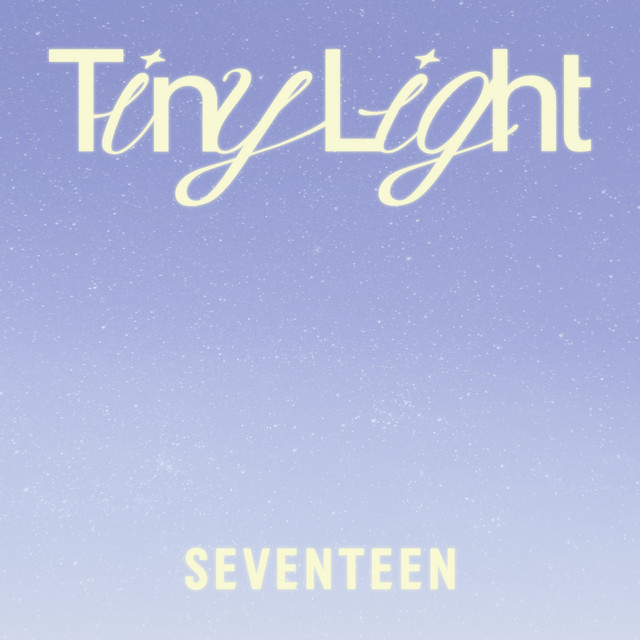
Tiny Light
SEVENTEEN
K-Pop Boy Group
Similar artists
5
/5
Stray Kids
K-Pop
K-Pop Boy Group
Pop
4
/5
ATEEZ
K-Pop
K-Pop Boy Group
Pop
5
/5
BTS
K-Pop
K-Pop Boy Group
Pop
5
/5
ENHYPEN
Anime
K-Pop
K-Pop Boy Group
4
/5
TOMORROW X TOGETHER
K-Pop
K-Pop Boy Group
Pop
4
/5
BIGBANG
K-Pop Boy Group
Deep Big Room
K-Pop
5
/5
BLACKPINK
K-Pop
K-Pop Girl Group
Pop
4
/5
i-dle
Chill Pop
Deep Big Room
Digital Horror
4
/5
j-hope
K-Rap
K-Pop
Deep Big Room
4
/5
MONSTA X
Deep Big Room
K-Pop
K-Pop Boy Group
Download our mobile app
Get the Melodigging app and start digging for new genres on the go
Download on the App Store
Get it on Google Play
© 2026 Melodigging
Give feedback
Legal
Melodding was created as a tribute to
Every Noise at Once
, which inspired us to help curious minds keep digging into music's ever-evolving genres.