Genres
Artists
Albums
Make Music
Sign in
Sign in
Artists
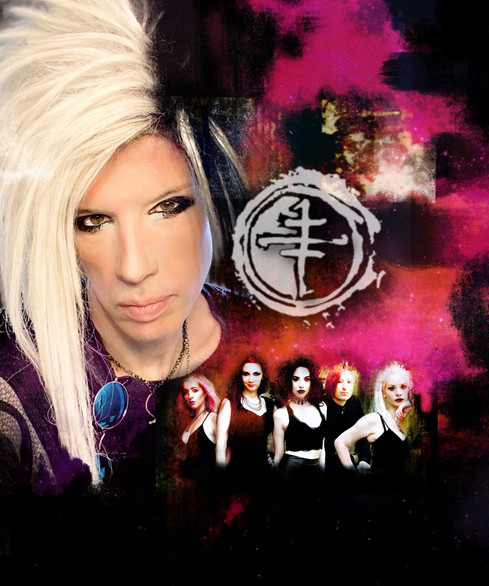
Kote Kei
Artists
Kote Kei
Schwarz Stein
3 albums
Listen
Genres
Kote Kei
Kote kei is a dark, "classic" strain of Japanese visual kei that crystalized in the mid‑1990s. It emphasizes goth‑inspired, androgynous, and over‑the‑top attire meant to evoke otherworldliness—towering hair, elaborate makeup, corsetry, leather, lace, and Victorian or baroque silhouettes—paired with aggressive, dramatic rock and metal instrumentation. Musically it blends heavy guitar riffing, double‑kick drumming, and theatrical dynamics with tense minor‑key harmony, chromatic flourishes, and occasional industrial textures. Vocals range from whispery and effeminate to harsh screams, delivering decadent, shocking, or macabre lyrics. The visual concept, stagecraft, and lyrical decadence are inseparable from the sound, creating a total art style that feels dark, epic, and confrontational.
Discover
Listen
Dark Wave
Dark wave is a moody, melancholic offshoot of post-punk and new wave that emphasizes minor-key harmonies, somber timbres, and introspective or romantic lyrical themes. It blends the icy textures of early synthesizers and drum machines with reverb-laden guitars and melodic, driving basslines. The style typically features baritone or ethereal vocals, atmospheric production with heavy use of chorus, delay, and reverb, and tempos that range from slow and brooding to mid-tempo and danceable. Dark wave spans both guitar-oriented and synth-forward approaches, and often overlaps with related movements such as coldwave, minimal wave, and ethereal wave.
Discover
Listen
Visual Kei
Visual kei is a Japanese rock/metal-centered movement defined as much by its theatrical, gender-fluid visual presentation as by its sound. Bands employ elaborate makeup, dramatic hairstyles, flamboyant or gothic costumes, and stylized stagecraft to create a total art experience that fuses music and spectacle. Musically, visual kei spans hard rock, heavy/speed metal, punk/post-punk, new wave, and gothic influences, often blending melodic hooks with virtuosic guitar work, dynamic arrangements, and emotionally charged vocals. Lyrical themes commonly explore romance, decadence, existential angst, fantasy, and nostalgic longing, while arrangements may incorporate strings, synths, or piano for cinematic effect. Substyles like kote kei (early, heavier), Nagoya kei (darker, post-punk/goth-leaning), and later softer or pop-inflected variants illustrate its breadth and evolution.
Discover
Listen
Gothic
Gothic (often shortened to goth in a musical context) is a dark, atmospheric strain of post‑punk that emphasizes minor-key harmonies, bass-led grooves, and a brooding, romantic sensibility. It blends the stark urgency of punk with art-rock textural experimentation, icy new-wave synths, and lyrical themes drawn from gothic literature, existentialism, and melancholic introspection. Signature traits include chorus- and reverb-drenched guitars, prominent melodic basslines, steady drum-machine patterns, baritone or ethereal vocals, and a production aesthetic that favors space, echo, and nocturnal ambience. While closely associated with the UK goth subculture, the style quickly spread internationally, influencing parallel scenes such as dark wave, deathrock, and later gothic metal.
Discover
Listen
Industrial
Industrial is an experimental electronic music tradition that uses abrasive timbres, mechanical rhythms, and transgressive aesthetics. Its sound palette often includes distorted drum machines, tape loops, metallic percussion, feedback, and found-object recordings alongside synthesizers and samplers. Emerging from late-1970s UK underground art and performance scenes, industrial foregrounds themes of dehumanization, technology, surveillance, and power. Releases frequently embrace anti-commercial presentation, stark graphic design, and confrontational performance art, treating the studio as a laboratory for sonic manipulation rather than a vehicle for conventional songcraft. While early industrial emphasized noise, tape processing, and avant-garde collage, later waves fused the style with dancefloor precision (EBM), rock and metal heft, and club-oriented production, giving rise to a broad post-industrial family that remains influential in experimental, electronic, and popular music.
Discover
Listen
Electronic
Electronic is a broad umbrella genre defined by the primary use of electronically generated or electronically processed sound. It encompasses music made with synthesizers, drum machines, samplers, computers, and studio/tape techniques, as well as electroacoustic manipulation of recorded or synthetic sources. The genre ranges from academic and experimental traditions to popular and dance-oriented forms. While its sonic palette is rooted in electricity and circuitry, its aesthetics span minimal and textural explorations, structured song forms, and beat-driven club permutations. Electronic emphasizes sound design, timbre, and studio-as-instrument practices as much as melody and harmony.
Discover
Listen
Albums
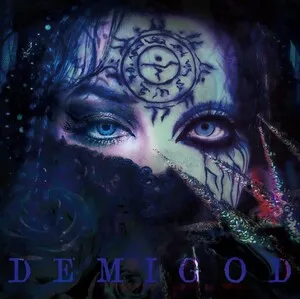
DEMIGOD
Schwarz Stein
Kote Kei
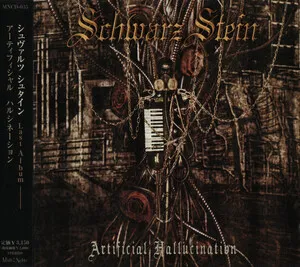
Artificial Hallucination
Schwarz Stein
Kote Kei
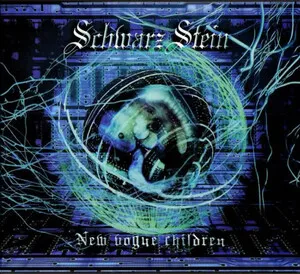
New Vogue Children
Schwarz Stein
Kote Kei
Similar artists
4
/5
Sidewalks and Skeletons
Witch House
Electronic
Experimental
3
/5
Ashbury Heights
Futurepop
Dark Wave
Ebm
3
/5
The Birthday Massacre
Steampunk
Industrial Rock
Ebm
3
/5
Blutengel
Ebm
Gothic Metal
Dark Wave
3
/5
ASP
Dark Wave
Gothic Rock
Neue Deutsche Härte
2
/5
Solar Fake
Synth-Pop
Electronic
Futurepop
2
/5
Diary Of Dreams
Dark Wave
Industrial
Coldwave
2
/5
Velvet Acid Christ
Ebm
Dark Electro
Industrial
2
/5
The Crüxshadows
Dark Wave
Deathrock
Digital Horror
2
/5
Deine Lakaien
Dark Wave
Neue Deutsche Todeskunst
Electro
Download our mobile app
Get the Melodigging app and start digging for new genres on the go
Download on the App Store
Get it on Google Play
© 2026 Melodigging
Give feedback
Legal
Melodding was created as a tribute to
Every Noise at Once
, which inspired us to help curious minds keep digging into music's ever-evolving genres.