Genres
Artists
Albums
Make Music
Sign in
Sign in
Artists
Vocal Jazz
Artists
Vocal Jazz
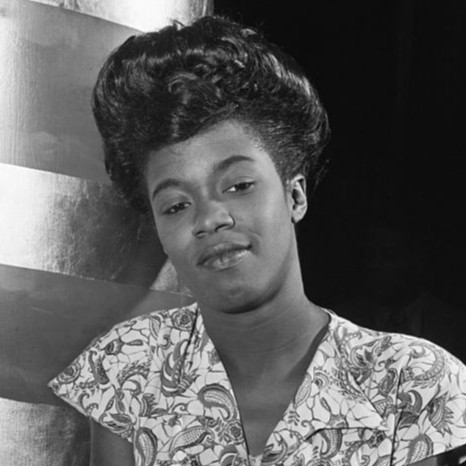
Sarah Vaughan
1954–1997
·
4 albums
Listen
3
/5
Genres
Deep Indie Pop
Deep indie pop is a moody, finely textured branch of indie pop that favors introspective songwriting, soft-focus production, and intimate vocal delivery. It sits between bedroom pop and dream pop, borrowing lo‑fi warmth and hazy ambience while maintaining the hook sensibility of pop. Compared with mainstream indie pop, the "deep" variant leans toward slower to mid‑tempo grooves, lush synth pads, chorus‑soaked guitars, and subdued drum programming. Lyrics often explore memory, late‑night reflection, and bittersweet romance, presented with close‑miked, breathy vocals and understated arrangements.
Discover
Listen
Pov: Indie
"pov: indie" is a social-media-native microstyle built around short, cinematic indie-pop/indie-rock snippets designed to accompany a first-person (POV) narrative. Instead of being defined by a single new musical technique, it is defined by context: the music is chosen or written to feel like the soundtrack to a specific moment (a crush, a late-night walk, moving to a new city, seasonal nostalgia). Sonically it typically uses bright but soft guitars or synths, intimate vocals, simple memorable hooks, and production that reads clearly on phone speakers. The emotional tone is often wistful, tender, and “coming-of-age,” with lyrics that can be understood quickly in a 10–30 second clip.
Discover
Listen
Bossa Nova
Bossa nova is a Brazilian popular music style that emerged in Rio de Janeiro in the late 1950s, blending samba’s syncopated pulse with the harmonic sophistication and understated cool of jazz. It is characterized by intimate, almost whispered vocals; a nylon‑string guitar playing the distinctive batida (a gently syncopated, two-beat accompaniment); subtle, brushed percussion; and lush, extended jazz harmonies. The mood is relaxed, refined, and full of saudade—a bittersweet sense of longing—often evoking images of Rio’s beaches, nightclubs, and urban modernity.
Discover
Listen
Bebop
Bebop is a modern jazz style characterized by fast tempos, intricate melodies, and harmonically advanced improvisation. It moved jazz from dance-oriented big-band music to art-focused small-ensemble performance, prioritizing virtuosity and spontaneous creativity. Typical bebop groups are quintets or quartets featuring trumpet, alto or tenor saxophone, piano, double bass, and drums. The music emphasizes asymmetrical phrasing, extended chords and substitutions, and contrafacts—new melodies written over the chord changes of popular songs. Rhythm sections center time on the ride cymbal, with the bass walking and the drummer "dropping bombs" on snare and bass drum. Melodies are angular and chromatic, and soloists outline rapidly shifting harmonies with bebop scales, enclosure tones, and altered dominants.
Discover
Listen
Cool Jazz
Cool jazz is a modern jazz style marked by relaxed tempos, lighter tone, and a focus on arrangement, counterpoint, and timbral clarity. It favors understatement over virtuoso display and uses dynamics, space, and balance to create an airy, "cool" ambience. Emerging in the late 1940s, the style drew on bebop’s harmonic sophistication while smoothing its angular edges, often incorporating classical techniques such as linear writing and orchestral color. Hallmarks include brushed drums, lyrical improvisation, careful voice-leading, and unusual instrumentation (for jazz) like French horn and tuba alongside trumpet, saxophones, trombone, piano, bass, and drums. Although associated with the U.S. West Coast in the 1950s, cool jazz originated in New York through sessions led by Miles Davis and arranged by Gil Evans and others. It went on to influence bossa nova, third stream, modal jazz, and later smooth jazz and lounge aesthetics.
Discover
Listen
Traditional Pop
Traditional pop is the pre–rock and roll mainstream of American popular song, centered on the Great American Songbook and the crooner/orchestral style that dominated radio, records, and film musicals from the 1930s through the 1950s. It favors memorable melodies, elegant lyrics (often about romance), and lush arrangements for strings, woodwinds, and big band rhythm sections. Singers use close‑mic "crooning" to deliver expressive, legato phrasing over jazz‑tinged harmonies and steady, unhurried grooves. Typical forms include the 32‑bar AABA standard, with sophisticated but accessible harmony (secondary dominants, ii–V–I cycles, tasteful modulations) and an emphasis on interpretation—how the vocalist shades timing, dynamics, and diction to make a familiar song feel personal.
Discover
Listen
Vocal Jazz
Vocal jazz is a jazz tradition in which the human voice is treated as an instrument—matching the phrasing, articulation, and timbral nuance of horns or piano. Singers often improvise melodically and rhythmically, including using scat singing (nonsense syllables) to emulate instrumental solos. At the same time, many vocal‑jazz performances favor traditional, pop‑leaning song structures and clear lyric delivery, reducing the overall role of extended improvisation compared with small‑group instrumental jazz. Repertoires frequently draw from Tin Pan Alley and Broadway standards (the Great American Songbook), rendered with swing, ballad, or Latin feels.
Discover
Listen
Standards
Standards refers to the shared core repertoire of widely known songs in American popular music, especially those from the Great American Songbook. These pieces became "standards" because they have been performed, recorded, and reinterpreted across decades by countless singers and jazz instrumentalists. Typically originating from Tin Pan Alley, Broadway, and Hollywood films of the early–mid 20th century, standards are marked by memorable melodies, refined lyric craft, and harmonically rich progressions that invite interpretation and improvisation. Many use 32‑bar song forms (AABA or ABAC), employ circle‑of‑fifths motion, secondary dominants, and occasional key changes, and work equally well as ballads or swinging uptempo pieces. Today, standards function as a common language for jazz and traditional pop musicians, anchoring jam sessions, vocal recitals, and crossover projects while continuing to inspire new arrangements and recordings.
Discover
Listen
Jazz
Jazz is an improvisation-centered music tradition that emerged from African American communities in the early 20th century. It blends blues feeling, ragtime syncopation, European harmonic practice, and brass band instrumentation into a flexible, conversational art. Defining features include swing rhythm (a triplet-based pulse), call-and-response phrasing, blue notes, and extended harmonies built on 7ths, 9ths, 11ths, and 13ths. Jazz is as much a way of making music—spontaneous interaction, variation, and personal sound—as it is a set of forms and tunes. Across its history, jazz has continually hybridized, from New Orleans ensembles and big-band swing to bebop, cool and hard bop, modal and free jazz, fusion, and contemporary cross-genre experiments. Its influence permeates global popular and art music.
Discover
Listen
Tin Pan Alley
Tin Pan Alley refers to the late‑19th- and early‑20th‑century New York music‑publishing hub that industrialized the creation and promotion of American popular song. Centered around West 28th Street in Manhattan, publishers and song pluggers churned out catchy tunes for mass sheet‑music sales and vaudeville performance. Musically, Tin Pan Alley songs favored memorable melodies, clear hooks, and singable ranges, often set in 3/4 waltz time or 4/4 with light syncopation picked up from ragtime. The prevailing 32‑bar AABA form became a defining template, with diatonic harmony enriched by secondary dominants, circle‑of‑fifths motion, and occasional modulations. Culturally, Tin Pan Alley fed Broadway revues, vaudeville circuits, and later radio and film, laying the foundation of the Great American Songbook. Its output ranges from romantic ballads to novelty numbers and uptempo dance songs, shaping the language of American popular music for decades.
Discover
Listen
Show all 10 genres
Albums
1997
2
/5
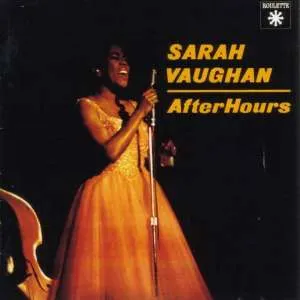
After Hours
Sarah Vaughan
Standards
1958
1
/5
Sing the Best of Irving Berlin
Sarah Vaughan & Billy Eckstine
Tin Pan Alley
Jazz
Vocal Jazz
1954
3
/5
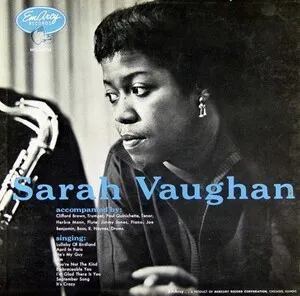
Sarah Vaughan
Sarah Vaughan
Standards
Traditional Pop
Vocal Jazz
1954
1
/5
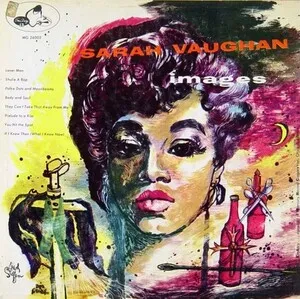
Images
Sarah Vaughan
Bebop
Similar artists
4
/5
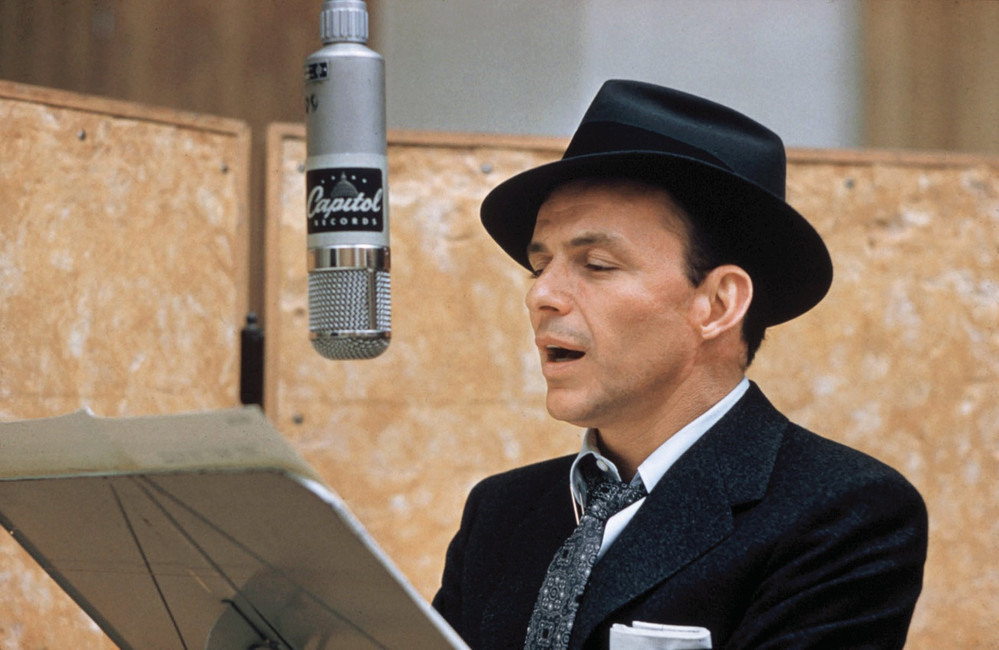
Frank Sinatra
Big Band
Jazz
Swing
4
/5
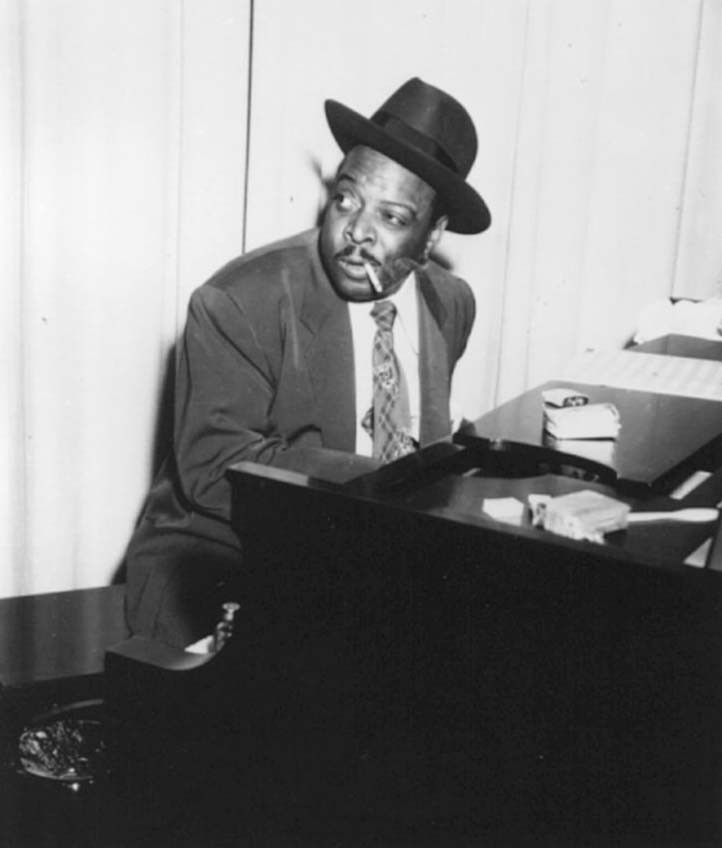
Count Basie
Harlem Renaissance
Swing
Jazz
2
/5
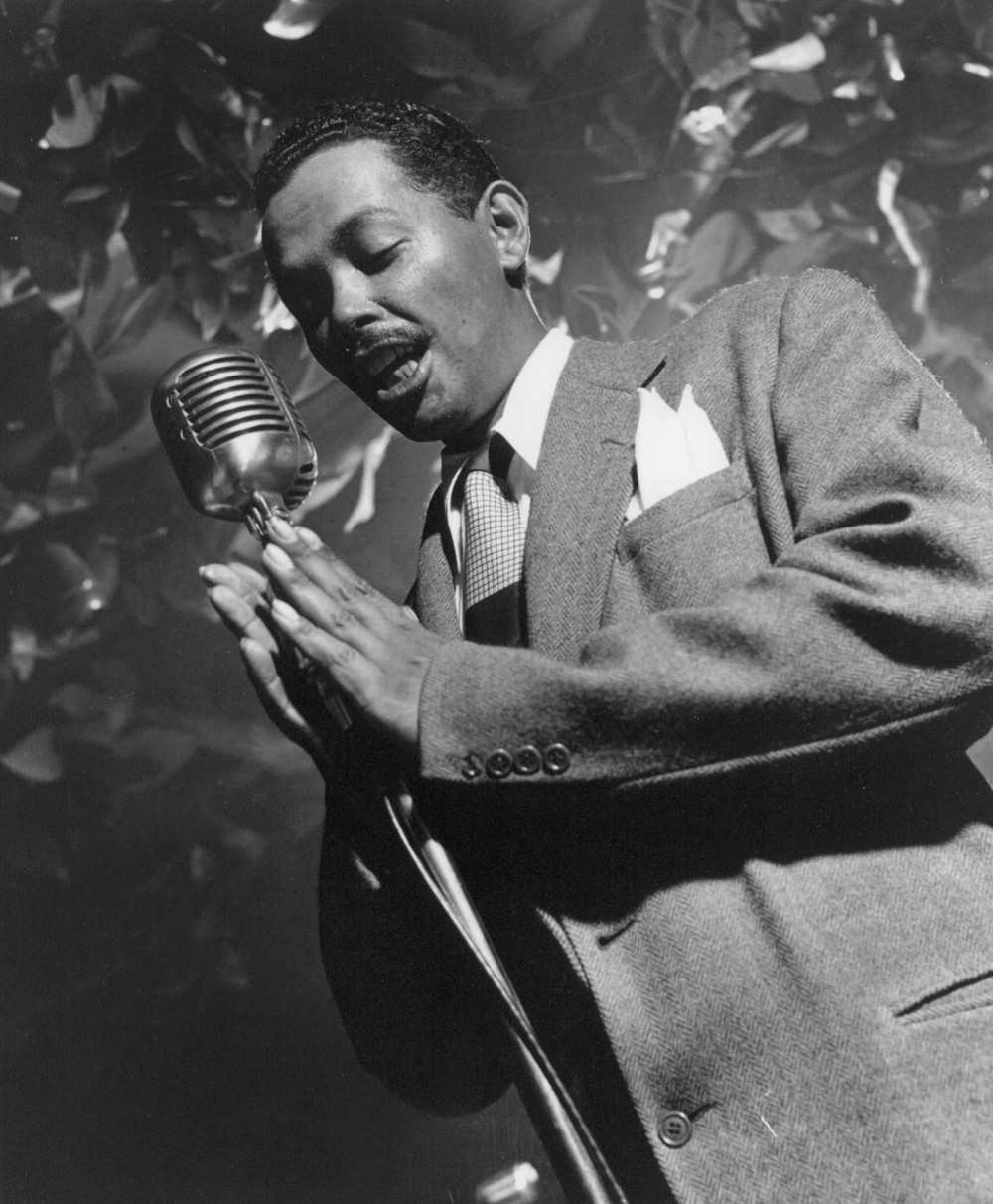
Billy Eckstine
Vocal Jazz
Bebop
Big Band
4
/5
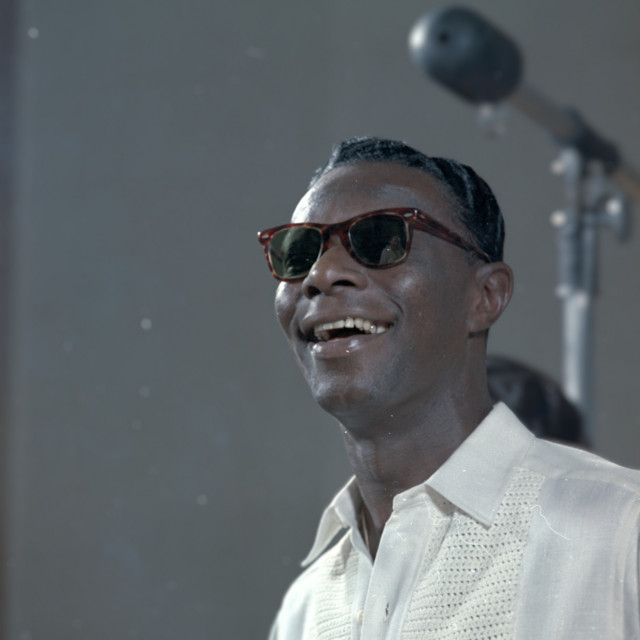
Nat King Cole
Swing
Vocal Jazz
Adult Standards
4
/5
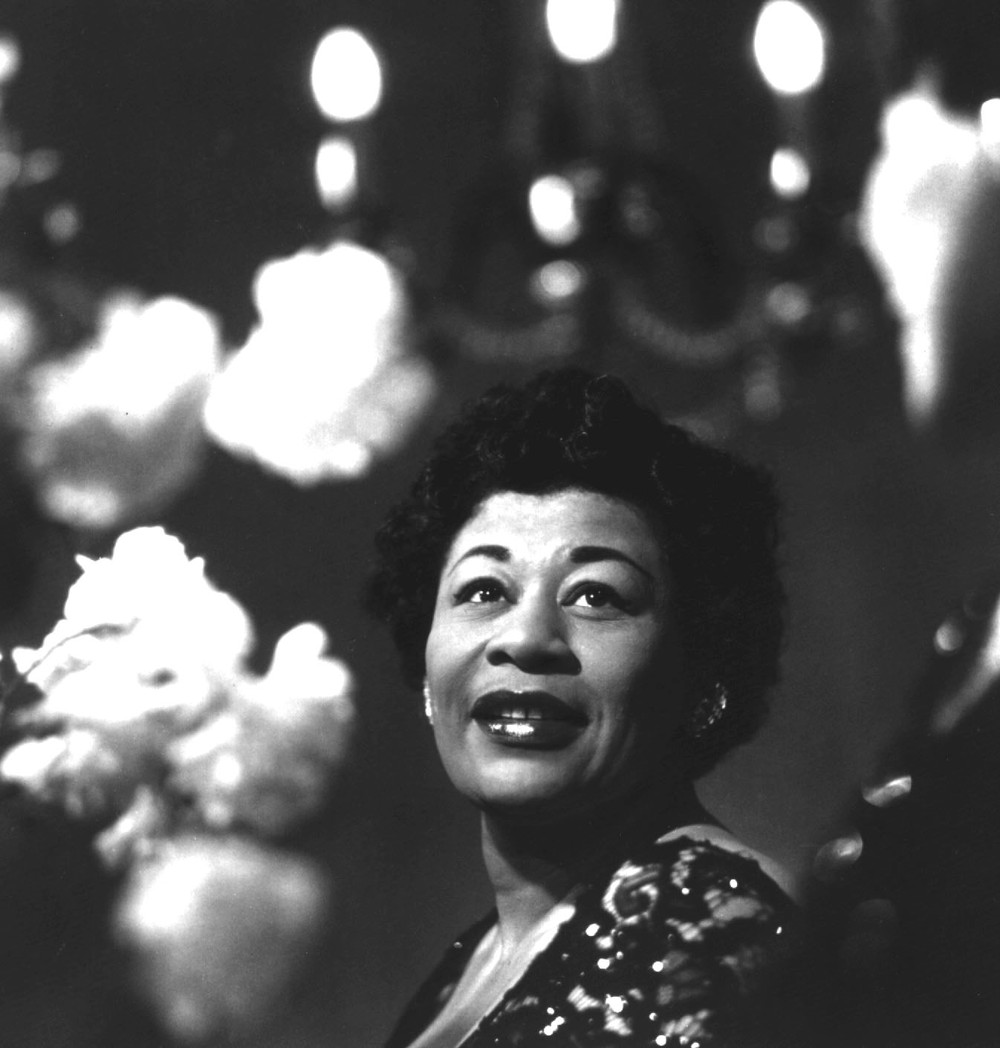
Ella Fitzgerald
Vocal Jazz
Swing
Standards
4
/5
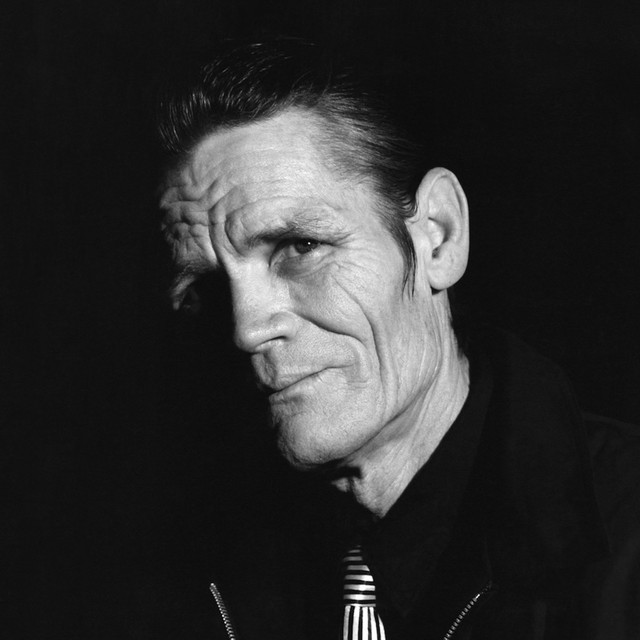
Chet Baker
Jazz Trumpet
Cool Jazz
Vocal Jazz
4
/5
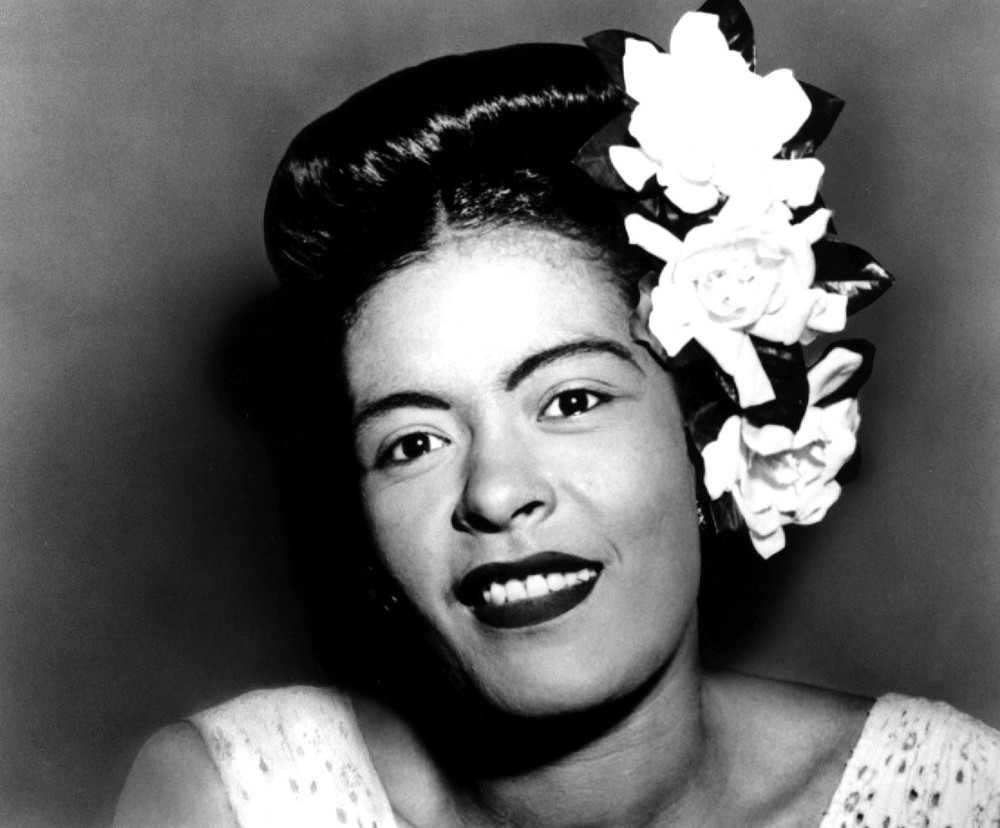
Billie Holiday
Harlem Renaissance
Jazz
Swing
4
/5
Miles Davis
Jazz
Jazz Fusion
Hard Bop
4
/5
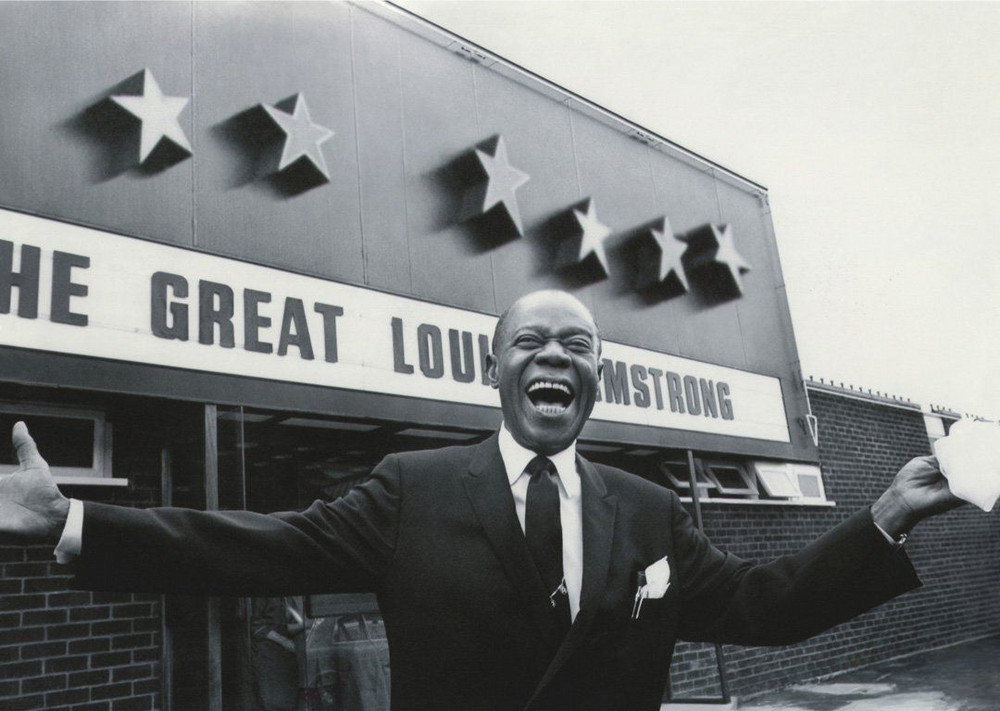
Louis Armstrong
Dixieland
Harlem Renaissance
Jazz Trumpet
1
/5
Various Artists
Afro-Funk
Alternative Rock
Ambient
Download our mobile app
Get the Melodigging app and start digging for new genres on the go
Download on the App Store
Get it on Google Play
© 2026 Melodigging
Give feedback
Legal
Melodding was created as a tribute to
Every Noise at Once
, which inspired us to help curious minds keep digging into music's ever-evolving genres.