Genres
Artists
Albums
Make Music
Sign in
Sign in
Artists
Disco
Artists
Disco
Santa Esmeralda
1983
·
1 album
Listen
2
/5
Genres
Italo Beats
Italo beats is a contemporary, club-oriented offshoot of the classic Italian Italo sound, fusing the sleek melodicism of 1980s Italo disco with the punch and polish of modern European dance music. Typical tracks feature four-on-the-floor drums, bright synth leads, rubbery basslines, and hook-forward vocals that lean into romantic or nightlife themes. Rather than being a strict historical movement, Italo beats functions as a modern production style and DJ vernacular that revives Italo’s earworm melodies and neon textures while adopting current mixdown aesthetics (sidechained pads, wider stereo imaging, and festival-ready low end). It thrives in streaming-era dance culture, uniting Italian, Central/Eastern European, and broader EU producers around a recognizable “Italo-flavored” club sound.
Discover
Listen
Doble Paso
Doble paso is a high‑tempo reggaetón variant characterized by running the classic dembow groove at double speed, creating a frenetic, hard‑hitting feel aimed squarely at the dance floor. Compared with standard reggaetón drum patterns (typically around 90–100 BPM), doble paso accelerates the same rhythmic skeleton to roughly 120–140 BPM, often accompanying a club dance of the same name. Producers keep the core syncopation and low‑end punch of reggaetón while tightening hi‑hats, adding denser percussion fills, and favoring short, chant‑like hooks that match the breathless pace. The result is intense, perreo‑ready energy that bridges classic reggaetón, Dominican dembow’s urgency, and club‑forward editing trends.
Discover
Listen
Disco
Disco is a dance-music genre and nightlife subculture that crystallized in the United States during the 1970s, drawing especially from African-American, Italian-American, Latino, and queer club communities. Musically, disco is typified by a steady four-on-the-floor kick drum, syncopated and melodic electric-bass lines, lush string sections, bright brass and horns, electric pianos and synthesizers, and percussive, choppy rhythm guitars. Arrangements often feature orchestral colors, handclaps, congas, and vibraphone or bell textures, all engineered to deliver a continuous, groove-forward experience for the dance floor. The style combines the rich orchestration and romantic sweep of Philadelphia soul with the bottom-end drive of funk and the songcraft of contemporary R&B/pop, delivered in DJ-friendly extended mixes and 12-inch singles designed for club play.
Discover
Listen
Latin Disco
Latin disco is a dance-oriented fusion that layers the four-on-the-floor pulse, strings, and extended arrangements of 1970s disco with Afro-Caribbean and Latin American rhythmic vocabularies. It emphasizes congas, timbales, cowbell, and hand percussion playing tumbao and clave-derived patterns, alongside horn mambos, call-and-response coros, and montuno vamps. Born largely in New York and Miami’s Nuyorican, Cuban, and broader Latin diasporas, the sound bridged salsa/boogaloo and soul/funk to the discotheque, often presented in DJ-friendly 12-inch mixes with long instrumental breaks. Songs frequently blend English and Spanish (or Spanglish), pairing romantic or celebratory themes with joyous, highly danceable grooves.
Discover
Listen
Euro-Disco
Euro-disco is a European-driven branch of disco that emerged in the mid-to-late 1970s, centered around studio hubs in Germany (especially Munich), France, and Italy. It is characterized by a steady four-on-the-floor beat, sequenced or arpeggiated synthesizer basslines, lush string arrangements, glossy production, and hook-heavy, often minor-key melodies. Compared with American disco, Euro-disco leaned more heavily on electronic textures and motorik repetition, creating a sleek, futuristic feel that became a template for later electronic pop and dance music. Lyrically and thematically it favors romance, nightlife escapism, and space-age or cosmopolitan imagery. The term is also used more broadly for a closely related 1980s wave (sometimes styled “Eurodisco”) associated with polished German and pan-European productions.
Discover
Listen
Funk
Funk is a rhythm-forward African American popular music style that centers on groove, syncopation, and interlocking parts. Rather than emphasizing complex chord progressions, funk builds tight, repetitive vamps that highlight the rhythm section and create an irresistible dance feel. The genre is marked by syncopated drum patterns, melodic yet percussive bass lines, choppy guitar "chanks," punchy horn stabs, call‑and‑response vocals, and a strong backbeat. Funk’s stripped-down harmony, prominent use of the one (accenting the downbeat), and polyrhythmic layering draw deeply from soul, rhythm and blues, jazz, gospel, and African rhythmic traditions. From James Brown’s late-1960s innovations through the expansive P-Funk universe and the slicker sounds of the 1970s and 1980s, funk has continually evolved while seeding countless other genres, from disco and hip hop to house and modern R&B.
Discover
Listen
Pop
Pop is a broad, hook-driven style of popular music designed for wide appeal. It emphasizes memorable melodies, concise song structures, polished vocals, and production intended for radio, charts, and mass media. While pop continually absorbs elements from other styles, its core remains singable choruses, accessible harmonies, and rhythmic clarity. Typical forms include verse–pre-chorus–chorus, frequent use of bridges and middle-eights, and ear-catching intros and outros. Pop is not defined by a single instrumentation. It flexibly incorporates acoustic and electric instruments, drum machines, synthesizers, and increasingly digital production techniques, always in service of the song and the hook.
Discover
Listen
Latin
Latin (as a genre label) is a broad umbrella used by the recording industry to categorize popular music rooted in Latin America, the Caribbean, and the Iberian world, often characterized by syncopated Afro-diasporic rhythms, dance-forward grooves, and lyrics primarily in Spanish or Portuguese. As a marketplace category that took shape in the mid-20th century United States, it gathers diverse traditions—Afro-Cuban, Brazilian, Mexican, and Caribbean styles—into a shared space. In practice, "Latin" spans everything from big-band mambo and bolero ballads to contemporary pop, rock, hip hop, and dance fusions produced by artists of Latin American heritage.
Discover
Listen
Soundtrack
Soundtrack is music created to accompany and enhance visual media such as film, television, and video games. It includes original scores (instrumental or vocal music composed specifically for the picture) and, at times, curated compilations of pre-existing songs. Stylistically, soundtrack is a meta-genre that can encompass orchestral symphonic writing, jazz, electronic and synth-driven textures, choral forces, popular song, and experimental sound design. Its defining trait is functional storytelling: themes, motifs, harmony, rhythm, and timbre are shaped by narrative needs, character psychology, pacing, and editing. Common features include leitmotifs for characters or ideas, modular cues that can be edited to picture, dynamic orchestration for dramatic range, and production approaches that sit well under dialogue and sound effects. Because it must synchronize to picture, soundtrack often uses clear dramatic arcs, tempo maps, and hit points.
Discover
Listen
Show all 9 genres
Albums
1983
1
/5
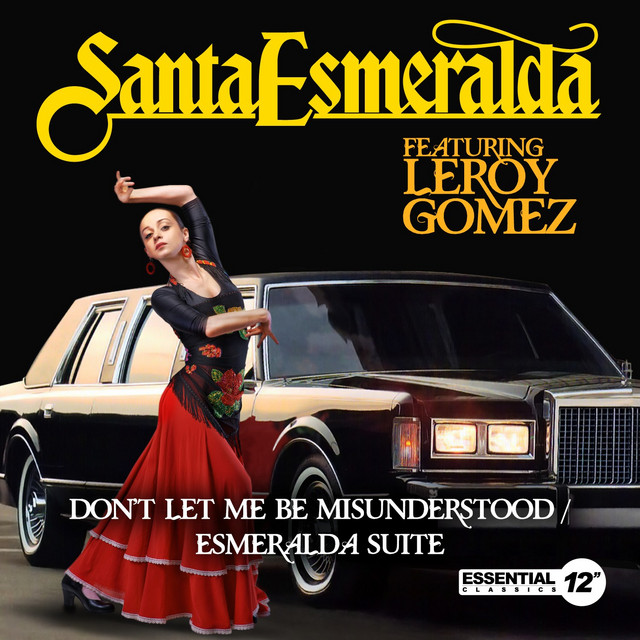
Don't Let Me Be Misunderstood
Santa Esmeralda Starring Leroy Gomez
Latin Disco
Disco
Latin
Similar artists
1
/5
Various Artists
Afro-Funk
Alternative Rock
Ambient
3
/5
Giorgio Moroder
Disco
Electronic
Deep Big Room
3
/5
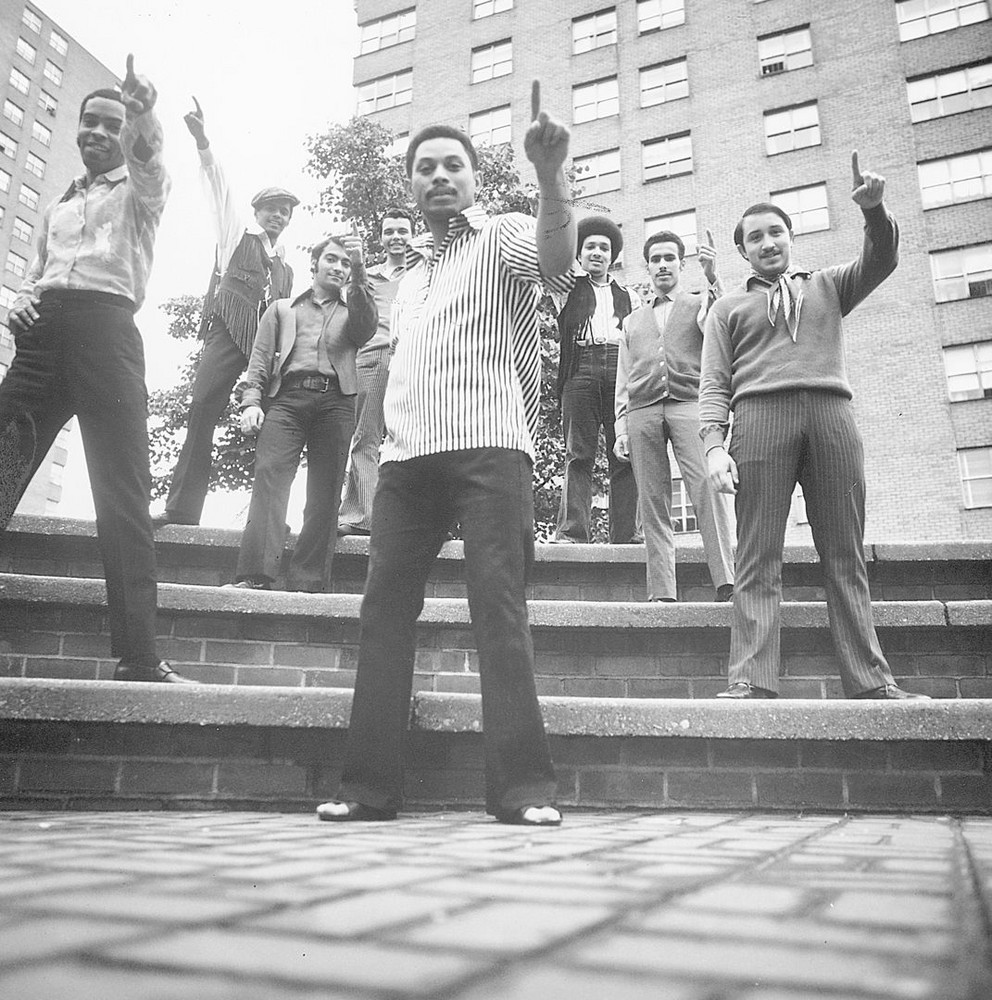
Joe Bataan
Boogaloo
Latin Soul
Latin Disco
2
/5
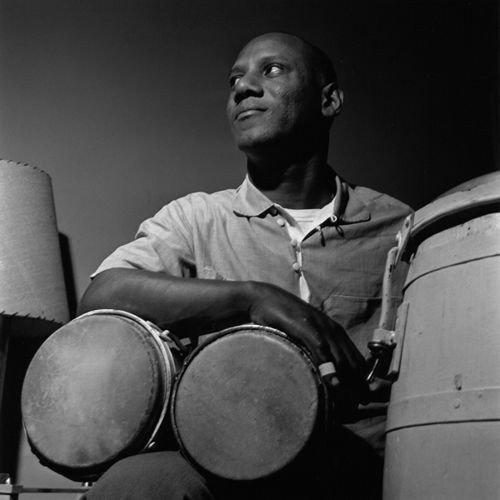
Candido
Disco
Latin Disco
Latin Jazz
5
/5
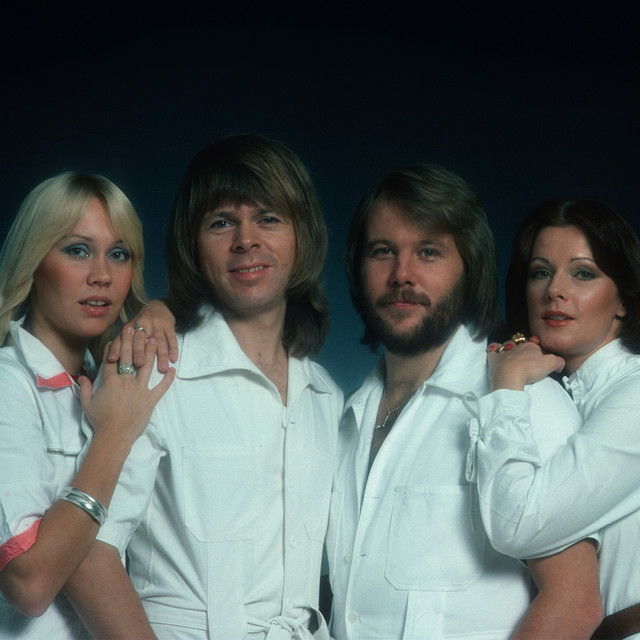
ABBA
Europop
Pop
Swedish Pop
4
/5
Prince
Funk
Minneapolis Sound
Synth Funk
4
/5
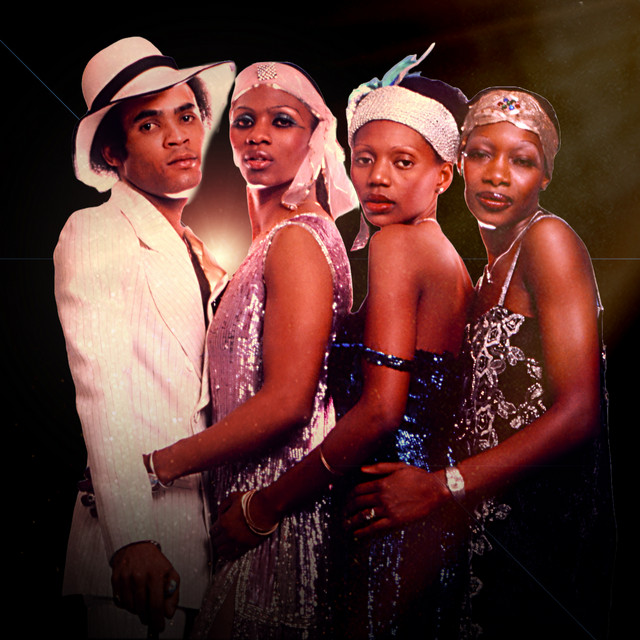
Boney M.
Disco
Euro-Disco
Europop
4
/5
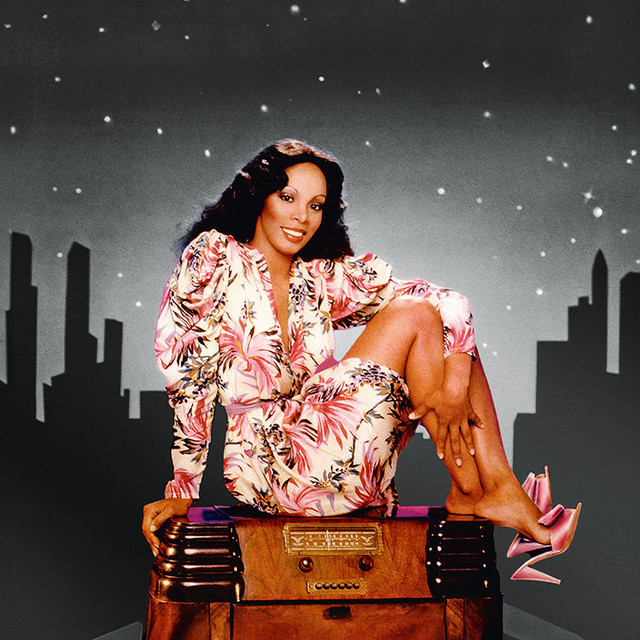
Donna Summer
Disco
Hi-Nrg
Electronic
3
/5
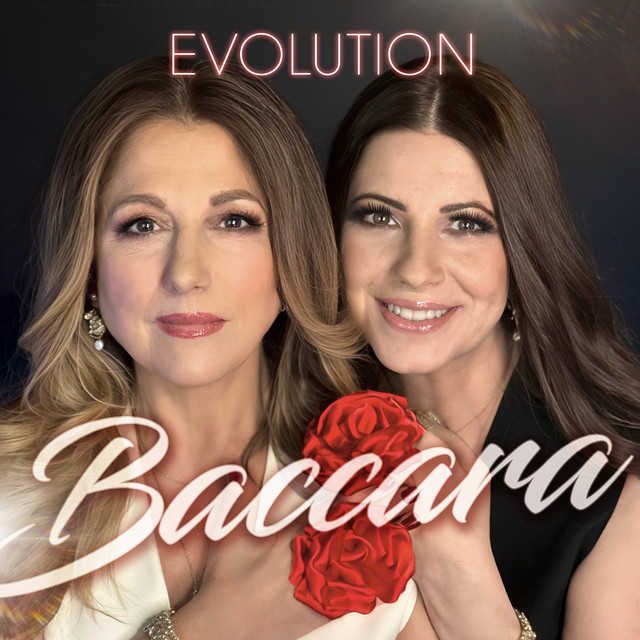
Baccara
Disco
Shimmer Psych
Euro-Disco
3
/5
Cerrone
Disco
Euro-Disco
Electronic
Download our mobile app
Get the Melodigging app and start digging for new genres on the go
Download on the App Store
Get it on Google Play
© 2026 Melodigging
Give feedback
Legal
Melodding was created as a tribute to
Every Noise at Once
, which inspired us to help curious minds keep digging into music's ever-evolving genres.