Genres
Artists
Albums
Make Music
Sign in
Sign in
Artists
Disco
Artists
Disco
Cerrone
1976–2014
·
6 albums
Listen
3
/5
Genres
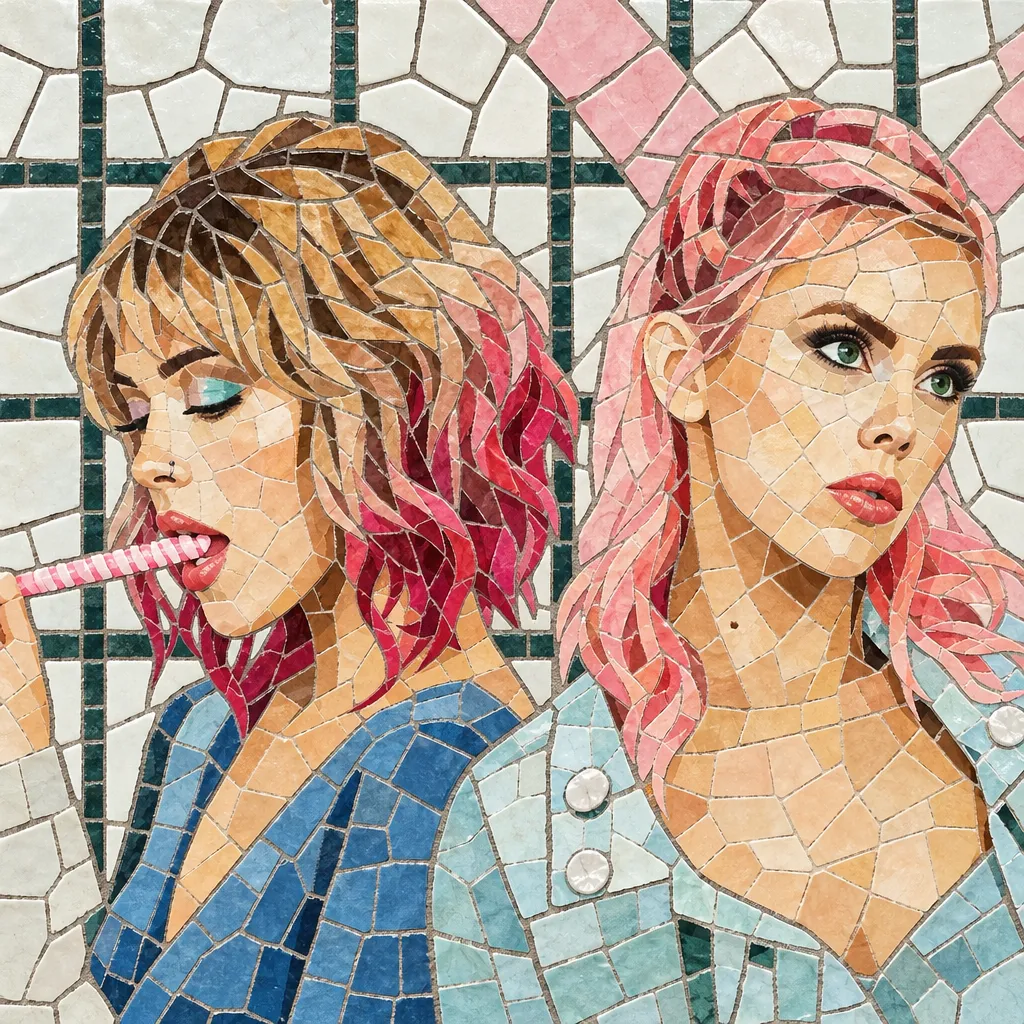
Candy Pop
Candy pop is a super-bright, hook-forward branch of contemporary pop that emphasizes sweetness in both sound and theme. It blends bubblegum-style melodies with modern, glossy production, favoring catchy toplines, clean harmonies, and playful textures. Arrangements lean on glittery synths, claps, hand-percussion, and buoyant four-on-the-floor or bouncy half-time beats. Lyrics typically revolve around crushes, friendship, first love, and carefree fun, delivered with enthusiastic, youthful vocals. Compared with classic bubblegum pop, candy pop adopts current pop techniques (EDM builds, post-chorus hooks, subtle trap-lite percussion) and borrows visual and melodic cues from J-pop and K-pop’s “kawaii” aesthetics.
Discover
Listen
Chill Pop
Chill pop is a contemporary pop micro‑genre that blends radio‑friendly songwriting with the mellow textures of chillout and lo‑fi aesthetics. It favors soft vocals, smooth synths, clean guitar plucks, understated bass, and relaxed, mid‑tempo grooves. Instead of big, bombastic hooks, chill pop tends toward intimate, conversational melodies and minimal, airy arrangements. Production often borrows from bedroom pop and alternative R&B—subtle trap hi‑hats, warm saturation, roomy reverbs, and gentle side‑chain compression—to create a breezy, pastel sound palette well suited to playlists and late‑night listening. Lyrically, chill pop is introspective and relatable: romance, longing, gentle optimism, and coming‑of‑age themes delivered in a plain‑spoken, whisper‑close tone. The result sits between indie pop’s understated cool and mainstream pop’s catchy structures, optimized for the streaming era’s mood‑driven consumption.
Discover
Listen
Italo Beats
Italo beats is a contemporary, club-oriented offshoot of the classic Italian Italo sound, fusing the sleek melodicism of 1980s Italo disco with the punch and polish of modern European dance music. Typical tracks feature four-on-the-floor drums, bright synth leads, rubbery basslines, and hook-forward vocals that lean into romantic or nightlife themes. Rather than being a strict historical movement, Italo beats functions as a modern production style and DJ vernacular that revives Italo’s earworm melodies and neon textures while adopting current mixdown aesthetics (sidechained pads, wider stereo imaging, and festival-ready low end). It thrives in streaming-era dance culture, uniting Italian, Central/Eastern European, and broader EU producers around a recognizable “Italo-flavored” club sound.
Discover
Listen
Deep Deep House
Deep deep house is a late-evolution branch of deep house that emphasizes warmth, space, and subtlety over overt hooks or peak-time energy. Compared with classic deep house, it leans even more toward minimal, dub-inflected textures, extended harmonies, and long atmospheric tails. Tracks typically feature understated yet weighty low end, soft Rhodes or pad chords rich in 7ths/9ths, lightly swung percussion, and carefully sculpted ambience. The mood is intimate and immersive—club music that invites close listening as much as dancing—often suited to small rooms, lounges, after-hours sets, and sunset/sunrise moments.
Discover
Listen
Deep Disco House
Deep disco house is a club-focused fusion of deep house’s moody harmony and groove with disco’s live‑band feel, string swells, and bass‑guitar swagger. It favors warm, analog textures, filtered samples, and soulful vocals, but keeps the arrangement long and DJ‑friendly. Expect a steady four‑on‑the‑floor kick (typically 116–123 BPM), syncopated hi‑hats and claps, rubbery bass lines, Rhodes or piano chords (often minor 7/9 voicings), and tasteful use of disco strings, guitar chops, and hand percussion. Compared to straight disco house, the sound is deeper, more hypnotic and heads‑down, with extended sections for mixing and subtle dynamic rises rather than big festival drops.
Discover
Listen
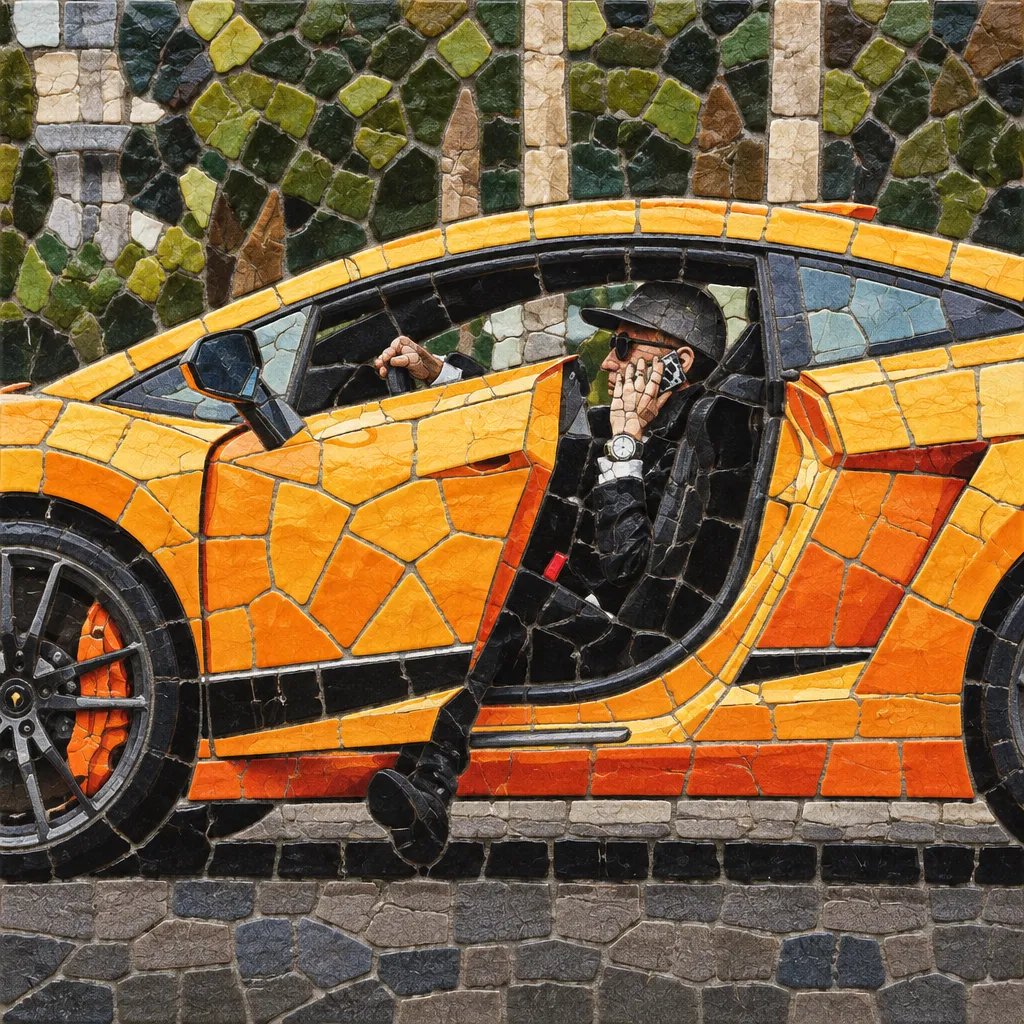
Deep Funk Ostentacao
Deep funk ostentação is a moody, late‑night variant of São Paulo’s funk ostentação, emphasizing deeper sub‑bass, sparse percussion, and atmospheric pads while retaining the genre’s themes of luxury, status, and upward mobility. Compared with the brighter, EDM‑leaning hits of ostentação in the early 2010s, the “deep” approach strips arrangements down to hypnotic tamborzão grooves, 808 low‑end, and minimal, minor‑key synth motifs. Vocals often sit closer to the beat, with autotune and chant‑like hooks, but the lyrical focus remains on conspicuous consumption (cars, brands, nightlife) filtered through a more introspective, nocturnal aesthetic.
Discover
Listen
Popwave
Popwave is a song‑forward branch of synthwave that fuses glossy 1980s pop aesthetics with contemporary electronic production. Where classic synthwave often favors instrumental, cinematic moods, popwave puts vocals and hooks at the center: big choruses, radio‑ready structures, and emotive lyrics about youth, night drives, neon‑lit romance, and bittersweet nostalgia. Sonically it leans on analog‑styled polysynths, driving eighth‑note basslines, gated‑reverb drums, shimmering guitars, and frequent sax or lead‑guitar cameos—yet it’s mixed and mastered to modern pop standards. The result is a style that feels simultaneously retro and current: the color and optimism of 80s chart pop, filtered through the songwriting discipline of today’s electropop and the sound design DNA of synthwave.
Discover
Listen
Progressive Electro House
Progressive electro house is a festival‑ready hybrid that marries the long, melodic builds and emotive chord progressions of progressive house with the gritty basslines, saw‑lead stabs, and syncopated drops of electro house. Tracks typically run around 126–130 BPM in 4/4, featuring wide supersaw stacks, side‑chained pads, and bright, anthemic toplines that crescendo into aggressive, electro‑flavored drops. The style thrived during the early 2010s EDM boom, with Dutch and Scandinavian producers pushing a sound designed for big‑room and main‑stage impact. Production aesthetics favor layered synth leads (Serum, Sylenth1, Massive), tight festival kicks, off‑beat open hats, sweeping risers, and snare‑roll builds, while arrangements spotlight tension‑and‑release between harmonic, euphoric breakdowns and powerful, synth‑driven drops.
Discover
Listen
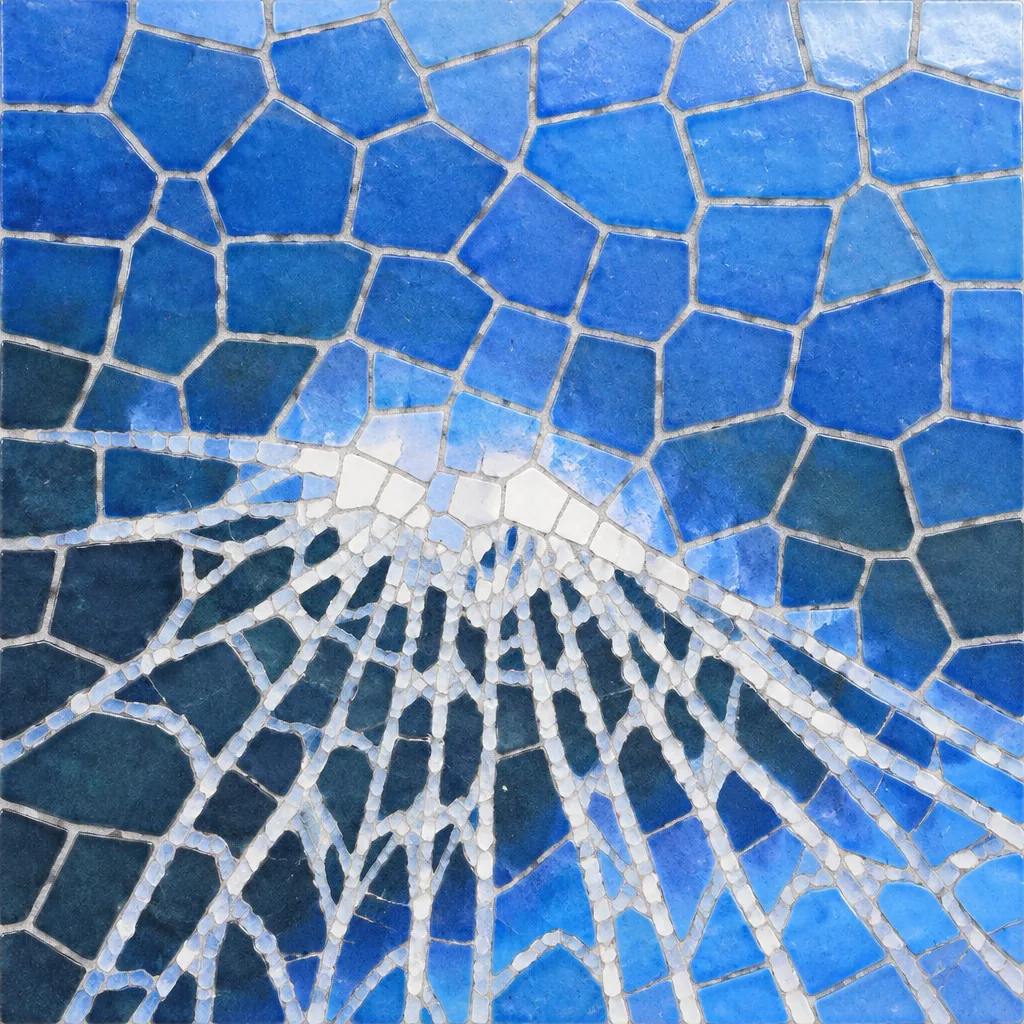
Dark Disco
Dark disco is a mid‑tempo, nocturnal strain of club music that fuses the hypnotic pulse of disco with the grit of post‑punk, EBM, coldwave, and industrial. It favors ominous basslines, minor‑key harmonies, reverb‑soaked guitars and vocals, and analog synth textures, resulting in a moody, cinematic atmosphere that is equally suited to sweaty basements and late‑night festival stages. Tempos typically sit between 105–120 BPM, with emphasis on groove, tension, and shadowy drama rather than maximal speed or brightness.
Discover
Listen
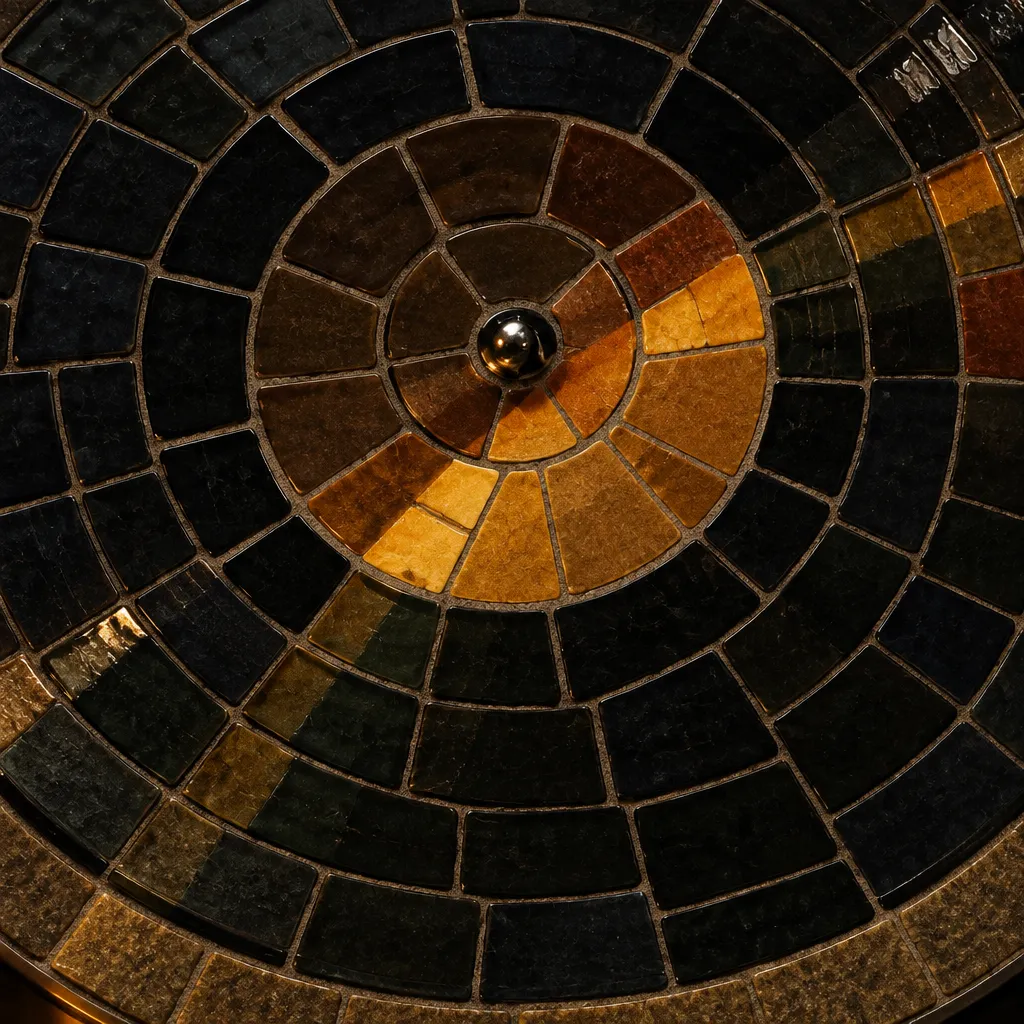
Nightrun
Nightrun is a synthwave-adjacent microgenre built for the sensation of cruising through a neon-lit city at night. It blends retro-’80s analog synth timbres, melodramatic minor-key harmonies, and steady four-on-the-floor or motorik grooves with a glossy, cinematic finish. Compared to broader synthwave, nightrun tends to be slightly leaner and more driving: pulsing bass arpeggios, gated snares, and shimmering pads frame soaring lead melodies that evoke nocturnal highways, sodium lights, and distant horizons. Tempos typically sit in the midtempo range (about 85–110 BPM), with arrangements that rise and fall like a night drive—quiet intros, long cruising sections, and cathartic choruses. Aesthetically, it borrows the neon futurism of 1980s action and thriller soundtracks, while adopting modern production sheen and sidechain pumping. The result is danceable yet reflective electronic music tailored to late-night motion and nostalgic escapism.
Discover
Listen
Small Room
Small room is a contemporary micro‑genre that sits near bedroom pop and intimate indie folk, defined by hushed, close‑miked vocals, minimal arrangements, and soft dynamics. Its recordings emphasize the natural, dry sound of a single space—often literally a small room—creating an intimate, confessional atmosphere. Typical instrumentations include gentle acoustic or clean electric guitar, soft piano, understated electronic drums, and airy pads or lo‑fi textures. Tempos are moderate to slow, harmonic movement is simple and diatonic, and lyrics focus on introspection, relationships, and everyday detail. The overall aesthetic privileges understatement, warmth, and proximity, as if the artist were singing a private demo directly to the listener.
Discover
Listen
Uk Jackin
UK jackin is a bass-forward strain of house and UK garage that emerged in the UK during the early 2010s. It blends the swing and shuffle of garage with the chunky, percussive drive of house, emphasizing rubbery low‑end riffs, organ stabs, and chopped R&B or soul vocals. Compared with classic Chicago jackin’ house, the UK variant is darker and punchier, drawing heavily from bassline and UK bass aesthetics. Tracks typically sit around 124–130 BPM, use swung drums and syncopated bass patterns, and are arranged with DJ‑friendly intros, tension‑building breakdowns, and emphatic drops.
Discover
Listen
Nu Disco
Nu disco is a 21st‑century reinterpretation of 1970s/early‑1980s disco, post‑disco, and Italo‑disco aesthetics filtered through modern house production. It favors warm analog timbres, live‑sounding basslines, four‑on‑the‑floor drums, and lush chords, but with contemporary clarity, arrangement discipline, and low‑end weight. Compared with classic disco or disco house, nu disco typically runs a touch slower and groovier, leans into Balearic and space‑disco atmospheres, and often blends boogie/funk instrumentation with synth‑pop and French‑house sensibilities. It is equally at home on sunset terraces and peak‑time dancefloors, embracing both nostalgia and modern dance utility.
Discover
Listen
Disco House
Disco house is a subgenre of house music that fuses the four-on-the-floor pulse and DJ/club culture of house with the songcraft, instrumentation, and feel-good ethos of 1970s disco and late-1970s/early-1980s post‑disco. Characterized by looped and filtered samples of disco strings, rhythm guitars, horn stabs, and soulful vocals, it commonly employs low‑pass filter sweeps, pumping sidechain compression, and swung hi‑hats to create a warm, euphoric, and dance‑centric groove. Typical tempos range from 118–128 BPM. The style is closely associated with the mid‑to‑late 1990s “French Touch” wave (Parisian producers popularizing filtered disco loops), but its roots include Chicago house’s sample-based approach and the lush arrangements of Philadelphia soul.
Discover
Listen
French House
French house, often called the "French touch," is a sample-centric substyle of house music known for filtering and looping fragments of 1970s–1980s disco, boogie, and funk. It features a steady four-on-the-floor kick, syncopated and swung hi-hats, punchy sampled basslines, and a distinctive "pumping" feel created by heavy sidechain compression. Production commonly emphasizes warm, saturated textures and filter sweeps—automated low‑pass and high‑pass filters that open and close across loops—to create tension and release on the dancefloor. Vocoder or talkbox-tinted vocals, brief earworm hooks, and concise, groove-first arrangements are typical, with tempos usually between 120–128 BPM. The sound is closely associated with Parisian labels and crews from the mid-to-late 1990s and early 2000s, and it helped re-popularize disco aesthetics within contemporary dance music.
Discover
Listen
Hi-Nrg
Hi-NRG (pronounced "high energy") is a fast, hard-driving form of post-disco dance music characterized by four-on-the-floor kick drums, octave-jumping synth basslines, bright synth stabs, and powerful, often belted vocals. Typical tempos range from about 125 to 140 BPM, giving the music a relentless momentum designed for peak-time club play. The style fuses the glossy sheen of Euro-disco and synth-pop with the muscular immediacy of electronic drum machines and sequencers. It is closely associated with LGBTQ+ club culture, anthemic choruses, and themes of empowerment, desire, and nightlife. Signature production touches include gated-reverb snares, handclaps, glittering arpeggios, and dramatic key changes that heighten emotional lift.
Discover
Listen
Italo-Disco
Italo-disco is a European form of disco and early electronic pop that blossomed in Italy in the early 1980s. It is characterized by four-on-the-floor drum-machine grooves, sequenced bass arpeggios, glossy synthesizer leads, and reverb-laden vocals that often sing in English with a distinctly continental accent. The style favors catchy hooks, romantic or futuristic themes, and extended 12-inch mixes designed for dancefloors. Typical tempos range from 110–125 BPM, with bright synth brass, string pads, and handclap-heavy patterns that give it a buoyant, neon-lit feel.
Discover
Listen
Post-Disco
Post-disco emerged at the turn of the 1980s as club music adapted to the backlash against late-1970s disco. It kept disco’s dance-floor focus but pared down the orchestral lushness, replacing strings and large horn sections with drum machines, synthesizers, and tighter funk- and soul-informed grooves. The style favors mid-tempo, bass-forward rhythms (often around 105–120 BPM), crisp handclaps, syncopated rhythm guitar, and glossy keyboard textures. It served as a bridge between classic disco and later developments like boogie, electro-funk, house, freestyle, and dance-pop, defining the sonic palette of early 1980s urban contemporary R&B.
Discover
Listen
Vocal House
Vocal house is a soulful, song‑forward branch of house music built around prominent lead vocals, memorable hooks, and uplifting messages. It retains the four‑on‑the‑floor pulse of classic house while foregrounding singers in a way that invites sing‑along choruses and radio crossover. The style blends Chicago/NYC house drum programming with disco’s feel‑good ethos, R&B and gospel‑influenced harmonies, and piano/organ chords. Typical productions feature steady 4/4 kicks, syncopated hi‑hats, bouncing basslines, Korg M1 pianos or organs, lush pads, and expansive reverb and delay on the vocals. Lyrical themes often center on love, resilience, community, and dancefloor catharsis.
Discover
Listen
Disco
Disco is a dance-music genre and nightlife subculture that crystallized in the United States during the 1970s, drawing especially from African-American, Italian-American, Latino, and queer club communities. Musically, disco is typified by a steady four-on-the-floor kick drum, syncopated and melodic electric-bass lines, lush string sections, bright brass and horns, electric pianos and synthesizers, and percussive, choppy rhythm guitars. Arrangements often feature orchestral colors, handclaps, congas, and vibraphone or bell textures, all engineered to deliver a continuous, groove-forward experience for the dance floor. The style combines the rich orchestration and romantic sweep of Philadelphia soul with the bottom-end drive of funk and the songcraft of contemporary R&B/pop, delivered in DJ-friendly extended mixes and 12-inch singles designed for club play.
Discover
Listen
Euro-Disco
Euro-disco is a European-driven branch of disco that emerged in the mid-to-late 1970s, centered around studio hubs in Germany (especially Munich), France, and Italy. It is characterized by a steady four-on-the-floor beat, sequenced or arpeggiated synthesizer basslines, lush string arrangements, glossy production, and hook-heavy, often minor-key melodies. Compared with American disco, Euro-disco leaned more heavily on electronic textures and motorik repetition, creating a sleek, futuristic feel that became a template for later electronic pop and dance music. Lyrically and thematically it favors romance, nightlife escapism, and space-age or cosmopolitan imagery. The term is also used more broadly for a closely related 1980s wave (sometimes styled “Eurodisco”) associated with polished German and pan-European productions.
Discover
Listen
Electro-Disco
Electro-disco is a late-1970s strand of disco that foregrounds electronic instruments—sequenced synthesizers, drum machines, and vocoders—over traditional rhythm sections. It typically features a steady four-on-the-floor kick, arpeggiated or step-sequenced basslines, lush string or pad textures, and futurist or space-themed aesthetics. Tempos usually sit between 115–128 BPM, with extended arrangements designed for DJs. Pioneered in European studios (especially Munich), the sound’s clean, machine-like pulse and repetitive motifs bridged classic disco with the coming era of synth-pop, Hi-NRG, house, and techno.
Discover
Listen
Pop
Pop is a broad, hook-driven style of popular music designed for wide appeal. It emphasizes memorable melodies, concise song structures, polished vocals, and production intended for radio, charts, and mass media. While pop continually absorbs elements from other styles, its core remains singable choruses, accessible harmonies, and rhythmic clarity. Typical forms include verse–pre-chorus–chorus, frequent use of bridges and middle-eights, and ear-catching intros and outros. Pop is not defined by a single instrumentation. It flexibly incorporates acoustic and electric instruments, drum machines, synthesizers, and increasingly digital production techniques, always in service of the song and the hook.
Discover
Listen
Electronic
Electronic is a broad umbrella genre defined by the primary use of electronically generated or electronically processed sound. It encompasses music made with synthesizers, drum machines, samplers, computers, and studio/tape techniques, as well as electroacoustic manipulation of recorded or synthetic sources. The genre ranges from academic and experimental traditions to popular and dance-oriented forms. While its sonic palette is rooted in electricity and circuitry, its aesthetics span minimal and textural explorations, structured song forms, and beat-driven club permutations. Electronic emphasizes sound design, timbre, and studio-as-instrument practices as much as melody and harmony.
Discover
Listen
Show all 24 genres
Albums
2014
1
/5
Cerrone 3: Supernature
Cerrone
Euro-Disco
1981
2
/5
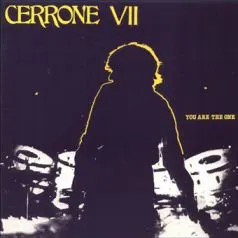
Cerrone VII - You Are the One
Cerrone
Euro-Disco
Disco
Electronic
1977
3
/5
Cerrone 3: Supernature
Cerrone
Disco
Electronic
1977
2
/5
Cerrone's Paradise
Cerrone
Euro-Disco
1976
2
/5
Love in C minor
Cerrone
Euro-Disco
Disco
Electronic
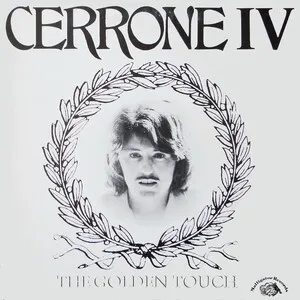
Cerrone IV: The Golden Touch
Cerrone
Euro-Disco
Similar artists
4
/5
Donna Summer
Disco
Hi-Nrg
Electronic
2
/5
Amanda Lear
Disco
Euro-Disco
Hi-Nrg
2
/5
Space
Italo-Disco
Disco
Electronic
4
/5
Boney M.
Disco
Euro-Disco
Europop
1
/5
Various Artists
Afro-Funk
Alternative Rock
Ambient
3
/5
Giorgio Moroder
Disco
Electronic
Deep Big Room
3
/5
Patrick Cowley
Hi-Nrg
Disco
Electro-Disco
3
/5
Lime
Hi-Nrg
Disco
Chicago House
5
/5
Daft Punk
Electronic
Filter House
Electro
5
/5
ABBA
Europop
Pop
Swedish Pop
Download our mobile app
Get the Melodigging app and start digging for new genres on the go
Download on the App Store
Get it on Google Play
© 2026 Melodigging
Give feedback
Legal
Melodding was created as a tribute to
Every Noise at Once
, which inspired us to help curious minds keep digging into music's ever-evolving genres.