Genres
Artists
Albums
Make Music
Sign in
Sign in
Artists
Electronic
Artists
Electronic
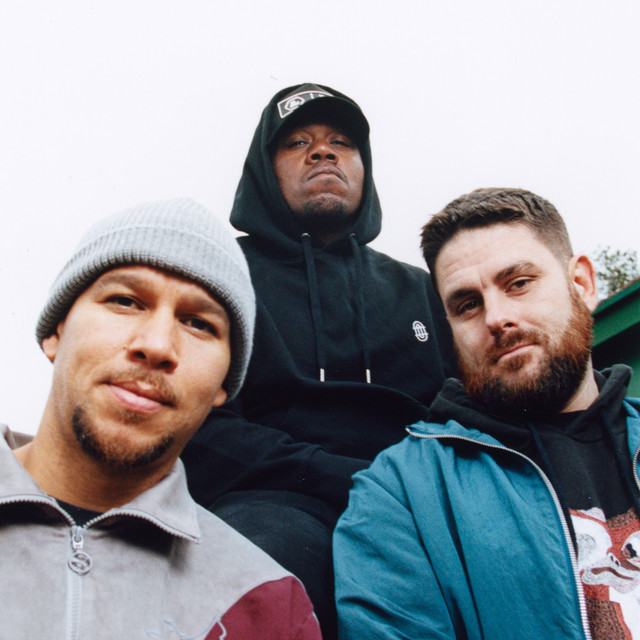
Rudimental
2013–2022
·
4 albums
Listen
4
/5
Genres
Stutter House
Stutter house is a contemporary house microgenre defined by the percussive use of chopped and rapidly re-triggered vocal fragments that “stutter” rhythmically over a four-on-the-floor groove. Producers slice a short vocal phrase into tiny grains (often 1/8–1/32 notes), gate or retrigger them in syncopated patterns, and then pitch-, formant-, or time-shift the pieces to create a hook that functions as both melody and rhythm. The style typically runs at 124–130 BPM, pairs a tight, sidechained low-end with crisp tech house drums, and relies on minimalist arrangement so the stuttering vocal lead remains the focal point. It borrows the tactile, loop-centric immediacy of tech house and the glitchy ear-candy of modern EDM while keeping club mixing and dancefloor momentum in mind.
Discover
Listen
Afro Drill
Afro drill is a regionalized form of drill that fuses the gritty, sliding-808 sonics and half‑time bounce of UK/Chicago drill with African rhythmic feel, languages, and street narratives. Born around the turn of the 2020s in Ghana (popularly called the Asakaa movement) and quickly echoed across other African scenes and diasporas, it retains drill’s cold, minor‑key atmosphere while introducing Afrobeats/highlife‑tinged melodies, syncopated percussion, and local flows in Twi, Ghanaian Pidgin, Yoruba, Sheng, and more. The result is music that is simultaneously raw and danceable—dark, street‑level storytelling delivered with regional slang and call‑and‑response hooks, framed by modern drill drum programming and African groove sensibilities.
Discover
Listen
Chill Pop
Chill pop is a contemporary pop micro‑genre that blends radio‑friendly songwriting with the mellow textures of chillout and lo‑fi aesthetics. It favors soft vocals, smooth synths, clean guitar plucks, understated bass, and relaxed, mid‑tempo grooves. Instead of big, bombastic hooks, chill pop tends toward intimate, conversational melodies and minimal, airy arrangements. Production often borrows from bedroom pop and alternative R&B—subtle trap hi‑hats, warm saturation, roomy reverbs, and gentle side‑chain compression—to create a breezy, pastel sound palette well suited to playlists and late‑night listening. Lyrically, chill pop is introspective and relatable: romance, longing, gentle optimism, and coming‑of‑age themes delivered in a plain‑spoken, whisper‑close tone. The result sits between indie pop’s understated cool and mainstream pop’s catchy structures, optimized for the streaming era’s mood‑driven consumption.
Discover
Listen
Chill R&b
Chill R&B is a mellow, atmospheric branch of contemporary R&B that emphasizes intimate vocals, warm harmonies, and low-key, downtempo grooves. It blends the songwriting and emotive delivery of classic R&B with modern, minimal production, often borrowing the hazy textures of lo-fi hip hop and the spacious sound design of ambient and chillwave. The style is defined by soft, close-miked vocals with layered harmonies, smooth chord extensions, and restrained drum programming that leaves plenty of negative space. Lyrically, it leans into late-night introspection, romance, self-reflection, and mood-setting imagery. The overall effect is cozy and cinematic, designed for headphones, night drives, and relaxed listening.
Discover
Listen
Covertronica
Covertronica is a microgenre centered on electronically produced cover versions of well‑known songs. Artists retain the recognizability of the original melodies and hooks, but reimagine them with contemporary electronic palettes—glossy synths, side‑chained pads, drum machines, 808s, and modern pop/EDM production. The style thrives on clever reharmonization (e.g., minor/major flips), tempo shifts, and textural redesign, often translating rock, soul, or classic pop into sleek electropop/indietronica frameworks. Vocals are typically polished and upfront, with stacked harmonies, tight autotune as a color (when desired), and arrangement tricks such as filtered intros, half‑time drops, and breakdowns that mirror club and synth‑pop dynamics. Because the repertoire comes from existing songs, covertronica is as much about curatorial taste and arrangement craft as it is about sound design, making it a meeting point between DJ culture’s recontextualization and the singer‑producer era of the internet.
Discover
Listen
Deep Big Room
Deep big room is a hybrid branch of EDM that fuses the stadium-scale drops and arrangement of big‑room house with the warmer timbres, deeper basslines, and more groove‑led sensibilities of deep/progressive house. Instead of the piercing supersaw leads and maximalist claps typical of early‑2010s main‑stage tracks, deep big room favors chunky, sidechained low‑end, percussive toplines, filtered plucks, organ/piano stabs, and longer, moodier breakdowns. The result is music that still “hits” on large systems but reads less abrasive—more rolling, hypnotic, and groove‑centric—while retaining crowd‑moving build/drop architecture.
Discover
Listen
High Vibe
High vibe is a contemporary, wellness-oriented microgenre that blends uplifting pop songwriting with gentle electronic textures and spiritually tinged lyrics. It emphasizes positivity, gratitude, self-empowerment, and connection to nature, often employing soothing vocal timbres, airy pads, acoustic guitars or piano, and light, mid-tempo grooves. The production is spacious and warm, favoring reverb-washed atmospheres, soft percussion, and subtle world-influenced instrumentation to create a sense of calm elevation. While rooted in pop accessibility, high vibe draws on new age and devotional traditions, bringing mantra-like hooks and affirmational refrains into modern indie and electronic frameworks.
Discover
Listen
Melancholia
Melancholia is an internet-era microgenre centered on soft-focus, sorrow-tinged pop and indie songs that foreground intimacy, space, and emotional candor. Tracks are typically slow to mid‑tempo, sung in a close, almost confessional register, and framed by sparse, reverb‑soaked textures. Sonically it lives between dream pop, bedroom pop, and slowcore: shimmering guitars or wistful synth pads drift over understated beats; piano, acoustic guitar, and low‑key electronic drums carry muted, pulsing grooves. Harmonies often favor minor keys, suspended chords, and gentle extensions (7ths/9ths) that heighten a bittersweet glow. Lyrically, melancholia lingers on solitude, late‑night self‑reflection, breakups, and fragile hope. The genre coalesced through streaming playlists and social media, where its hush, negative space, and diaristic tone translate into a cohesive, instantly recognizable mood.
Discover
Listen
Modern Downshift
Modern downshift is a contemporary, playlist-era microgenre that blends hushed alternative pop and alt‑R&B sensibilities with the spaciousness of downtempo and ambient pop. Songs are typically slow to mid‑tempo, minimal in arrangement, and intimate in vocal delivery—often breathy, close‑miked, and confessional. Production emphasizes warmth and negative space: soft sub‑bass, restrained percussion, reverb‑washed pads or guitars, and gentle saturation that keeps the overall texture velvety and nocturnal. Lyrically, the style skews introspective and late‑night: relationships, vulnerability, quiet self‑reflection, and the emotional afterglow of parties or city drives. The result is music that feels low‑key and cinematic—designed as much for solitary listening as for low‑light social settings.
Discover
Listen
Re:techno
Re:techno is a contemporary, internet-native tag within the techno ecosystem that signals a return to early‑2000s loop/hardgroove aesthetics, updated with modern punch, loudness, and precision. Typically in the 130–138 BPM range, tracks emphasize driving 4/4 kicks, rolling off‑beat bass patterns, swung hi‑hats, toms, shakers, and tribal/Latin‑coded percussive riffs. The harmony is sparse—often limited to filtered stabs or drones—so that rhythm and texture carry the dance floor. Long DJ‑friendly intros/outros, incremental filtering, quick fills, and micro‑arrangement changes give the music an endlessly propulsive feel. Rather than inventing a new sound from scratch, re:techno reframes an existing lineage (Swedish/Iberian loop techno, hardgroove, acid/tribal currents) for today’s clubs and digital marketplaces, delivering highly mixable “tool” tracks that are functional, funky, and relentlessly dance‑floor oriented.
Discover
Listen
Tropical House
Tropical house is a mellow, melodic offshoot of deep house that blends a four-on-the-floor pulse with sun-soaked timbres like steel drums, marimba, pan flute, and warm acoustic guitar. It typically runs around 100–115 BPM, favors major-key progressions, and foregrounds breezy hooks over heavy drops, making it feel more like a summer pop record than a club banger. Vocals often carry romantic, nostalgic, or escapist themes—beaches, sunsets, and travel—while the production emphasizes soft percussion, sidechained pads, and a smooth, rolling sub. The genre rose to global prominence mid-2010s through hit remixes and crossover singles that brought house aesthetics into mainstream pop radio.
Discover
Listen
Ukg Revival
UKG revival refers to the modern resurgence of UK garage (UKG) aesthetics after the style’s early‑2000s decline. It recasts classic 2‑step swing, rubbery sub‑bass, chopped R&B vocals, and organ/piano stabs with contemporary production, club formats, and pop sensibilities. Typical tracks sit around 128–135 BPM, with syncopated, skippy drum programming and swung hi‑hats, soulful chord colors, and prominent, rolling basslines. The revival often blends speed‑garage grit, bassline energy, and house polish, while borrowing contemporary topline writing and social‑media‑driven hooks for wider crossover appeal. Culturally, the movement connects today’s audiences to late‑’90s/early‑’00s UKG heritage (pirate radio, MC culture, and champagne‑garage euphoria) through fresh artists, labels, and events that foreground inclusivity, DIY distribution, and festival‑ready anthems.
Discover
Listen
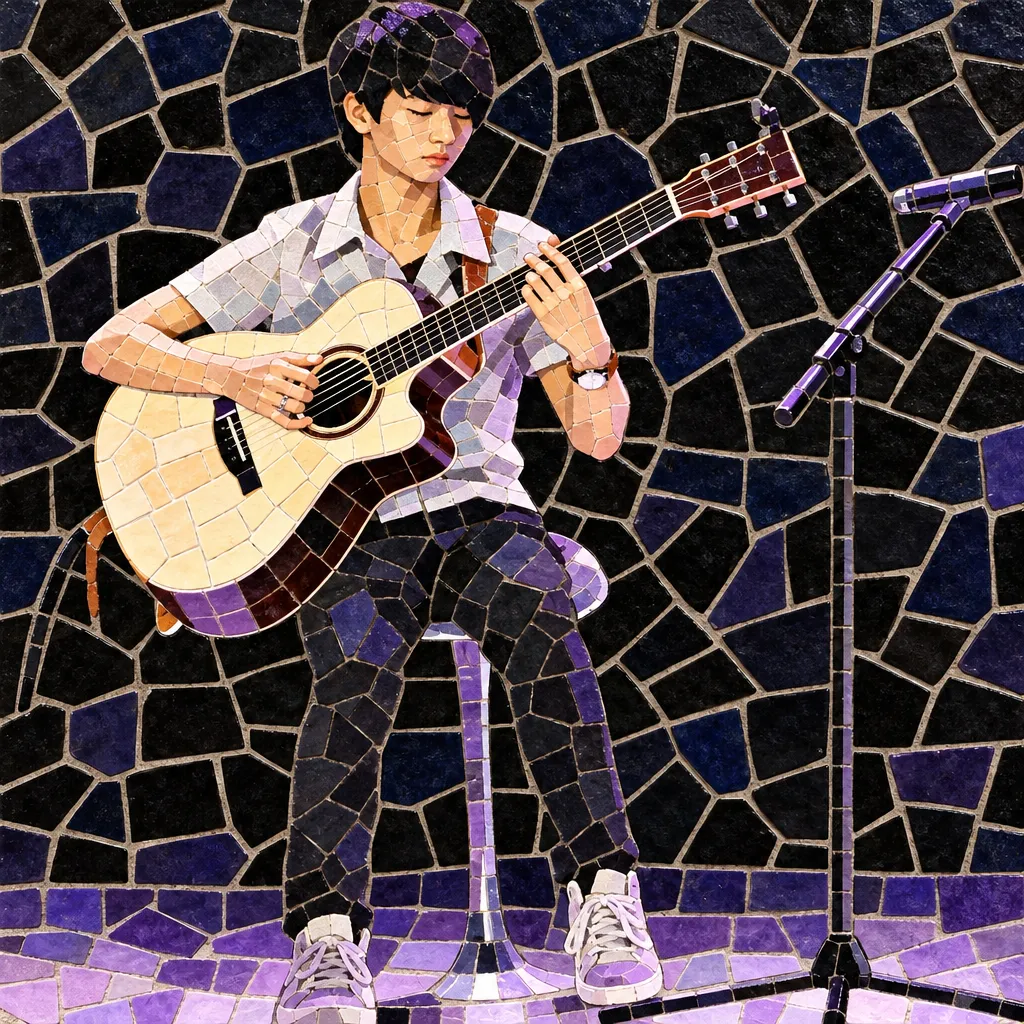
Acoustic Guitar Cover
Acoustic guitar cover is a contemporary practice of reinterpreting well‑known songs on a solo or prominently featured acoustic guitar, often as fully arranged instrumentals and sometimes with intimate, unplugged vocals. Built on fingerstyle and modern percussive techniques, performers weave a song’s melody, bass, and harmony into a single guitar part. The sound skews warm, spacious, and close‑mic’d—optimized for streaming, playlists, and social video. While rooted in older guitar traditions, its identity solidified in the streaming era as a calm, portable format for pop, rock, and film/TV themes. Today it serves multiple listening contexts—study, focus, weddings, coffeehouse ambience—and acts as a bridge between mainstream hits and guitar artistry.
Discover
Listen
Uk Jackin
UK jackin is a bass-forward strain of house and UK garage that emerged in the UK during the early 2010s. It blends the swing and shuffle of garage with the chunky, percussive drive of house, emphasizing rubbery low‑end riffs, organ stabs, and chopped R&B or soul vocals. Compared with classic Chicago jackin’ house, the UK variant is darker and punchier, drawing heavily from bassline and UK bass aesthetics. Tracks typically sit around 124–130 BPM, use swung drums and syncopated bass patterns, and are arranged with DJ‑friendly intros, tension‑building breakdowns, and emphatic drops.
Discover
Listen
Dancefloor Drum And Bass
Dancefloor drum and bass is a high-energy, club-focused branch of drum and bass tailored for peak-time play and big-room impact. It emphasizes crisp, punchy drums at 170–174 BPM, bold and memorable bass hooks (from Reese lines to foghorns and modern neuro-inspired leads), and clear, festival-ready arrangements with big builds and explosive drops. Compared to more niche or experimental DnB strands, dancefloor DnB prioritizes immediacy, strong hooks, and DJ-friendly phrasing while retaining the genre’s core rhythmic intensity. Sonically it draws from jungle’s breakbeat DNA, techstep and neurofunk’s sound-design rigor, and the melodic lift of liquid funk, often incorporating pop-leaning toplines or anthemic synth leads to reach broad audiences.
Discover
Listen
Uk Funky
UK funky is a London-born club style that fuses house music’s four-on-the-floor pulse with syncopated, Afro‑Caribbean percussion and a distinctly British bass sensibility. Usually sitting around 125–130 BPM, it favors swung, polyrhythmic drum patterns, rolling subs, and concise chord stabs over maximal, ravey textures. Vocals range from soulful, R&B‑leaning hooks to MC chants and call‑and‑response crowd shouts, keeping the dancefloor feel front and center. The result is a percussive, party‑focused sound that bridges house, UK garage, and African/Caribbean rhythmic DNA, while retaining DJ‑friendly structures and space for singers and MCs.
Discover
Listen
Liquid Funk
Liquid funk (often called liquid drum and bass) is a melodic, soulful offshoot of drum and bass that emphasizes musicality over aggression. It typically runs at 170–174 BPM and features rolling breakbeats, warm sub‑bass, lush pads, jazzy chords, and expressive vocals or instrumental leads. Drawing on soul, funk, jazz, house, and ambient textures, liquid funk trades distorted basslines and harsh sound design for smooth grooves, chordal richness, and emotionally resonant hooks. The result is a sound equally at home on late‑night dancefloors and headphones, balancing dancefloor energy with reflective, feel‑good atmospheres.
Discover
Listen
2-Step
2-step (often called 2-step garage) is a syncopated, shuffling branch of UK garage that replaced house’s four-on-the-floor kick with a skipping, off-kilter drum pattern. Its rhythmic feel is defined by swung hi-hats, ghosted snares, and displaced kicks that leave audible “gaps,” creating a buoyant push-pull groove ideal for dance floors. Harmonically and texturally, 2-step draws heavily from contemporary R&B and US garage, pairing silky chords, Rhodes and organ stabs, and glossy vocal hooks with deep sub-bass and crisp, punchy drums. Producers frequently chop and time-stretch R&B vocals into ear-catching hooks, contrast smooth chords with rugged bass pressure, and keep arrangements DJ-friendly while spotlighting strong songcraft and memorable toplines.
Discover
Listen
Uk Garage
UK garage is a British evolution of US garage/house that emerged in the mid-to-late 1990s around London’s pirate radio, record shops, and clubs. It is characterized by shuffling, syncopated rhythms, swung hi‑hats, crisp snares, and a pronounced sense of groove at roughly 130–138 BPM. The style blends house’s soulful chords and R&B vocals with jungle/drum & bass sound-system bass weight, often featuring chopped and time‑stretched vocal samples, organ/piano stabs, and warm Rhodes textures. Two major strands formed: 4x4 (straight four-on-the-floor with heavy swing) and 2‑step (broken kick patterns that avoid a constant four-on-the-floor). MC toasting and call‑and‑response vocals became a signature of the scene. Substyles include speed garage (darker, bass‑heavier, often with wobbly LFO bass) and 2‑step (sparser, more syncopated drums). UK garage’s club‑ready energy and vocal sensibility propelled it into the mainstream and laid the groundwork for grime, dubstep, bassline, and UK funky.
Discover
Listen
Drum And Bass
Drum and bass (DnB) is a fast, rhythmically intricate form of electronic dance music centered on breakbeats at roughly 160–180 BPM and powerful, sub‑heavy basslines. It grew out of the UK’s early ’90s rave and jungle scenes, combining chopped funk breaks (most famously the Amen break), dub and reggae sound‑system aesthetics, hip‑hop sampling, and techno’s futurist sound design. Across its many substyles—liquid funk’s soulful harmonies, techstep and neurofunk’s cold, machine‑like bass engineering, jump‑up’s hooky bass riffs, atmospheric DnB’s pads and space—drum and bass remains a DJ‑oriented, dancefloor‑driven genre that prizes tight drum programming, deep low end, and precise arrangement for mixing.
Discover
Listen
Deep House
Deep house is a subgenre of house music characterized by warm, soulful textures, jazz-influenced harmony, and understated, hypnotic grooves. It typically runs around 115–124 BPM, favoring subtle swing, syncopated percussion, and rounded, mellow basslines over aggressive peaks. Sonically, deep house draws on extended chords (7ths, 9ths, 11ths), Rhodes and M1 organ timbres, airy pads, and tasteful use of reverb and delay to create a spacious, emotive atmosphere. Vocals, when present, often reference soul and gospel traditions, delivering intimate, reflective themes rather than big-room hooks. The style emerged in the mid-to-late 1980s as producers fused Chicago house rhythms with jazz-funk, soul, and garage house sensibilities, resulting in a smoother, deeper take on the house blueprint.
Discover
Listen
Breakbeat
Breakbeat is a broad branch of electronic music defined by its use of broken, syncopated drum patterns ("breakbeats") rather than straight four-on-the-floor rhythms. Producers typically build tracks from looped and chopped drum breaks—often sampled from vintage funk, jazz, and R&B recordings—layered with basslines, synths, and effects. As both a production technique and a stylistic umbrella, breakbeat underpins and intersects with many scenes: from old‑school hip‑hop turntablism and electro to the UK rave continuum (breakbeat hardcore, big beat, Florida breaks) and onward to garage-derived styles. While not synonymous with jungle and drum & bass, the same culture of sampling and chopping classic breaks (e.g., the Amen break) helped inform those genres as well.
Discover
Listen
Pop
Pop is a broad, hook-driven style of popular music designed for wide appeal. It emphasizes memorable melodies, concise song structures, polished vocals, and production intended for radio, charts, and mass media. While pop continually absorbs elements from other styles, its core remains singable choruses, accessible harmonies, and rhythmic clarity. Typical forms include verse–pre-chorus–chorus, frequent use of bridges and middle-eights, and ear-catching intros and outros. Pop is not defined by a single instrumentation. It flexibly incorporates acoustic and electric instruments, drum machines, synthesizers, and increasingly digital production techniques, always in service of the song and the hook.
Discover
Listen
Electronic
Electronic is a broad umbrella genre defined by the primary use of electronically generated or electronically processed sound. It encompasses music made with synthesizers, drum machines, samplers, computers, and studio/tape techniques, as well as electroacoustic manipulation of recorded or synthetic sources. The genre ranges from academic and experimental traditions to popular and dance-oriented forms. While its sonic palette is rooted in electricity and circuitry, its aesthetics span minimal and textural explorations, structured song forms, and beat-driven club permutations. Electronic emphasizes sound design, timbre, and studio-as-instrument practices as much as melody and harmony.
Discover
Listen
Show all 24 genres
Albums
2022
3
/5
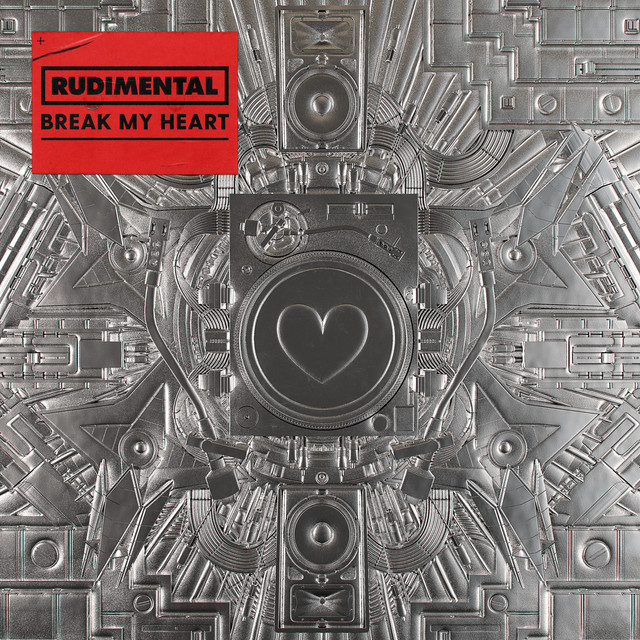
Break My Heart
Rudimental
Uk Funky
2021
3
/5
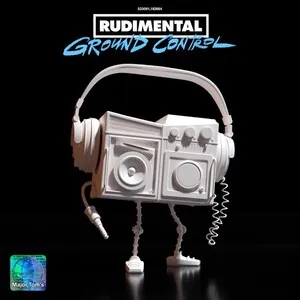
Ground Control
Rudimental
2-Step
Breakbeat
Electronic
2015
3
/5
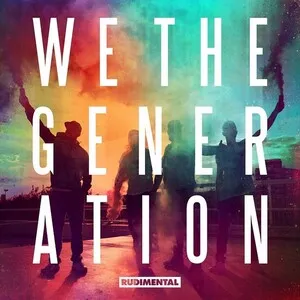
We the Generation
Rudimental
Dancefloor Drum And Bass
2013
2
/5
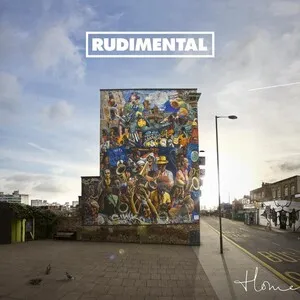
Home
Rudimental
Dancefloor Drum And Bass
Liquid Funk
Similar artists
4
/5
Sub Focus
Drum And Bass
Liquid Funk
Dancefloor Drum And Bass
3
/5
Netsky
Drum And Bass
Liquid Funk
Chillstep
5
/5
Rihanna
Barbadian Pop
Contemporary R&b
Electronic
5
/5
David Guetta
Dance
Electronic
House
5
/5
Calvin Harris
Electro House
Progressive House
Electronic
5
/5
Marshmello
Edm
Electronic
Brostep
5
/5
Selena Gomez
Pop
Post-Teen Pop
Country Dawn
5
/5
The Chainsmokers
Pop
Electronic
Dance-Pop
5
/5
Tiësto
Dance
Trance
Brostep
5
/5
Diplo
Jungle Terror
Bass Trap
The Wave
Download our mobile app
Get the Melodigging app and start digging for new genres on the go
Download on the App Store
Get it on Google Play
© 2026 Melodigging
Give feedback
Legal
Melodding was created as a tribute to
Every Noise at Once
, which inspired us to help curious minds keep digging into music's ever-evolving genres.