Genres
Artists
Albums
Make Music
Sign in
Sign in
Artists
Drum And Bass
Artists
Drum And Bass
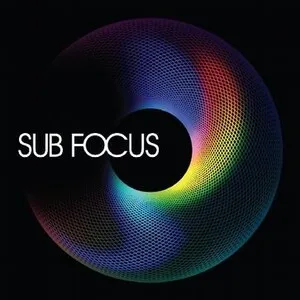
Sub Focus
2009–2025
·
8 albums
Listen
4
/5
Genres
Neo Rave
Neo rave is a contemporary electronic dance music trend that revives and recombines the energy, aesthetics, and rhythmic vocabulary of 1990s and early-2000s rave culture. It typically draws on hard trance, hard house, hard techno, trance, eurodance, donk, and other peak-time club sounds, but presents them with modern production polish, sharper low end, louder masters, internet-age branding, and a fashion-conscious club identity. The style is characterized by fast tempos, forceful four-on-the-floor kick drums, bright or nostalgic synth hooks, trance-inspired buildups, abrasive or euphoric drops, and an intentional blending of underground rave references with contemporary festival and club sensibilities. As a scene label as much as a strict sound category, neo rave often overlaps with hard techno, hypertechno, trance revival, donk-influenced club music, and post-pandemic rave culture. Its appeal lies in combining nostalgia, immediacy, spectacle, and physical dancefloor intensity.
Discover
Listen
Stutter House
Stutter house is a contemporary house microgenre defined by the percussive use of chopped and rapidly re-triggered vocal fragments that “stutter” rhythmically over a four-on-the-floor groove. Producers slice a short vocal phrase into tiny grains (often 1/8–1/32 notes), gate or retrigger them in syncopated patterns, and then pitch-, formant-, or time-shift the pieces to create a hook that functions as both melody and rhythm. The style typically runs at 124–130 BPM, pairs a tight, sidechained low-end with crisp tech house drums, and relies on minimalist arrangement so the stuttering vocal lead remains the focal point. It borrows the tactile, loop-centric immediacy of tech house and the glitchy ear-candy of modern EDM while keeping club mixing and dancefloor momentum in mind.
Discover
Listen
Candy Pop
Candy pop is a super-bright, hook-forward branch of contemporary pop that emphasizes sweetness in both sound and theme. It blends bubblegum-style melodies with modern, glossy production, favoring catchy toplines, clean harmonies, and playful textures. Arrangements lean on glittery synths, claps, hand-percussion, and buoyant four-on-the-floor or bouncy half-time beats. Lyrics typically revolve around crushes, friendship, first love, and carefree fun, delivered with enthusiastic, youthful vocals. Compared with classic bubblegum pop, candy pop adopts current pop techniques (EDM builds, post-chorus hooks, subtle trap-lite percussion) and borrows visual and melodic cues from J-pop and K-pop’s “kawaii” aesthetics.
Discover
Listen
Cinematic Dubstep
Cinematic dubstep is a hybrid of dubstep’s half‑time bass music and the sweep of film score writing. It layers colossal, trailer‑style sound design (impacts, risers, braaams) over orchestral textures—strings, brass, choirs, and big percussion—then delivers 140 BPM drops with growling basses and wide, atmospheric pads. Compared to standard brostep, it leans more narrative and emotive: introductions unfold like a cue from a movie, builds feel like a trailer climax, and breakdowns often return to piano, strings, or ambient soundscapes before a final, ‘act‑three’ drop. The result is music equally at home in esports intros, game/trailer sync, and festival stages.
Discover
Listen
Covertronica
Covertronica is a microgenre centered on electronically produced cover versions of well‑known songs. Artists retain the recognizability of the original melodies and hooks, but reimagine them with contemporary electronic palettes—glossy synths, side‑chained pads, drum machines, 808s, and modern pop/EDM production. The style thrives on clever reharmonization (e.g., minor/major flips), tempo shifts, and textural redesign, often translating rock, soul, or classic pop into sleek electropop/indietronica frameworks. Vocals are typically polished and upfront, with stacked harmonies, tight autotune as a color (when desired), and arrangement tricks such as filtered intros, half‑time drops, and breakdowns that mirror club and synth‑pop dynamics. Because the repertoire comes from existing songs, covertronica is as much about curatorial taste and arrangement craft as it is about sound design, making it a meeting point between DJ culture’s recontextualization and the singer‑producer era of the internet.
Discover
Listen
Deep Big Room
Deep big room is a hybrid branch of EDM that fuses the stadium-scale drops and arrangement of big‑room house with the warmer timbres, deeper basslines, and more groove‑led sensibilities of deep/progressive house. Instead of the piercing supersaw leads and maximalist claps typical of early‑2010s main‑stage tracks, deep big room favors chunky, sidechained low‑end, percussive toplines, filtered plucks, organ/piano stabs, and longer, moodier breakdowns. The result is music that still “hits” on large systems but reads less abrasive—more rolling, hypnotic, and groove‑centric—while retaining crowd‑moving build/drop architecture.
Discover
Listen
Gaming Edm
Gaming EDM is a bright, hook‑driven branch of electronic dance music tailored for online gaming, streaming, and creator culture. It blends festival‑ready drops and sidechained supersaws with melodic, video‑game–friendly timbres (arpeggiated leads, chip/8‑bit flourishes) and clean royalty-friendly production that sits well under voice chat or commentary. The songs are typically concise, high‑energy, and instantly catchy, engineered to loop well on streams and to sync to highlight reels and esports content.
Discover
Listen
Modern Downshift
Modern downshift is a contemporary, playlist-era microgenre that blends hushed alternative pop and alt‑R&B sensibilities with the spaciousness of downtempo and ambient pop. Songs are typically slow to mid‑tempo, minimal in arrangement, and intimate in vocal delivery—often breathy, close‑miked, and confessional. Production emphasizes warmth and negative space: soft sub‑bass, restrained percussion, reverb‑washed pads or guitars, and gentle saturation that keeps the overall texture velvety and nocturnal. Lyrically, the style skews introspective and late‑night: relationships, vulnerability, quiet self‑reflection, and the emotional afterglow of parties or city drives. The result is music that feels low‑key and cinematic—designed as much for solitary listening as for low‑light social settings.
Discover
Listen
Tearout Brostep
Tearout brostep is a hyper-aggressive strain of brostep that emphasizes violently modulated midrange basses, high-impact drops, and rapid-fire switch‑ups. It typically runs at 140–150 BPM in half‑time, pairing chest‑punching snares with seismic subs and screeching or growling lead basses. Producers lean heavily on advanced wavetable/FMX sound design, serial resampling, multiband distortion, OTT-style compression, and tight sidechaining to create a wall of kinetic, metallic energy. Arrangements often feature cinematic intros, tension‑building risers, and whiplash-inducing call‑and‑response bass phrases designed for headbanging festival crowds.
Discover
Listen
Workout Product
Workout product is a functional, production-oriented music micro-genre built for high-energy exercise contexts—HIIT, cardio, strength circuits, spin, and bootcamps. Rather than being artist-led, it is library- and catalog-driven: concise, loop-friendly tracks emphasize a steady, powerful four-on-the-floor pulse, simple hyping hooks, and drop-focused structures that sustain intensity. Typical tempos fall in the 120–150 BPM range (often synced to rep cadence or interval timers), with bright, compressed sonics, sidechained bass, and clear transitional cues for work/rest blocks. It draws from mainstream EDM and dance-pop (big-room builds, future-bass lift, electro-house grit) and modern pop/rap percussion. The result is highly motivational, durable background music that helps pace workouts and energize group classes, digital fitness content, and gym environments.
Discover
Listen
Dubstep Product
Dubstep product is a production/library music take on dubstep tailored for sync: trailers, esports broadcasts, gaming content, advertising, influencer videos, and broadcast bumpers. It takes the sound design, half‑time groove, and drop‑centric structures of UK/US dubstep (including brostep/tearout variants) and packages them into edit‑friendly cues with clean hit points, sting endings, alternate mixes, stems, and duration cuts (15/30/60 seconds). The result balances maximalist bass design with practical considerations for dialogue, sound effects, and branding overlays. Compared with club‑oriented dubstep, dubstep product favors punchy, readable arrangements, cinematic impacts, and clearly marked builds/drops that translate across headphones, TV speakers, and mobile devices.
Discover
Listen
Speed House
Speed house is a high-tempo offshoot of house that accelerates the genre’s usual groove into the 140–155 BPM range while retaining a four-on-the-floor pulse. It fuses the punchy low-end and switch-up drops of bass house with the streamlined structure of tech house, often adding rave-style stabs, fidgety fills, and chopped vocal hooks. Sound design tends to emphasize aggressive, saturated basslines, crisp drum transients, and snappy turnarounds, creating a festival-ready, high-energy feel that still reads as house rather than hard dance. The style became widely identified through the Speed House Movement community and releases, spreading across North America and Europe via DJ edits, label samplers, and social media-driven virality.
Discover
Listen
Brostep
Brostep is a high-intensity, EDM-leaning strain of dubstep that foregrounds aggressively modulated midrange basses, dramatic builds, and arena-sized drops. Where classic UK dubstep emphasizes sub-bass weight, spaciousness, and dubwise minimalism, brostep shifts the focus to bright, distorted, and highly articulated bass sound design, often supported by festival-ready structures and glossy, loud mastering. Typical tempos sit around 140 BPM (often presented in half-time), with snare on beat 3, punchy kick patterns, and dense fills. Signature sounds include vowel/formant "talking" basses, metallic growls, comb-filtered screeches, and heavy multiband distortion, arranged in call-and-response riffs that drive the drop.
Discover
Listen
Hard Drum
Hard drum is a UK-born strain of percussive club music that foregrounds heavy, syncopated drums, sharp transients, and minimal melodic content. Tracks often function as DJ tools: skeletal, high-impact, and designed to generate momentum and tension on the dancefloor. Drawing on UK funky’s swing, grime’s sound-design bite, and Afro-diasporic rhythms (kuduro, batida, gqom), hard drum emphasizes tuned toms, metallic hits, hand percussion, and sub-weighted kicks over sustained chords or vocal leads. The result is a stark, propulsive style that prizes polyrhythms, negative space, and sudden drops as its main dramatic devices.
Discover
Listen
Hybrid Trap
Hybrid trap is an EDM subgenre that fuses Southern hip hop–derived trap rhythms and 808 low end with the sound-design intensity and drop-centric structure of dubstep and electro house. It typically runs at 75/150 BPM in a halftime feel, features skittering hi-hats and snare/clap hits on beat three, and pairs punchy 808 kick–sub combos with midrange growls, reese basses, screeches, and cinematic brass stabs. Producers lean heavily on modern synthesis, resampling, and aggressive processing (distortion, multiband compression, OTT) to craft dynamic, call-and-response drops suited to festival stages. Compared with “classic” EDM trap, hybrid trap places greater emphasis on dubstep-like bass design, complex fills, and theatrical builds, while retaining trap’s swaggering grooves and minimalistic, percussive motifs.
Discover
Listen
Melodic House
Melodic house is a strain of house music that foregrounds memorable melodies, emotive chord progressions, and lush atmospheres while retaining a steady four-on-the-floor groove. It typically runs at a mid-tempo pace, features warm basslines, gentle percussion, and arpeggiated or plucked leads, and often balances a bittersweet, introspective tone with a quietly uplifting drive. Tracks are arranged with DJ-friendly intros and outros, spacious breakdowns, and tasteful builds, making the style equally suited to late-night dancefloors and attentive listening.
Discover
Listen
Dancefloor Drum And Bass
Dancefloor drum and bass is a high-energy, club-focused branch of drum and bass tailored for peak-time play and big-room impact. It emphasizes crisp, punchy drums at 170–174 BPM, bold and memorable bass hooks (from Reese lines to foghorns and modern neuro-inspired leads), and clear, festival-ready arrangements with big builds and explosive drops. Compared to more niche or experimental DnB strands, dancefloor DnB prioritizes immediacy, strong hooks, and DJ-friendly phrasing while retaining the genre’s core rhythmic intensity. Sonically it draws from jungle’s breakbeat DNA, techstep and neurofunk’s sound-design rigor, and the melodic lift of liquid funk, often incorporating pop-leaning toplines or anthemic synth leads to reach broad audiences.
Discover
Listen
Dubstep
Dubstep is a bass‑centric electronic dance music genre that emerged in South London in the early 2000s. It is typically around 140 BPM and is defined by a half‑time rhythmic feel, sub‑heavy basslines, sparse yet impactful drums, and a strong emphasis on space, tension, and sound system weight. Hallmark traits include syncopated kick patterns, snares on the third beat of the bar, swung/shuffly hi‑hats inherited from UK garage, and modulated low‑frequency bass (“wobbles”) shaped with LFOs, filters, and distortion. Influences from dub reggae (echo, delay, and minimalism), jungle/drum & bass (bass science and sound system culture), and 2‑step garage (rhythmic swing and shuffles) are central. The style ranges from deep, meditative “dub” aesthetics (often called deep dubstep) to more aggressive, midrange‑driven variants that later informed brostep and festival bass. Atmosphere, negative space, and subwoofer translation are as important as melody or harmony.
Discover
Listen
Electro House
Electro house is a high-energy branch of house music characterized by distorted, buzzing bass leads, crisp four‑on‑the‑floor drums, and dramatic, festival-ready drops. It typically runs around 125–130 BPM, favoring aggressive, sawtooth-based synth timbres, heavy sidechain compression, and big, riff-like hooks over lush chord progressions. Production emphasizes powerful low-end, gritty midrange textures, noise sweeps and risers, and tightly structured builds and breakdowns that set up explosive drops. While rooted in house and electro traditions, its sound design borrows from techno’s intensity and big beat’s punch, resulting in a bold, modern, and club-focused aesthetic.
Discover
Listen
Drum And Bass
Drum and bass (DnB) is a fast, rhythmically intricate form of electronic dance music centered on breakbeats at roughly 160–180 BPM and powerful, sub‑heavy basslines. It grew out of the UK’s early ’90s rave and jungle scenes, combining chopped funk breaks (most famously the Amen break), dub and reggae sound‑system aesthetics, hip‑hop sampling, and techno’s futurist sound design. Across its many substyles—liquid funk’s soulful harmonies, techstep and neurofunk’s cold, machine‑like bass engineering, jump‑up’s hooky bass riffs, atmospheric DnB’s pads and space—drum and bass remains a DJ‑oriented, dancefloor‑driven genre that prizes tight drum programming, deep low end, and precise arrangement for mixing.
Discover
Listen
Liquid Funk
Liquid funk (often called liquid drum and bass) is a melodic, soulful offshoot of drum and bass that emphasizes musicality over aggression. It typically runs at 170–174 BPM and features rolling breakbeats, warm sub‑bass, lush pads, jazzy chords, and expressive vocals or instrumental leads. Drawing on soul, funk, jazz, house, and ambient textures, liquid funk trades distorted basslines and harsh sound design for smooth grooves, chordal richness, and emotionally resonant hooks. The result is a sound equally at home on late‑night dancefloors and headphones, balancing dancefloor energy with reflective, feel‑good atmospheres.
Discover
Listen
Jump Up
Jump up is a high-energy, dancefloor-focused subgenre of drum and bass characterized by bouncy, instantly memorable bass riffs, playful samples, and a party-first attitude. It typically runs around 170–176 BPM, with crisp two-step drum patterns, punchy snares, and simple, hook-led midrange “wobble” basslines that cut through club systems. Aesthetically it leans toward bright, cheeky motifs—brass stabs, hip‑hop or dancehall MC phrases, and call‑and‑response bass hooks—designed for rewinds, double drops, and big crowd reactions. While rooted in jungle’s breakbeats and sound system culture, jump up pares back complexity for maximum bounce and impact, prioritizing groove, movement, and memorable motifs over intricate harmony.
Discover
Listen
House
House is a dance music genre that emerged in Chicago in the early 1980s, defined by a steady four-on-the-floor kick drum, off-beat hi-hats, soulful or hypnotic vocals, and groove-centric basslines. Typical tempos range from 118–130 BPM, and tracks are structured in DJ-friendly 16–32 bar phrases designed for seamless mixing. Drawing on disco’s celebratory spirit, electro-funk’s drum-machine rigor, and Italo/Hi-NRG’s synth-led sheen, house prioritizes repetition, tension-and-release, and communal energy on the dancefloor. Its sound palette often includes 808/909 drums, sampled or replayed disco/funk elements, filtered loops, piano/organ stabs, and warm, jazzy chords. Over time, house diversified into many substyles—deep house, acid house, French house, tech house, progressive house, and more—yet it remains a global foundation of club culture, known for emphasizing groove, inclusivity, and euphoria.
Discover
Listen
Electronic
Electronic is a broad umbrella genre defined by the primary use of electronically generated or electronically processed sound. It encompasses music made with synthesizers, drum machines, samplers, computers, and studio/tape techniques, as well as electroacoustic manipulation of recorded or synthetic sources. The genre ranges from academic and experimental traditions to popular and dance-oriented forms. While its sonic palette is rooted in electricity and circuitry, its aesthetics span minimal and textural explorations, structured song forms, and beat-driven club permutations. Electronic emphasizes sound design, timbre, and studio-as-instrument practices as much as melody and harmony.
Discover
Listen
Show all 24 genres
Albums
2025
4
/5
Contact
Sub Focus
Liquid Funk
Drum And Bass
2024
3
/5
Wildfire
Sub Focus
Liquid Funk
Drum And Bass
2023
4
/5
Evolve
Sub Focus
Liquid Funk
Drum And Bass
Dancefloor Drum And Bass
2022
3
/5
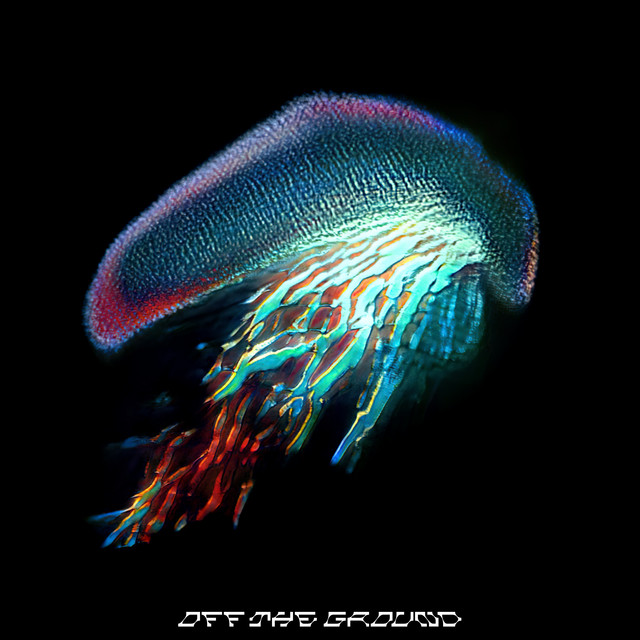
Off The Ground
Sub Focus
Liquid Funk
2020
3
/5
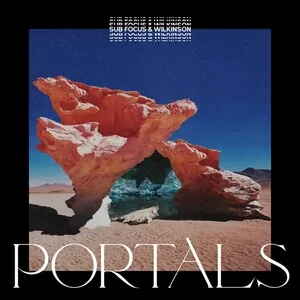
Portals
Sub Focus & Wilkinson
Dancefloor Drum And Bass
Drum And Bass
Electronic
2019
3
/5
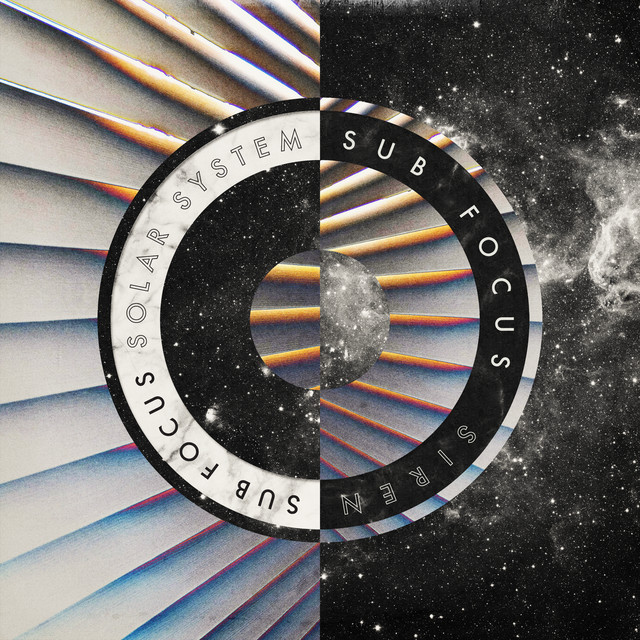
Solar System / Siren
Sub Focus
Liquid Funk
Drum And Bass
2013
3
/5
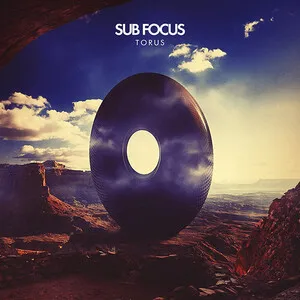
Torus
Sub Focus
Dancefloor Drum And Bass
Dubstep
Electronic
2009
1
/5
Sub Focus
Sub Focus
Dancefloor Drum And Bass
Drum And Bass
Electronic
Similar artists
3
/5
Camo & Krooked
Drum And Bass
Electronic
Drumstep
3
/5
Koven
Drumstep
Chillstep
Drum And Bass
3
/5
ShockOne
Drumstep
Dubstep
Drum And Bass
4
/5
Chase & Status
Jungle
Cinematic Dubstep
Drum And Bass
3
/5
Netsky
Drum And Bass
Liquid Funk
Chillstep
1
/5
Various Artists
Afro-Funk
Alternative Rock
Ambient
3
/5
High Contrast
Liquid Funk
Drum And Bass
Jungle
3
/5
Alix Perez
Halftime Dnb
Dubstep
Drum And Bass
4
/5
Wilkinson
Drum And Bass
Liquid Funk
Cinematic Dubstep
3
/5
Fox Stevenson
Drumstep
Complextro
Drum And Bass
Download our mobile app
Get the Melodigging app and start digging for new genres on the go
Download on the App Store
Get it on Google Play
© 2026 Melodigging
Give feedback
Legal
Melodding was created as a tribute to
Every Noise at Once
, which inspired us to help curious minds keep digging into music's ever-evolving genres.