Genres
Artists
Albums
Make Music
Sign in
Sign in
Artists
Cueca
Artists
Cueca
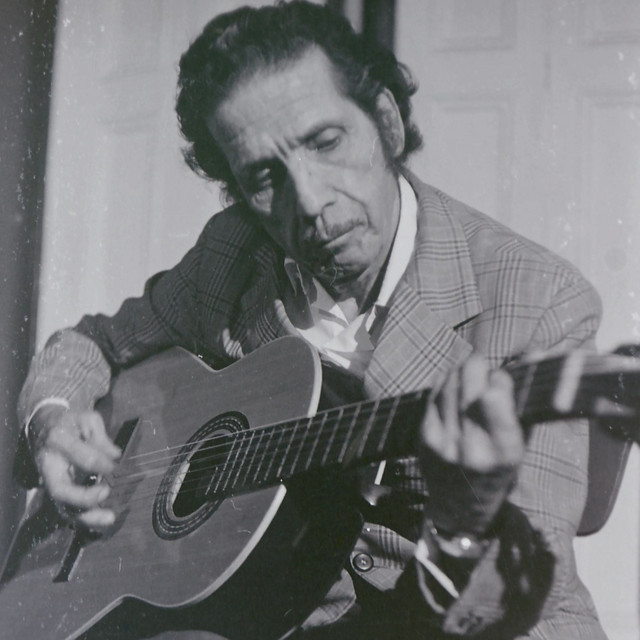
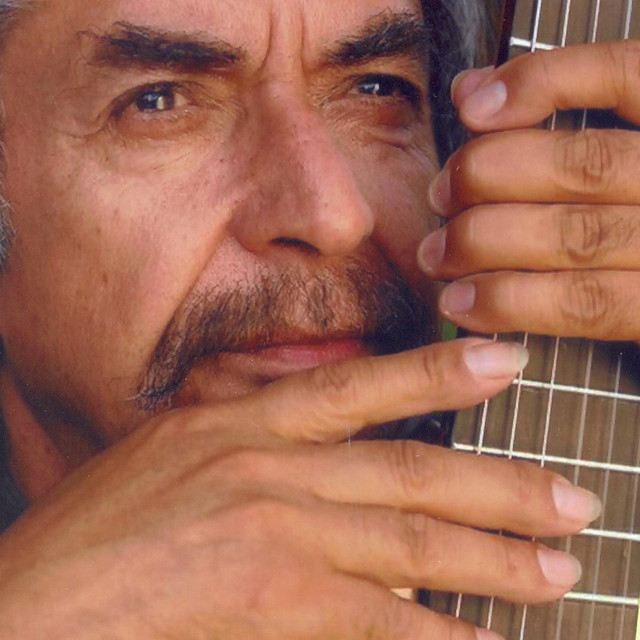
Roberto Parra
1971–1995
·
3 albums
Listen
2
/5
Genres
Latin Folk
Latin folk is a broad umbrella for singer‑songwriter and ensemble music that draws on traditional folk forms from across Latin America while presenting them in contemporary, often acoustically driven arrangements. It emphasizes storytelling, social and poetic lyricism, and the timbres of regional instruments such as the guitar, charango, quena, zampoña, cuatro, and bombo legüero. Rhythmic cells are borrowed from pan‑regional traditions (chacarera, cueca, zamba, huayno, joropo, son, and others), yet songs are commonly shaped in accessible verse‑chorus structures. While its roots are centuries old, the modern genre coalesced during the mid‑20th‑century folk revival and the Nueva Canción movements, which linked ancestral sounds with contemporary concerns such as identity, justice, and cultural memory.
Discover
Listen
Jazz Guachaca
Jazz guachaca is a Chilean, working‑class take on jazz and swing that blends the rhythmic feel and harmony of small‑combo jazz with local popular forms such as cueca, bolero, and tango. Born in the bohemian bars and neighborhood clubs of Santiago and Valparaíso, the style is closely associated with guitarist–composer Roberto Parra, who adapted gypsy‑jazz guitar language to Chilean idioms. Typical ensembles center on acoustic guitar, double bass, light percussion, and sometimes clarinet or saxophone, delivering a swinging, danceable pulse and colloquial, often humorous lyrics about love, nightlife, and everyday life. Musically, it favors straightforward swing grooves, Django‑inspired rhythm guitar ("la pompe"), walking bass lines, and familiar jazz cadences (II–V–I), while incorporating cueca hemiola accents and bolero/tango phrasing. The result is a warm, street‑wise, and highly social form of jazz rooted in Chile’s popular culture.
Discover
Listen
Gypsy Jazz
Gypsy jazz (often called jazz manouche) is an acoustic, string-driven style of swing developed by Romani musicians in Paris in the 1930s, most famously by guitarist Django Reinhardt and violinist Stéphane Grappelli with the Quintette du Hot Club de France. Its signature sound pairs percussive rhythm-guitar strumming (la pompe) with virtuosic single-note lines, violin leads, and a walking double bass, typically without drums or horns. Harmonically, it blends American swing-era jazz changes with European influences such as musette waltzes and classical voice-leading, yielding rich dominant chords, diminished passing harmony, and chromatic approach lines. The result is a bright, agile, and highly danceable style that can be both exuberant and lyrical.
Discover
Listen
Chilean Music
Chilean music is an umbrella term for the diverse musical practices that developed in Chile, spanning rural folk traditions, urban popular music, and modern hybrid scenes. Its core pillars include the cueca (the national dance), the tonada chilena, and Andean-influenced folk, alongside later movements such as Nueva Canción Chilena, rock en español, cumbia chilena, indie pop/rock, hip hop, reggaetón, and experimental scenes. Forged at the crossroads of Indigenous (Mapuche and Andean), Iberian (Spanish folk and salon forms), and Afro-diasporic currents (via the zamacueca), Chilean music combines characteristic strummed guitars, the guitarrón chileno and paya traditions, Andean winds (quena, zampoña), cueca’s stamping rhythms and pandero hand drum, and poetic, socially conscious lyricism. In the 20th century it became a continental reference through Nueva Canción’s politically engaged songwriting and later through rock, pop, and urban genres that placed Chile on the global map.
Discover
Listen
Cueca
Cueca is a family of folk songs and partner dances from the Southern Cone, most strongly associated with Chile (where it is the official national dance) and with important regional variants in Bolivia and Argentina. Musically it features the characteristic 6/8–3/4 hemiola feel, often heard as a buoyant ternary groove that can shift perceived accents between 6/8 and 3/4. Traditional cuecas are sung in strophic form with refrains, and Chilean cueca texts are commonly organized into 14 lines (a composite stanza, typically parsed 4+7+3) that support the dance’s three-part cycle. Performances usually involve voice(s), guitar(s), accordion, handclaps (palmas), and light percussion such as bombo and the pandero cuequero, with couples circling and playfully courting one another with handkerchiefs.
Discover
Listen
Albums
1995
2
/5
Los tiempos de la negra Ester
Roberto Parra
Jazz Guachaca
Gypsy Jazz
Chilean Music
1971
2
/5
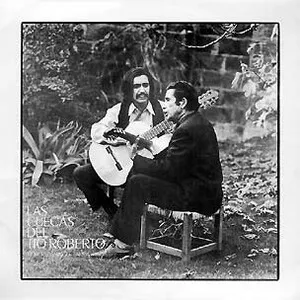
Las cuecas del Tío Roberto
Roberto Parra / Ángel Parra
Cueca
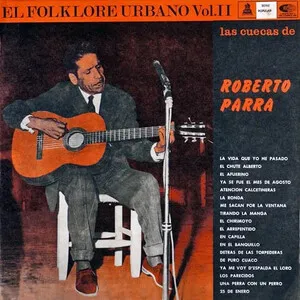
Las cuecas de Roberto Parra
Roberto Parra
Cueca
Similar artists
1
/5
Phuyu y la Fantasma
Art Rock
Cueca
Hispanic American Folk Music
3
/5
Violeta Parra
Musica Nublensina
Chilean Music
Latin
3
/5
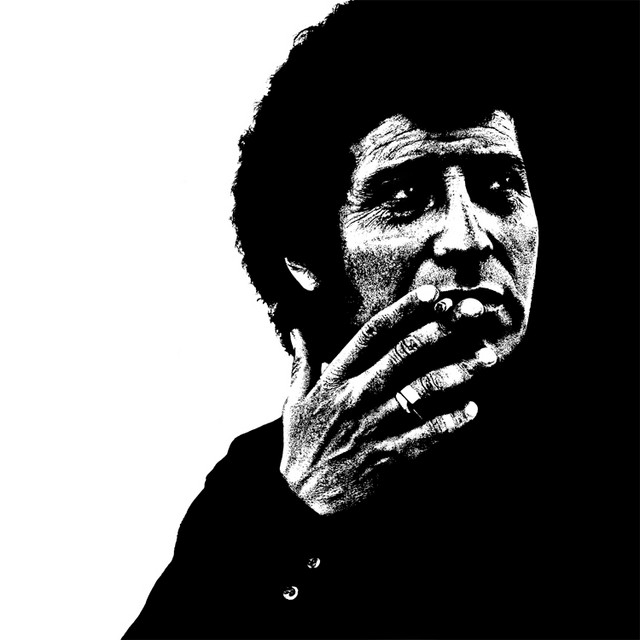
Victor Jara
Chilean Music
Nueva Canción
Nueva Canción Chilena
2
/5
Angel Parra
Folclor Andino
Latin Folk
Musica Nublensina
4
/5
Monsieur Periné
Gypsy Jazz
Latin Folk
Colombian Pop
3
/5
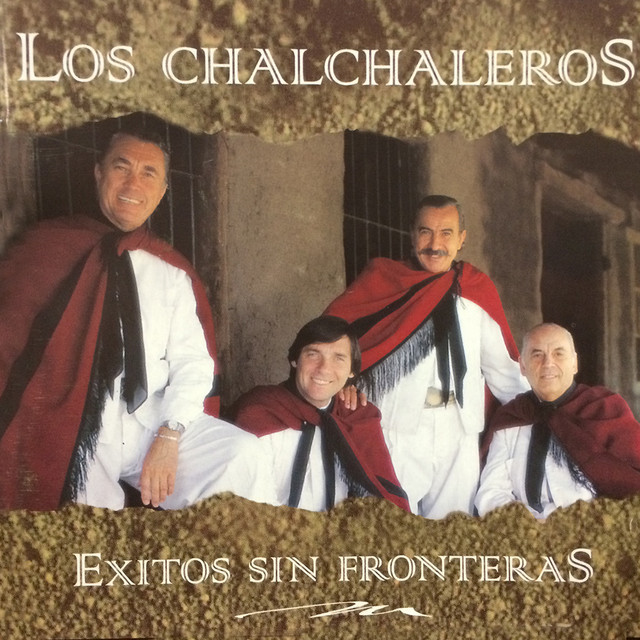
Los Chalchaleros
Zamba
Chamamé
Chacarera
3
/5
Illapu
Nueva Canción
Conjunto Andino
Chilean Music
3
/5
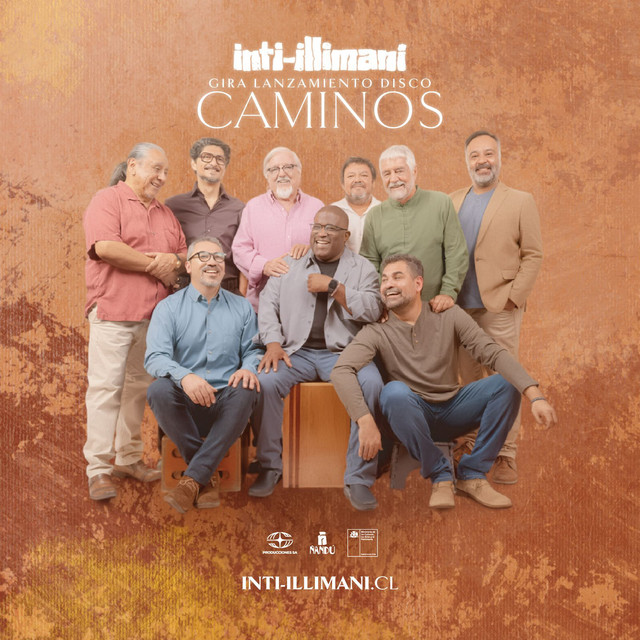
Inti-Illimani
Nueva Canción Chilena
Conjunto Andino
Chilean Music
3
/5
Quilapayún
Nueva Canción Chilena
Chilean Music
Folclor Andino
2
/5
Rolando Alarcon
Folclor Andino
Latin Folk
Musica Nublensina
Download our mobile app
Get the Melodigging app and start digging for new genres on the go
Download on the App Store
Get it on Google Play
© 2026 Melodigging
Give feedback
Legal
Melodding was created as a tribute to
Every Noise at Once
, which inspired us to help curious minds keep digging into music's ever-evolving genres.