Genres
Artists
Albums
Make Music
Sign in
Sign in
Artists
Dance-Pop
Artists
Dance-Pop
Rina Sawayama
2020
·
1 album
Listen
3
/5
Genres
Rage
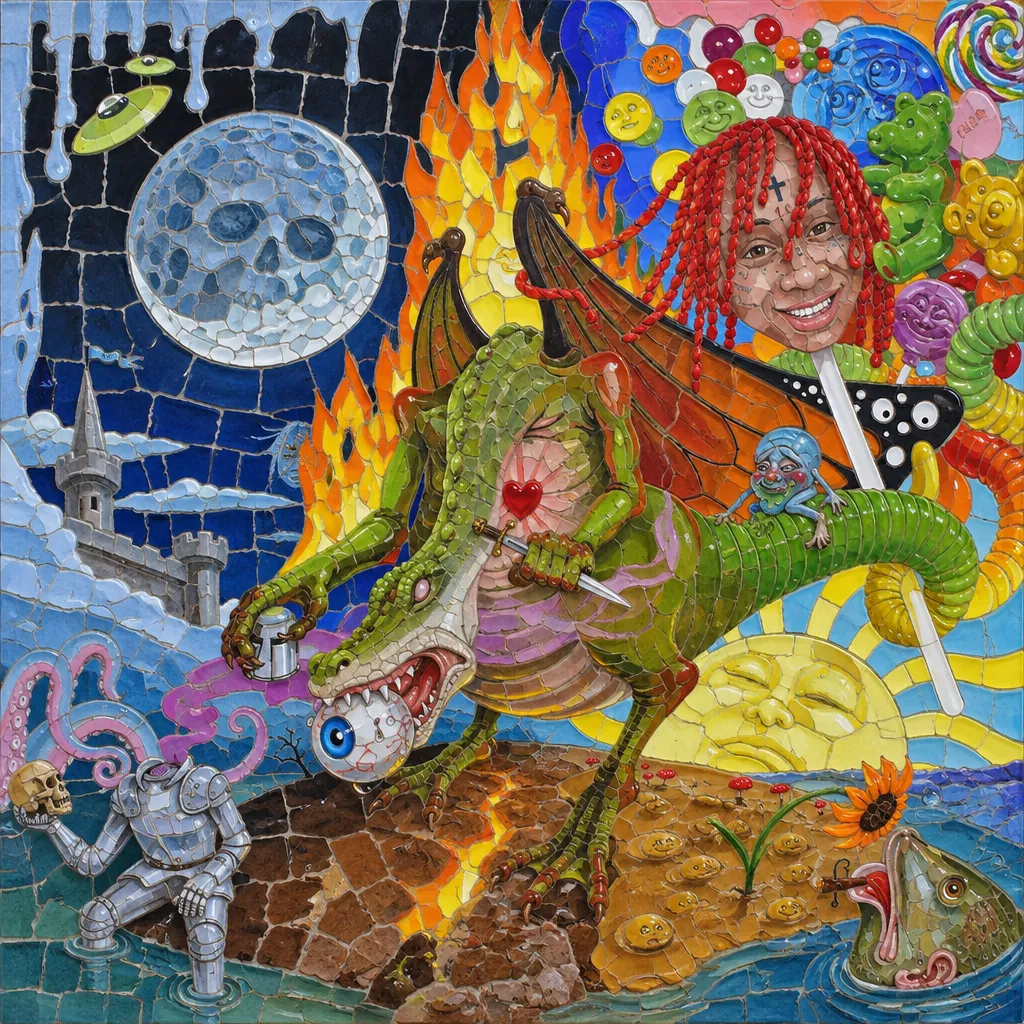
Rage is a high-energy, synth-forward trap production style characterized by bright, detuned supersaw leads, pounding 808s, and fast, looping drum patterns built for explosive rap performances. It emphasizes instant-impact hooks, minimal chord movement, and anthemic drops that feel closer to festival EDM crescendos than traditional hip hop breakdowns. The sound rose from the post–SoundCloud, punk-influenced branch of trap, drawing on the icy simplicity of Playboi Carti’s late-2010s palette and marrying it with trance/eurodance-styled leads and EDM trap dynamics. The result is a glossy, adrenalized bed for shouted, rebellious vocals—music designed for mosh pits, arena stages, and viral snippets alike.
Discover
Listen
Etherpop
Etherpop is a contemporary pop microgenre defined by airy vocals, wide stereo spaces, and soft-focus electronic production. It blends dream pop’s gauzy textures with the melodic immediacy of indie pop and electropop, yielding songs that feel weightless yet hook-driven. Typical arrangements feature reverb-laden voice stacks, glassy synth pads, minimal but punchy drums, and subby, rounded bass. Lyrically, etherpop leans toward introspection and intimacy, often exploring memory, longing, and self-reflection with a delicate, cinematic touch.
Discover
Listen
Experimental Club Music
Experimental club music (often called post-club or deconstructed club) is a hybrid, avant‑garde approach to club production and performance that treats the dancefloor as a laboratory. It uses the grammar of contemporary club forms—heavy sub‑bass, kick patterns, samples, MC or chopped vocals—as raw material to be cut apart, collaged, and reassembled. Instead of four‑to‑the‑floor regularity, it favors asymmetry, abrupt contrasts, negative space, and extreme sound design drawn from noise, industrial, grime, ballroom/vogue, reggaeton, and internet culture. The result ranges from skeletal, percussive workouts to dense, cinematic soundscapes that can be as confrontational as they are cathartic. Just as importantly, the scene has been a site of diasporic, queer, and trans expression, where identity and politics are embedded in sonic choices and performance practice.
Discover
Listen
Modern Downshift
Modern downshift is a contemporary, playlist-era microgenre that blends hushed alternative pop and alt‑R&B sensibilities with the spaciousness of downtempo and ambient pop. Songs are typically slow to mid‑tempo, minimal in arrangement, and intimate in vocal delivery—often breathy, close‑miked, and confessional. Production emphasizes warmth and negative space: soft sub‑bass, restrained percussion, reverb‑washed pads or guitars, and gentle saturation that keeps the overall texture velvety and nocturnal. Lyrically, the style skews introspective and late‑night: relationships, vulnerability, quiet self‑reflection, and the emotional afterglow of parties or city drives. The result is music that feels low‑key and cinematic—designed as much for solitary listening as for low‑light social settings.
Discover
Listen
Shiver Pop
Shiver pop is a micro-genre of indie/electronic pop marked by intimate, breathy vocals, sparse percussion, and hazy, glacial synth textures that feel like a gentle shiver under the skin. It blends the melancholy glow of dream pop with minimal, modern electropop production: soft kick-and-snap beats, sub‑bass murmurs, reverb‑soaked pads, and understated hooks. Lyrically it gravitates toward fragile romance, urban solitude, and late‑night reflection, delivering catharsis through restraint rather than bombast. The mood is subdued yet luminous—music that sits between the bedroom and the club, built for twilight commutes and quiet headphones listening.
Discover
Listen
Tropical House
Tropical house is a mellow, melodic offshoot of deep house that blends a four-on-the-floor pulse with sun-soaked timbres like steel drums, marimba, pan flute, and warm acoustic guitar. It typically runs around 100–115 BPM, favors major-key progressions, and foregrounds breezy hooks over heavy drops, making it feel more like a summer pop record than a club banger. Vocals often carry romantic, nostalgic, or escapist themes—beaches, sunsets, and travel—while the production emphasizes soft percussion, sidechained pads, and a smooth, rolling sub. The genre rose to global prominence mid-2010s through hit remixes and crossover singles that brought house aesthetics into mainstream pop radio.
Discover
Listen
Ukg Revival
UKG revival refers to the modern resurgence of UK garage (UKG) aesthetics after the style’s early‑2000s decline. It recasts classic 2‑step swing, rubbery sub‑bass, chopped R&B vocals, and organ/piano stabs with contemporary production, club formats, and pop sensibilities. Typical tracks sit around 128–135 BPM, with syncopated, skippy drum programming and swung hi‑hats, soulful chord colors, and prominent, rolling basslines. The revival often blends speed‑garage grit, bassline energy, and house polish, while borrowing contemporary topline writing and social‑media‑driven hooks for wider crossover appeal. Culturally, the movement connects today’s audiences to late‑’90s/early‑’00s UKG heritage (pirate radio, MC culture, and champagne‑garage euphoria) through fresh artists, labels, and events that foreground inclusivity, DIY distribution, and festival‑ready anthems.
Discover
Listen
Alternative R&b
Alternative R&B (often shortened to alt‑R&B or dubbed PBR&B) is a stylistic offshoot of contemporary R&B that fuses soul and hip hop vocal traditions with experimental electronic production and indie aesthetics. It is characterized by atmospheric, nocturnal sound design; sparse, half‑time or trap‑leaning drum patterns; deep sub‑bass; and intimate, often falsetto‑based vocals. Song forms frequently deviate from standard verse–chorus structures, favoring gradual builds, textural contrasts, and negative space. Harmonically, it leans toward minor modes and lush extensions (7ths, 9ths, add9s), while production favors reverb‑drenched pads, filtered synths, delicate guitar lines, and creative use of silence. Lyrically, the genre tends to be introspective and confessional—exploring themes of desire, vulnerability, alienation, and late‑night urban life—delivered with a cinematic, moody sensibility that bridges the underground and the mainstream.
Discover
Listen
Escape Room
Escape room is a data-driven label popularized by Spotify to cluster artists who blur lines between alternative R&B, experimental pop, left-field hip hop, and cutting‑edge club/electronic production. Rather than a strict set of musical rules, it signals a sound defined by textural minimalism, sub‑heavy and off‑kilter rhythms, intimate vocal delivery (often breathy or ASMR-adjacent), and a strong emphasis on sound design and negative space. Songs frequently juxtapose glossy melodies with abrasive or deconstructed percussive layers, creating a stylish, future‑leaning mood that resists easy categorization. The name is unrelated to physical puzzle rooms; instead, it marks music that “escapes” legacy genre boxes while remaining pop‑adjacent and internet‑native in aesthetics and distribution.
Discover
Listen
Candy Pop
Candy pop is a super-bright, hook-forward branch of contemporary pop that emphasizes sweetness in both sound and theme. It blends bubblegum-style melodies with modern, glossy production, favoring catchy toplines, clean harmonies, and playful textures. Arrangements lean on glittery synths, claps, hand-percussion, and buoyant four-on-the-floor or bouncy half-time beats. Lyrics typically revolve around crushes, friendship, first love, and carefree fun, delivered with enthusiastic, youthful vocals. Compared with classic bubblegum pop, candy pop adopts current pop techniques (EDM builds, post-chorus hooks, subtle trap-lite percussion) and borrows visual and melodic cues from J-pop and K-pop’s “kawaii” aesthetics.
Discover
Listen
Classify
Classify is a streaming-era microgenre that blends light classical technique with contemporary pop repertoire, typically presented as unobtrusive instrumental covers. It prioritizes soft dynamics, gentle tempos, and intimate recording to create a calm, elegant backdrop suitable for studying, working, or events. Most arrangements are for solo piano, string quartet, cello/piano duos, or small chamber ensembles. Harmonies remain diatonic and consonant, melodies are clearly voiced, and textures favor arpeggios, ostinati, and sustained legato lines. The overall aesthetic borrows from modern classical and new age moods while retaining the familiarity of pop song forms.
Discover
Listen
Flint Sound
Flint sound is a contemporary Michigan rap style centered in Flint, United States. It is characterized by fast, minimal, piano- or organ-led beats, dry and upfront vocals, and bar-by-bar “punch‑in” delivery that often rides slightly ahead of or behind the grid for a conversational, off‑kilter feel. The production typically favors bright piano loops, staccato 808 slides, crisp claps or rimshots, and sparse percussion, leaving plenty of space for relentless punchlines, gritty street reportage, and mischievous humor. While hard-edged and streetwise, the style frequently leans into charismatic personality and wit, making it both aggressive and infectious for dancing.
Discover
Listen
Channel Pop
Channel pop is a digital-era strain of mainstream pop shaped by video and creator platforms—especially YouTube and later TikTok and Instagram—where artists build audiences through frequent uploads on their own “channels.” Musically it favors intimate, highly polished but close-mic’d vocals, acoustic guitar or piano-led arrangements, restrained beats, and succinct, playlist-friendly structures. Many releases are cover-first (reimagining recent chart hits) with a steady flow of glossy singles, session-style performances, and creator collaborations that gradually blend into original material. Titles, artwork, and release cadence are optimized for search and recommendation algorithms, yielding a sound that is simultaneously personal and platform-aware.
Discover
Listen
Queer Country
Queer country is a contemporary movement within country and Americana that centers LGBTQ+ voices, stories, and aesthetics while keeping strong ties to classic country songwriting, instrumentation, and vocal styles. Musically, it often draws from traditional country, outlaw country, honky-tonk, and folk-country, but its defining feature is lyrical perspective: songs about queer love, gender expression, chosen family, rural/working-class life, and the tension between tradition and belonging. Rather than being a single fixed sound, queer country is best understood as a scene and cultural re-framing of country music—one that challenges the genre’s historic heteronormativity while celebrating its narrative power and community roots.
Discover
Listen
Speed House
Speed house is a high-tempo offshoot of house that accelerates the genre’s usual groove into the 140–155 BPM range while retaining a four-on-the-floor pulse. It fuses the punchy low-end and switch-up drops of bass house with the streamlined structure of tech house, often adding rave-style stabs, fidgety fills, and chopped vocal hooks. Sound design tends to emphasize aggressive, saturated basslines, crisp drum transients, and snappy turnarounds, creating a festival-ready, high-energy feel that still reads as house rather than hard dance. The style became widely identified through the Speed House Movement community and releases, spreading across North America and Europe via DJ edits, label samplers, and social media-driven virality.
Discover
Listen
Uk Jackin
UK jackin is a bass-forward strain of house and UK garage that emerged in the UK during the early 2010s. It blends the swing and shuffle of garage with the chunky, percussive drive of house, emphasizing rubbery low‑end riffs, organ stabs, and chopped R&B or soul vocals. Compared with classic Chicago jackin’ house, the UK variant is darker and punchier, drawing heavily from bassline and UK bass aesthetics. Tracks typically sit around 124–130 BPM, use swung drums and syncopated bass patterns, and are arranged with DJ‑friendly intros, tension‑building breakdowns, and emphatic drops.
Discover
Listen
Dance-Pop
Dance-pop is a mainstream-oriented pop style built for both radio and the dancefloor. It blends hook-driven songwriting with club-ready rhythms, typically using a steady four-on-the-floor kick, bright synthesizers, and punchy, polished production. Tempos usually sit in the 110–128 BPM range, and arrangements emphasize memorable choruses, clear verses and pre-choruses, and concise structures suitable for radio edits. Compared with club genres like house or techno, dance-pop prioritizes song form, vocal presence, and accessible harmonies, while still retaining an energetic groove. The sound palette often includes layered synths, sampled or electronic drums, tight bass lines, ear-catching toplines, and modern production techniques such as sidechain compression and stacked vocal harmonies.
Discover
Listen
Electropop
Electropop is a branch of pop music that foregrounds electronic instruments—especially synthesizers, drum machines, and sequencers—to deliver catchy, hook-driven songs. It preserves the verse–pre-chorus–chorus architecture and melodic immediacy of pop while replacing most traditional band instrumentation with programmed rhythms, synthetic bass lines, and glossy textures. The style emphasizes earworm toplines, precise rhythmic grids, and tightly produced arrangements that often highlight contrast between minimal, punchy verses and expansive, anthemic choruses. Timbres range from warm analog pads and arpeggiators reminiscent of the late 1970s/early 1980s to ultra-modern, hyper-detailed sound design, making electropop both retro-leaning and future-facing depending on the artist.
Discover
Listen
Contemporary R&b
Contemporary R&B is a popular music genre that evolved from rhythm and blues and soul in the late 1970s, largely among African‑American musicians. It blends traditional R&B vocal stylings with elements of pop, funk, hip hop, and electronic music. The style is marked by soulful, passionate and often melismatic lead vocals; lush, smooth, frequently synthesized production; and a groove-first sensibility that can range from slow jams to club‑ready mid‑tempos. Since the 2010s, the incorporation of pop and electronic textures and production techniques has driven strands like electro‑R&B and helped expand the sound on global charts.
Discover
Listen
Experimental Pop
Experimental pop is a boundary-pushing approach to pop music that blends memorable hooks and songcraft with unconventional sounds, structures, and production techniques. It draws on avant-garde ideas, studio experimentation, and cross-genre hybridization while retaining some of pop’s accessibility. Artists often reconfigure verse–chorus forms, manipulate timbre and texture, and use the studio as an instrument, resulting in music that can feel both familiar and radically new.
Discover
Listen
Pop Rock
Pop rock blends the hook-focused immediacy of pop with the instrumentation and drive of rock. It prioritizes catchy melodies, concise song structures, and polished production while retaining guitars, bass, and drums as core elements. Typical pop rock tracks use verse–pre-chorus–chorus forms, strong vocal harmonies, and memorable riffs. The sound ranges from jangly and bright to mildly overdriven and arena-ready, aiming for radio-friendly appeal without abandoning rock’s rhythmic punch.
Discover
Listen
Pop
Pop is a broad, hook-driven style of popular music designed for wide appeal. It emphasizes memorable melodies, concise song structures, polished vocals, and production intended for radio, charts, and mass media. While pop continually absorbs elements from other styles, its core remains singable choruses, accessible harmonies, and rhythmic clarity. Typical forms include verse–pre-chorus–chorus, frequent use of bridges and middle-eights, and ear-catching intros and outros. Pop is not defined by a single instrumentation. It flexibly incorporates acoustic and electric instruments, drum machines, synthesizers, and increasingly digital production techniques, always in service of the song and the hook.
Discover
Listen
Rock
Rock is a broad family of popular music centered on amplified instruments, a strong backbeat, and song forms that foreground riffs, choruses, and anthemic hooks. Emerging from mid‑20th‑century American styles like rhythm & blues, country, and gospel-inflected rock and roll, rock quickly expanded in scope—absorbing folk, blues, and psychedelic ideas—while shaping global youth culture. Core sonic markers include electric guitar (often overdriven), electric bass, drum kit emphasizing beats 2 and 4, and emotive lead vocals. Rock songs commonly use verse–chorus structures, blues-derived harmony, and memorable melodic motifs, ranging from intimate ballads to high‑energy, stadium‑sized performances.
Discover
Listen
Show all 23 genres
Albums
2020
3
/5
SAWAYAMA
Rina Sawayama
Dance-Pop
Experimental Pop
Pop
Similar artists
5
/5
Tove Lo
Swedish Synthpop
Dance-Pop
Synth-Pop
5
/5
Charli xcx
Hyperpop
Candy Pop
Art Pop
4
/5
Kim Petras
Transpop
Dance-Pop
Electropop
5
/5
Zara Larsson
Swedish Pop
Dance-Pop
Pop
5
/5
Ellie Goulding
Indietronica
Pop
Electronic
5
/5
Taylor Swift
Pop
Country
Country Pop
4
/5
Troye Sivan
Pop
Viral Pop
Electronic
5
/5
David Guetta
Dance
Electronic
House
5
/5
Lady Gaga
Pop
Art Pop
Dance-Pop
5
/5
Britney Spears
Pop
Dance-Pop
Electronic
Download our mobile app
Get the Melodigging app and start digging for new genres on the go
Download on the App Store
Get it on Google Play
© 2026 Melodigging
Give feedback
Legal
Melodding was created as a tribute to
Every Noise at Once
, which inspired us to help curious minds keep digging into music's ever-evolving genres.