Genres
Artists
Albums
Make Music
Sign in
Sign in
Artists
Anatolian Rock
Artists
Anatolian Rock
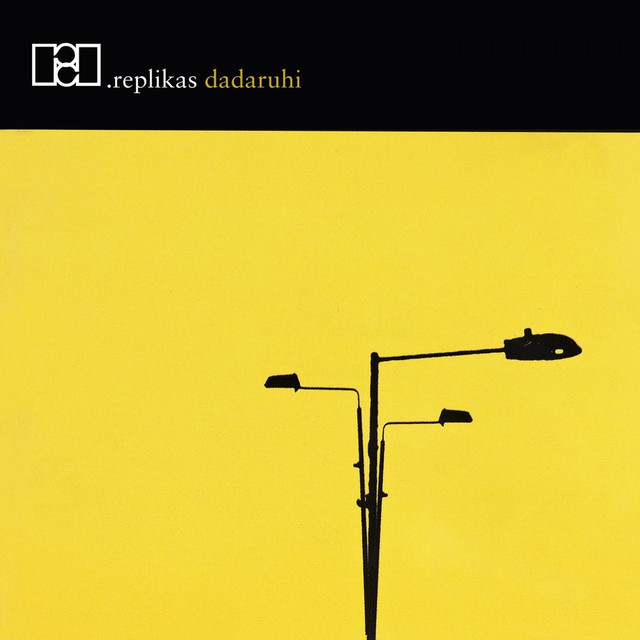
Replikas
2000
·
1 album
Listen
2
/5
Genres
Indie Rock
Indie rock is a subgenre of rock and a branch of alternative rock that coalesced in the early–mid 1980s around independent labels and DIY practices in the United Kingdom, the United States, and New Zealand. Defined less by a single sound than by an ethos, indie rock favors non‑mainstream approaches, self‑recording and small‑label distribution, and an interest in pop‑informed melody and eclectic experimentation. Hallmarks include jangly or fuzzed guitars, intimate or deadpan vocals, off‑kilter song structures, and production that often preserves a raw, “authentic” feel rather than glossy studio polish.
Discover
Listen
Noise Rock
Noise rock is a subgenre of rock that deliberately embraces distortion, feedback, dissonance, and abrasive textures as primary musical materials rather than mere effects. It prioritizes timbre, volume, and sonic density over conventional melody and harmony, often using nonstandard tunings, prepared or detuned guitars, and extended techniques to generate harsh overtones and sheets of sound. Rhythm sections tend to be driving and repetitive, anchoring the chaos with motorik pulses, lurching grooves, or pummeling, minimal patterns. Vocals range from spoken and murmured to shouted and cathartic, with lyrics that skew cryptic, confrontational, or surreal. Aesthetically, noise rock traces a line from punk’s anti-virtuosity and DIY ethos through no wave’s iconoclasm and the avant-garde’s interest in sound-as-sound, yielding music that can be physically intense, psychologically unsettling, and artistically exploratory.
Discover
Listen
Anatolian Rock
Anatolian rock (also called Anadolu rock or Turkish psych) is a hybrid style that fuses Western rock idioms with Anatolian/Turkish folk traditions and the makam-based modal system. It emerged in the mid-to-late 1960s as Turkish musicians adapted beat, garage, and psychedelic rock to local melodies, scales, and rhythms. Typical instrumentation combines fuzzed electric guitars and bass with amplified bağlama (saz), Farfisa/Hammond organs, and a rock drum kit, often supplemented by traditional percussion. Songs frequently use "aksak" (limping) meters such as 9/8, 7/8, and 5/8, and melodies draw on makams like Hicaz, Hüseyni, Uşşak, Rast, and Kürdi. Lyrics are usually in Turkish and range from folk poetry and mystic allegory to social critique and protest. The style is renowned for its thick, swirling textures—spring reverb, tape saturation, phasing, and wah-wah—while retaining the narrative and modal richness of Anatolian musical heritage. It stands as a signature example of East–West synthesis in popular music.
Discover
Listen
Experimental Rock
Experimental rock is a broad, exploratory branch of rock music that prioritizes innovation over convention. It stretches rock’s core instrumentation and song forms through unusual timbres, extended techniques, nonstandard tunings, chance procedures, and studio-as-instrument production. Drawing on avant-garde composition, free jazz, minimalism, and electronic/tape music, experimental rock often rejects verse–chorus structures in favor of drones, suites, collage, and improvisation. It embraces dissonance and noise as expressive tools, employs odd or fluid meters, and incorporates non-rock instruments, found sounds, and unconventional recording methods. The result is a lineage of music that treats rock not as a fixed style but as a laboratory for new sound worlds.
Discover
Listen
Krautrock
Krautrock is an experimental form of rock that emerged in late-1960s West Germany, characterized by hypnotic repetition, long-form structures, and a forward-looking embrace of electronics and studio experimentation. It typically features a steady, driving 4/4 “motorik” beat, circular bass ostinatos, sparse harmonic movement, and textural layering that draws from minimalism, free improvisation, and avant-garde composition. Rather than virtuosic solos, the emphasis is on collective groove, trance-inducing momentum, and timbral exploration. The sound ranges from raw, percussive jams to spacious, cosmic electronics, often eschewing conventional Anglo-American blues forms in favor of a distinctly European modernist aesthetic.
Discover
Listen
Psychedelic Rock
Psychedelic rock is a style of rock music that seeks to evoke, simulate, and expand altered states of consciousness through sound. It typically features timbral experimentation (fuzz, wah, tape delay, phasing), drones, modal or raga-influenced harmony, extended improvisation, studio-as-instrument production, and surreal, mystical, or mind-expanding lyrics. Emerging from mid-1960s counterculture, it fused garage-band energy with folk, blues, and non-Western musical ideas—especially Indian classical ragas—while embracing new studio technologies and concert light shows. Both a live and a studio art, psychedelic rock ranges from jangly, kaleidoscopic pop to heavy, hypnotic jams and cosmic soundscapes.
Discover
Listen
Space Rock
Space rock is a psychedelic branch of rock characterized by long-form, hypnotic grooves, swirling guitars awash in delay and reverb, and prominent analog synthesizers that evoke cosmic or interstellar imagery. The music often emphasizes texture and atmosphere over conventional song structures, creating expansive soundscapes that feel weightless and otherworldly. Emerging in late-1960s Britain from the overlap of psychedelic rock, early progressive rock, and experimental electronics, space rock frequently employs motorik-leaning rhythms, modal or drone-based harmony, and science-fiction themes. Extended improvisations, phased and fuzz-drenched timbres, and tape or echo effects are common, encouraging a sense of forward drift and cosmic exploration.
Discover
Listen
Rock
Rock is a broad family of popular music centered on amplified instruments, a strong backbeat, and song forms that foreground riffs, choruses, and anthemic hooks. Emerging from mid‑20th‑century American styles like rhythm & blues, country, and gospel-inflected rock and roll, rock quickly expanded in scope—absorbing folk, blues, and psychedelic ideas—while shaping global youth culture. Core sonic markers include electric guitar (often overdriven), electric bass, drum kit emphasizing beats 2 and 4, and emotive lead vocals. Rock songs commonly use verse–chorus structures, blues-derived harmony, and memorable melodic motifs, ranging from intimate ballads to high‑energy, stadium‑sized performances.
Discover
Listen
Turkish Music
Turkish music is a broad umbrella encompassing the courtly classical traditions of the Ottoman era, regional folk styles of Anatolia and Thrace, Sufi devotional practices, and modern popular forms that blend local aesthetics with global genres. Its classical core is organized by makam (melodic modes) and usul (cyclical rhythms), using microtonal intervals and rich ornamentation. Instruments such as oud (ud), tanbur, ney, kanun, bağlama (saz), kemençe, and a variety of frame and goblet drums are central. Folk idioms feature asymmetrical meters (like 9/8 or 7/8), call‑and‑response vocals, and dance forms like halay and çiftetelli. Since the 20th century, Turkish music has integrated Western harmony, orchestration, and production techniques, giving rise to arabesk, Anatolian rock, Turkish pop, and hip hop while maintaining the expressive depth and modal nuance characteristic of its older traditions.
Discover
Listen
Show all 9 genres
Albums
2000
1
/5
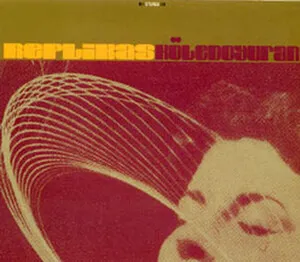
Köledoyuran
Replikas
Anatolian Rock
Turkish Music
Indie Rock
Similar artists
4
/5
Barış Manço
Anatolian Rock
Turkish Pop
Arabesk
3
/5
Cem Karaca
Anatolian Rock
Arabesk
Turkish Pop
3
/5
Erkin Koray
Anatolian Rock
Arabesk
Turkish Music
3
/5
Altin Gün
Anatolian Rock
Neo-Psychedelia
Turkish Music
3
/5
Gaye Su Akyol
Anatolian Rock
Rock
Turkish Music
2
/5
Hardal
Anatolian Rock
Rock
Pop
2
/5
Derya Yıldırım & Grup Şimşek
Anatolian Rock
Neo-Psychedelia
Psychedelic Rock
1
/5
Edirdahan
Anatolian Rock
Asian Music
Rock
4
/5
Geese
Art Rock
Crank Wave
Indie Rock
3
/5
Stereolab
Experimental Rock
No Wave
Post-Rock
Download our mobile app
Get the Melodigging app and start digging for new genres on the go
Download on the App Store
Get it on Google Play
© 2026 Melodigging
Give feedback
Legal
Melodding was created as a tribute to
Every Noise at Once
, which inspired us to help curious minds keep digging into music's ever-evolving genres.