Genres
Artists
Albums
Make Music
Sign in
Sign in
Artists
Anatolian Rock
Artists
Anatolian Rock
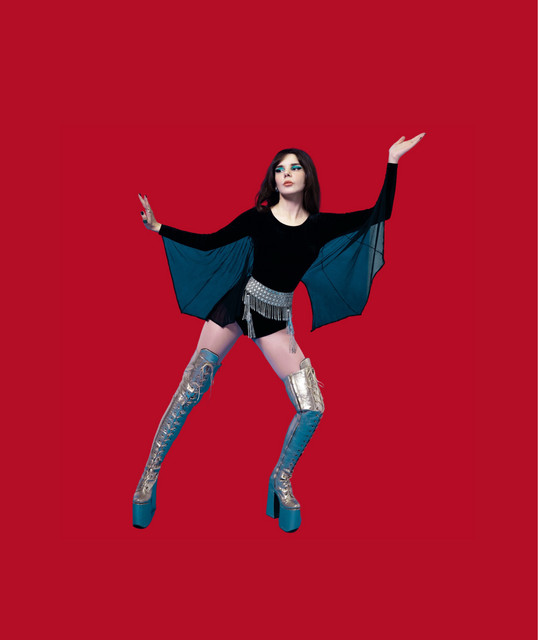
Gaye Su Akyol
2014–2022
·
4 albums
Listen
3
/5
Genres
Electronica
Electronica is a broad, largely 1990s umbrella term for a spectrum of electronic music crafted as much for immersive, album‑oriented listening as for clubs and raves. It gathers elements from techno, house, ambient, breakbeat, IDM, and hip hop production, emphasizing synthesizers, drum machines, samplers, and studio experimentation. The sound can range from downtempo and atmospheric to hard‑hitting and breakbeat‑driven, but it typically foregrounds sound design, texture, and mood over strict dance‑floor utility. In the mid‑to‑late 1990s the term was used by labels and press—especially in the United States—to market and introduce diverse electronic acts to mainstream rock and pop audiences.
Discover
Listen
Neo-Psychedelia
Neo-psychedelia is a late-20th-century revival and reinvention of 1960s psychedelic music aesthetics, filtered through post-punk, indie, and experimental sensibilities. It emphasizes hypnotic textures, droning guitars, heavy use of effects (reverb, delay, phasing), analogue organs/synths, and dreamlike or surreal lyricism. Rhythms may draw from motorik and other steady, trance-inducing grooves, while harmony often favors modal colors and repetitive vamps. The style ranges from jangly, melodic songs to dense, feedback-laden soundscapes, and has been highly influential on dream pop, shoegaze, Britpop-adjacent scenes, and modern psych rock.
Discover
Listen
Dance
Dance (as a broad, mainstream club- and radio-oriented style) is pop-leaning music designed primarily for dancing, characterized by steady, driving beats, catchy hooks, and production that translates well to nightclubs and large sound systems. It emerged after disco, blending four-on-the-floor rhythms with electronic instrumentation and pop songwriting, and it continually absorbs elements from house, techno, Hi-NRG, synth-pop, and later EDM. Tempos commonly fall between 110–130 BPM, vocals often emphasize memorable choruses, and arrangements are structured for both club mixing and mass appeal.
Discover
Listen
Disco
Disco is a dance-music genre and nightlife subculture that crystallized in the United States during the 1970s, drawing especially from African-American, Italian-American, Latino, and queer club communities. Musically, disco is typified by a steady four-on-the-floor kick drum, syncopated and melodic electric-bass lines, lush string sections, bright brass and horns, electric pianos and synthesizers, and percussive, choppy rhythm guitars. Arrangements often feature orchestral colors, handclaps, congas, and vibraphone or bell textures, all engineered to deliver a continuous, groove-forward experience for the dance floor. The style combines the rich orchestration and romantic sweep of Philadelphia soul with the bottom-end drive of funk and the songcraft of contemporary R&B/pop, delivered in DJ-friendly extended mixes and 12-inch singles designed for club play.
Discover
Listen
Anatolian Rock
Anatolian rock (also called Anadolu rock or Turkish psych) is a hybrid style that fuses Western rock idioms with Anatolian/Turkish folk traditions and the makam-based modal system. It emerged in the mid-to-late 1960s as Turkish musicians adapted beat, garage, and psychedelic rock to local melodies, scales, and rhythms. Typical instrumentation combines fuzzed electric guitars and bass with amplified bağlama (saz), Farfisa/Hammond organs, and a rock drum kit, often supplemented by traditional percussion. Songs frequently use "aksak" (limping) meters such as 9/8, 7/8, and 5/8, and melodies draw on makams like Hicaz, Hüseyni, Uşşak, Rast, and Kürdi. Lyrics are usually in Turkish and range from folk poetry and mystic allegory to social critique and protest. The style is renowned for its thick, swirling textures—spring reverb, tape saturation, phasing, and wah-wah—while retaining the narrative and modal richness of Anatolian musical heritage. It stands as a signature example of East–West synthesis in popular music.
Discover
Listen
Rock
Rock is a broad family of popular music centered on amplified instruments, a strong backbeat, and song forms that foreground riffs, choruses, and anthemic hooks. Emerging from mid‑20th‑century American styles like rhythm & blues, country, and gospel-inflected rock and roll, rock quickly expanded in scope—absorbing folk, blues, and psychedelic ideas—while shaping global youth culture. Core sonic markers include electric guitar (often overdriven), electric bass, drum kit emphasizing beats 2 and 4, and emotive lead vocals. Rock songs commonly use verse–chorus structures, blues-derived harmony, and memorable melodic motifs, ranging from intimate ballads to high‑energy, stadium‑sized performances.
Discover
Listen
Pop
Pop is a broad, hook-driven style of popular music designed for wide appeal. It emphasizes memorable melodies, concise song structures, polished vocals, and production intended for radio, charts, and mass media. While pop continually absorbs elements from other styles, its core remains singable choruses, accessible harmonies, and rhythmic clarity. Typical forms include verse–pre-chorus–chorus, frequent use of bridges and middle-eights, and ear-catching intros and outros. Pop is not defined by a single instrumentation. It flexibly incorporates acoustic and electric instruments, drum machines, synthesizers, and increasingly digital production techniques, always in service of the song and the hook.
Discover
Listen
Folk
Folk is a song-centered acoustic tradition rooted in community storytelling, everyday life, and social history. It emphasizes clear melodies, simple harmonies, and lyrics that foreground narrative, protest, and personal testimony. As a modern recorded genre, folk coalesced in the early-to-mid 20th century in the United States out of older ballad, work song, and rural dance traditions. It typically features acoustic instruments (guitar, banjo, fiddle, mandolin, harmonica), strophic song forms, and participatory singing (choruses, call-and-response).
Discover
Listen
Fantezi
Fantezi is a Turkish vocal genre that blends the modal world of Turkish Classical (Türk Sanat Müziği) and the melodic contours of Turkish Folk Music (Türk Halk Müziği) with the accessibility and production values of popular music. Emerging in the early Republican era and most associated with the period from the 1920s through the 1980s, fantezi pieces are typically sectional and free in design: different parts can shift tempo (usul) and character, moving between lyrical passages and more rhythmic, dance-inflected sections. Melodically they draw on makam (modes) such as Hicaz, Hüzzam, Nihavend, and Uşşak, but are delivered in a more commercial, urban and unorthodox fashion than strictly classical works. In practice, fantezi foregrounds ornate vocalism—melisma, microtonal inflections (commas), and expressive rubato—over lush arrangements for oud, bağlama, violin, kanun, clarinet, darbuka/def, and later keyboards, electric bass, and drum set. The result is a sentimental, urbane sound that connects art music tradition, folk idioms, and mass-market pop.
Discover
Listen
Turkish Music
Turkish music is a broad umbrella encompassing the courtly classical traditions of the Ottoman era, regional folk styles of Anatolia and Thrace, Sufi devotional practices, and modern popular forms that blend local aesthetics with global genres. Its classical core is organized by makam (melodic modes) and usul (cyclical rhythms), using microtonal intervals and rich ornamentation. Instruments such as oud (ud), tanbur, ney, kanun, bağlama (saz), kemençe, and a variety of frame and goblet drums are central. Folk idioms feature asymmetrical meters (like 9/8 or 7/8), call‑and‑response vocals, and dance forms like halay and çiftetelli. Since the 20th century, Turkish music has integrated Western harmony, orchestration, and production techniques, giving rise to arabesk, Anatolian rock, Turkish pop, and hip hop while maintaining the expressive depth and modal nuance characteristic of its older traditions.
Discover
Listen
Show all 10 genres
Albums
2022
2
/5
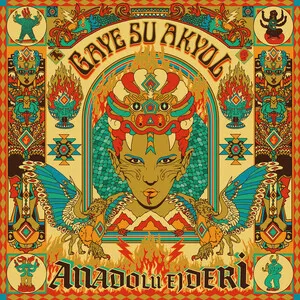
Anadolu Ejderi
Gaye Su Akyol
Anatolian Rock
Turkish Music
Neo-Psychedelia
2018
1
/5
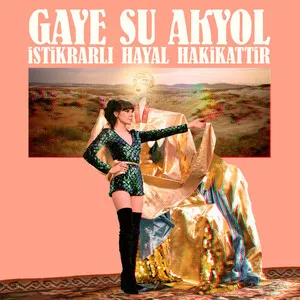
İstikrarlı Hayal Hakikattir
Gaye Su Akyol
Anatolian Rock
Turkish Music
Folk
2014
1
/5
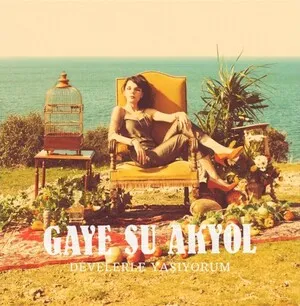
Develerle yaşıyorum
Gaye Su Akyol
Anatolian Rock
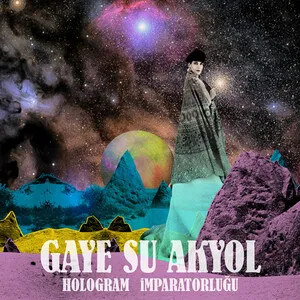
Hologram İmparatorluğu
Gaye Su Akyol
Fantezi
Similar artists
3
/5
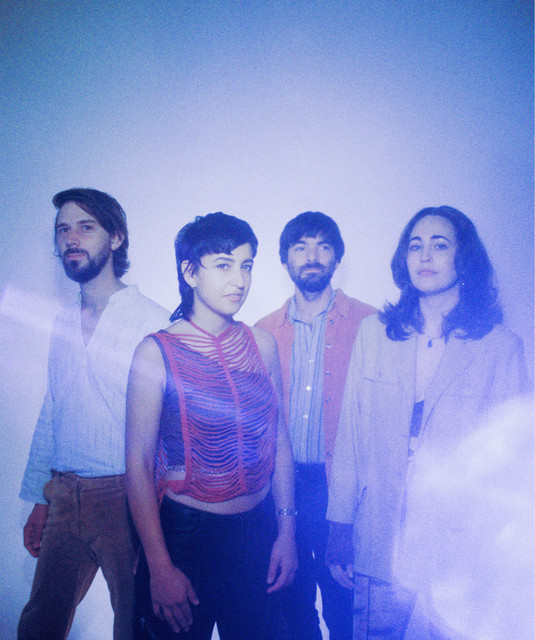
Altin Gün
Anatolian Rock
Neo-Psychedelia
Turkish Music
4
/5
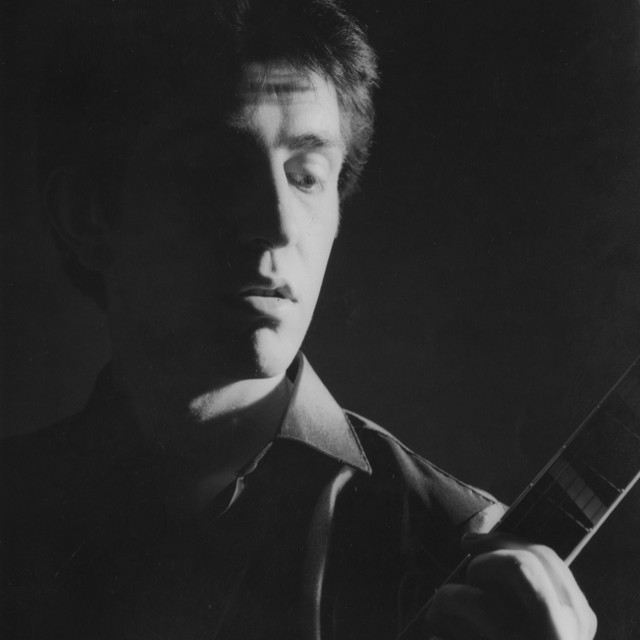
Barış Manço
Anatolian Rock
Turkish Pop
Arabesk
3
/5
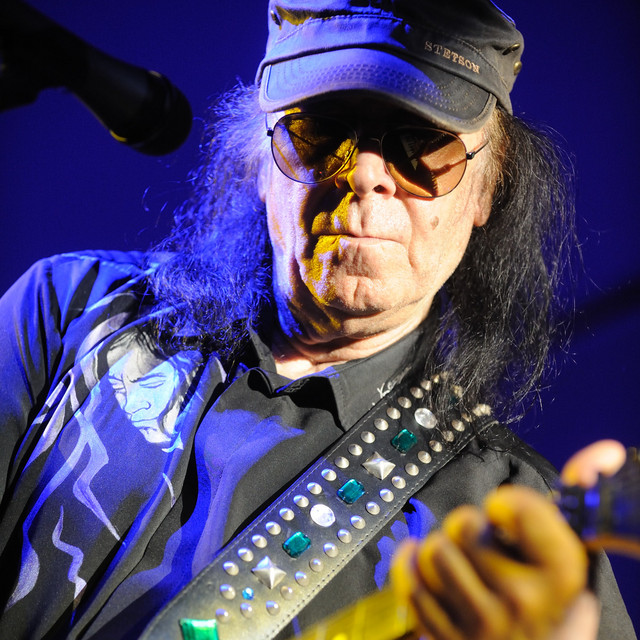
Erkin Koray
Anatolian Rock
Arabesk
Turkish Music
2
/5
Hardal
Anatolian Rock
Rock
Pop
2
/5
Derya Yıldırım & Grup Şimşek
Anatolian Rock
Neo-Psychedelia
Psychedelic Rock
3
/5
Cem Karaca
Anatolian Rock
Arabesk
Turkish Pop
2
/5
Replikas
Anatolian Rock
Indie Rock
Rock
1
/5
Edirdahan
Anatolian Rock
Asian Music
Rock
3
/5
Zülfü Livaneli
Özgün Müzik
Anatolian Rock
Arabesk
3
/5
Ezginin Günlügü
Özgün Müzik
Anatolian Rock
Turkish Pop
Download our mobile app
Get the Melodigging app and start digging for new genres on the go
Download on the App Store
Get it on Google Play
© 2026 Melodigging
Give feedback
Legal
Melodding was created as a tribute to
Every Noise at Once
, which inspired us to help curious minds keep digging into music's ever-evolving genres.