Genres
Artists
Albums
Make Music
Sign in
Sign in
Artists
Özgün Müzik
Artists
Özgün Müzik
Zülfü Livaneli
1982–2011
·
6 albums
Listen
3
/5
Genres
Özgün Müzik
Özgün müzik is a Turkish singer‑songwriter and folk‑influenced popular style that emerged in the post‑1970s period, marked by socially conscious, often left‑leaning lyrics and accessible, melodic songwriting. It blends the bağlama (saz) and Turkish makams with Western pop/rock instrumentation to create emotive, message‑driven songs. Musically, it draws on Anatolian folk modes and asymmetric usul (rhythmic cycles) such as 5/8, 7/8, and 9/8, but arranges them within verse–chorus forms familiar to pop. Vocals are expressive and foregrounded; arrangements range from acoustic (bağlama, classical guitar) to fuller bands with keyboards, bass, and light percussion. Lyrically, özgün müzik centers on human stories—migration, labor, exile, love, longing, and political struggle—delivered in plain, poetic Turkish. The tone is frequently melancholic yet anthemic, inviting audience participation through memorable refrains.
Discover
Listen
Anatolian Rock
Anatolian rock (also called Anadolu rock or Turkish psych) is a hybrid style that fuses Western rock idioms with Anatolian/Turkish folk traditions and the makam-based modal system. It emerged in the mid-to-late 1960s as Turkish musicians adapted beat, garage, and psychedelic rock to local melodies, scales, and rhythms. Typical instrumentation combines fuzzed electric guitars and bass with amplified bağlama (saz), Farfisa/Hammond organs, and a rock drum kit, often supplemented by traditional percussion. Songs frequently use "aksak" (limping) meters such as 9/8, 7/8, and 5/8, and melodies draw on makams like Hicaz, Hüseyni, Uşşak, Rast, and Kürdi. Lyrics are usually in Turkish and range from folk poetry and mystic allegory to social critique and protest. The style is renowned for its thick, swirling textures—spring reverb, tape saturation, phasing, and wah-wah—while retaining the narrative and modal richness of Anatolian musical heritage. It stands as a signature example of East–West synthesis in popular music.
Discover
Listen
Arabesk
Arabesk is a Turkish popular music style characterized by deeply emotive singing, melodramatic lyrics, and melodies grounded in the makam (modal) tradition. It blends elements of Turkish classical/urban art music, regional folk timbres (especially the bağlama/saz), and lush orchestral arrangements inspired by mid-20th-century Middle Eastern film music. Typical performances feature melisma, expressive vibrato, microtonal inflections, and frequent use of the Hijaz/Phrygian dominant flavor, often at slow-to-mid tempos with prominent strings and acoustic instruments. Lyrical themes revolve around longing (gurbet), fate, heartbreak, social displacement, and moral struggle—reflecting the rural-to-urban migration experience that shaped modern Turkey.
Discover
Listen
Turkish Pop
Turkish pop is the mainstream popular music of Turkey, blending Western pop songcraft and production with Turkish melodic modes (makam), ornamentation, and rhythmic sensibilities. It typically features hook-driven choruses, polished vocals, and danceable beats, while weaving in timbres or phrases from traditional instruments (such as bağlama, kanun, darbuka) and characteristic micro-ornaments. From the 1960s “aranjman” era of Turkish-language covers of Western hits to the 1990s–2000s wave of glossy, Eurodance-tinged radio smashes, Turkish pop has acted as both a mirror of global pop trends and a carrier of local musical identity.
Discover
Listen
Pop
Pop is a broad, hook-driven style of popular music designed for wide appeal. It emphasizes memorable melodies, concise song structures, polished vocals, and production intended for radio, charts, and mass media. While pop continually absorbs elements from other styles, its core remains singable choruses, accessible harmonies, and rhythmic clarity. Typical forms include verse–pre-chorus–chorus, frequent use of bridges and middle-eights, and ear-catching intros and outros. Pop is not defined by a single instrumentation. It flexibly incorporates acoustic and electric instruments, drum machines, synthesizers, and increasingly digital production techniques, always in service of the song and the hook.
Discover
Listen
Rock
Rock is a broad family of popular music centered on amplified instruments, a strong backbeat, and song forms that foreground riffs, choruses, and anthemic hooks. Emerging from mid‑20th‑century American styles like rhythm & blues, country, and gospel-inflected rock and roll, rock quickly expanded in scope—absorbing folk, blues, and psychedelic ideas—while shaping global youth culture. Core sonic markers include electric guitar (often overdriven), electric bass, drum kit emphasizing beats 2 and 4, and emotive lead vocals. Rock songs commonly use verse–chorus structures, blues-derived harmony, and memorable melodic motifs, ranging from intimate ballads to high‑energy, stadium‑sized performances.
Discover
Listen
Folk
Folk is a song-centered acoustic tradition rooted in community storytelling, everyday life, and social history. It emphasizes clear melodies, simple harmonies, and lyrics that foreground narrative, protest, and personal testimony. As a modern recorded genre, folk coalesced in the early-to-mid 20th century in the United States out of older ballad, work song, and rural dance traditions. It typically features acoustic instruments (guitar, banjo, fiddle, mandolin, harmonica), strophic song forms, and participatory singing (choruses, call-and-response).
Discover
Listen
Uzun Hava
Uzun hava (literally “long air”) is a free‑meter vocal style in Turkish folk music characterized by unmeasured phrasing, wide melodic ambitus, and intensely melismatic ornamentation. Unlike the rhythmic, dance‑oriented kırık hava (“broken air”), uzun hava is usûlsüz (without a fixed beat), allowing singers to stretch lines for expressive effect. The melodies are modal, drawing on Anatolian ayak/modal practice and, regionally, on makam sensibilities with microtonal inflections. Performances are often a cappella or lightly accompanied by bağlama family instruments (bağlama, divan saz, cura) and, in some regions, by reed and wind timbres such as mey, kaval, or zurna providing drones or sustained tones. Texts typically voice longing, separation, exile (gurbet), grief, or devotional reflection. Regional subtypes include bozlak (Central Anatolia), hoyrat (Southeast/Arab‑Turkic borderlands), maya, and various local “gurbet havası,” each with their own melodic turns and dialectal text styles.
Discover
Listen
Show all 8 genres
Albums
2011
1
/5
Eşkiya Dünyaya Hükümdar Olmaz
Zülfü Livaneli
Uzun Hava
2008
1
/5
Gökyüzü Herkesindir
Zülfü Livaneli
Özgün Müzik
2006
1
/5
Ada
Zülfü Livaneli
Özgün Müzik
Folk
Pop
1982
2
/5
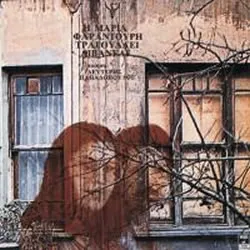
Η Μαρία Φαραντούρη τραγουδάει Λιβανέλι
Maria Farantouri Μαρία Φαραντούρη & Zülfü Livaneli
Özgün Müzik
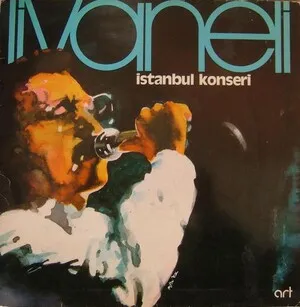
İstanbul Konseri
Zülfü Livaneli
Özgün Müzik
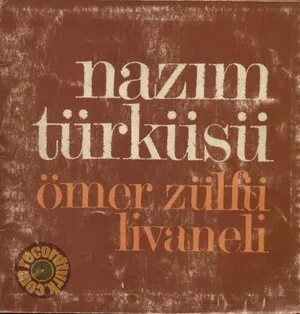
Nazim Türküsü
Zülfü Livaneli
Özgün Müzik
Similar artists
3
/5
Ezginin Günlügü
Özgün Müzik
Anatolian Rock
Turkish Pop
4
/5
Ahmet Kaya
Özgün Müzik
Arabesk
Anatolian Rock
2
/5
Grup Yorum
Özgün Müzik
Anatolian Rock
Arabesk
4
/5
Barış Manço
Anatolian Rock
Turkish Pop
Arabesk
4
/5
Nilüfer
Turkish Pop
Anatolian Rock
Arabesk
3
/5
Ferdi Özbeğen
Anatolian Rock
Arabesk
Turkish Pop
3
/5
Kıraç
Anatolian Rock
Arabesk
Turkish Pop
3
/5
Cem Karaca
Anatolian Rock
Arabesk
Turkish Pop
3
/5
Edip Akbayram
Anatolian Rock
Arabesk
Karadeniz Folk
3
/5
Haluk Levent
Anatolian Rock
Arabesk
Turkish Pop
Download our mobile app
Get the Melodigging app and start digging for new genres on the go
Download on the App Store
Get it on Google Play
© 2026 Melodigging
Give feedback
Legal
Melodding was created as a tribute to
Every Noise at Once
, which inspired us to help curious minds keep digging into music's ever-evolving genres.