Your digging level
Description
Fantezi is a Turkish vocal genre that blends the modal world of Turkish Classical (Türk Sanat Müziği) and the melodic contours of Turkish Folk Music (Türk Halk Müziği) with the accessibility and production values of popular music.
Emerging in the early Republican era and most associated with the period from the 1920s through the 1980s, fantezi pieces are typically sectional and free in design: different parts can shift tempo (usul) and character, moving between lyrical passages and more rhythmic, dance-inflected sections. Melodically they draw on makam (modes) such as Hicaz, Hüzzam, Nihavend, and Uşşak, but are delivered in a more commercial, urban and unorthodox fashion than strictly classical works.
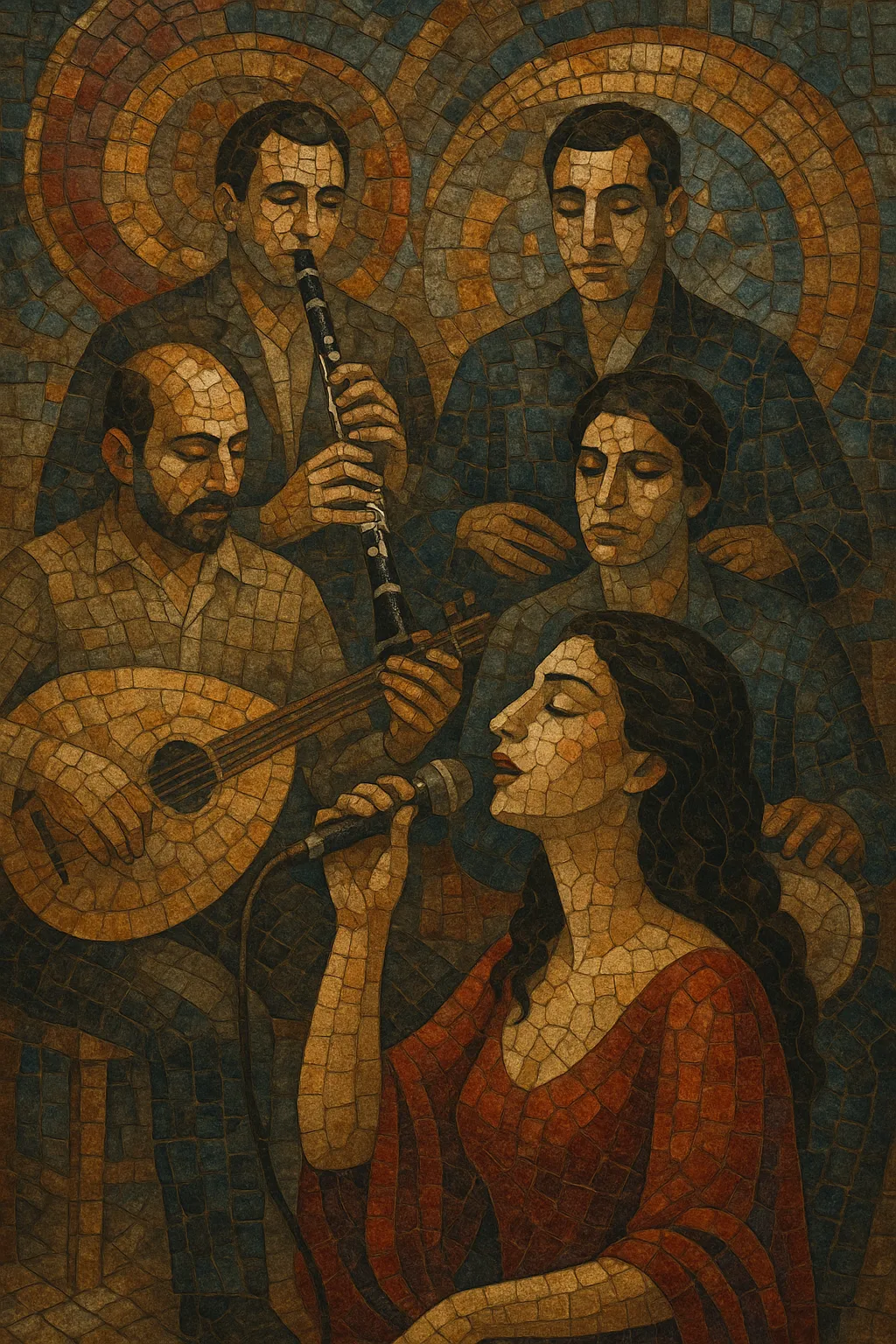
In practice, fantezi foregrounds ornate vocalism—melisma, microtonal inflections (commas), and expressive rubato—over lush arrangements for oud, bağlama, violin, kanun, clarinet, darbuka/def, and later keyboards, electric bass, and drum set. The result is a sentimental, urbane sound that connects art music tradition, folk idioms, and mass-market pop.
History
After the commercialization of Turkish Classical Music and the heyday of urban stage genres such as kanto, an accessible, song-driven current began to take shape in Istanbul’s music halls and on early radio. This current—later labeled fantezi—kept the modal (makam) and rhythmic (usul) foundations of Ottoman/Turkish art music while embracing urban folk flavors and the emerging aesthetics of popular entertainment.
As recording and broadcasting expanded, fantezi matured into a recognizable song style: sectional forms, expressive vocalism, and arrangements that mixed traditional instruments (oud, kanun, violin, clarinet) with increasingly modern accompaniments. Star vocalists brought the idiom to broader publics, and the repertoire crystallized around love, longing, and city life.
From the 1970s through the 1980s, fantezi flourished alongside and in dialogue with arabesk. While arabesk emphasized Arabic-influenced timbres and themes of fatalism, fantezi typically stayed closer to Turkish classical/folk modality and urban sophistication, albeit with similarly sumptuous, commercial productions. The genre’s flexible, multi-part forms and changeable tempi remained hallmarks.
Variety shows and television orchestras popularized fantezi ballads and dance numbers in glossy, pop-leaning arrangements. Many leading singers navigated between Turkish Classical repertoire, fantezi, and mainstream pop, further cementing fantezi’s role as a bridge between tradition and popular taste.
Although less dominant as a market category, fantezi endures through revivals, concert programs, and crossover artists. Its vocabulary—makam-based melodies, ornate vocalism, sectional song forms, and a blend of traditional and pop instrumentation—continues to inform Turkish pop balladry and adjacent styles.