Genres
Artists
Albums
Make Music
Sign in
Sign in
Artists
Traditional Music
Artists
Traditional Music
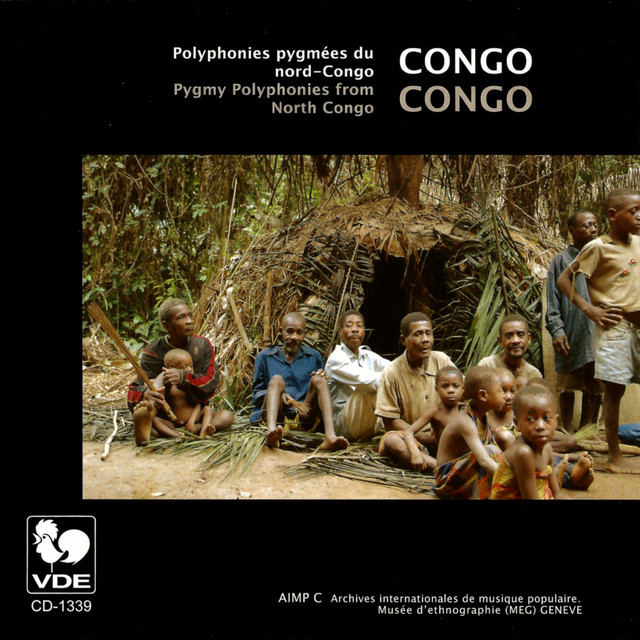
Pygmées Aka
2013
·
1 album
Listen
1
/5
Genres
Traditional Music
Traditional music is an umbrella term used in the mid–20th century by folklorists and ethnomusicologists to denote community-rooted, orally transmitted repertoires tied to social ritual, work, celebration, and storytelling. Unlike commercial pop or art-music traditions, traditional music is typically learned by ear, varies regionally, and evolves slowly through communal participation. It often features modal melodies, cyclic rhythms, heterophony or unison singing, and indigenous instruments whose timbres are integral to local identity. Lyrics tend to preserve language, history, and collective memory. While the musical practices themselves can be ancient, the phrase “traditional music” emerged to replace earlier, narrower or colonial framings like “folk” or “ethnic” music, foregrounding continuity, locality, and living practice rather than exoticism.
Discover
Listen
Ethnomusicology
Ethnomusicology is the study of music in its cultural, social, and historical contexts. Rather than treating music as an autonomous work, it asks what music does for people, how it organizes community and identity, and how it embodies knowledge, ritual, memory, and power. The discipline blends methods from musicology with anthropology, folklore, linguistics, and area studies. Core practices include long-term fieldwork, participant-observation, audio/video field recording, transcription and analysis, performance study (often via "bi-musicality"), instrument study (organology), and critical reflection on ethics and representation. While ethnomusicologists document and analyze every kind of music—from Indigenous ritual and regional folk to popular, sacred, and diasporic styles—the field also informs how recordings are made, contextualized, and presented to publics (e.g., archives, labels, museums). In this sense, “ethnomusicology” in catalogs often signals documentary and culturally grounded recordings rather than a stylistic sound.
Discover
Listen
Mbenga-Mbuti Music
Mbenga–Mbuti music refers to the richly polyphonic vocal and ritual music of forest-dwelling peoples of Central Africa, especially the Mbuti of the Ituri (in today’s Democratic Republic of the Congo) and the Mbenga groups such as the Aka/Baka (in the Central African Republic, Republic of the Congo, Cameroon, and Gabon). Characterized by dense vocal counterpoint, yodeling timbres, interlocking ostinatos (hocket), and flexible polyrhythms, the style is primarily vocal and communal. Songs function in daily life (net-hunting, lullabies), rites of passage (e.g., Elima), and forest rituals (e.g., Molimo), with music conceived as a living dialogue with the forest itself. Instruments are sparse and often makeshift (handclaps, sticks, rattles, water drumming, simple whistles such as hindewhu, and ceremonial trumpets like the molimo), with the voice acting as the central instrument. The sound world is bright, buoyant, and resonant, often floating between earthy groove and otherworldly shimmer. While its origins are prehistoric, the genre became known internationally through 20th‑century ethnographic recordings that revealed its sophisticated polyphony and polyrhythm to a global audience.
Discover
Listen
Pygmy Music
Pygmy music refers to the vocal-centered, polyrhythmic and polyphonic music traditions of Central African forager communities—especially the Aka (BaAka/Bayaka), Baka, Mbuti (including Efé and Asua), Twa and related groups—who inhabit the equatorial rainforest across today’s Central African Republic, the Democratic Republic of the Congo, the Republic of the Congo, Cameroon, and neighboring regions. It is renowned for its dense interlocking vocal parts (hocketing), yodel techniques that alternate chest and head registers, ostinatos that cycle in complex meters, and communal participation in ceremonies connected to hunting, honey-gathering, initiation, healing, and daily life. Texts often mix meaningful words with vocables, and percussion is typically body-based (handclaps, stomps) or uses simple idiophones, with the forest itself treated as a sonic partner.
Discover
Listen
Field Recording
Field recording is the practice and genre of capturing sounds in situ—outside the studio—using portable recording equipment. It centers on documenting environments, human activities, wildlife, weather, machinery, rituals, and music as they actually occur, often with minimal intervention. As a listening genre, field recording foregrounds place and presence. Releases may present unprocessed, extended takes (e.g., a shoreline at dawn), or carefully edited sequences that map a soundwalk, a village festival, or a factory floor. The results range from documentary-style fidelity to abstract, immersive soundscapes that emphasize texture, spatiality, and the ecology of sound.
Discover
Listen
African Folk Music
African folk music is an umbrella term for traditional, community-rooted musical practices across the African continent. It is characterized by cyclical structures, call-and-response singing, polyrhythms, and a strong integration of music with dance, storytelling, and ritual. Typical sound worlds include interlocking drum ensembles, handclaps, and idiophones; modal and pentatonic melodies; and timbral techniques such as ululation, vocal hocketing, and overtone-rich instrumental playing. Core instruments vary by region (e.g., West African kora, ngoni, balafon, and talking drum; Southern African mbira and marimba; East African lyres and fiddles; North African frame drums and lutes), but all are used to create layered textures that support social functions—work songs, praise singing, weddings, funerals, and rites of passage. Because it is transmitted orally, African folk music is fluid and adaptive, preserving deep historical memory while continually reinterpreting styles in response to migration, trade, and religious interchange.
Discover
Listen
Albums
2013
2
/5
Centrafrique : Anthologie de la musique des Pygmées Aka
Ethnomusicology
Pygmy Music
Mbenga-Mbuti Music
Similar artists
1
/5
Various Artists
Soundtrack
Afro-Funk
Alternative Rock
1
/5
Pygmées
Phleng Phuea Chiwit
Traditional Music
Ethnomusicology
1
/5
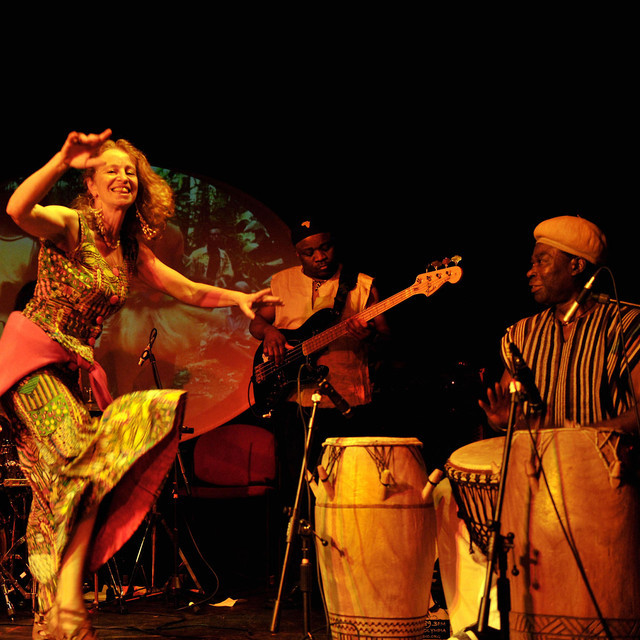
Baka Beyond / Baka Forest People
Phleng Phuea Chiwit
African Folk Music
Mbenga-Mbuti Music
1
/5
The Ngqoko Women's Ensemble
Traditional Music
African Folk Music
Nguni Folk Music
2
/5
Baka Beyond
Mbenga-Mbuti Music
African Folk Music
1
/5
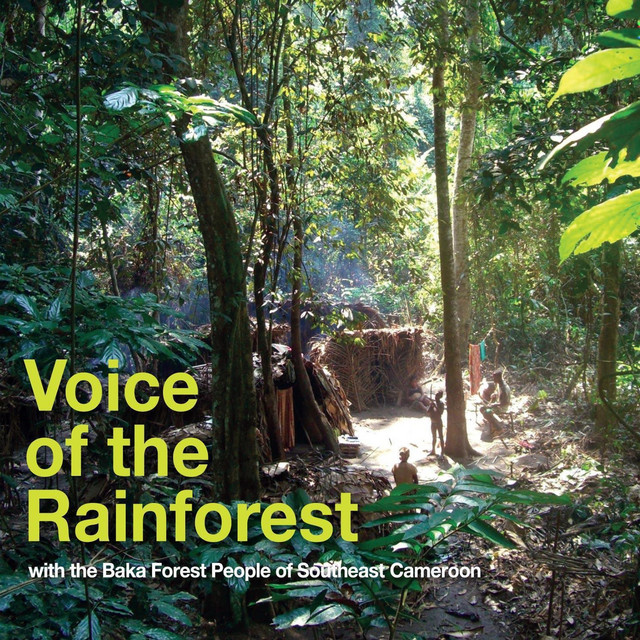
Baka Forest People of Southeast Cameroon
Pygmy Music
Mbenga-Mbuti Music
1
/5
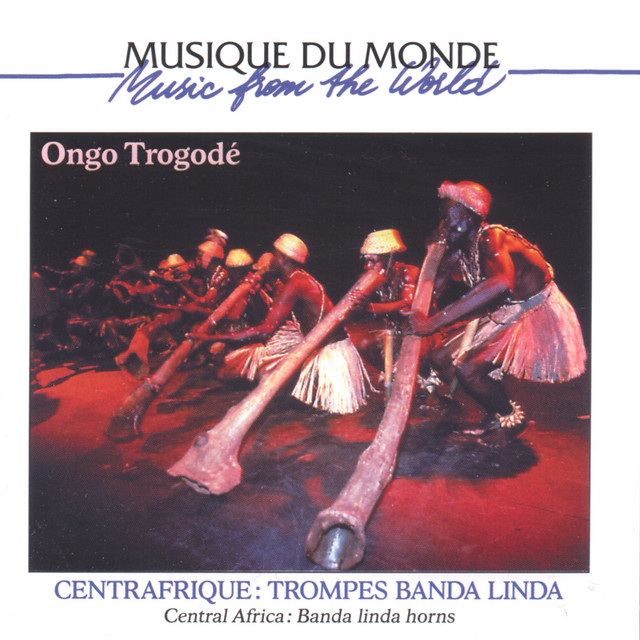
Ongo Trogodé
African Folk Music
Banda
Pygmy Music
Colin Turnbull
Mbenga-Mbuti Music
Pygmy Music
4
/5
Traditional
Gregorian Chant
Classical
Spanish Classical Music
3
/5
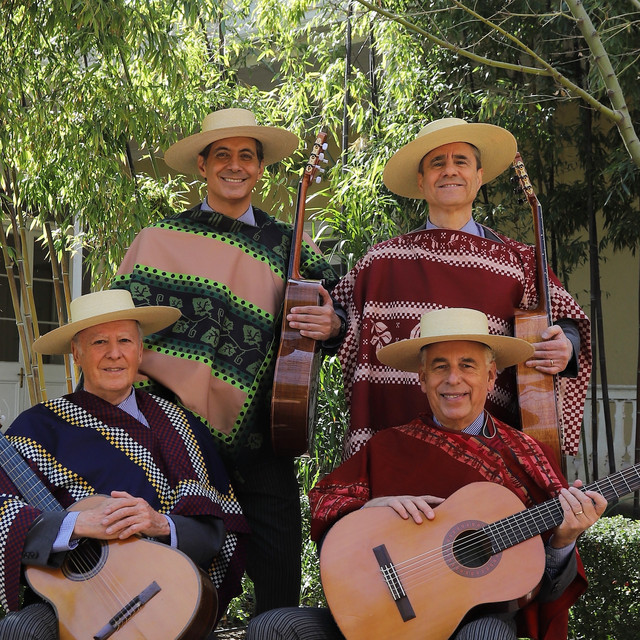
Los Huasos Quincheros
Tonada Chilena
Folclor Andino
Traditional Music
Download our mobile app
Get the Melodigging app and start digging for new genres on the go
Download on the App Store
Get it on Google Play
© 2026 Melodigging
Give feedback
Legal
Melodding was created as a tribute to
Every Noise at Once
, which inspired us to help curious minds keep digging into music's ever-evolving genres.