Your digging level
Description
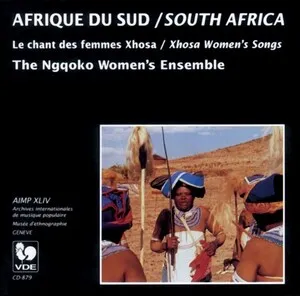
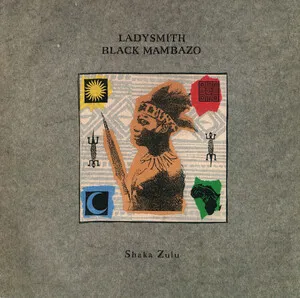
Nguni folk music refers to the traditional musical practices of the Nguni peoples of southern Africa—principally the Zulu, Xhosa, Ndebele, and Swazi. It is rooted in communal life, ceremony, and oral history, and is characterized by call-and-response singing, dense choral textures, and dance-led rhythms.
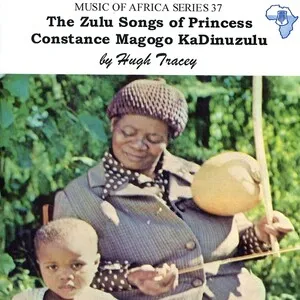
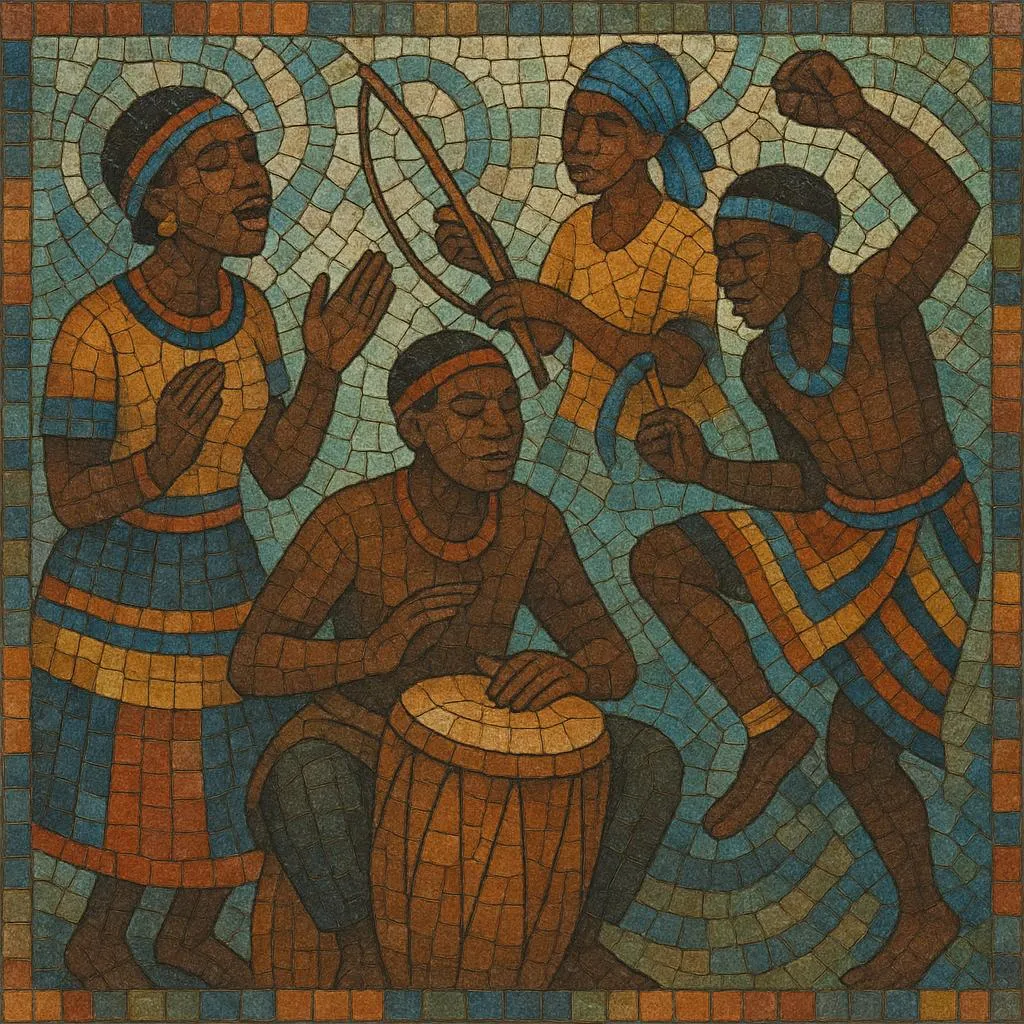
Typical sonorities include tightly blended group harmonies (often in parallel motion), vocables and ululations, and percussive accompaniment made from clapping, stamping, rattles, and frame or barrel drums. Melodic accompaniment from mouth-bows (such as uhadi, umakhweyana, umrhubhe/umrhubhe) and jaw harps (isitolotolo) is central in some traditions, especially among Xhosa and Zulu musicians, where singers tune their voices to the harmonic overtones of the bow.
Many repertoires are tied to social functions: praise poetry (izibongo) and imbongi declamation, wedding and initiation songs, work and herding songs, and competitive dance-songs like indlamu. The result is a music that is at once historical archive, social glue, and kinetic, dance-driven performance.
History
Nguni folk music predates colonial documentation and developed within the everyday and ceremonial life of Zulu, Xhosa, Ndebele, and Swazi communities. Music accompanied herding, grinding, stick-fighting, courtship, weddings, and rites of passage. Praise poetry (izibongo), delivered by an imbongi (praise singer), and antiphonal choral singing cemented lineages, remembered leaders, and narrated communal histories.
Vocalism has always been primary, with call-and-response and close-knit harmonies supporting dance. Percussive textures come from handclaps, foot-stomping, shakers, and drums. Mouth-bows (uhadi, umakhweyana, umrhubhe) and jaw harps (isitolotolo) provide shimmering overtone frameworks that guide the singer’s pitch. These timbres and structures became hallmarks of different sub-regional styles within the broader Nguni sphere.
Missionization and labor migration introduced hymnody, guitars, and urban performance contexts. Nguni choral practices fed directly into early 20th-century migrant men’s choirs, crystallizing into mbube and later isicathamiya. Guitar-based maskanda drew on Zulu bow and vocal idioms, while township dance music absorbed Nguni vocal phrasing and praise-song poetics.
From the late 20th century, master bow players and praise poets revitalized rural traditions, while touring ensembles brought Nguni styles to global stages. Contemporary artists continue to fold Nguni folk elements into jazz, gospel, and popular forms, sustaining the music’s ceremonial roles at home and its influence abroad.