Your digging level
Description
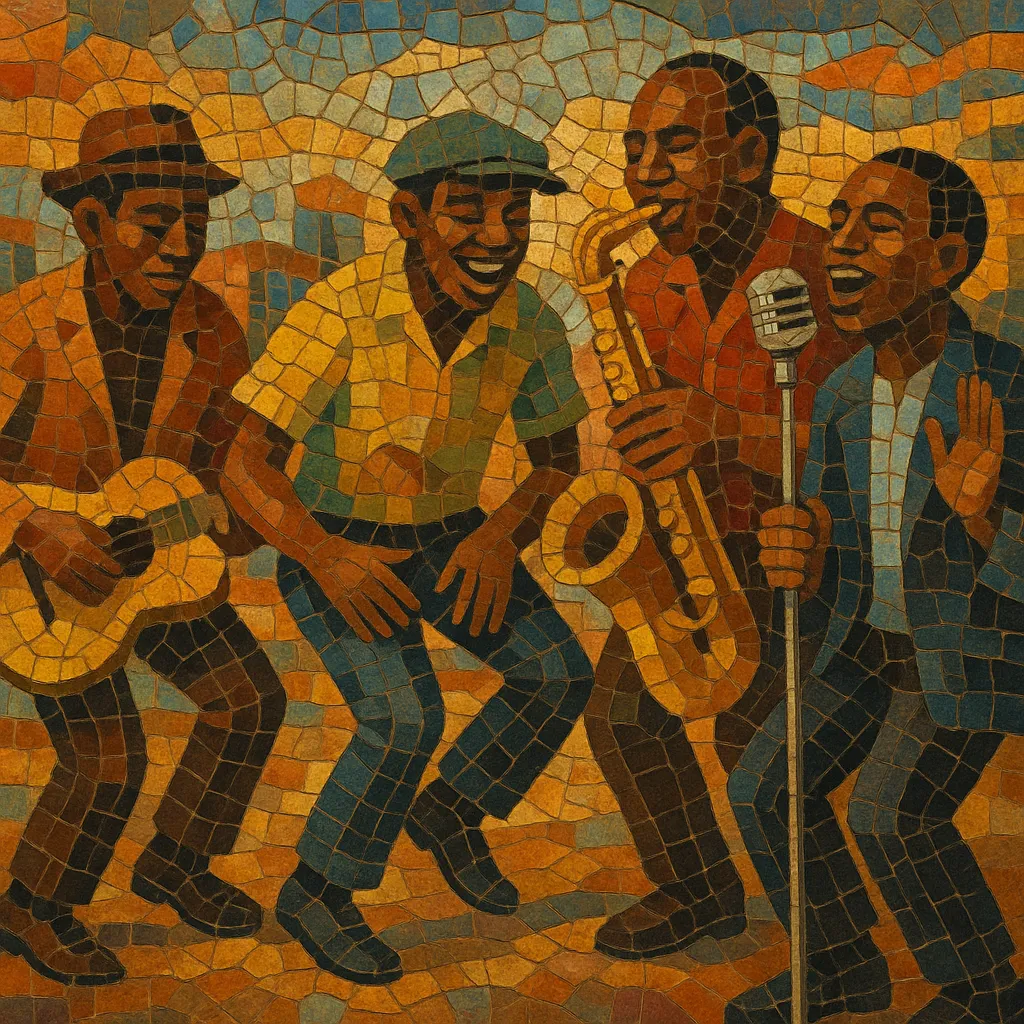
Township jive is a lively, urban South African dance music that crystallized in the apartheid-era townships during the 1950s and 1960s. It blends local street styles with American swing, jazz, and rhythm & blues aesthetics, producing buoyant grooves, call-and-response vocals, and infectious horn or pennywhistle hooks.
Characterized by cyclical chord vamps (often I–IV–V with dominant 7ths), a shuffling backbeat, and nimble, treble-forward electric guitar figures, township jive foregrounds movement and collective joy. Saxophones or pennywhistles carry singable riffs, while tight vocal groups deliver harmonized choruses in Zulu, Sotho, Tswana, and other South African languages. The music’s feel is celebratory yet rooted in the daily realities of township life, making it both danceable and narratively rich.
History
Urban migration and the flowering of township culture in places like Sophiatown created a fertile environment for new dance music. Street-driven styles such as kwela (pennywhistle music) intersected with American jazz and swing brought by records, films, and touring bands. In dance halls and shebeens, bands forged a distinctly South African groove—informally called “jive”—with cyclical chords, shuffling drum patterns, and spirited horn or pennywhistle leads.
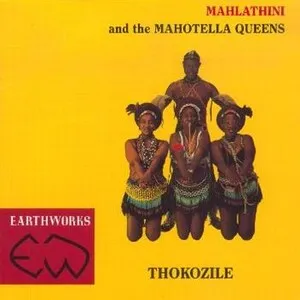
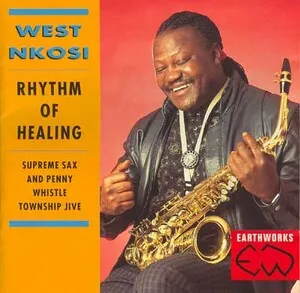
Following the forced removals from Sophiatown, recording hubs—especially Gallo’s Mavuthela division—professionalized the sound. Visionary bandleaders, guitarists, and producers (notably Marks Mankwane and West Nkosi) shaped a modern, amplified township band format. Powerful vocal groups and lead singers—exemplified by Mahlathini and the Mahotella Queens—popularized a harder-edged, groove-forward variant often identified internationally with township jive (and closely tied to mbaqanga). Radio play and 45 rpm singles helped the style circulate widely across southern Africa.
The 1970s saw township jive coexist with and influence soul-inflected and disco-leaning local sounds. Groups like The Soul Brothers updated the idiom with tighter harmonies and contemporary production. In the mid-1980s, international attention surged—most famously via Paul Simon’s Graceland—spotlighting township jive’s guitar work, vocal blend, and buoyant rhythms on the global stage, and catalyzing worldwide touring for leading artists.
As bubblegum pop and later kwaito came to dominate South African pop radio, township jive’s DNA remained audible in bass lines, guitar vamps, and community-centered choruses. Revivals, reissues, and international compilations have preserved the classic 1960s–1980s catalog. Contemporary acts sample, reference, and rework township jive’s grooves, confirming its enduring influence on South African popular music and the broader worldbeat landscape.