

Your digging level
Description
Township bubblegum is a South African, synthesizer‑driven dance‑pop style that blossomed in the 1980s, aimed primarily at Black urban audiences in the townships during the late apartheid era.
It blends disco’s four‑on‑the‑floor pulse, funk basslines, and bright synth hooks with township jive/mbaqanga rhythmic guitar figures and marabi‑flavored chord cycles. Lyrics are usually in English mixed with isiZulu, isiXhosa, Sesotho and other local languages, delivered through catchy, chant‑like refrains and call‑and‑response vocals.
The result is upbeat, radio‑friendly party music with ear‑worm choruses, glossy drum‑machine production, and feel‑good grooves that made it a foundational stepping stone toward 1990s kwaito and, later, contemporary South African dance styles.
History
Township bubblegum emerged in Johannesburg/Soweto studios as producers and session players fused imported disco and funk with local township jive/mbaqanga guitar patterns and marabi‑tinged harmony. Affordable drum machines and polyphonic synthesizers (e.g., Roland/Linn, Yamaha DX era) enabled sleek, radio‑ready arrangements tailored to township parties and shebeens.
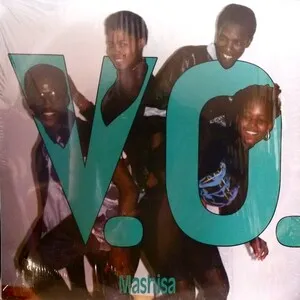
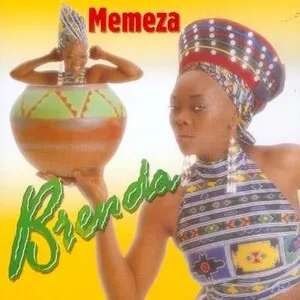
By the mid‑1980s, the style dominated South African pop charts. Artists such as Brenda Fassie, Yvonne Chaka Chaka, and Chicco Twala scored massive hits built on four‑on‑the‑floor beats, bubbling synth bass, and chant‑like hooks. Producers streamlined arrangements for cassette and radio, while multilingual lyrics amplified its mass appeal. Songs like Sipho “Hotstix” Mabuse’s “Burn Out” and Paul Ndlovu’s “Khombora Mina” became emblematic of the sound.
As house music flooded South Africa in the early 1990s, township bubblegum’s tempo, chant‑heavy vocals, and drum‑machine feel fed directly into kwaito. The genre’s melodic sensibility and township storytelling also shaped how local producers adapted house into distinct South African forms.
Township bubblegum’s DNA—mid‑tempo dance grooves, communal choruses, and bright synth palettes—remains audible in modern SA styles. Kwaito’s descendants (gqom, amapiano) carry forward its party‑centric ethos, while periodic reissues and DJ sets have sparked renewed global interest in 1980s South African bubblegum classics.

Top albums
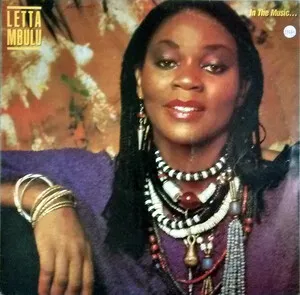
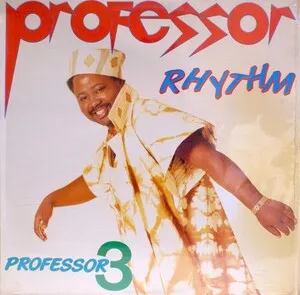
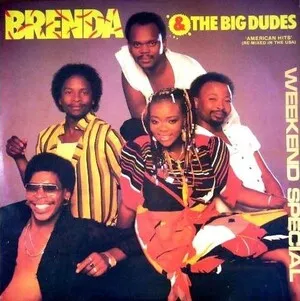
Best playlists
![🎵Township Bubble Gum Festival Music 🎃Spooky Halloween Music [2 Songs]](https://i.ytimg.com/vi/eIbGXc9kxjU/hqdefault.jpg)

