Your digging level
Description
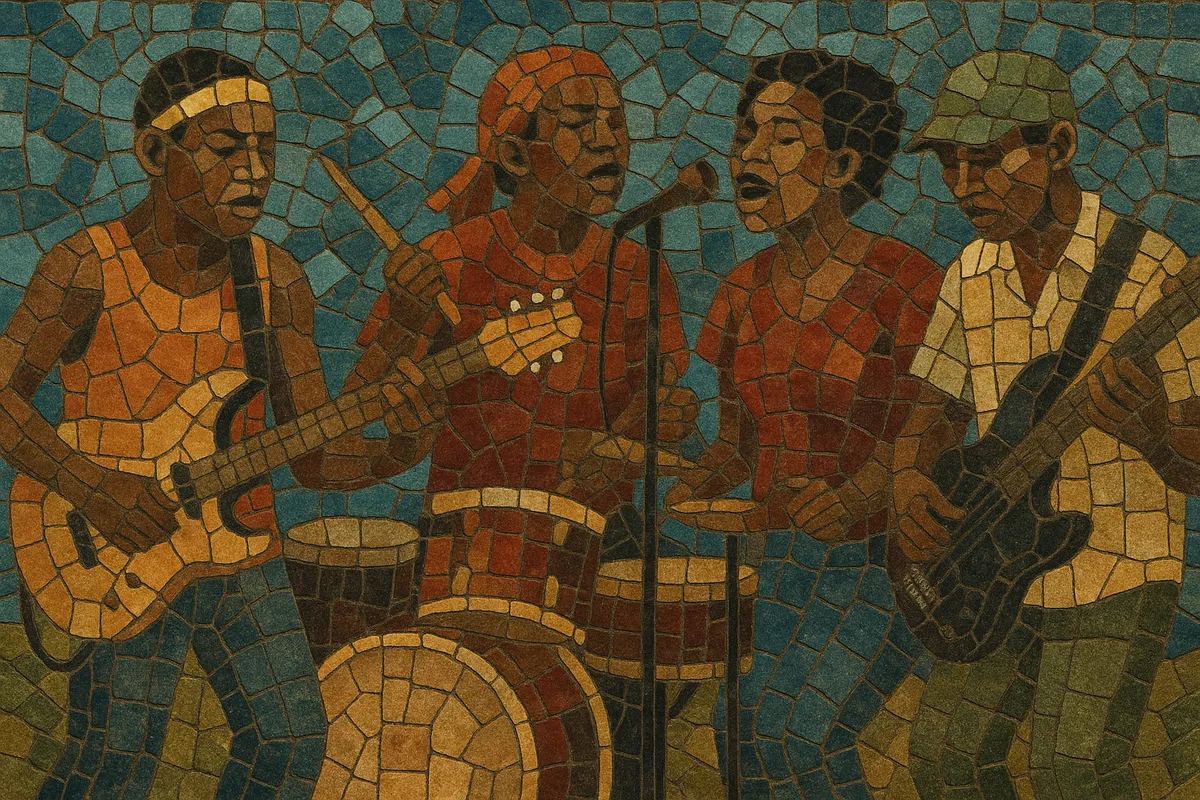
Tsapiky (sometimes spelled tsapika) is a high-energy, guitar-driven dance music from the southwest of Madagascar, centered on the coastal city of Toliara (Tuléar). It features rapid, trance-like grooves, interlocking electric guitar riffs, and call-and-response vocals that can last for extended, ecstatic performances.
Bands typically use two or more electric guitars, electric bass, and drum kit, with handclaps and occasional traditional Malagasy instruments. Harmonically, tsapiky often revolves around short modal or I–IV–V vamps, while rhythmically it emphasizes relentless, motoric picking patterns and propulsive, polyrhythmic drum/bass interplay.
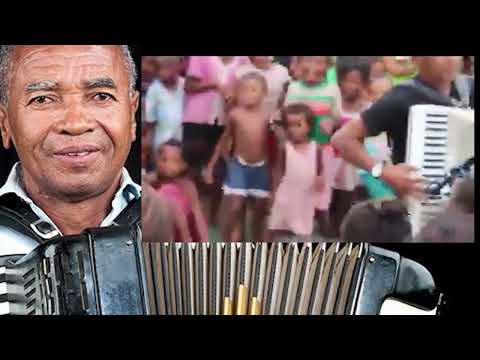
Beyond clubs and concerts, tsapiky is deeply rooted in community life—played at weddings, circumcision ceremonies, sporting events, and sometimes all-night gatherings—where its speed and stamina serve social bonding and collective catharsis.

History
Tsapiky emerged in the Toliara region of southwest Madagascar as electrified local dance music. Musicians adapted regional ceremonial and social rhythms to electric instruments, absorbing ideas heard over radio and records from across the Mozambique Channel. Mozambican marrabenta, Congolese soukous, and South African township sounds (including mbaqanga) helped shape tsapiky’s fast tempo, circular guitar lines, and communal call-and-response.
By the 1980s, the style’s signature sound—bright, cutting single‑coil guitar tones, perpetual sixteenth‑note picking, and tightly interlocked lead–rhythm parts—was fully established. Bass and drum kit synchronized with handclaps to produce a tireless, dance-inducing pulse. Extended performance formats (often lasting many minutes per piece) supported trance-like states on dance floors and at community ceremonies.
Tsapiky grew as both entertainment and social glue. It animated festivals, family celebrations, and public events, and it intersected with other southwest Malagasy practices (including local circle dances and call-and-response singing). The music’s intensity—fast but melodically concise—made it ideal for long sets at outdoor sound systems and neighborhood gatherings.
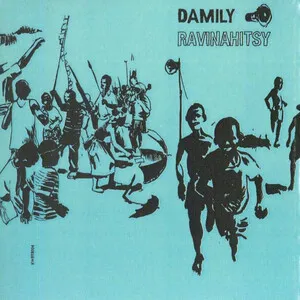
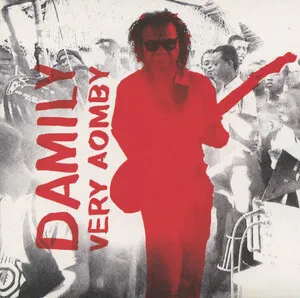
From the 1990s on, touring musicians and recordings introduced tsapiky to international audiences. Artists such as Damily and Teta showcased the genre’s guitar virtuosity on global stages. In Madagascar, tsapiky remained a living, adaptive practice—amplified at large festivities, absorbed into pop formats, and cross-pollinated with other Malagasy styles—while retaining its fundamental traits: speed, stamina, and communal participation.

![[TUTORIEL] GAME + TSAPIKY (by Guitare MAMY)](https://i.ytimg.com/vi/VO6iErP8FFw/hqdefault.jpg)

Top albums

Best playlists