Genres
Artists
Albums
Make Music
Sign in
Sign in
Artists
Alternative Dance
Artists
Alternative Dance
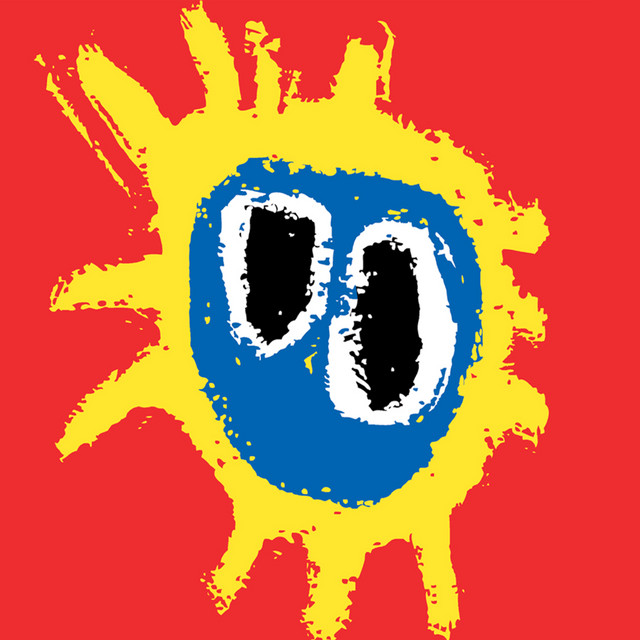
Primal Scream
1987–2002
·
6 albums
Listen
3
/5
Genres
Emo Revival
Emo revival is a 2010s resurgence of the melodic, introspective strain of 1990s and early-2000s emo, updated with indie-rock and math-rock sensibilities. It emphasizes twinkly, interlocking clean guitars, confessional and diaristic lyrics, dynamic quiet‑loud arrangements, and a DIY ethos rooted in house shows, small labels, and online communities. Compared with 2000s mainstream emo-pop, the revival leans closer to Midwest emo and indie aesthetics—often cleaner in tone, more rhythmically intricate, and less polished, while remaining hooky and emotionally direct.
Discover
Listen
Modern Indie Folk
Modern indie folk is a 2010s-era evolution of indie folk that blends intimate, acoustic songwriting with contemporary production aesthetics. It keeps the core of folk—storytelling, fingerpicked guitars, and close-miked vocals—but expands the palette with ambient textures, chamber-style strings, subtle electronics, cinematic reverb, and spacious, headphone-first mixes. The result is a sound that feels both handcrafted and atmospheric: confessional lyrics carried by hushed deliveries, layered harmonies, and warm analog or tape-like saturation, often moving between 4/4 and swaying 6/8/12/8 meters. At its center are themes of memory, nature, relationships, and quiet self-reckoning, expressed through vivid imagery and minimalist arrangements that bloom into emotive crescendos.
Discover
Listen
Modern Indie Pop
Modern indie pop is a 2010s-forward style of pop made largely outside the traditional major-label pop pipeline, but with a strong focus on hooks, concise song forms, and modern production. It typically blends indie-rock songwriting attitudes (personal lyrics, DIY aesthetics, alternative scenes) with contemporary pop sonics such as punchy drums, bright or glassy synths, tight vocal editing, and streaming-era arrangement pacing. Compared with earlier indie pop, “modern” indie pop is usually more producer-led, more influenced by electronic and R&B-informed pop textures, and often designed to translate well to playlists and short-form content without losing an alternative identity.
Discover
Listen
Shimmer Psych
Shimmer psych is a contemporary strand of neo‑psychedelia that pairs sparkling, chorus‑washed guitars and gauzy vocal harmonies with dreamy pop songcraft. It emphasizes high‑end "shimmer," tape‑soft saturation, hypnagogic textures, and melodic hooks, sitting between dream pop, jangle pop, and classic psychedelic rock. Typical tracks are mid‑tempo, built on warm bass lines, gentle motorik or laid‑back breakbeats, and drenched in reverb, phaser, and delay. The result is sun‑bleached, nostalgic, and kaleidoscopic rather than heavy or jam‑oriented.
Discover
Listen
Solo Wave
Solo wave is an internet-era microgenre that blends the intimate, DIY sensibility of bedroom pop with vaporwave- and chillwave-tinged atmospheres and soft indie pop songwriting. Typically produced by solo artists working from home studios, it favors gentle synth pads, chorus-washed guitars, understated trap- or pop-leaning drums, and confessional vocals framed by nostalgic reverb and tape-like warmth. The result is dreamy, sentimental, and highly shareable songs that circulate on streaming platforms and social media. Lyric themes often center on young adult relationships, self-reflection, mental health, and digital-age loneliness—delivered in a direct, diaristic tone that reinforces the genre’s solitary, “one-person project” ethos.
Discover
Listen
Britpop Revival
Britpop revival is a 21st‑century resurgence of the bright, catchy guitar‑based British pop/rock associated with 1990s Britpop. Bands in this style channel the melodic immediacy, sing‑along choruses and wry, everyday storytelling of classic Britpop, itself rooted in 1960s British pop and mod. The sound typically features chiming or crunchy guitars, prominent hooks, mid‑to‑up‑tempo backbeats and anthemic refrains that celebrate local identity and ordinary life. Culturally, Britpop revival leans on nostalgia for the "Cool Britannia" moment while updating production sheen and festival‑ready dynamics, often positioning itself as a lively, communal alternative to darker indie trends.
Discover
Listen
Doble Paso
Doble paso is a high‑tempo reggaetón variant characterized by running the classic dembow groove at double speed, creating a frenetic, hard‑hitting feel aimed squarely at the dance floor. Compared with standard reggaetón drum patterns (typically around 90–100 BPM), doble paso accelerates the same rhythmic skeleton to roughly 120–140 BPM, often accompanying a club dance of the same name. Producers keep the core syncopation and low‑end punch of reggaetón while tightening hi‑hats, adding denser percussion fills, and favoring short, chant‑like hooks that match the breathless pace. The result is intense, perreo‑ready energy that bridges classic reggaetón, Dominican dembow’s urgency, and club‑forward editing trends.
Discover
Listen
Italo Beats
Italo beats is a contemporary, club-oriented offshoot of the classic Italian Italo sound, fusing the sleek melodicism of 1980s Italo disco with the punch and polish of modern European dance music. Typical tracks feature four-on-the-floor drums, bright synth leads, rubbery basslines, and hook-forward vocals that lean into romantic or nightlife themes. Rather than being a strict historical movement, Italo beats functions as a modern production style and DJ vernacular that revives Italo’s earworm melodies and neon textures while adopting current mixdown aesthetics (sidechained pads, wider stereo imaging, and festival-ready low end). It thrives in streaming-era dance culture, uniting Italian, Central/Eastern European, and broader EU producers around a recognizable “Italo-flavored” club sound.
Discover
Listen
Britpop
Britpop is a UK-centered movement of the early-to-mid 1990s that revived classic British guitar-pop values—memorable hooks, concise songcraft, and everyday storytelling—while positioning itself as a confident alternative to American grunge. It celebrated Britishness in sound and subject matter, drawing heavily on 1960s and 1970s British pop and rock traditions. Stylistically, britpop tends to feature jangly or crunchy electric guitars, sing-along choruses, and tuneful melodies over straightforward rhythms. Lyrics often focus on ordinary life, class, romance, and wry social observation, typically delivered in unvarnished British accents. The production is generally clean and punchy, favoring clarity over heavy effects and emphasizing immediacy and radio-friendliness.
Discover
Listen
Electroclash
Electroclash is a late-1990s/early-2000s fusion of 1980s synth-pop and new wave aesthetics with contemporary club-ready electro, techno, and house production. It pairs deadpan or detached vocals, sexually charged and ironic lyrics, and fashion-forward performance art with analog-sounding drum machines, biting synth basslines, and minimal, mechanical grooves. The style’s signature sound emphasizes retro timbres (saw/square leads, arpeggiators, vocoders), rigid four-on-the-floor or electro-funk rhythms, and a cool, decadent attitude that blurs underground club culture with pop spectacle.
Discover
Listen
Trip Hop
Trip hop is a downtempo, atmospheric fusion of hip hop rhythm and sampling techniques with the textures of dub, soul, jazz, and ambient music. Emerging from the Bristol scene in the early 1990s, it favors slow, head‑nodding breakbeats, deep bass, and cinematic sound design. The style is characterized by moody harmonies (often in minor keys), woozy tape- and vinyl-derived timbres, and liberal use of delay and reverb. Vocals frequently alternate between intimate, breathy singing and spoken word/rap, and lyrical themes tend toward noir, introspective, and melancholic subjects. Strings, Rhodes pianos, turntable scratches, and field recordings are common, creating a shadowy, filmic vibe.
Discover
Listen
Alternative Dance
Alternative dance blends the textures and songwriting of alternative rock and post‑punk with club‑oriented rhythms and production. Born in the UK at the cusp of the late 1980s “Second Summer of Love,” it embraced house/acid house grooves, sequenced bass lines, and sampling while keeping indie sensibilities, guitars, and song structures. The result is music that works on a dancefloor but still reads like an alternative single. Typical hallmarks include four‑on‑the‑floor or breakbeat drums, jangly or funky guitars, prominent bass (often synth), euphoric pads, and hook‑forward vocals. Landmark albums like New Order’s Technique and Primal Scream’s Screamadelica helped define its palette and ethos.
Discover
Listen
Alternative Rock
Alternative rock is a broad umbrella for guitar-based rock that emerged from the independent and college-radio scenes as a counterpoint to mainstream, commercial rock. It blends the energy and ethos of punk with the textural and songwriting experiments of post-punk, new wave, jangle pop, and noise rock, often foregrounding introspective or socially aware lyrics. Across its many strains—from the melodic minimalism of college rock to the loud-quiet-loud dynamics of grunge and the artful experimentation of Radiohead-era modernism—alternative rock prioritizes authenticity, sonic individuality, and a do-it-yourself approach. Its sound ranges from chiming, chorus-laden clean guitars to abrasive distortion and feedback, supported by straightforward rock rhythms or off-kilter grooves, and production that can be either raw and live-sounding or polished yet unconventional.
Discover
Listen
C86
C86 is a British indie-pop movement named after the 1986 cassette compilation issued by the NME. It crystallized a jangly, DIY guitar-pop sound that blended the energy and independence of punk with 1960s melodicism and a fanzine-driven underground culture. Musically it is characterized by bright, trebly rhythm guitars, simple but hooky chord sequences, brisk tempos, and earnest, often boy/girl lead vocals. Production tends to be raw or homespun, with a charmingly unpolished feel that highlights immediacy over perfection. Lyrically, C86 favors wit, romance, awkwardness, and everyday detail—sometimes sweet, sometimes sardonic—delivered with an infectious, handclap-and-tambourine bounce. Beyond sound, C86 stands for an ethos: independent labels and shops, Peel Sessions, zines, and grassroots gigs. It provided a template for later waves of twee pop, noise pop, and lo‑fi indie scenes across the UK and far beyond.
Discover
Listen
Madchester
Madchester is a late-1980s Manchester music scene and sound that fused jangly indie/alternative rock with acid house, funk, and psychedelic influences. It emphasized danceable grooves, repetitive basslines, baggy drum feels, and anthemic, chant-like choruses. More than a sonic palette, Madchester was a cultural moment centered around Factory Records, the Haçienda nightclub, and a hedonistic rave-meets-guitar-pop aesthetic. Its artists bridged club culture and indie rock, popularizing house-derived rhythms and ecstatic, communal live energy within a band format.
Discover
Listen
Electro
Electro is an early 1980s machine-funk style built around drum machines (especially the Roland TR-808), sequenced basslines, and a futuristic, robotic aesthetic. It emphasizes syncopated rhythms, sparse arrangements, and timbres drawn from analog and early digital synthesizers. Vocals, when present, are often delivered via vocoder or rap-style chants, reinforcing a sci‑fi, cyborg persona. Electro’s grooves powered breakdance culture, and its sonic palette—crisp 808 kicks, snappy snares, dry claps, cowbells, and squelchy bass—became foundational to later techno and bass music.
Discover
Listen
Neo-Psychedelia
Neo-psychedelia is a late-20th-century revival and reinvention of 1960s psychedelic music aesthetics, filtered through post-punk, indie, and experimental sensibilities. It emphasizes hypnotic textures, droning guitars, heavy use of effects (reverb, delay, phasing), analogue organs/synths, and dreamlike or surreal lyricism. Rhythms may draw from motorik and other steady, trance-inducing grooves, while harmony often favors modal colors and repetitive vamps. The style ranges from jangly, melodic songs to dense, feedback-laden soundscapes, and has been highly influential on dream pop, shoegaze, Britpop-adjacent scenes, and modern psych rock.
Discover
Listen
Rock
Rock is a broad family of popular music centered on amplified instruments, a strong backbeat, and song forms that foreground riffs, choruses, and anthemic hooks. Emerging from mid‑20th‑century American styles like rhythm & blues, country, and gospel-inflected rock and roll, rock quickly expanded in scope—absorbing folk, blues, and psychedelic ideas—while shaping global youth culture. Core sonic markers include electric guitar (often overdriven), electric bass, drum kit emphasizing beats 2 and 4, and emotive lead vocals. Rock songs commonly use verse–chorus structures, blues-derived harmony, and memorable melodic motifs, ranging from intimate ballads to high‑energy, stadium‑sized performances.
Discover
Listen
Electronic
Electronic is a broad umbrella genre defined by the primary use of electronically generated or electronically processed sound. It encompasses music made with synthesizers, drum machines, samplers, computers, and studio/tape techniques, as well as electroacoustic manipulation of recorded or synthetic sources. The genre ranges from academic and experimental traditions to popular and dance-oriented forms. While its sonic palette is rooted in electricity and circuitry, its aesthetics span minimal and textural explorations, structured song forms, and beat-driven club permutations. Electronic emphasizes sound design, timbre, and studio-as-instrument practices as much as melody and harmony.
Discover
Listen
Show all 19 genres
Albums
2002
2
/5
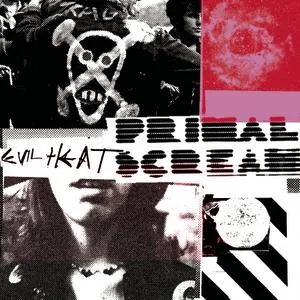
Evil Heat
Primal Scream
Electroclash
Electro
Electronic
2000
2
/5
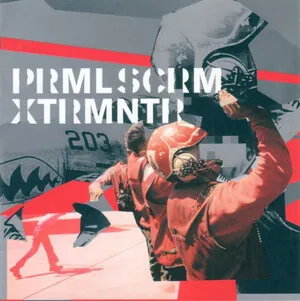
XTRMNTR
PRMLSCRM
Alternative Dance
1997
1
/5
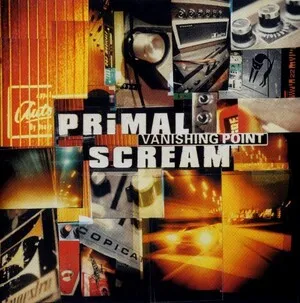
Vanishing Point
Primal Scream
Alternative Dance
Alternative Rock
Electronic
1997
2
/5
Vanishing Point
Primal Scream
Trip Hop
1991
1
/5
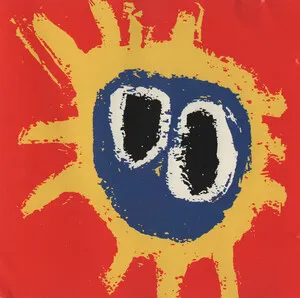
Screamadelica
Primal Scream
Alternative Dance
1987
2
/5
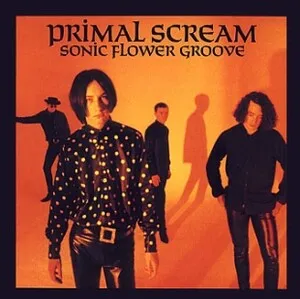
Sonic Flower Groove
Primal Scream
C86
Similar artists
1
/5
Various Artists
Afro-Funk
Alternative Rock
Ambient
2
/5
Carter The Unstoppable Sex Machine
Grebo
Electronic
Rock
1
/5
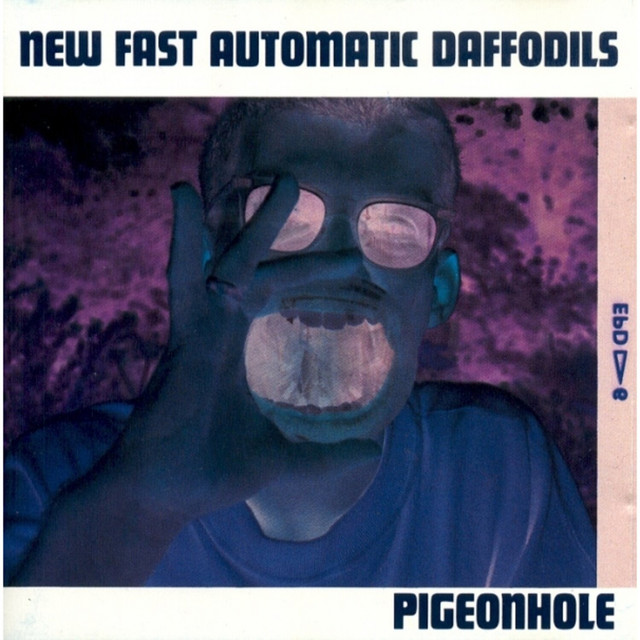
New Fast Automatic Daffodils
Madchester
Alternative Dance
Britpop
4
/5
Depeche Mode
Synth-Pop
Electronic
Dance-Rock
3
/5
Saint Etienne
Alternative Dance
Britpop
Indie Shoegaze
3
/5
Soulwax
Mashup
Alternative Dance
Electroclash
4
/5
LCD Soundsystem
Dance-Punk
Alternative Dance
Electronic Rock
5
/5
Radiohead
Alternative Rock
Art Rock
Melancholia
5
/5
Gorillaz
Alternative Hip Hop
Electronic
Modern Rock
3
/5
Happy Mondays
Madchester
Alternative Dance
Britpop
Download our mobile app
Get the Melodigging app and start digging for new genres on the go
Download on the App Store
Get it on Google Play
© 2026 Melodigging
Give feedback
Legal
Melodding was created as a tribute to
Every Noise at Once
, which inspired us to help curious minds keep digging into music's ever-evolving genres.