Genres
Artists
Albums
Make Music
Sign in
Sign in
Artists
Classic Jazz
Artists
Classic Jazz
Potato Head Jazz Band
Listen
Genres
Classic Jazz
Classic jazz refers to the earliest, pre-swing era of jazz that coalesced in New Orleans and spread to Chicago and New York during the Jazz Age. It is characterized by small ensembles, collective improvisation, and a two-beat feel rooted in marches, ragtime, and the blues. A typical front line of cornet/trumpet, clarinet, and trombone spins interlocking melodies over a rhythm section of banjo or piano, tuba or string bass, and drums. Forms such as the 12-bar blues and 16- or 32-bar popular song structures dominate, and arrangements often alternate ensemble choruses with brief breaks and solo spots. The music retains the "Spanish tinge" (habanera rhythms), heavy use of mutes and growls, and call-and-response textures that reflect both African American and Creole traditions.
Discover
Listen
Jazz
Jazz is an improvisation-centered music tradition that emerged from African American communities in the early 20th century. It blends blues feeling, ragtime syncopation, European harmonic practice, and brass band instrumentation into a flexible, conversational art. Defining features include swing rhythm (a triplet-based pulse), call-and-response phrasing, blue notes, and extended harmonies built on 7ths, 9ths, 11ths, and 13ths. Jazz is as much a way of making music—spontaneous interaction, variation, and personal sound—as it is a set of forms and tunes. Across its history, jazz has continually hybridized, from New Orleans ensembles and big-band swing to bebop, cool and hard bop, modal and free jazz, fusion, and contemporary cross-genre experiments. Its influence permeates global popular and art music.
Discover
Listen
Ragtime
Ragtime is an African American–rooted piano style that flourished from the 1890s to the 1910s, characterized by lively syncopation in the right hand against a steady, march-like “oom‑pah” accompaniment in the left hand. Typically written in 2/4 or 4/4 time and notated with straight (unswung) eighth notes, classic rags unfold in multiple 16‑bar strains, often in the form AABBACCDD. The music draws on cakewalk rhythms, marching-band forms, and popular song, and it became a sensation through sheet music, piano rolls, and parlor performance. Scott Joplin, known as the “King of Ragtime,” helped codify the genre’s refined, compositional approach, calling for moderate tempos and a clear, singing melody. Beyond solo piano, ragtime was arranged for small ensembles and orchestras, found a home in vaudeville and dance halls, and laid essential groundwork for early jazz, stride piano, and much of 20th‑century American popular music.
Discover
Listen
Similar artists
4
/5
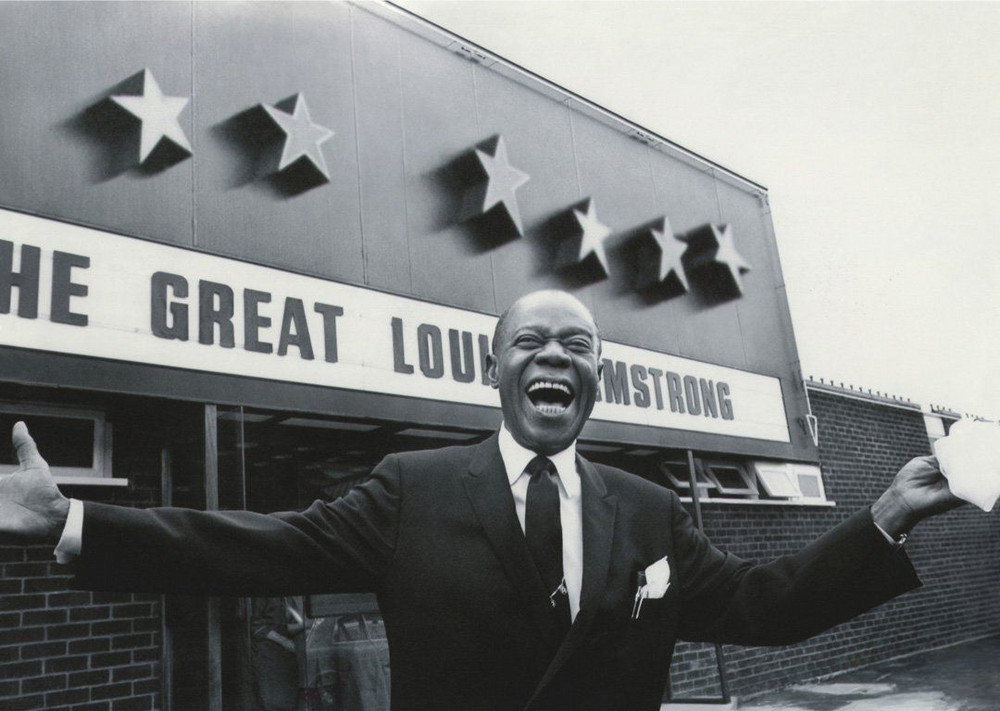
Louis Armstrong
Dixieland
Harlem Renaissance
Jazz Trumpet
4
/5
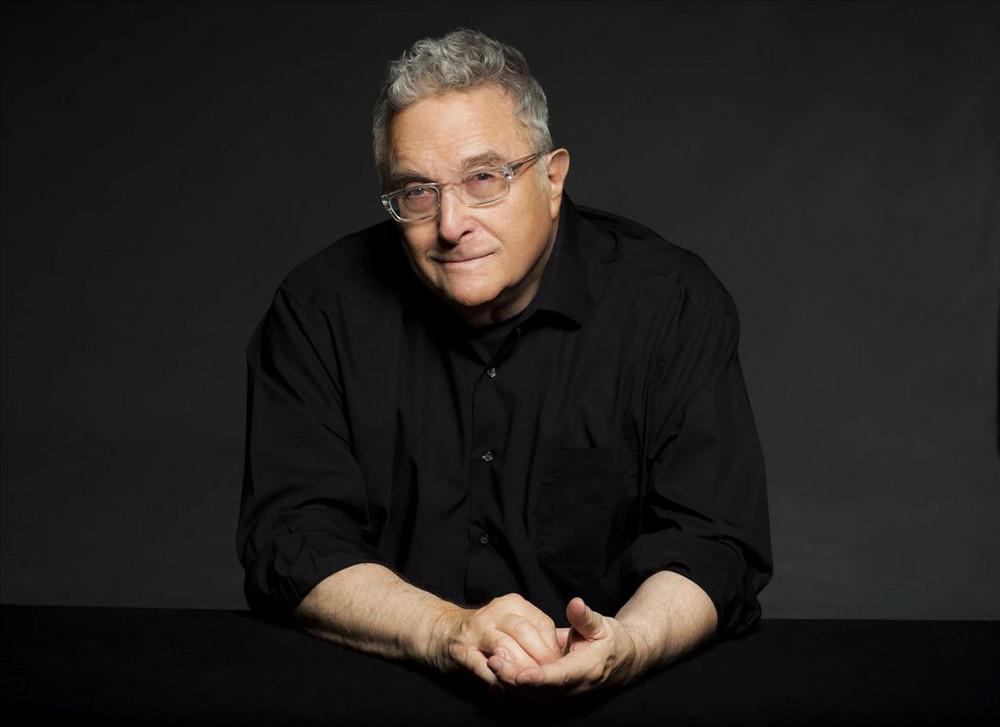
Randy Newman
Pop
Rock
Piano Rock
4
/5
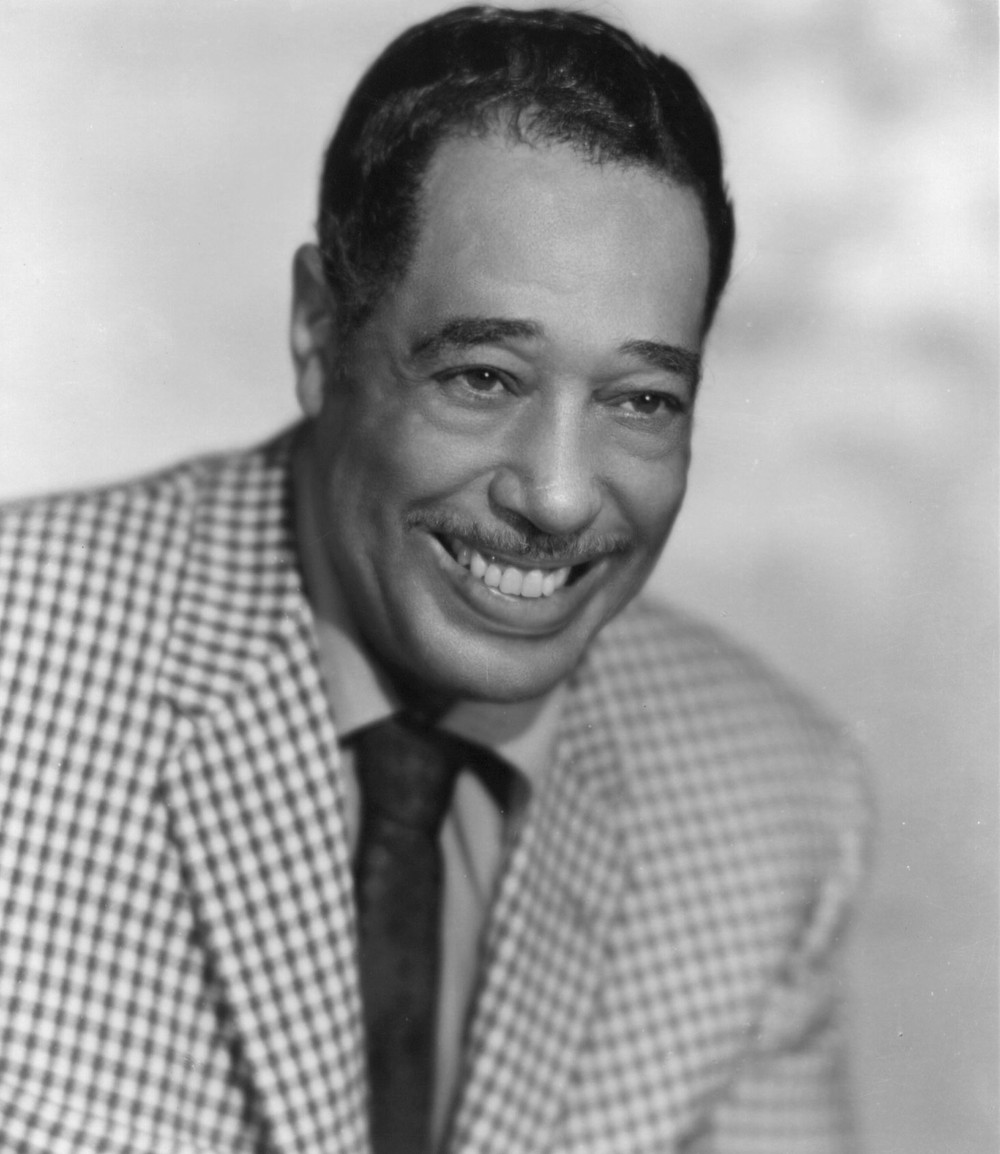
Duke Ellington
Big Band
Swing
Jazz
4
/5
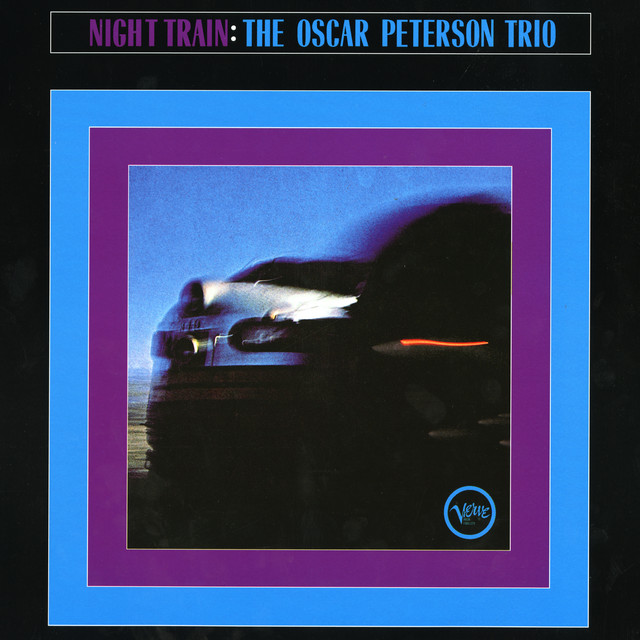
Oscar Peterson Trio
Contemporary Post-Bop
Bebop
Cool Jazz
4
/5
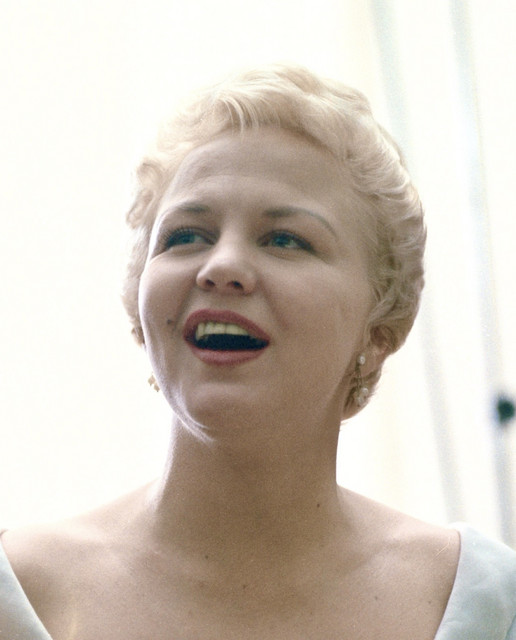
Peggy Lee
Big Band
Vocal Jazz
Jazz
3
/5
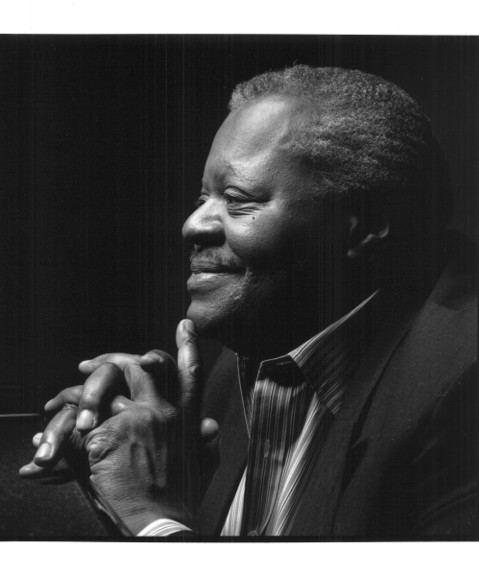
Oscar Peterson
Jazz
Bebop
Cool Jazz
3
/5
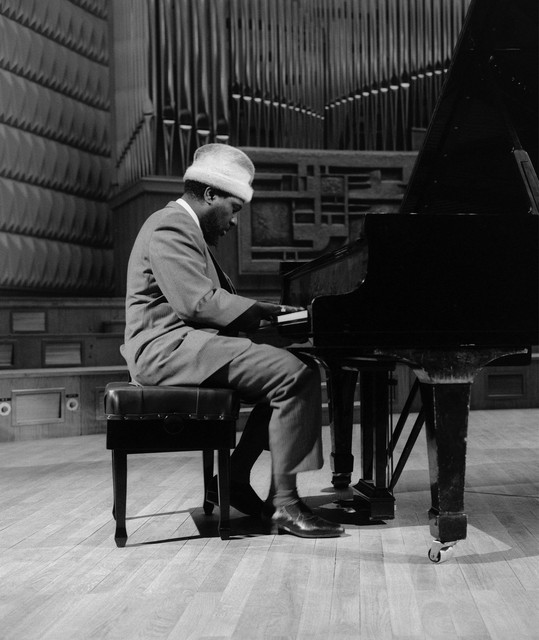
Thelonious Monk
Hard Bop
Jazz
Bebop
3
/5
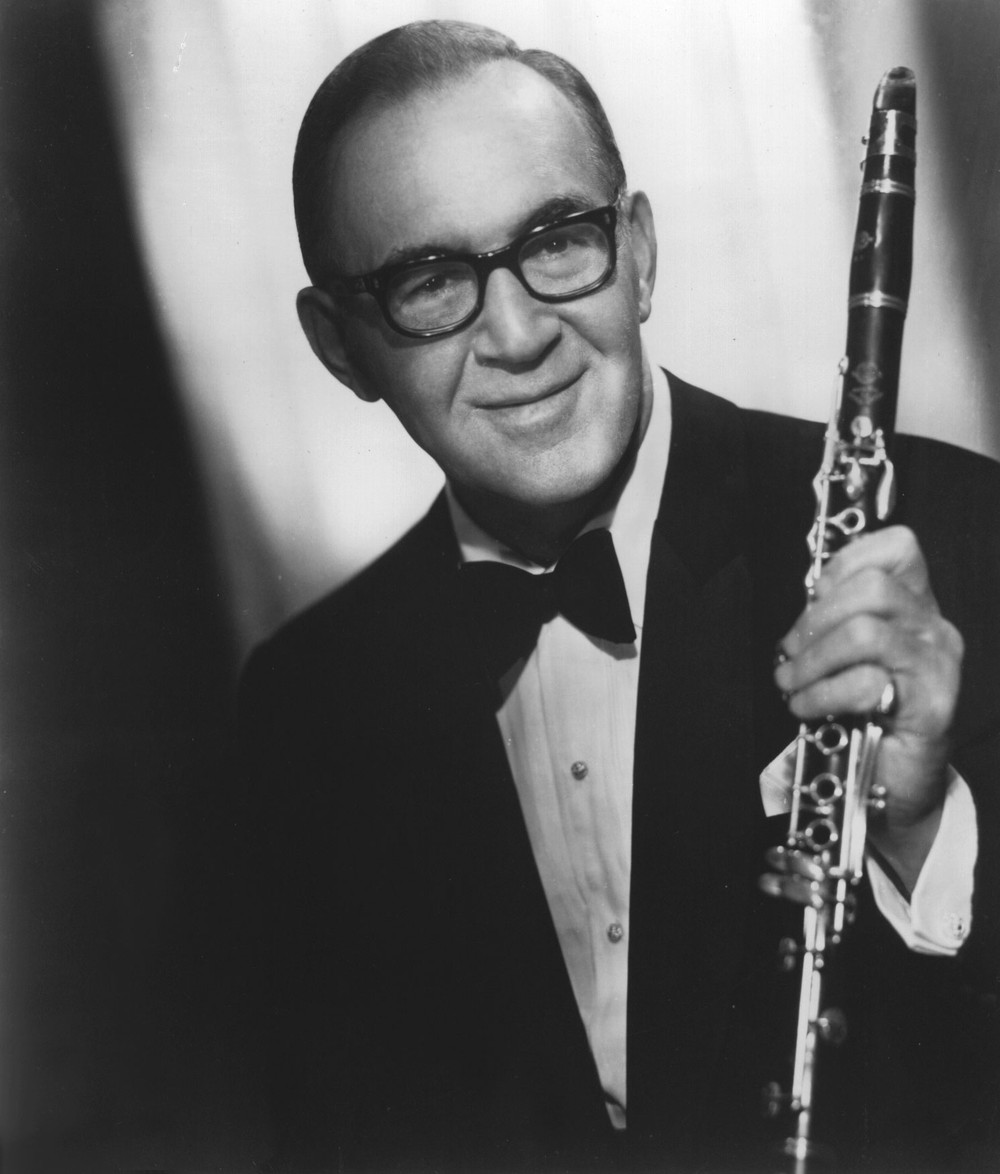
Benny Goodman
Ragtime
Big Band
Jazz
3
/5
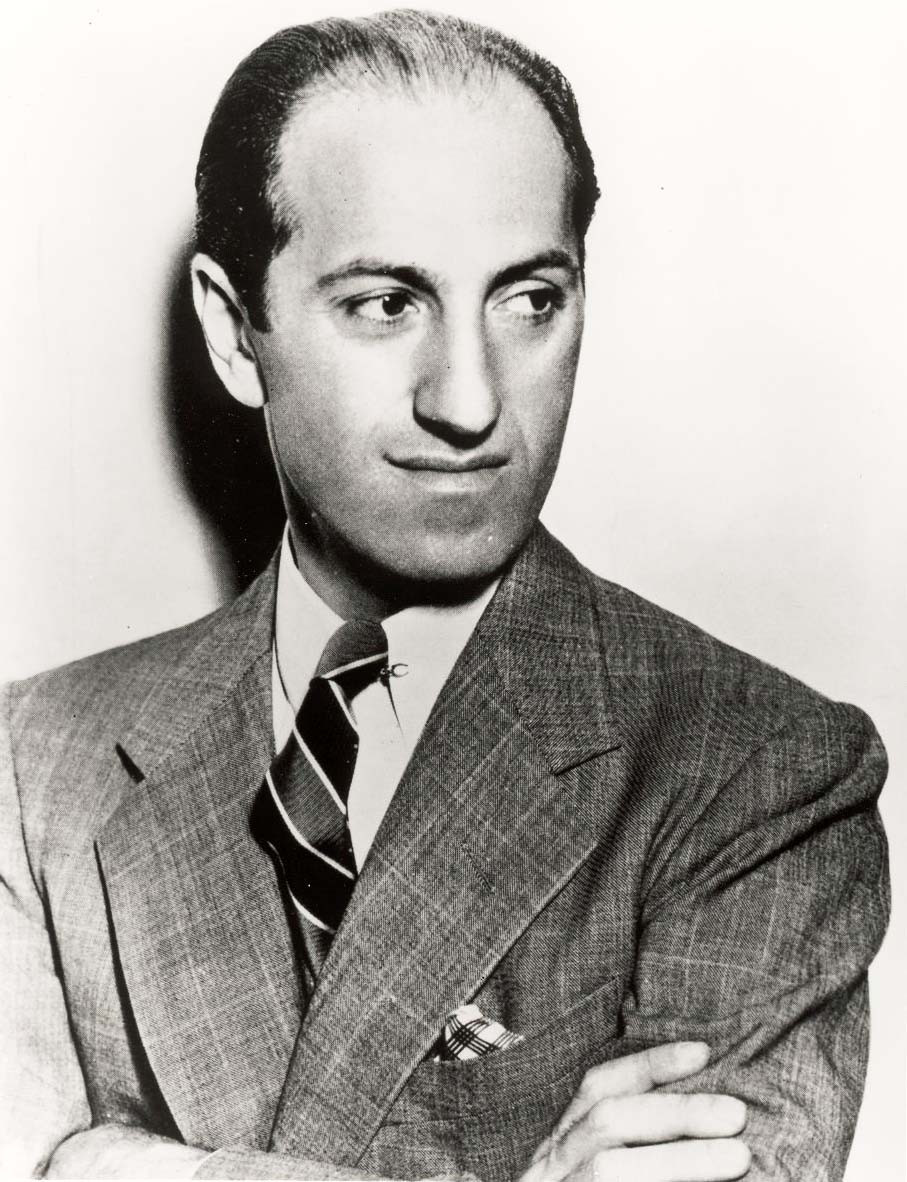
George Gershwin
Tin Pan Alley
Classical
Ragtime
3
/5
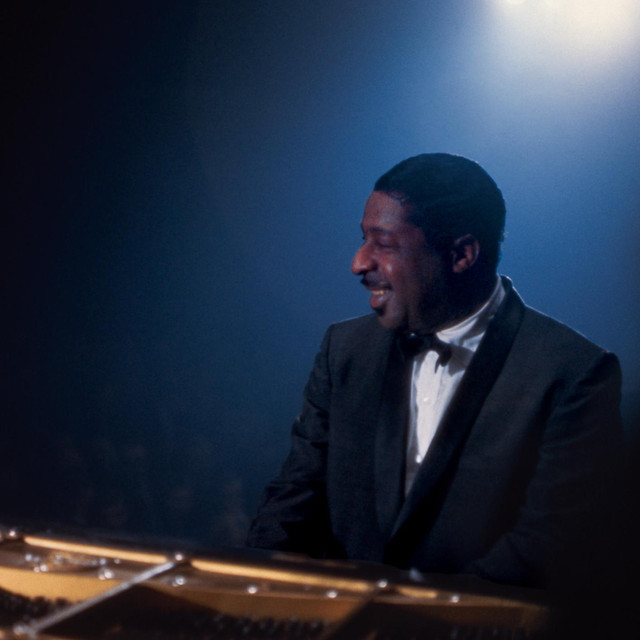
Erroll Garner
Stride
Jazz
Ragtime
Download our mobile app
Get the Melodigging app and start digging for new genres on the go
Download on the App Store
Get it on Google Play
© 2026 Melodigging
Give feedback
Legal
Melodding was created as a tribute to
Every Noise at Once
, which inspired us to help curious minds keep digging into music's ever-evolving genres.