Genres
Artists
Albums
Make Music
Sign in
Sign in
Artists
Post-Dubstep
Artists
Post-Dubstep
Pional
2016
·
1 album
Listen
3
/5
Genres
Chill Drill
Chill drill is a mellow, melodic offshoot of UK drill that keeps the style’s distinctive sliding 808s, syncopated hi-hats, and snare-on-3 placement, but softens the overall timbre and mood. Instead of ominous synths and harsh textures, it leans on airy pads, Rhodes pianos, gentle guitar loops, and lo‑fi ambience. Vocals tend to be more introspective and tuneful, with sing-rap hooks, laid-back cadences, and reflective lyric themes (romance, ambition, day-to-day life). The result bridges drill’s rhythmic identity with chillhop and lo‑fi hip hop’s relaxed atmosphere, creating tracks that are both groove-driven and easy to live with.
Discover
Listen
Ambient Plugg
Ambient plugg is a microgenre that fuses the airy, meditative textures of ambient music with the sparse drums, gliding 808s, and bouncy swing of plugg-style trap. It emphasizes soft pads, delicate bell or synth motifs, minimal percussion, and generous use of reverb and delay to create a floating, weightless feel. Compared to standard plugg, ambient plugg often lowers intensity, reduces melodic density, and foregrounds sustained chords and space, making it suitable both for reflective vocals and instrumental listening. The result is a calm, pastel-toned sound palette where groove remains present but understated, with drums supporting rather than dominating the atmospheric fabric.
Discover
Listen
Post-Dubstep
Post-dubstep is a loosely defined wave of UK-born electronic music that grew out of dubstep but moved away from its rigid 140 BPM wobble-bass formula. It keeps the bass-weight, sound-system focus, and rhythmic syncopation of dubstep and UK garage, but folds in house and techno tempos, R&B vocal chops, ambient space, and experimental production. Typical tracks explore 120–135 BPM (not fixed at 140), use broken 2‑step/garage swing instead of 4/4, and favor detailed sound design over maximal drops. You’ll often hear hushed, intimate vocals (sampled or original), neo-soul/jazz-influenced chords, and micro-edited percussion with lots of negative space. The mood is frequently introspective, melancholic, and textural—more headphone-oriented than festival-leaning—yet still rooted in club culture.
Discover
Listen
Edm
EDM (Electronic Dance Music) refers to the mainstream, festival-oriented wave of electronic dance styles that rose to global prominence in the early 2010s. It emphasizes high-energy drops, ear-catching toplines, and crowd-pleasing arrangements designed for large stages and mass audiences. Musically, EDM typically sits around 124–130 BPM with a strong four-on-the-floor kick, wide supersaw leads, bright plucks, and heavily sidechained pads and basses for a pumping feel. Tracks are structured around tension-and-release: intros and builds lead to explosive drops, followed by breakdowns that rebuild energy. Vocals and pop-style songwriting frequently appear, enabling crossover success on radio and streaming platforms.
Discover
Listen
Float House
Float House is a subgenre of electronic dance music characterized by its relaxed, dreamy, and ethereal atmosphere. It blends the rhythmic structure of Deep House and Minimal House with the lush, atmospheric textures of Ambient and Chillout music. The sound is defined by soft, often lo-fi production values, including tape saturation and hiss, combined with melodic synthesizers, warm pads, and gentle, driving percussion. Unlike the grittier 'Outsider House' or 'Lo-Fi House', Float House focuses on a lighter, more optimistic, and 'floating' sensation, often utilizing heavy side-chain compression to create a rhythmic pumping effect that enhances the hypnotic vibe. It frequently incorporates organic samples like nature sounds (water, birds) and has a tempo that sits comfortably between downtempo and club-ready house (around 115-125 BPM).
Discover
Listen
Deep Deep Tech House
Deep deep tech house is a particularly stripped‑back, hypnotic strain of tech house that leans heavily into deep house harmony and minimal, dub‑tinged textures. It keeps the 4/4 groove and club functionality of house while favoring restrained arrangements, long tension arcs, and subtle sound‑design over big breakdowns. Typical tempos sit around 120–126 BPM; drums emphasize tight 909‑style hats and crisp, short kicks; basslines are warm, rolling subs that lock with lightly swung percussion; harmonic content tends to be sparse—muted chord stabs, airy pads, and occasional soulful vocal fragments used as texture rather than focal hooks. The overall aim is an immersive “head‑down” flow that rewards long blends and extended sets. The palette and structure trace back to tech house’s fusion of house and techno and to deep house’s smoother harmonies.
Discover
Listen
Channel Pop
Channel pop is a digital-era strain of mainstream pop shaped by video and creator platforms—especially YouTube and later TikTok and Instagram—where artists build audiences through frequent uploads on their own “channels.” Musically it favors intimate, highly polished but close-mic’d vocals, acoustic guitar or piano-led arrangements, restrained beats, and succinct, playlist-friendly structures. Many releases are cover-first (reimagining recent chart hits) with a steady flow of glossy singles, session-style performances, and creator collaborations that gradually blend into original material. Titles, artwork, and release cadence are optimized for search and recommendation algorithms, yielding a sound that is simultaneously personal and platform-aware.
Discover
Listen
Deep Tech
Deep tech (often shorthand for deep tech house) is a stripped‑back, groove‑led branch of house/tech house that emphasizes hypnotic repetition, swing, and sound design over big hooks. Typical tracks sit around 124–128 BPM, use tight, shuffling drum programming, and rely on deep sub‑bass, crisp hi‑hats, and minimal, percussive motifs. Harmony tends to be sparse—dubby chords, single‑note stabs, or short pads—leaving space for long DJ‑friendly arrangements. Vocals, if present, are usually snippets or whispered phrases processed with delay and reverb to blend into the texture rather than sit on top. The result is functional and heady: music optimized for long, seamless mixes, late‑night dancefloors, and a rolling, understated energy rather than explosive drops.
Discover
Listen
Lo-Fi House
Lo-fi house is a strain of house music that embraces imperfections—tape hiss, vinyl crackle, overdriven drums, and slightly detuned synths—to evoke warmth and nostalgia. It retains a classic 4/4 house pulse but softens the edges with hazy pads, subdued vocals, and wistful melodies. Emerging as an internet-driven micro–scene, the style often uses inexpensive or deliberately degraded production chains (cassette saturation, bit reduction, SP-404–style resampling) to achieve its character. The result is dance music that feels intimate and bedroom-made, equally suited to small dancefloors and solitary late-night listening.
Discover
Listen
Microhouse
Microhouse is a sparse, detail‑oriented strain of house music that strips grooves down to their essentials and focuses on micro‑edits, subtle percussive textures, and small timbral changes over time. Typically hovering around 118–126 BPM, it favors dry 4/4 kicks, shuffled hi‑hats, sub‑bass pulses, and meticulously arranged glitches, clicks, and found sounds. Rather than big breakdowns, microhouse builds tension through repetition, negative space, and tiny variations, often borrowing the reductionist ethos of minimal techno and the textural play of glitch and IDM. The result is club music that feels intimate and hypnotic: danceable yet restrained, warm yet abstract, and deeply attentive to sound design and micro‑timing.
Discover
Listen
Alternative
Alternative is an umbrella term for non-mainstream popular music that grew out of independent and college-radio scenes. It emphasizes artistic autonomy, eclectic influences, and a willingness to subvert commercial formulas. Sonically, alternative often blends the raw immediacy of punk with the mood and texture of post-punk and new wave, adding elements from folk, noise, garage, and experimental rock. While guitars, bass, and drums are typical, production ranges from lo-fi to stadium-ready, and lyrics tend toward introspection, social critique, or surreal storytelling. Over time, “alternative” became both a cultural stance and a market category, spawning numerous substyles (alternative rock, alternative hip hop, alternative pop, etc.) and moving from underground circuits to mainstream prominence in the 1990s.
Discover
Listen
Dance
Dance (as a broad, mainstream club- and radio-oriented style) is pop-leaning music designed primarily for dancing, characterized by steady, driving beats, catchy hooks, and production that translates well to nightclubs and large sound systems. It emerged after disco, blending four-on-the-floor rhythms with electronic instrumentation and pop songwriting, and it continually absorbs elements from house, techno, Hi-NRG, synth-pop, and later EDM. Tempos commonly fall between 110–130 BPM, vocals often emphasize memorable choruses, and arrangements are structured for both club mixing and mass appeal.
Discover
Listen
Pop
Pop is a broad, hook-driven style of popular music designed for wide appeal. It emphasizes memorable melodies, concise song structures, polished vocals, and production intended for radio, charts, and mass media. While pop continually absorbs elements from other styles, its core remains singable choruses, accessible harmonies, and rhythmic clarity. Typical forms include verse–pre-chorus–chorus, frequent use of bridges and middle-eights, and ear-catching intros and outros. Pop is not defined by a single instrumentation. It flexibly incorporates acoustic and electric instruments, drum machines, synthesizers, and increasingly digital production techniques, always in service of the song and the hook.
Discover
Listen
Electronic
Electronic is a broad umbrella genre defined by the primary use of electronically generated or electronically processed sound. It encompasses music made with synthesizers, drum machines, samplers, computers, and studio/tape techniques, as well as electroacoustic manipulation of recorded or synthetic sources. The genre ranges from academic and experimental traditions to popular and dance-oriented forms. While its sonic palette is rooted in electricity and circuitry, its aesthetics span minimal and textural explorations, structured song forms, and beat-driven club permutations. Electronic emphasizes sound design, timbre, and studio-as-instrument practices as much as melody and harmony.
Discover
Listen
Show all 14 genres
Albums
2016
3
/5
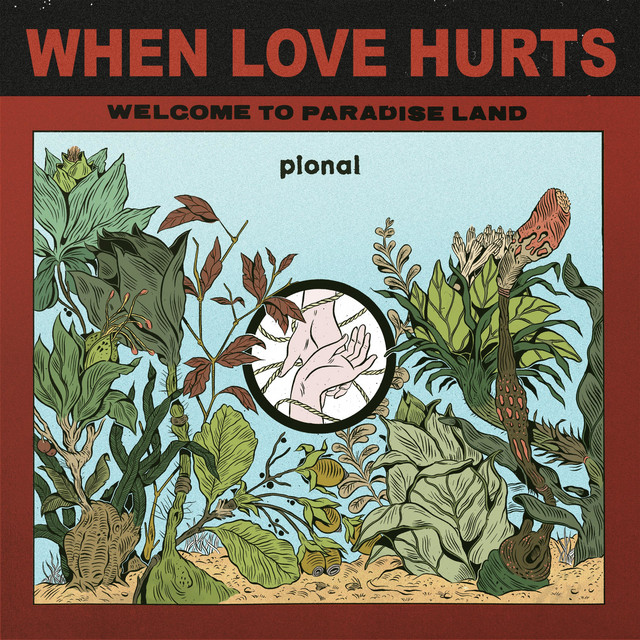
When Love Hurts
Pional
Microhouse
Similar artists
3
/5
Jon Hopkins
Idm
Ambient
Edm
1
/5
Various Artists
Afro-Funk
Alternative Rock
Ambient
5
/5
Fred again..
House
Stutter House
Electronic
4
/5
Major Lazer
Electronic
Dancehall
Edm
4
/5
Aphex Twin
Braindance
Idm
Ambient
4
/5
Underworld
Big Beat
Electronic
Electronica
3
/5
Flying Lotus
Glitch Hop
Idm
Instrumental Hip Hop
3
/5
Burial
Classic Dubstep
Hauntology
Uk Bass
4
/5
Four Tet
Folktronica
Idm
Electronic
3
/5
Caribou
Folktronica
Idm
Float House
Download our mobile app
Get the Melodigging app and start digging for new genres on the go
Download on the App Store
Get it on Google Play
© 2026 Melodigging
Give feedback
Legal
Melodding was created as a tribute to
Every Noise at Once
, which inspired us to help curious minds keep digging into music's ever-evolving genres.