Genres
Artists
Albums
Make Music
Sign in
Sign in
Artists
Electronic
Artists
Electronic
Fred again..
2020–2024
·
10 albums
Listen
5
/5
Genres
Stutter House
Stutter house is a contemporary house microgenre defined by the percussive use of chopped and rapidly re-triggered vocal fragments that “stutter” rhythmically over a four-on-the-floor groove. Producers slice a short vocal phrase into tiny grains (often 1/8–1/32 notes), gate or retrigger them in syncopated patterns, and then pitch-, formant-, or time-shift the pieces to create a hook that functions as both melody and rhythm. The style typically runs at 124–130 BPM, pairs a tight, sidechained low-end with crisp tech house drums, and relies on minimalist arrangement so the stuttering vocal lead remains the focal point. It borrows the tactile, loop-centric immediacy of tech house and the glitchy ear-candy of modern EDM while keeping club mixing and dancefloor momentum in mind.
Discover
Listen
Edm
EDM (Electronic Dance Music) refers to the mainstream, festival-oriented wave of electronic dance styles that rose to global prominence in the early 2010s. It emphasizes high-energy drops, ear-catching toplines, and crowd-pleasing arrangements designed for large stages and mass audiences. Musically, EDM typically sits around 124–130 BPM with a strong four-on-the-floor kick, wide supersaw leads, bright plucks, and heavily sidechained pads and basses for a pumping feel. Tracks are structured around tension-and-release: intros and builds lead to explosive drops, followed by breakdowns that rebuild energy. Vocals and pop-style songwriting frequently appear, enabling crossover success on radio and streaming platforms.
Discover
Listen
Post-Dubstep
Post-dubstep is a loosely defined wave of UK-born electronic music that grew out of dubstep but moved away from its rigid 140 BPM wobble-bass formula. It keeps the bass-weight, sound-system focus, and rhythmic syncopation of dubstep and UK garage, but folds in house and techno tempos, R&B vocal chops, ambient space, and experimental production. Typical tracks explore 120–135 BPM (not fixed at 140), use broken 2‑step/garage swing instead of 4/4, and favor detailed sound design over maximal drops. You’ll often hear hushed, intimate vocals (sampled or original), neo-soul/jazz-influenced chords, and micro-edited percussion with lots of negative space. The mood is frequently introspective, melancholic, and textural—more headphone-oriented than festival-leaning—yet still rooted in club culture.
Discover
Listen
Melodic House
Melodic house is a strain of house music that foregrounds memorable melodies, emotive chord progressions, and lush atmospheres while retaining a steady four-on-the-floor groove. It typically runs at a mid-tempo pace, features warm basslines, gentle percussion, and arpeggiated or plucked leads, and often balances a bittersweet, introspective tone with a quietly uplifting drive. Tracks are arranged with DJ-friendly intros and outros, spacious breakdowns, and tasteful builds, making the style equally suited to late-night dancefloors and attentive listening.
Discover
Listen
Alternative R&b
Alternative R&B (often shortened to alt‑R&B or dubbed PBR&B) is a stylistic offshoot of contemporary R&B that fuses soul and hip hop vocal traditions with experimental electronic production and indie aesthetics. It is characterized by atmospheric, nocturnal sound design; sparse, half‑time or trap‑leaning drum patterns; deep sub‑bass; and intimate, often falsetto‑based vocals. Song forms frequently deviate from standard verse–chorus structures, favoring gradual builds, textural contrasts, and negative space. Harmonically, it leans toward minor modes and lush extensions (7ths, 9ths, add9s), while production favors reverb‑drenched pads, filtered synths, delicate guitar lines, and creative use of silence. Lyrically, the genre tends to be introspective and confessional—exploring themes of desire, vulnerability, alienation, and late‑night urban life—delivered with a cinematic, moody sensibility that bridges the underground and the mainstream.
Discover
Listen
Aussie Drill
Aussie drill is the Australian take on drill rap, fusing the dark, minor‑key production and sliding 808s of UK drill with local slang, Pacific Islander and Western Sydney street culture, and distinctly Australian accents. Typical tracks sit around 135–145 BPM, with syncopated hi‑hats, counter‑snares, and gliding 808 basslines beneath ominous piano, string, or choral stabs. Vocals are baritone‑leaning, aggressive, and often chanted by crews, with call‑and‑response ad‑libs and postcode shout‑outs that emphasize group identity and territorial pride. Lyrically, the style centers on loyalty, everyday struggles, rivalry, and social realities, but also includes aspirational and reflective moments. The sound rose quickly via YouTube and streaming platforms in the late 2010s, turning local crews into national talking points while drawing scrutiny from authorities and mainstream media.
Discover
Listen
Candy Pop
Candy pop is a super-bright, hook-forward branch of contemporary pop that emphasizes sweetness in both sound and theme. It blends bubblegum-style melodies with modern, glossy production, favoring catchy toplines, clean harmonies, and playful textures. Arrangements lean on glittery synths, claps, hand-percussion, and buoyant four-on-the-floor or bouncy half-time beats. Lyrics typically revolve around crushes, friendship, first love, and carefree fun, delivered with enthusiastic, youthful vocals. Compared with classic bubblegum pop, candy pop adopts current pop techniques (EDM builds, post-chorus hooks, subtle trap-lite percussion) and borrows visual and melodic cues from J-pop and K-pop’s “kawaii” aesthetics.
Discover
Listen
Flint Sound
Flint sound is a contemporary Michigan rap style centered in Flint, United States. It is characterized by fast, minimal, piano- or organ-led beats, dry and upfront vocals, and bar-by-bar “punch‑in” delivery that often rides slightly ahead of or behind the grid for a conversational, off‑kilter feel. The production typically favors bright piano loops, staccato 808 slides, crisp claps or rimshots, and sparse percussion, leaving plenty of space for relentless punchlines, gritty street reportage, and mischievous humor. While hard-edged and streetwise, the style frequently leans into charismatic personality and wit, making it both aggressive and infectious for dancing.
Discover
Listen
High Vibe
High vibe is a contemporary, wellness-oriented microgenre that blends uplifting pop songwriting with gentle electronic textures and spiritually tinged lyrics. It emphasizes positivity, gratitude, self-empowerment, and connection to nature, often employing soothing vocal timbres, airy pads, acoustic guitars or piano, and light, mid-tempo grooves. The production is spacious and warm, favoring reverb-washed atmospheres, soft percussion, and subtle world-influenced instrumentation to create a sense of calm elevation. While rooted in pop accessibility, high vibe draws on new age and devotional traditions, bringing mantra-like hooks and affirmational refrains into modern indie and electronic frameworks.
Discover
Listen
Indian Indie
Indian indie is the umbrella for independent, non-film music made in India across languages such as Hindi, English, and numerous regional tongues. It is defined more by its DIY production and artist-led release model than by a single sound. Musically, it spans indie pop and rock, folk-fusion, singer‑songwriter ballads, dream‑pop/shoegaze textures, and electronic‑leaning productions. Artists often blend Western harmony and song forms with raga‑tinged melodies, Indian rhythmic feels, and occasional use of traditional instruments like tabla, bansuri, or sitar. The scene grew rapidly with college festivals, small venues, and digital platforms (YouTube, streaming services, Bandcamp), plus boutique labels and festivals such as NH7 Weekender that created national visibility. Lyrically, it tends to be intimate and contemporary—touching on romance, urban life, identity, and nostalgia—while maintaining accessible hooks and warm, organic sonics.
Discover
Listen
Malayalam Hip Hop
Malayalam hip hop is the localized form of hip hop created by artists from Kerala, India, performed primarily in the Malayalam language. It blends global rap aesthetics (boom‑bap, trap, and alternative hip hop) with Kerala’s rhythmic and melodic sensibilities, often sampling or referencing folk percussion (chenda, thavil), Mappila folk idioms, and Carnatic/Raga motifs. Lyrically, it covers identity, migration (especially Gulf Malayali experiences), social commentary, political satire, and everyday urban life, frequently code‑switching between Malayalam and English. The scene grew online through DIY production and YouTube releases, and later crossed into the mainstream via film soundtracks and brand collaborations, while maintaining a strong independent, crew‑driven culture.
Discover
Listen
Melancholia
Melancholia is an internet-era microgenre centered on soft-focus, sorrow-tinged pop and indie songs that foreground intimacy, space, and emotional candor. Tracks are typically slow to mid‑tempo, sung in a close, almost confessional register, and framed by sparse, reverb‑soaked textures. Sonically it lives between dream pop, bedroom pop, and slowcore: shimmering guitars or wistful synth pads drift over understated beats; piano, acoustic guitar, and low‑key electronic drums carry muted, pulsing grooves. Harmonies often favor minor keys, suspended chords, and gentle extensions (7ths/9ths) that heighten a bittersweet glow. Lyrically, melancholia lingers on solitude, late‑night self‑reflection, breakups, and fragile hope. The genre coalesced through streaming playlists and social media, where its hush, negative space, and diaristic tone translate into a cohesive, instantly recognizable mood.
Discover
Listen
Tearout Brostep
Tearout brostep is a hyper-aggressive strain of brostep that emphasizes violently modulated midrange basses, high-impact drops, and rapid-fire switch‑ups. It typically runs at 140–150 BPM in half‑time, pairing chest‑punching snares with seismic subs and screeching or growling lead basses. Producers lean heavily on advanced wavetable/FMX sound design, serial resampling, multiband distortion, OTT-style compression, and tight sidechaining to create a wall of kinetic, metallic energy. Arrangements often feature cinematic intros, tension‑building risers, and whiplash-inducing call‑and‑response bass phrases designed for headbanging festival crowds.
Discover
Listen
Trap Soul
Trap soul is a fusion of contemporary R&B singing and songwriting with the sonic palette and rhythmic feel of trap. It features moody, minor‑key harmonies; airy pads and Rhodes/piano textures; deep 808 sub‑bass with glides; and skittering hi‑hat rolls and halftime drum patterns. Vocals often blend crooning and rapping, with intimate, confessional lyrics about love, heartbreak, desire, ambition, and late‑night introspection. The production is typically spacious and minimal, prioritizing atmosphere and groove over density. Subtle Auto‑Tune, layered ad‑libs, and lush reverbs/delays are common, giving tracks a nocturnal, cinematic feel.
Discover
Listen
Tropical House
Tropical house is a mellow, melodic offshoot of deep house that blends a four-on-the-floor pulse with sun-soaked timbres like steel drums, marimba, pan flute, and warm acoustic guitar. It typically runs around 100–115 BPM, favors major-key progressions, and foregrounds breezy hooks over heavy drops, making it feel more like a summer pop record than a club banger. Vocals often carry romantic, nostalgic, or escapist themes—beaches, sunsets, and travel—while the production emphasizes soft percussion, sidechained pads, and a smooth, rolling sub. The genre rose to global prominence mid-2010s through hit remixes and crossover singles that brought house aesthetics into mainstream pop radio.
Discover
Listen
Wonky Techno
Wonky techno is a strain of techno that borrows the off‑kilter swing, lurching syncopations, and pitch‑wobbled sound design of “wonky” and UK bass, then grafts them onto techno’s hypnotic structures. Instead of straight four‑on‑the‑floor, it leans on broken, asymmetrical drum programming, micro‑timing nudges, and rubbery low‑end, creating grooves that feel simultaneously club‑functional and crooked. The palette often includes detuned or FM‑rich synths, percussive stabs filtered through dub‑techno space, and restless modulation that keeps the grid feeling fluid and unstable. The result is techno that moves bodies while constantly unbalancing the listener’s inner metronome: tense, bass‑forward, textural, and rhythmically adventurous.
Discover
Listen
Future Garage
Future garage is a UK-born mutation of UK garage and dubstep that pivots from peak-time club energy toward intimate, headphone-focused listening. It is defined by shuffling 2‑step drum programming (swung hi‑hats, syncopated snares, ghost kicks), deep sine/sub bass, foggy pads, and the use of pitched, chopped R&B or soul vocal fragments as texture rather than lead melody. Producers often weave in field recordings (rain, street noise, vinyl crackle), generous reverb, and subtle sound-design to evoke a nocturnal, reflective atmosphere. Typical tempos hover around 130 BPM, with grooves that imply both half‑time glide and garage shuffle, and harmony that favors minor keys, suspended chords, and slow-moving, emotive progressions.
Discover
Listen
Dubstep
Dubstep is a bass‑centric electronic dance music genre that emerged in South London in the early 2000s. It is typically around 140 BPM and is defined by a half‑time rhythmic feel, sub‑heavy basslines, sparse yet impactful drums, and a strong emphasis on space, tension, and sound system weight. Hallmark traits include syncopated kick patterns, snares on the third beat of the bar, swung/shuffly hi‑hats inherited from UK garage, and modulated low‑frequency bass (“wobbles”) shaped with LFOs, filters, and distortion. Influences from dub reggae (echo, delay, and minimalism), jungle/drum & bass (bass science and sound system culture), and 2‑step garage (rhythmic swing and shuffles) are central. The style ranges from deep, meditative “dub” aesthetics (often called deep dubstep) to more aggressive, midrange‑driven variants that later informed brostep and festival bass. Atmosphere, negative space, and subwoofer translation are as important as melody or harmony.
Discover
Listen
Uk Garage
UK garage is a British evolution of US garage/house that emerged in the mid-to-late 1990s around London’s pirate radio, record shops, and clubs. It is characterized by shuffling, syncopated rhythms, swung hi‑hats, crisp snares, and a pronounced sense of groove at roughly 130–138 BPM. The style blends house’s soulful chords and R&B vocals with jungle/drum & bass sound-system bass weight, often featuring chopped and time‑stretched vocal samples, organ/piano stabs, and warm Rhodes textures. Two major strands formed: 4x4 (straight four-on-the-floor with heavy swing) and 2‑step (broken kick patterns that avoid a constant four-on-the-floor). MC toasting and call‑and‑response vocals became a signature of the scene. Substyles include speed garage (darker, bass‑heavier, often with wobbly LFO bass) and 2‑step (sparser, more syncopated drums). UK garage’s club‑ready energy and vocal sensibility propelled it into the mainstream and laid the groundwork for grime, dubstep, bassline, and UK funky.
Discover
Listen
House
House is a dance music genre that emerged in Chicago in the early 1980s, defined by a steady four-on-the-floor kick drum, off-beat hi-hats, soulful or hypnotic vocals, and groove-centric basslines. Typical tempos range from 118–130 BPM, and tracks are structured in DJ-friendly 16–32 bar phrases designed for seamless mixing. Drawing on disco’s celebratory spirit, electro-funk’s drum-machine rigor, and Italo/Hi-NRG’s synth-led sheen, house prioritizes repetition, tension-and-release, and communal energy on the dancefloor. Its sound palette often includes 808/909 drums, sampled or replayed disco/funk elements, filtered loops, piano/organ stabs, and warm, jazzy chords. Over time, house diversified into many substyles—deep house, acid house, French house, tech house, progressive house, and more—yet it remains a global foundation of club culture, known for emphasizing groove, inclusivity, and euphoria.
Discover
Listen
Deep House
Deep house is a subgenre of house music characterized by warm, soulful textures, jazz-influenced harmony, and understated, hypnotic grooves. It typically runs around 115–124 BPM, favoring subtle swing, syncopated percussion, and rounded, mellow basslines over aggressive peaks. Sonically, deep house draws on extended chords (7ths, 9ths, 11ths), Rhodes and M1 organ timbres, airy pads, and tasteful use of reverb and delay to create a spacious, emotive atmosphere. Vocals, when present, often reference soul and gospel traditions, delivering intimate, reflective themes rather than big-room hooks. The style emerged in the mid-to-late 1980s as producers fused Chicago house rhythms with jazz-funk, soul, and garage house sensibilities, resulting in a smoother, deeper take on the house blueprint.
Discover
Listen
Dance
Dance (as a broad, mainstream club- and radio-oriented style) is pop-leaning music designed primarily for dancing, characterized by steady, driving beats, catchy hooks, and production that translates well to nightclubs and large sound systems. It emerged after disco, blending four-on-the-floor rhythms with electronic instrumentation and pop songwriting, and it continually absorbs elements from house, techno, Hi-NRG, synth-pop, and later EDM. Tempos commonly fall between 110–130 BPM, vocals often emphasize memorable choruses, and arrangements are structured for both club mixing and mass appeal.
Discover
Listen
Hip Hop
Hip hop is a cultural and musical movement that emerged from Black, Latino, and Caribbean communities, centering around rapping (MCing), DJing/turntablism, sampling-based production, and rhythmic speech over beats. It prioritizes groove, wordplay, and storytelling, often reflecting the social realities of urban life. Musically, hip hop is built on drum-centric rhythms (from breakbeats to 808 patterns), looped samples, and bass-forward mixes. Lyrically, it ranges from party anthems and braggadocio to political commentary and intricate poetic forms, with flow, cadence, and rhyme density as core expressive tools. Beyond music, hip hop encompasses a broader culture, historically intertwined with graffiti, b-boying/b-girling (breakdance), fashion, and street entrepreneurship, making it both an art form and a global social language.
Discover
Listen
Electronic
Electronic is a broad umbrella genre defined by the primary use of electronically generated or electronically processed sound. It encompasses music made with synthesizers, drum machines, samplers, computers, and studio/tape techniques, as well as electroacoustic manipulation of recorded or synthetic sources. The genre ranges from academic and experimental traditions to popular and dance-oriented forms. While its sonic palette is rooted in electricity and circuitry, its aesthetics span minimal and textural explorations, structured song forms, and beat-driven club permutations. Electronic emphasizes sound design, timbre, and studio-as-instrument practices as much as melody and harmony.
Discover
Listen
Show all 24 genres
Albums
2024
4
/5
Ten Days
Fred again..
Melodic House
Alternative R&b
Electronic
2023
Secret Life
Fred again.. & Brian Eno
Ambient
Ambient Pop
Drone
2022
1
/5
Actual Life 3 (January 1 - September 9 2022)
Fred again..
Stutter House
Future Garage
Uk Garage
2022
3
/5
Delilah (pull me out of this)
Fred again..
Stutter House
Edm
French House
2022
3
/5
Jungle
Fred again..
Stutter House
Edm
House
2022
1
/5
USB
Fred again..
Stutter House
Edm
House
2022
1
/5
USB
Fred again..
Stutter House
Edm
House
2021
4
/5
Actual Life 2 (February 2 - October 15 2021)
Fred again..
Stutter House
Uk Garage
Deep House
2021
4
/5
Actual Life (April 14 - December 17 2020)
Fred again..
Post-Dubstep
Future Garage
Uk Garage
2020
GANG
Headie One × Fred again..
Experimental Hip Hop
Uk Bass
Uk Drill
Similar artists
1
/5
Various Artists
Afro-Funk
Alternative Rock
Ambient
4
/5
Duke Dumont
House
Progressive House
Edm
4
/5
Underworld
Big Beat
Electronic
Electronica
3
/5
Jon Hopkins
Idm
Ambient
Edm
5
/5
Tiësto
Dance
Trance
Brostep
5
/5
Calvin Harris
Electro House
Progressive House
Electronic
5
/5
David Guetta
Dance
Electronic
House
5
/5
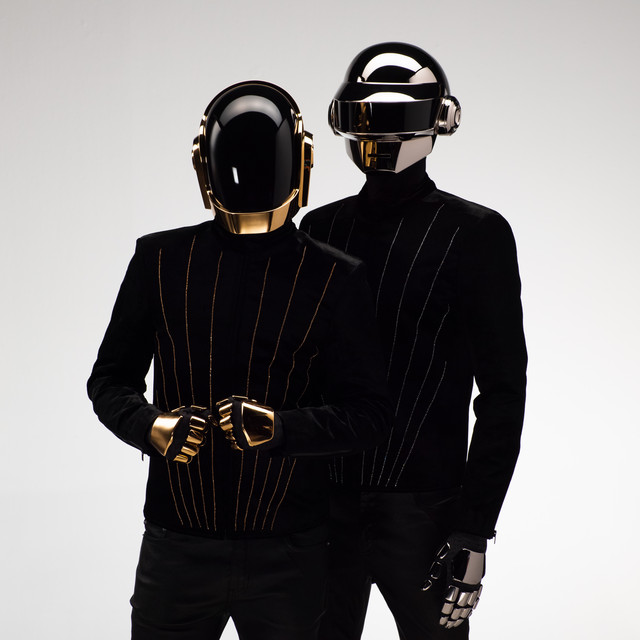
Daft Punk
Electronic
Filter House
Electro
4
/5
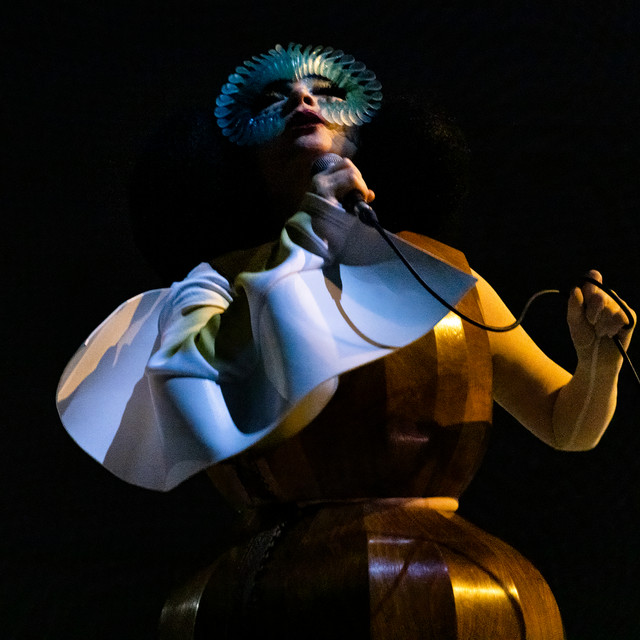
Björk
Art Pop
Icelandic Experimental
Electronic
4
/5
Aphex Twin
Braindance
Idm
Ambient
Download our mobile app
Get the Melodigging app and start digging for new genres on the go
Download on the App Store
Get it on Google Play
© 2026 Melodigging
Give feedback
Legal
Melodding was created as a tribute to
Every Noise at Once
, which inspired us to help curious minds keep digging into music's ever-evolving genres.