Genres
Artists
Albums
Make Music
Sign in
Sign in
Artists
Medieval
Artists
Medieval
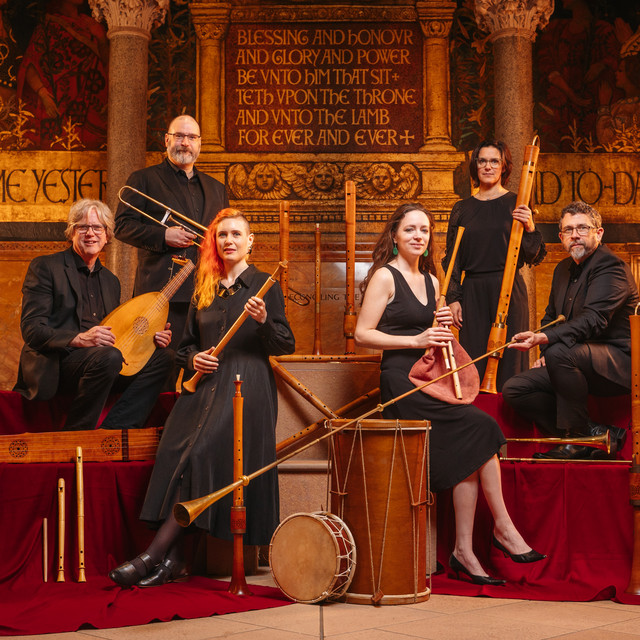
Piffaro
1997–2012
·
2 albums
Listen
2
/5
Genres
American Early Music
American early music is the U.S. branch of the post‑war early‑music revival devoted to the historically informed performance of Medieval, Renaissance, and Baroque repertoires (roughly c. 1100–1750). It centers on period instruments, historically appropriate tunings and temperaments, small ensemble forces, and style‑specific articulation, ornamentation, and rhetoric. Although the repertory largely originates in Europe, American early music also embraces colonial and mission‑era sources from North and Latin America, and it is shaped by U.S. institutions, festivals, ensembles, university programs, and instrument builders that took root from the mid‑20th century onward.
Discover
Listen
Latin American Baroque
Latin American Baroque is the repertoire of sacred and festive art music written and performed in the cathedrals, missions, and courts of colonial Spanish and Portuguese America during the Baroque era. It blends European contrapuntal craft, basso continuo, and ceremonial grandeur with local languages, dance rhythms, and timbral practices. Typical forms include masses, motets, litanies, and villancicos (often for Christmas and major feasts), set in Latin as well as Spanish and sometimes indigenous languages such as Nahuatl, Quechua, or Guaraní. Instrumentation combines European forces—violins, cornetts, sackbuts, bajón (dulcian), harp, organ, and guitars—with local percussion and distinctive rhythmic cells (notably the sesquiáltera 3:2). The result is music that can be both solemn and architectonic for liturgy, and exuberant and dance-inflected for feast-day devotions.
Discover
Listen
Medieval
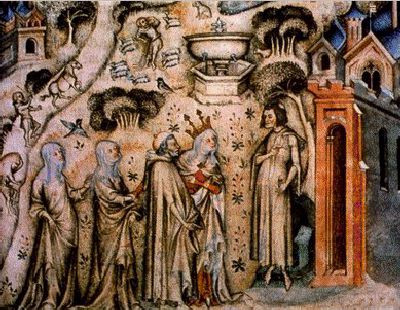
Medieval music refers to the diverse sacred and secular musical practices of Europe between the fall of the Western Roman Empire and the dawn of the Renaissance. It spans more than eight centuries, from early monophonic chant to the first notated polyphony. Core features include the use of church modes rather than major/minor, extensive reliance on vocal music (Latin sacred chant as well as vernacular song), and the progressive development from unmeasured chant to rhythmic modal notation and, later, mensural notation. Texture evolves from monophony (plainchant, troubadour songs) to organum, conductus, and the motet, culminating in complex isorhythmic works by the late 13th–14th centuries. Secular traditions—troubadours and trouvères in France, Minnesänger in German lands, and the Iberian Cantigas—coexisted with and influenced sacred practice. Instruments such as the vielle, harp, psaltery, recorder, shawm, hurdy-gurdy, and portative organ often doubled or accompanied voices, though much music remained purely vocal.
Discover
Listen
Albums
2012
Los Ministriles in the New World
Piffaro
Latin American Baroque
1997
LOS MINISTRILES: Spanish Renaissance Wind Music
Piffaro
American Early Music
Similar artists
2
/5
Andrew Lawrence-King
Baroque
Celtic
Early Music
2
/5
Boston Camerata
Choral
Christmas Music
Early Music
3
/5
Jordi Savall
Renaissance
Baroque
Classical
3
/5
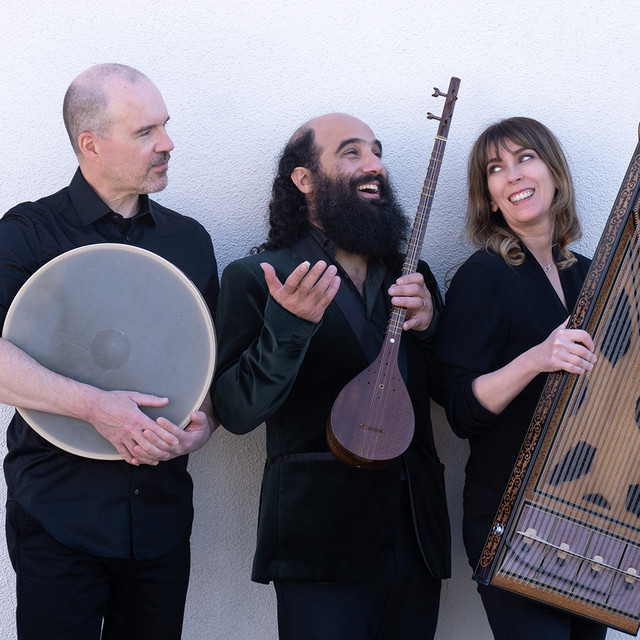
Constantinople
Early Music
Medieval
Renaissance
3
/5
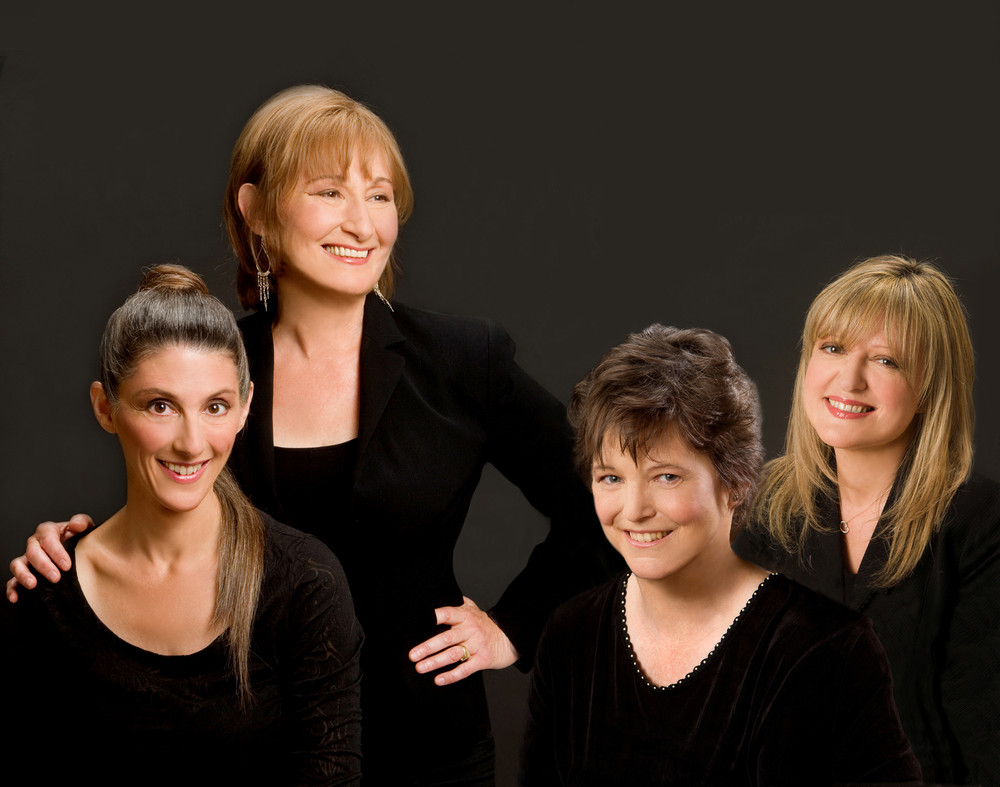
Anonymous 4
Gregorian Chant
Medieval Classical Music
Ars Antiqua
2
/5
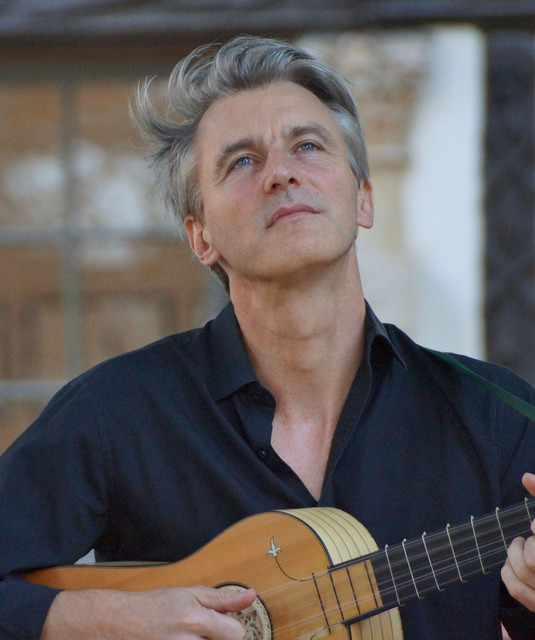
Vincent Dumestre
Classical
Baroque Singing
Medieval
2
/5
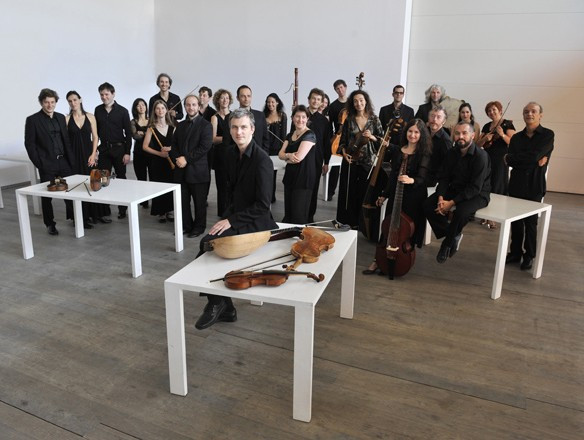
Le Poème Harmonique
Renaissance
Classical
Baroque
2
/5
Paul O'Dette
American Early Music
Medieval
Baroque Singing
2
/5
Guillaume de Machaut
Ars Nova
Classical
Medieval
2
/5
Montserrat Figueras
Gregorian Chant
Medieval
Medieval Classical Music
Download our mobile app
Get the Melodigging app and start digging for new genres on the go
Download on the App Store
Get it on Google Play
© 2026 Melodigging
Give feedback
Legal
Melodding was created as a tribute to
Every Noise at Once
, which inspired us to help curious minds keep digging into music's ever-evolving genres.