Genres
Artists
Albums
Make Music
Sign in
Sign in
Artists
Mechanical Music
Artists
Mechanical Music
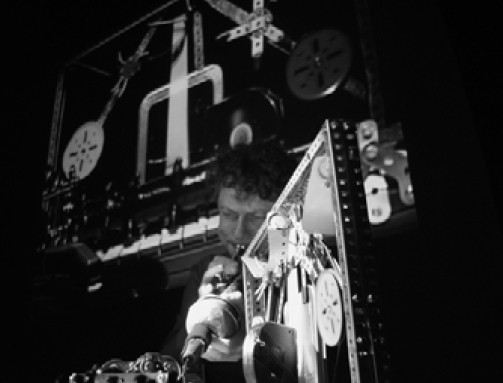
Pierre Bastien
2011–2023
·
8 albums
Listen
2
/5
Genres
New Isolationism
New isolationism is a contemporary strain of isolationist ambient and post-industrial minimalism that emerged in the 2010s, particularly around Scandinavian experimental labels and studios. It foregrounds intimate, close-mic’d sound, negative space, and a quiet-but-present noise floor; its pieces feel both internal and architectural, like rooms built from reverb tails, tape hiss, and soft electronics. Sonically, the style blends glacial drones, fragile chamber timbres (strings, organ, piano), lo‑fi electronics, and field recordings into stark, slow-evolving tableaux. Melodic information is sparse—often only a few tones or gestures—while rhythm is either absent or reduced to distant pulses, heartbeats, or mechanical cycles. Vocals, when they appear, are murmured, diaristic, or abstracted by pitch and time manipulation. Aesthetically, new isolationism is post‑internet and diaristic: it captures solitude, memory, and dislocation with a palette that feels personal yet estranged, drawing as much from contemporary gallery sound practice as from classic dark ambient.
Discover
Listen
Toypop
Toypop is a cute, whimsical strain of pop that foregrounds toy-like timbres, childlike melodies, and playful sound design. It typically blends the sugary sensibilities of J-pop and Shibuya-kei with the small, bright colors of toy instruments, chip sounds, bells, music boxes, and hand claps. While it overlaps with picopop, denpa, and toytronica, toypop leans toward light, bouncy songcraft—short, hooky tunes, gentle vocals, and a sense of wonder—often evoking picture-book worlds and cozy, domestic scenes. Production ranges from lo-fi bedroom charm to polished micro-collage, but the focus stays on innocence, wide-eyed fun, and tactile, small-sounding textures.
Discover
Listen
Krautrock
Krautrock is an experimental form of rock that emerged in late-1960s West Germany, characterized by hypnotic repetition, long-form structures, and a forward-looking embrace of electronics and studio experimentation. It typically features a steady, driving 4/4 “motorik” beat, circular bass ostinatos, sparse harmonic movement, and textural layering that draws from minimalism, free improvisation, and avant-garde composition. Rather than virtuosic solos, the emphasis is on collective groove, trance-inducing momentum, and timbral exploration. The sound ranges from raw, percussive jams to spacious, cosmic electronics, often eschewing conventional Anglo-American blues forms in favor of a distinctly European modernist aesthetic.
Discover
Listen
Experimental
Experimental music is an umbrella term for practices that prioritize exploration, process, and discovery over adherence to established genre norms. It embraces new sound sources, nonstandard tuning systems, indeterminacy and chance operations, graphic and open-form scores, extended techniques, and technology-led sound design (tape, electronics, computers, and live processing). Rather than a single style, it is a methodology and ethos: testing hypotheses about sound, structure, and performance, often blurring boundaries between composition, improvisation, sound art, and performance art. Listeners can expect unfamiliar timbres, unusual forms, and an emphasis on how music is made as much as the resulting sound.
Discover
Listen
Avant-Garde
Avant-garde music is an umbrella term for boundary-pushing practices that challenge prevailing norms of harmony, rhythm, timbre, form, and performance. It privileges experimentation, conceptual rigor, and a willingness to reframe what counts as music at all. Historically tied to early 20th‑century artistic modernism, avant-garde music introduced atonality, the emancipation of noise, and new forms of notation and process. It embraces indeterminacy, extended techniques, electronics, spatialization, and multimedia performance, treating sound as material to be sculpted, questioned, and reinvented.
Discover
Listen
Mechanical Music
Mechanical music is music generated by self‑playing instruments that read and reproduce music through purely mechanical means, with no major electronically controlled elements. Typical carriers include pinned cylinders and discs (music boxes and barrel organs), perforated paper rolls (player pianos), and cardboard music books (fairground and dance organs). Sound is produced by physical actions—plucked steel teeth, organ pipes driven by bellows, struck strings or percussion—set in motion by clockworks, cranks, weights, or pneumatic actions. The result is a precise, repeatable performance that reflects both the arrangement encoded on the medium and the tonal character of the instrument.
Discover
Listen
Albums
2023
1
/5
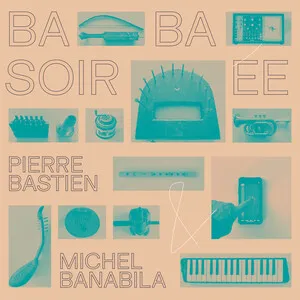
Baba Soirée
Pierre Bastien & Michel Banabila
Mechanical Music
2016
1
/5
Blue as an Orange
Pierre Bastien
Mechanical Music
2011
1
/5
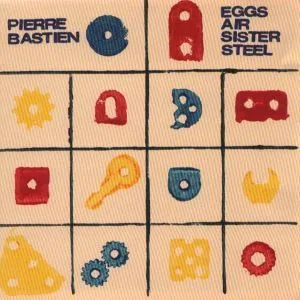
Eggs Air Sister Steel
Pierre Bastien
Mechanical Music
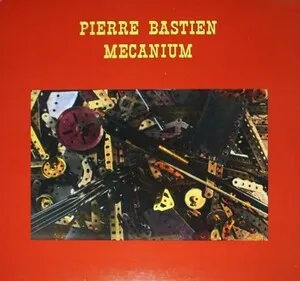
Mecanium
Pierre Bastien
Mechanical Music
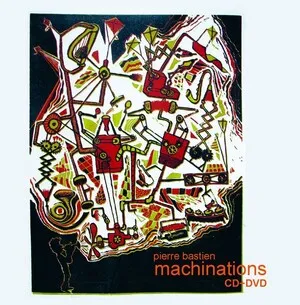
Machinations
Pierre Bastien
Mechanical Music
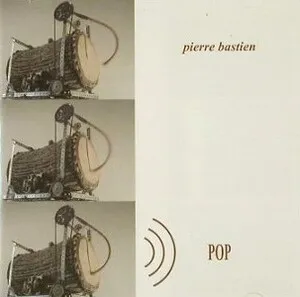
Pop
Pierre Bastien
Mechanical Music
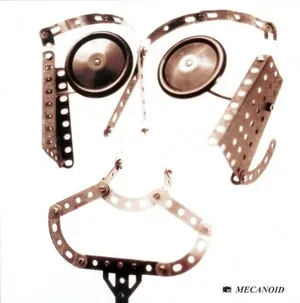
Mecanoid
Pierre Bastien
Mechanical Music
Mecanoid
Pierre Bastien
Toypop
Similar artists
1
/5
Conlon Nancarrow
Mechanical Music
Étude
Avant-Garde
3
/5
Einstürzende Neubauten
Industrial
Experimental
Avant-Garde
2
/5
Cabaret Voltaire
Industrial
Acid House
Avant-Garde
2
/5
Terry Riley
Minimalism
Classical
Experimental
2
/5
Silver Apples
Acid Rock
Avant-Garde
Experimental
2
/5
Faust
Krautrock
Experimental
Art Rock
2
/5
This Heat
Experimental
Post-Punk
Art Rock
2
/5
Karlheinz Stockhausen
Integral Serialism
Serialism
Darmstadt School
2
/5
Chrome
Avant-Garde
Coldwave
Deathrock
2
/5
OOIOO
Avant-Garde
Experimental
Krautrock
Download our mobile app
Get the Melodigging app and start digging for new genres on the go
Download on the App Store
Get it on Google Play
© 2026 Melodigging
Give feedback
Legal
Melodding was created as a tribute to
Every Noise at Once
, which inspired us to help curious minds keep digging into music's ever-evolving genres.