Genres
Artists
Albums
Make Music
Sign in
Sign in
Artists
Rock
Artists
Rock
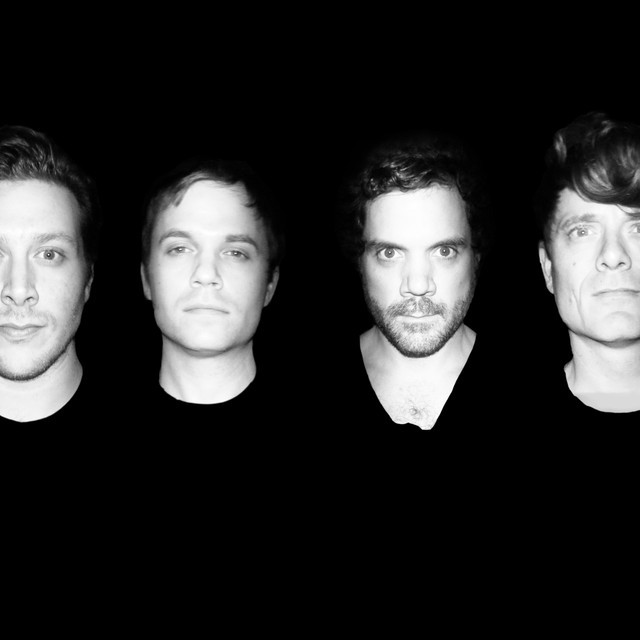
Pharaoh Overlord
2020
·
1 album
Listen
1
/5
Genres
Darksynth
Darksynth is a brooding, aggressive offshoot of synthwave that fuses 1980s cinematic synth aesthetics with the bite of industrial and EBM. It emphasizes distorted bass arpeggios, minor-key motifs, and ominous atmospheres inspired by slasher films, cyberpunk dystopias, and occult imagery. The style typically features saturated analog-style timbres, reese and FM basses, gated reverbs, and pounding, 80s-informed drum programming. While it retains retro color and melody, it pushes into harsher sound design, higher contrast dynamics, and heavier rhythmic impact than most synthwave, often flirting with metal’s intensity and industrial’s menace.
Discover
Listen
Synthwave
Synthwave is a retro-futurist electronic genre that revives and reimagines the sound, texture, and visual culture of 1980s film scores, television themes, arcade games, and synth-pop. Characterized by analog-style synthesizers, arpeggiated basslines, neon-soaked melodies, and gated-reverb drums, it blends nostalgia with cinematic drama. Substyles include the uplifting, driving "outrun" sound, the softer and romantic "dreamwave/chillsynth," and the heavier, horror-tinged "darksynth." Typical sound palettes reference instruments like the Roland Juno series, Yamaha DX7, Oberheim and Prophet polysynths, with drum machines such as the LinnDrum, TR-707, and 909 (or their modern emulations).
Discover
Listen
Drone Metal
Drone metal (often called drone doom) is an extreme, minimalist offshoot of doom metal that centers on sustained tones, monumental volume, and glacial tempos. Rather than relying on riffs or conventional grooves, it foregrounds long, vibrating chords, amplifier feedback, and the physical presence of sound itself. Its textures are typically cavernous and monochromatic, with guitars tuned very low, notes held for extended durations, and percussion either sparse or entirely absent. Vocals—if present—range from ritualistic chants to guttural growls or distant murmurs, often treated as another layer of texture rather than a narrative lead. The result is immersive and meditative, yet crushing: a music of weight, space, and resonance that emphasizes timbre and decay over melody and rhythm.
Discover
Listen
Stoner Metal
Stoner metal is a heavy, riff-centered offshoot of doom metal that fuses the low-and-slow weight of early Sabbath with the hazy psychedelia and fuzz-drenched tones of 1970s hard rock. It emphasizes down-tuned guitars, thick midrange, and hypnotic, groove-forward drumming, often evoking a desert-heat mirage of sustained riffs and feedback. Compared to stoner rock, stoner metal leans darker and heavier, with a doomier pulse, longer song structures, and an almost trance-like fixation on repetition. Lyrics frequently explore cosmic wanderlust, occult imagery, apocalyptic visions, and cannabis counterculture, while production tends to favor warm, analog saturation and room-heavy drum sounds.
Discover
Listen
Stoner Rock
Stoner rock is a heavy, riff‑centric style that blends the weight and doom of early heavy metal with the groove and expansive jams of late‑60s/70s psychedelic and acid rock. It is marked by fuzz‑drenched, down‑tuned guitars, thick bass tones, and relaxed but powerful mid‑tempo grooves. Songs often emphasize hypnotic, repetitive riffs; extended instrumental passages; and a warm, vintage analog sound. Vocals tend to be laid‑back or gritty rather than operatic, and lyrical themes commonly explore the desert, space, altered states, mythology, and countercultural imagery. The overall vibe is earthy and immersive—equal parts head‑nodding groove, psychedelic haze, and Sabbath‑born heaviness.
Discover
Listen
Sludge Metal
Sludge metal is a hybrid of doom metal’s slow, downtuned weight and hardcore punk’s raw aggression. It emphasizes thick, overdriven guitar tones, throttling bass, and drums that lurch between trudging slow-motion grooves and ragged mid‑tempo blasts. Vocals are typically screamed, barked, or anguished, often buried slightly in the mix to feel abrasive and cathartic. The style took shape in the late 1980s United States—particularly the Pacific Northwest and the American South—where bands fused Sabbath‑like doom riffs with the DIY harshness of hardcore and the scabrous textures of noise rock. Lyrical themes commonly explore addiction, despair, social decay, and Southern Gothic imagery, delivered with an intentionally gritty, unvarnished production aesthetic.
Discover
Listen
Krautrock
Krautrock is an experimental form of rock that emerged in late-1960s West Germany, characterized by hypnotic repetition, long-form structures, and a forward-looking embrace of electronics and studio experimentation. It typically features a steady, driving 4/4 “motorik” beat, circular bass ostinatos, sparse harmonic movement, and textural layering that draws from minimalism, free improvisation, and avant-garde composition. Rather than virtuosic solos, the emphasis is on collective groove, trance-inducing momentum, and timbral exploration. The sound ranges from raw, percussive jams to spacious, cosmic electronics, often eschewing conventional Anglo-American blues forms in favor of a distinctly European modernist aesthetic.
Discover
Listen
Space Rock
Space rock is a psychedelic branch of rock characterized by long-form, hypnotic grooves, swirling guitars awash in delay and reverb, and prominent analog synthesizers that evoke cosmic or interstellar imagery. The music often emphasizes texture and atmosphere over conventional song structures, creating expansive soundscapes that feel weightless and otherworldly. Emerging in late-1960s Britain from the overlap of psychedelic rock, early progressive rock, and experimental electronics, space rock frequently employs motorik-leaning rhythms, modal or drone-based harmony, and science-fiction themes. Extended improvisations, phased and fuzz-drenched timbres, and tape or echo effects are common, encouraging a sense of forward drift and cosmic exploration.
Discover
Listen
Experimental Rock
Experimental rock is a broad, exploratory branch of rock music that prioritizes innovation over convention. It stretches rock’s core instrumentation and song forms through unusual timbres, extended techniques, nonstandard tunings, chance procedures, and studio-as-instrument production. Drawing on avant-garde composition, free jazz, minimalism, and electronic/tape music, experimental rock often rejects verse–chorus structures in favor of drones, suites, collage, and improvisation. It embraces dissonance and noise as expressive tools, employs odd or fluid meters, and incorporates non-rock instruments, found sounds, and unconventional recording methods. The result is a lineage of music that treats rock not as a fixed style but as a laboratory for new sound worlds.
Discover
Listen
Psychedelic Rock
Psychedelic rock is a style of rock music that seeks to evoke, simulate, and expand altered states of consciousness through sound. It typically features timbral experimentation (fuzz, wah, tape delay, phasing), drones, modal or raga-influenced harmony, extended improvisation, studio-as-instrument production, and surreal, mystical, or mind-expanding lyrics. Emerging from mid-1960s counterculture, it fused garage-band energy with folk, blues, and non-Western musical ideas—especially Indian classical ragas—while embracing new studio technologies and concert light shows. Both a live and a studio art, psychedelic rock ranges from jangly, kaleidoscopic pop to heavy, hypnotic jams and cosmic soundscapes.
Discover
Listen
Rock
Rock is a broad family of popular music centered on amplified instruments, a strong backbeat, and song forms that foreground riffs, choruses, and anthemic hooks. Emerging from mid‑20th‑century American styles like rhythm & blues, country, and gospel-inflected rock and roll, rock quickly expanded in scope—absorbing folk, blues, and psychedelic ideas—while shaping global youth culture. Core sonic markers include electric guitar (often overdriven), electric bass, drum kit emphasizing beats 2 and 4, and emotive lead vocals. Rock songs commonly use verse–chorus structures, blues-derived harmony, and memorable melodic motifs, ranging from intimate ballads to high‑energy, stadium‑sized performances.
Discover
Listen
Electronic
Electronic is a broad umbrella genre defined by the primary use of electronically generated or electronically processed sound. It encompasses music made with synthesizers, drum machines, samplers, computers, and studio/tape techniques, as well as electroacoustic manipulation of recorded or synthetic sources. The genre ranges from academic and experimental traditions to popular and dance-oriented forms. While its sonic palette is rooted in electricity and circuitry, its aesthetics span minimal and textural explorations, structured song forms, and beat-driven club permutations. Electronic emphasizes sound design, timbre, and studio-as-instrument practices as much as melody and harmony.
Discover
Listen
Show all 12 genres
Albums
2020
1
/5
6
Pharaoh Overlord
Darksynth
Electronic
Rock
Similar artists
2
/5
OM
Drone Rock
Stoner Rock
Doom Metal
3
/5
Elder
Progressive Doom
Stoner Metal
Stoner Rock
3
/5
Uncle Acid & The Deadbeats
Doom Metal
Acid Rock
Drone Metal
2
/5
Causa Sui
Stoner Rock
Jam Band
Krautrock
4
/5
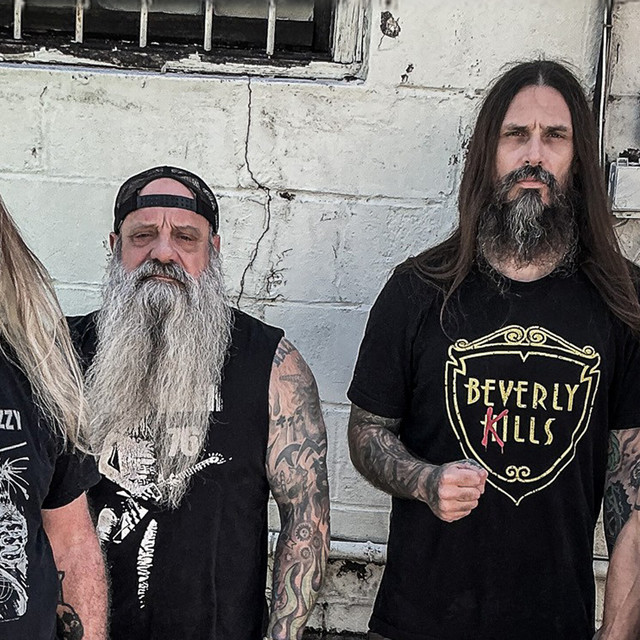
Crowbar
Sludge Metal
Metal
Nola Sludge
3
/5
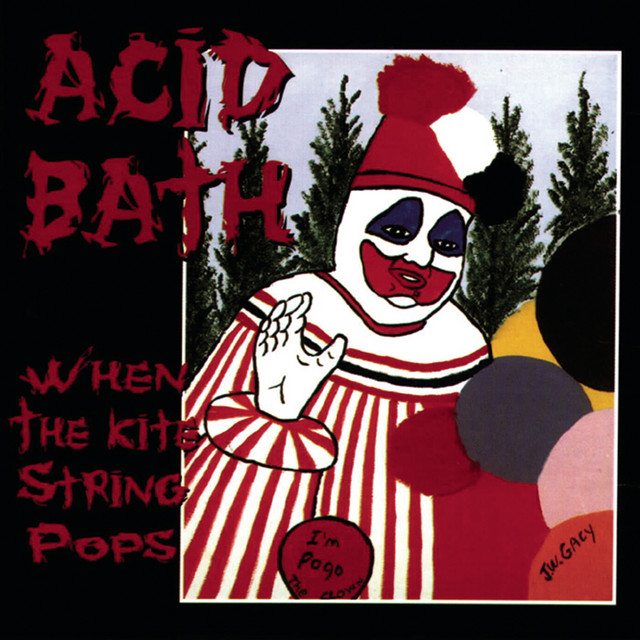
Acid Bath
Drone Metal
Sludge Metal
Doom Metal
3
/5
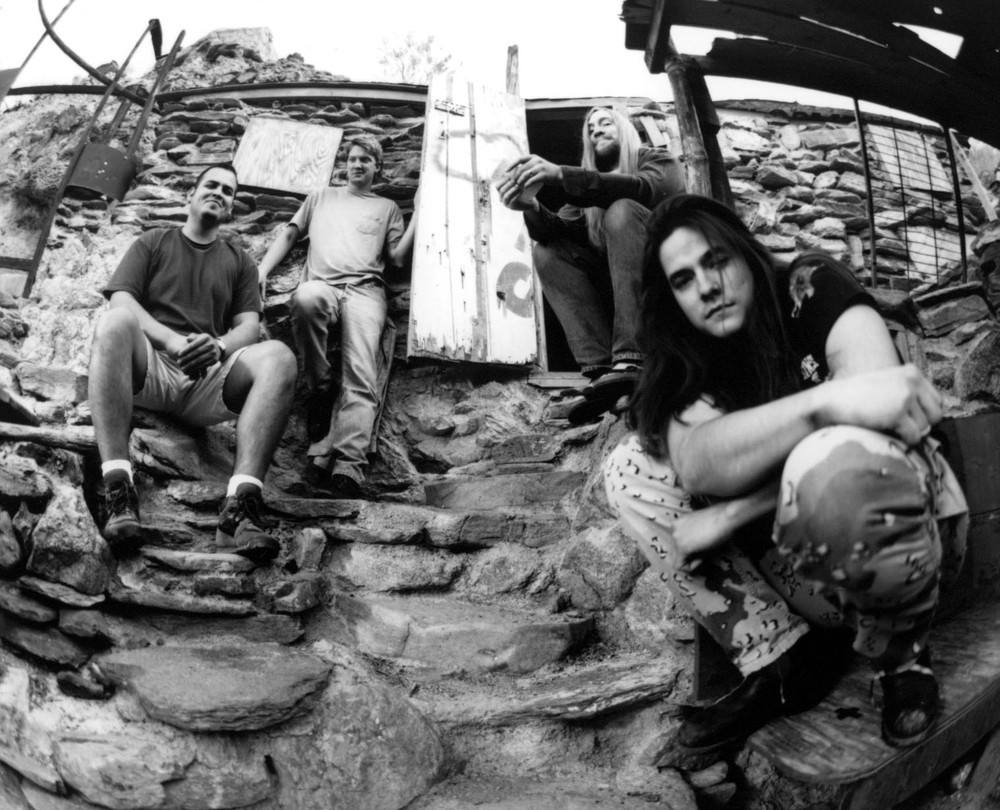
Kyuss
Space Rock
Stoner Metal
Stoner Rock
3
/5
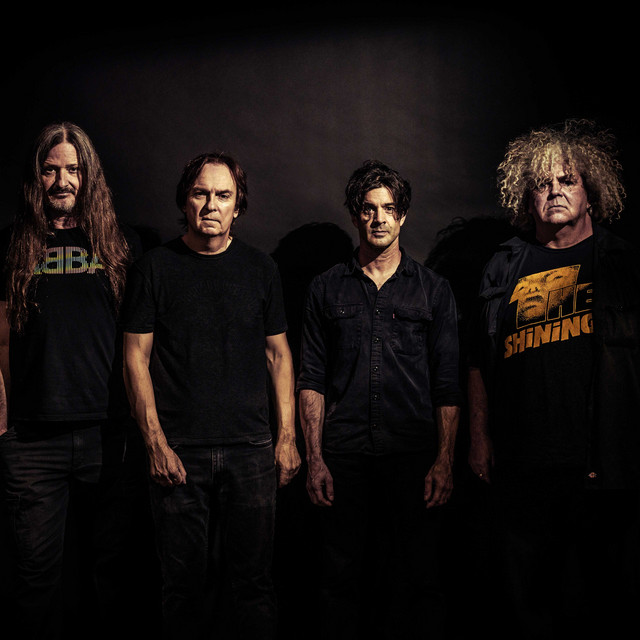
Melvins
Sludge Metal
Drone Metal
Grunge
3
/5
Thee Oh Sees
Garage Rock
Garage Psych
Rock
3
/5
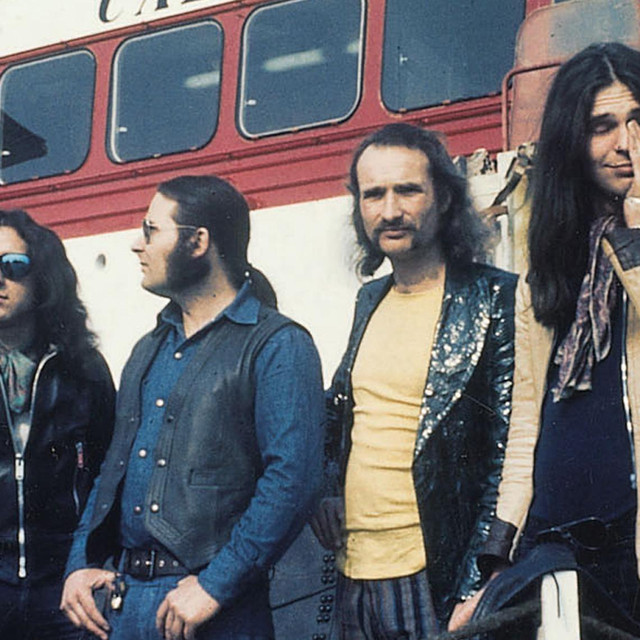
CAN
Krautrock
No Wave
Experimental Rock
Download our mobile app
Get the Melodigging app and start digging for new genres on the go
Download on the App Store
Get it on Google Play
© 2026 Melodigging
Give feedback
Legal
Melodding was created as a tribute to
Every Noise at Once
, which inspired us to help curious minds keep digging into music's ever-evolving genres.