Genres
Artists
Albums
Make Music
Sign in
Sign in
Artists
Indie Psychedelic Rock
Artists
Indie Psychedelic Rock
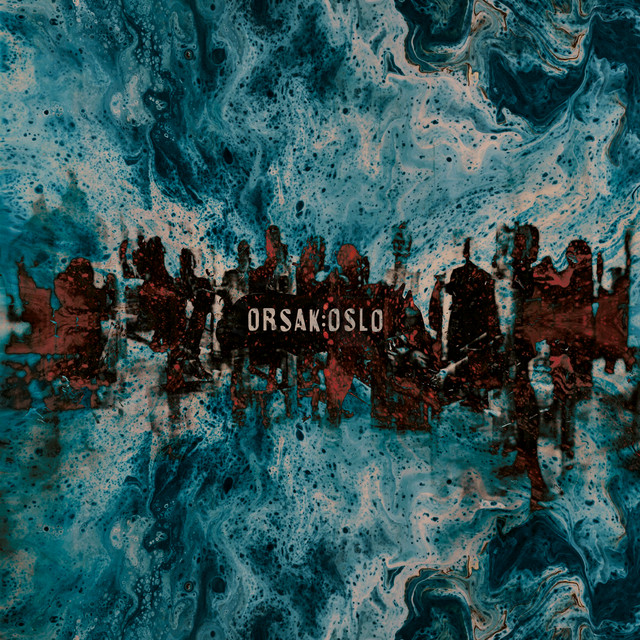
Orsak:Oslo
2025
·
1 album
Listen
Genres
Indie Psychedelic Rock
Indie psychedelic rock blends the DIY aesthetics and melodic sensibilities of indie rock with the textures, timbral experimentation, and exploratory spirit of 1960s–70s psychedelic music. Expect saturated guitars (fuzz, phaser, tremolo), tape-like delays, spring reverbs, vintage keyboards (Mellotron, organs, analog synths), and cyclical grooves that favor trance over virtuosity. Songs often balance hooky, indie-style choruses with expansive instrumental passages, drones, or motorik pulses. Lyrically, the style favors surreal imagery, inner journeys, and cosmic metaphors, delivered through intimate, close-mic’d vocals that sit within a dense, coloristic mix. The result is guitar-driven, kaleidoscopic music that feels both retro-analog and forward-looking.
Discover
Listen
Krautrock
Krautrock is an experimental form of rock that emerged in late-1960s West Germany, characterized by hypnotic repetition, long-form structures, and a forward-looking embrace of electronics and studio experimentation. It typically features a steady, driving 4/4 “motorik” beat, circular bass ostinatos, sparse harmonic movement, and textural layering that draws from minimalism, free improvisation, and avant-garde composition. Rather than virtuosic solos, the emphasis is on collective groove, trance-inducing momentum, and timbral exploration. The sound ranges from raw, percussive jams to spacious, cosmic electronics, often eschewing conventional Anglo-American blues forms in favor of a distinctly European modernist aesthetic.
Discover
Listen
Progressive Rock
Progressive rock is a rock subgenre that expands the genre’s formal, harmonic, and conceptual boundaries. It favors long-form compositions, intricate arrangements, and virtuosic musicianship, often drawing on Western classical, jazz, folk, and psychedelic idioms. Typical hallmarks include multi-part suites, shifting time signatures, extended instrumental passages, recurring motifs, and concept albums that present unified themes or narratives. The sound palette commonly features electric guitar, bass, and drums alongside an array of keyboards (Hammond organ, Mellotron, Moog/ARP synthesizers, piano), woodwinds or brass, and occasional orchestral additions. Lyrics often explore science fiction, mythology, philosophy, social commentary, and introspective themes.
Discover
Listen
Psychedelic Rock
Psychedelic rock is a style of rock music that seeks to evoke, simulate, and expand altered states of consciousness through sound. It typically features timbral experimentation (fuzz, wah, tape delay, phasing), drones, modal or raga-influenced harmony, extended improvisation, studio-as-instrument production, and surreal, mystical, or mind-expanding lyrics. Emerging from mid-1960s counterculture, it fused garage-band energy with folk, blues, and non-Western musical ideas—especially Indian classical ragas—while embracing new studio technologies and concert light shows. Both a live and a studio art, psychedelic rock ranges from jangly, kaleidoscopic pop to heavy, hypnotic jams and cosmic soundscapes.
Discover
Listen
Rock
Rock is a broad family of popular music centered on amplified instruments, a strong backbeat, and song forms that foreground riffs, choruses, and anthemic hooks. Emerging from mid‑20th‑century American styles like rhythm & blues, country, and gospel-inflected rock and roll, rock quickly expanded in scope—absorbing folk, blues, and psychedelic ideas—while shaping global youth culture. Core sonic markers include electric guitar (often overdriven), electric bass, drum kit emphasizing beats 2 and 4, and emotive lead vocals. Rock songs commonly use verse–chorus structures, blues-derived harmony, and memorable melodic motifs, ranging from intimate ballads to high‑energy, stadium‑sized performances.
Discover
Listen
Instrumental
Instrumental is music created and performed without sung lyrics, placing the expressive weight on melody, rhythm, harmony, and timbre produced by instruments. As an umbrella practice it appears in many cultures, but its modern identity cohered in Baroque-era Europe when purely instrumental forms such as the sonata, concerto, and dance suites began to flourish. Since then, instrumental thinking—developing motives, structuring form without text, and showcasing timbral contrast—has informed everything from orchestral music and solo piano repertoire to post-rock, film scores, and beat-driven electronic styles. Instrumental works can be intimate (solo or chamber) or expansive (full orchestra), narrative (programmatic) or abstract (absolute music). The absence of lyrics invites listeners to project imagery and emotion, making the style a natural fit for cinema, games, and contemplative listening.
Discover
Listen
Albums
2025
1
/5
085 Days Adrift
Orsak:Oslo
Indie Psychedelic Rock
Similar artists
1
/5
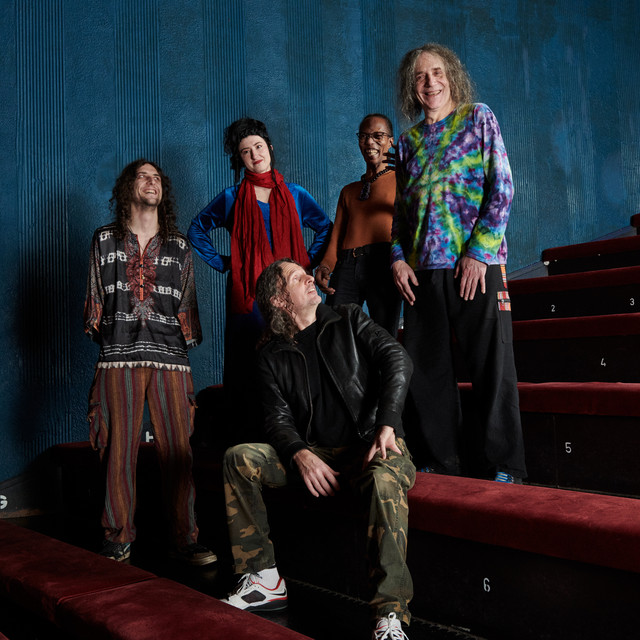
The Fierce & the Dead
Progressive Rock
Post-Rock
Rock
2
/5
Ozric Tentacles
Jam Band
Space Rock
Electronic
1
/5
Various Artists
Soundtrack
Afro-Funk
Alternative Rock
1
/5
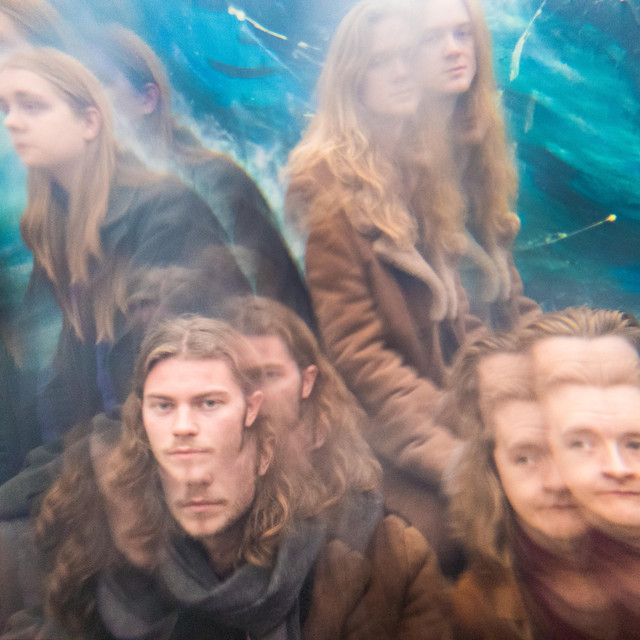
Lucy in Blue
Indie Psychedelic Rock
Post-Rock
Progressive Rock
4
/5
Brian Eno
Ambient
Krautrock
Electronic
3
/5
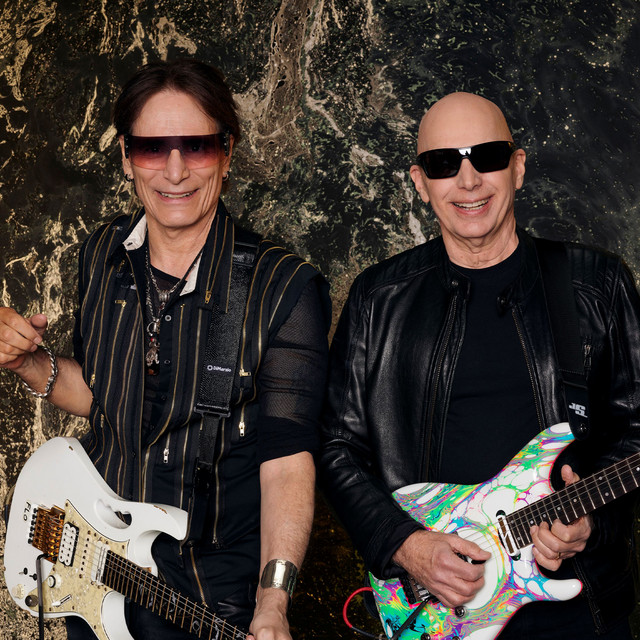
Joe Satriani
Instrumental Rock
Rock
Hard Rock
3
/5
Camel
Progressive Rock
Art Rock
Symphonic Prog
3
/5
Tangerine Dream
Ambient
Berlin School
New Age
3
/5
Plini
Instrumental Rock
Progressive Metal
Progressive Rock
3
/5
Thee Oh Sees
Garage Rock
Garage Psych
Psychedelic Rock
Download our mobile app
Get the Melodigging app and start digging for new genres on the go
Download on the App Store
Get it on Google Play
© 2026 Melodigging
Give feedback
Legal
Melodding was created as a tribute to
Every Noise at Once
, which inspired us to help curious minds keep digging into music's ever-evolving genres.