Genres
Artists
Albums
Make Music
Sign in
Sign in
Artists
Bolero
Artists
Bolero
Orquesta Francisco Canaro
1935
·
1 album
Listen
1
/5
Genres
Orquesta Tipica
Orquesta típica is the classic Argentine tango dance orchestra format that crystallized in Buenos Aires (and neighboring Montevideo) in the early 20th century. It standardized the instrumentation and arranging language for tango, milonga, and vals criollo, turning neighborhood dance music into a sophisticated urban art. A typical lineup includes multiple bandoneons (often 2–4), a string section (usually 3–5 violins plus occasional viola/cello), piano, and double bass. The ensemble sound relies on tight sectional writing, antiphonal exchanges between bandoneons and strings, and a rhythm team (piano and bass) that articulates the tango compás using marcato, síncopa, arrastre, and rubato. From the late 1930s, a vocalist (the estribillista/cantor) commonly joins for the refrain. Stylistically, orquesta típica arrangements blend incisive rhythmic drive with lyrical melodicism and dramatic dynamic shape. Different orchestras cultivate distinct feels: the percussive, staccato swing of D’Arienzo/Biagi; the elegant legato and lush harmonies of Di Sarli/Fresedo; Pugliese’s weighty yumba and expressive rubati; and Troilo’s lyrical, bandoneon-forward poise.
Discover
Listen
Tango
Tango is a song-and-dance music from the Río de la Plata region, crystallizing in Buenos Aires (Argentina) and Montevideo (Uruguay) in the late 19th century. It is characterized by a melancholic, dramatic tone; richly expressive melodies; and a distinctive rhythmic feel rooted in the habanera and milonga. Core ensembles feature bandoneón, violin(s), piano, double bass, and sometimes guitar, forming the famed orquesta típica. Across the 1920s–1950s it became a worldwide craze, moving from rough immigrant bars to grand salons and radio, developing highly sophisticated arranging and performance practices. Lyrics often employ lunfardo (Buenos Aires slang) and dwell on urban nostalgia, love, betrayal, and the neighborhood (el barrio). Note on terminology: in flamenco, “tangos” is a distinct palo (song form) with a lively 4/4 compás, often in A Phrygian, closely related in feeling to rumba flamenca. Although it shares the name and a spirited character, flamenco tangos is a different tradition from the Río de la Plata tango described above.
Discover
Listen
Bolero
Bolero is both a Spanish dance-music form from the late 18th century and, later, a Cuban song style from the late 19th century. The Spanish bolero emerged as a moderately slow solo or partner dance in 3/4 time, shaped by Andalusian song-dance traditions. It typically features guitar accompaniment and castanets, and its sung texts often follow the seguidilla stanza pattern. In Cuba, bolero evolved into a romantic ballad—most often in 2/4 (later also felt in 4/4)—performed by singers, trios, and salon ensembles. Cuban bolero emphasizes intimate, lyrical melodies, guitar-led accompaniment (often with requinto), and gentle Afro-Caribbean rhythmic undercurrents (habanera feel, soft bongo, claves), becoming one of Latin America’s quintessential love-song forms.
Discover
Listen
Albums
1935
Poema
Orquesta Francisco Canaro
Orquesta Tipica
Similar artists
3
/5
Diego El Cigala
Flamenco
Tango
Bolero
3
/5
Carlos Gardel
Candombe
Tango
Bolero
3
/5
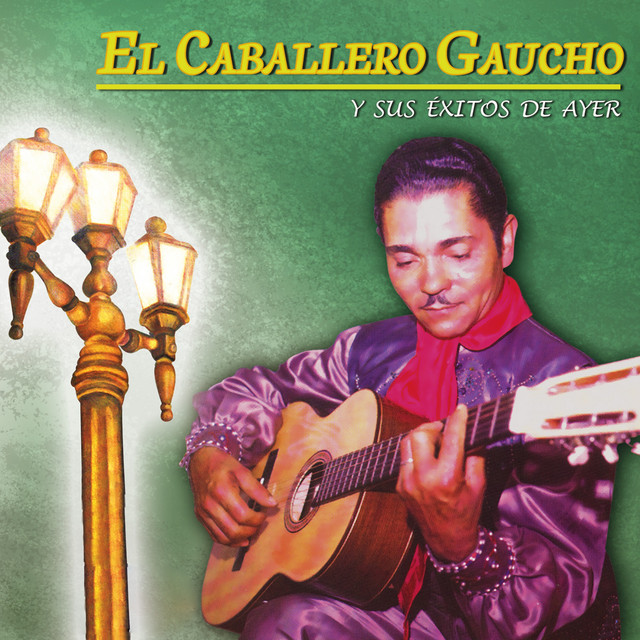
El Caballero Gaucho
Bolero
Música Popular Colombiana
Popular Colombian Music
3
/5
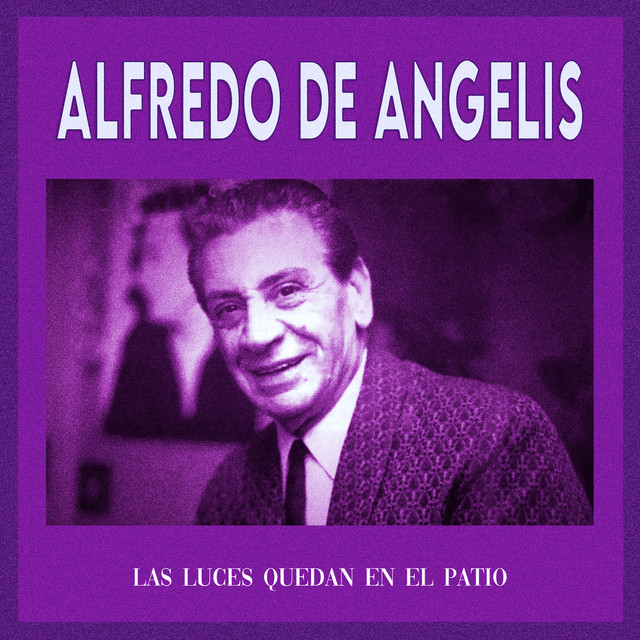
Alfredo De Angelis
Bolero
Tango
3
/5
Oscar Agudelo
Bolero
Popular Colombian Music
Ranchera
3
/5
Kike Fernández
Bolero
Tango
Romantico
2
/5
Armando Moreno
Bolero
Candombe
Tango
2
/5
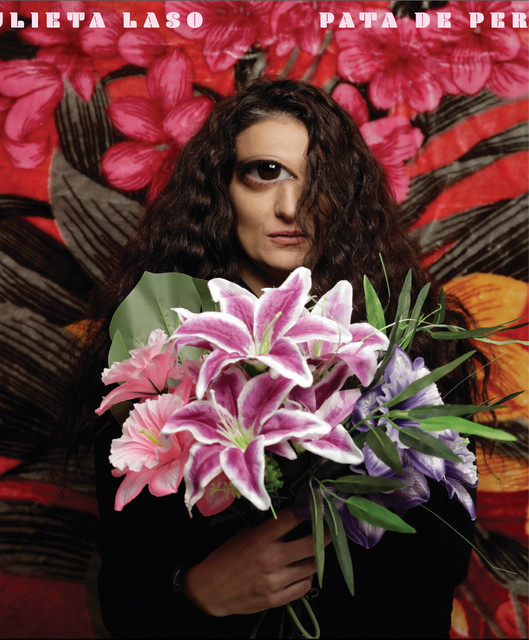
Julieta Laso
Nuevo Tango
Bolero
Candombe
2
/5
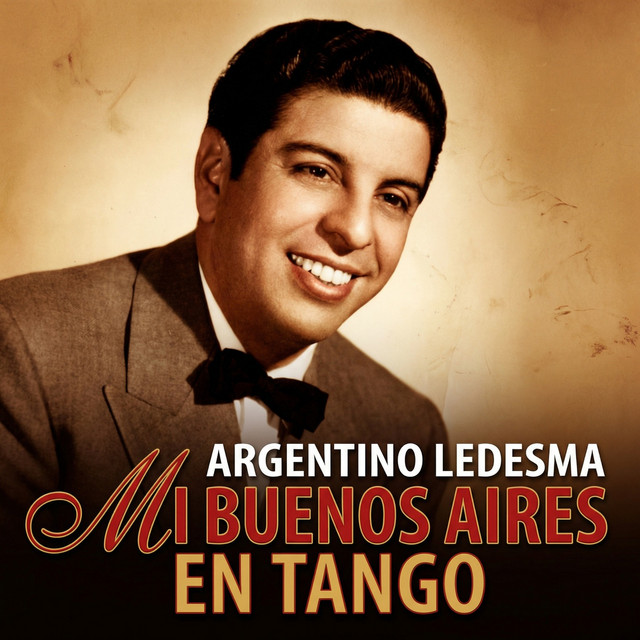
Argentino Ledesma
Bolero
Tango
Vintage Tango
2
/5
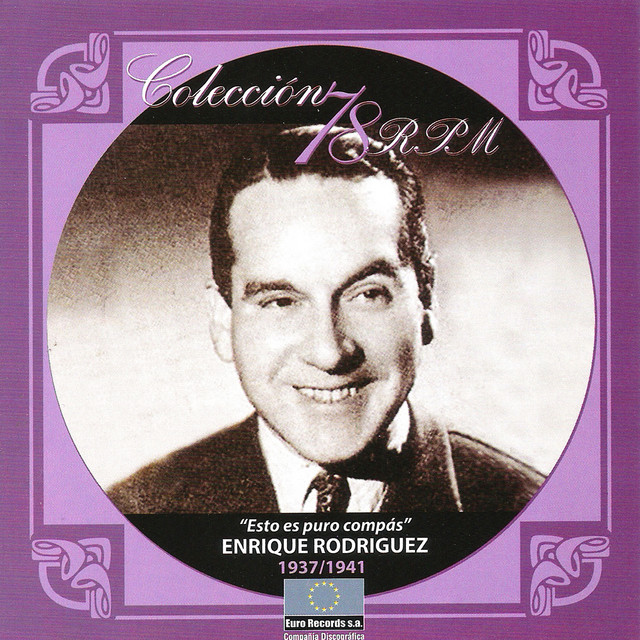
Enrique Rodríguez
Bolero
Candombe
Tango
Download our mobile app
Get the Melodigging app and start digging for new genres on the go
Download on the App Store
Get it on Google Play
© 2026 Melodigging
Give feedback
Legal
Melodding was created as a tribute to
Every Noise at Once
, which inspired us to help curious minds keep digging into music's ever-evolving genres.