Genres
Artists
Albums
Make Music
Sign in
Sign in
Artists
Bolero
Artists
Bolero
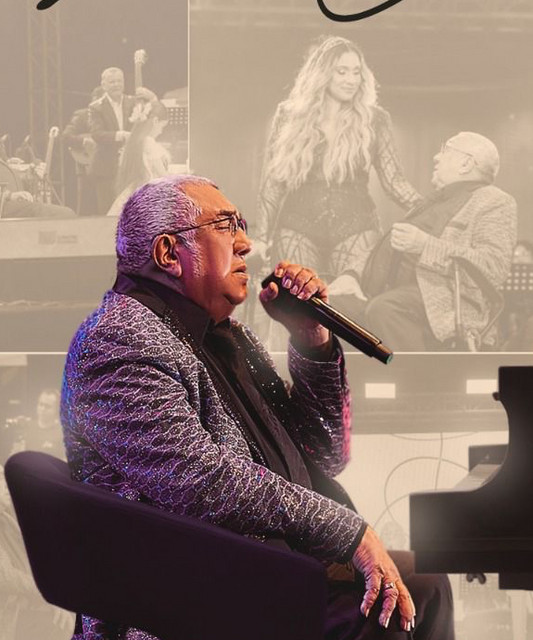
Oscar Agudelo
Listen
3
/5
Genres
Popular Colombian Music
Popular Colombian music (música popular colombiana) is a contemporary Colombian style that fuses Mexican regional idioms—especially ranchera, corrido, norteño, and banda—with Andean-Colombian song traditions like bambuco and pasillo. Built around the emotive, dramatic vocal delivery known locally as "despecho" (heartbreak), it foregrounds cantina themes of love, loss, betrayal, and resilience, while adopting modern pop production. Brass sections (in the banda vein), trumpets in mariachi style, accordion or requinto guitars, and steady rhythm sections support songs that often move between 3/4 waltz feels and 4/4 bolero or pop-ballad grooves. The genre evolved from 1980s "música de despecho" and "carrilera" in Antioquia and the Eje Cafetero, and in the 2000s–2010s broke nationally with a new generation that blended classic themes with polished, radio-ready arrangements and crossovers with vallenato and urbano.
Discover
Listen
Son Cubano
Son cubano is a foundational Cuban genre that fuses Spanish-derived song forms and harmony with Afro-Cuban rhythms and percussion. Born in eastern Cuba (Oriente) and crystallized in Havana in the 1910s–1920s, it became the backbone of much of 20th‑century Latin popular music. Typical ensembles began as sextetos (tres, guitar, bongó, maracas, claves, and bass or marímbula) and later evolved into septetos with trumpet. Conjunto formats in the 1940s added piano, congas, and multiple horns. The music rides a son clave (in 3‑2 or 2‑3 orientation), features interlocking tres guajeos, a walking/tumbao bass that anticipates the downbeat, and call‑and‑response vocals in the montuno section. Harmonically it is rooted in I–IV–V with bluesy dominant sevenths and occasional secondary dominants. Lyrically it balances romance, everyday life, and streetwise wit, always aimed at dancing and social gathering.
Discover
Listen
Tango
Tango is a song-and-dance music from the Río de la Plata region, crystallizing in Buenos Aires (Argentina) and Montevideo (Uruguay) in the late 19th century. It is characterized by a melancholic, dramatic tone; richly expressive melodies; and a distinctive rhythmic feel rooted in the habanera and milonga. Core ensembles feature bandoneón, violin(s), piano, double bass, and sometimes guitar, forming the famed orquesta típica. Across the 1920s–1950s it became a worldwide craze, moving from rough immigrant bars to grand salons and radio, developing highly sophisticated arranging and performance practices. Lyrics often employ lunfardo (Buenos Aires slang) and dwell on urban nostalgia, love, betrayal, and the neighborhood (el barrio). Note on terminology: in flamenco, “tangos” is a distinct palo (song form) with a lively 4/4 compás, often in A Phrygian, closely related in feeling to rumba flamenca. Although it shares the name and a spirited character, flamenco tangos is a different tradition from the Río de la Plata tango described above.
Discover
Listen
Ranchera
Ranchera (canción ranchera) is a traditional Mexican song genre characterized by passionate, emotive vocals; memorable, singable melodies; and direct, heartfelt lyrics about love, heartbreak, drinking, patriotism, rural life, and personal honor. Although its roots reach back to rural song traditions of the late 18th and early 19th centuries, ranchera consolidated as a national popular style before the Mexican Revolution and was later projected across Latin America through the Golden Age of Mexican cinema. The genre is commonly performed with mariachi (violins, trumpets, vihuela, guitarra, guitarrón), but it can also appear with norteño, banda, or solo voice-and-guitar arrangements. Musically, rancheras often use simple strophic or verse–chorus forms, tonal harmonies (I–IV–V with occasional secondary dominants or modulations), and meters in 3/4 (vals ranchero) or 2/4 and 4/4 (ranchera alegre or ranchera lenta). Vocal delivery features expressive rubato, dramatic dynamic arcs, and the iconic grito (a shouted cry) between phrases.
Discover
Listen
Bolero
Bolero is both a Spanish dance-music form from the late 18th century and, later, a Cuban song style from the late 19th century. The Spanish bolero emerged as a moderately slow solo or partner dance in 3/4 time, shaped by Andalusian song-dance traditions. It typically features guitar accompaniment and castanets, and its sung texts often follow the seguidilla stanza pattern. In Cuba, bolero evolved into a romantic ballad—most often in 2/4 (later also felt in 4/4)—performed by singers, trios, and salon ensembles. Cuban bolero emphasizes intimate, lyrical melodies, guitar-led accompaniment (often with requinto), and gentle Afro-Caribbean rhythmic undercurrents (habanera feel, soft bongo, claves), becoming one of Latin America’s quintessential love-song forms.
Discover
Listen
Similar artists
3
/5
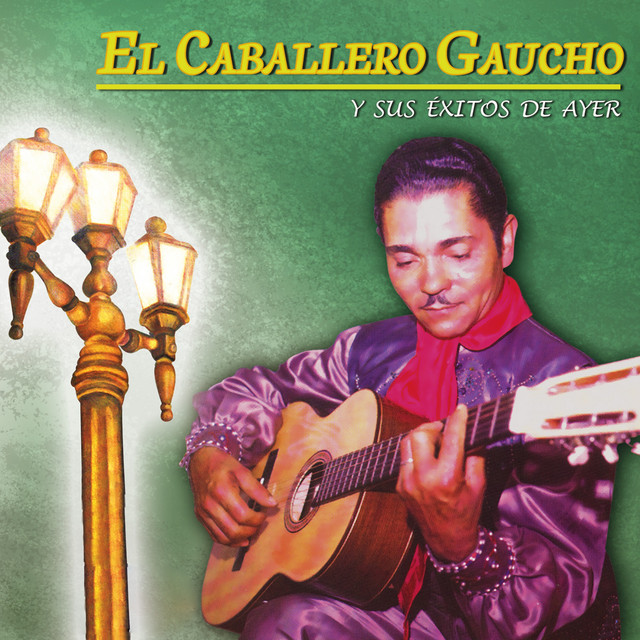
El Caballero Gaucho
Bolero
Popular Colombian Music
Ranchera
2
/5
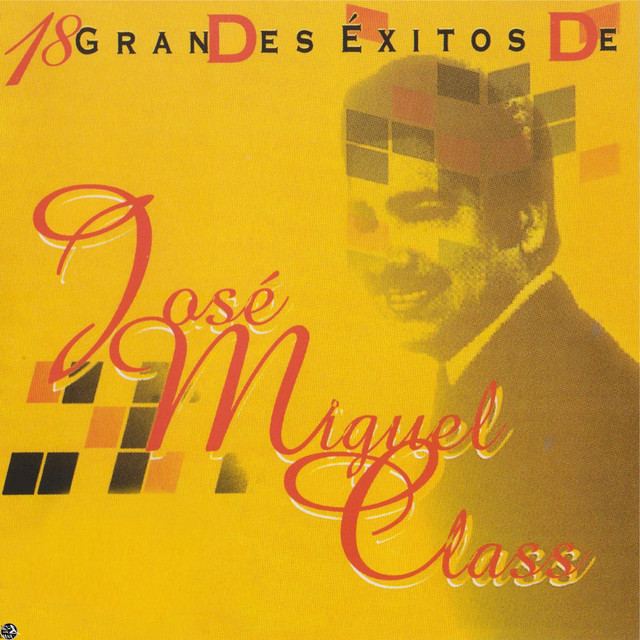
Jose Miguel Class
Bolero
Popular Colombian Music
Ranchera
4
/5
Julio Jaramillo
Bolero
Popular Colombian Music
Ranchera
3
/5
Diego El Cigala
Flamenco
Tango
Bolero
3
/5
Alci Acosta
Bolero
Popular Colombian Music
Ranchera
3
/5
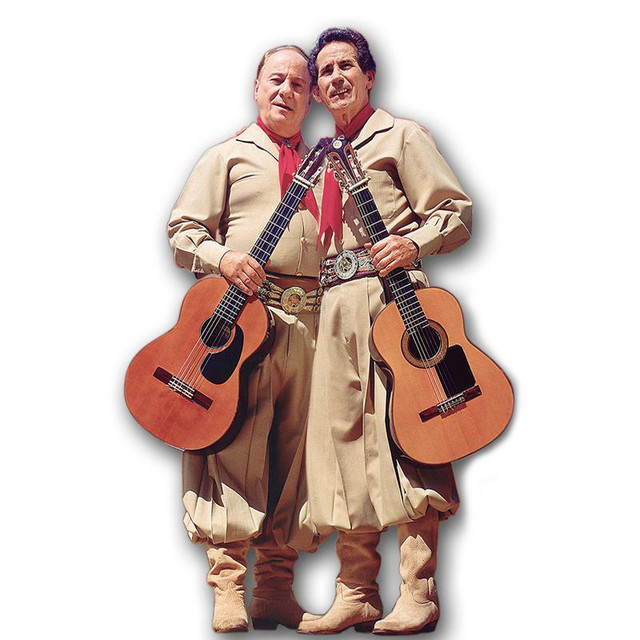
Los Legendarios
Bolero
Popular Colombian Music
Ranchera
3
/5
Los Visconti
Bolero
Chamamé
Folclor Andino
3
/5
El Chico Jaramillo
Bolero
Popular Colombian Music
Ranchera
3
/5
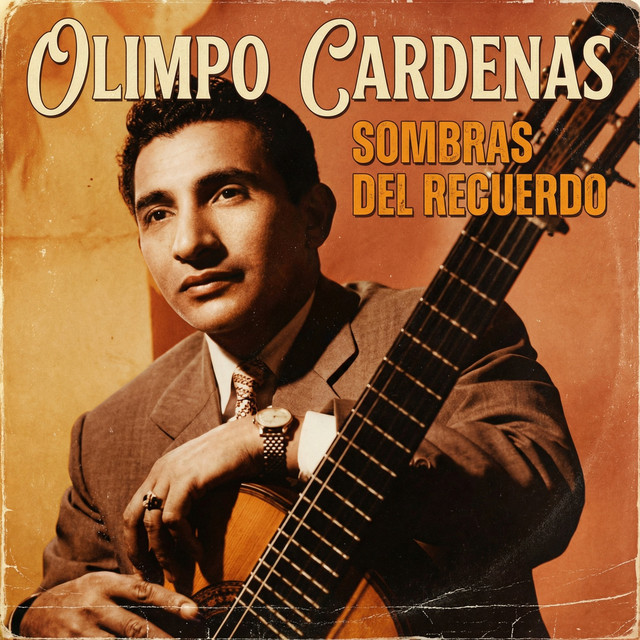
Olimpo Cardenas
Bolero
Pasillo
Popular Colombian Music
3
/5
Romulo Caicedo
Bolero
Popular Colombian Music
Ranchera
Download our mobile app
Get the Melodigging app and start digging for new genres on the go
Download on the App Store
Get it on Google Play
© 2026 Melodigging
Give feedback
Legal
Melodding was created as a tribute to
Every Noise at Once
, which inspired us to help curious minds keep digging into music's ever-evolving genres.