Genres
Artists
Albums
Make Music
Sign in
Sign in
Artists
Chamber Music
Artists
Chamber Music
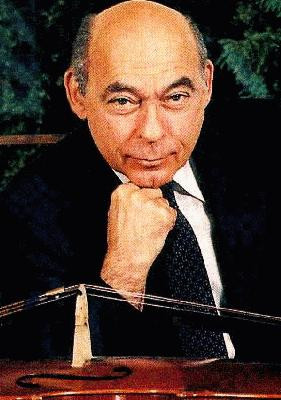
Nicholas Kraemer
1995
·
1 album
Listen
3
/5
Genres
Classical Cello
Classical cello refers to the body of Western art-music repertoire, performance practices, and techniques centered on the violoncello from the Baroque era to the present. It encompasses solo works (unaccompanied suites, caprices), concertos with orchestra, sonatas with keyboard, chamber music (trios, quartets, quintets), and orchestral parts. The style prizes nuanced bow control, cantabile phrasing, and a wide dynamic palette, exploiting the instrument’s baritone-to-tenor range and vocal expressivity.
Discover
Listen
Chamber Music
Chamber music is a tradition of composed music for small ensembles—typically one player per part—intended for intimate spaces such as courts, salons, and private rooms rather than large public halls. Its aesthetic emphasizes clarity of texture, conversational interplay among parts, and balance without a conductor. Hallmark formations include the string quartet, piano trio, wind quintet, string quintet, and various mixed ensembles. Multi‑movement cycles (often in sonata form) and finely wrought counterpoint are common, ranging from Baroque trio sonatas to Classical string quartets and modern works with expanded timbres and techniques. Because of its scale and transparency, chamber music has long been a proving ground for compositional craft and ensemble musicianship, shaping the core of Western art music from the Baroque through the present.
Discover
Listen
Classical
Classical music is the notated art-music tradition of Europe and its global descendants, characterized by durable forms, carefully codified harmony and counterpoint, and a literate score-based practice. The term “classical” can refer broadly to the entire Western art-music lineage from the Medieval era to today, not just the Classical period (c. 1750s–1820s). It privileges long-form structures (such as symphonies, sonatas, concertos, masses, and operas), functional or modal harmony, thematic development, and timbral nuance across ensembles ranging from solo instruments to full orchestras and choirs. Across centuries, the style evolved from chant and modal polyphony to tonal harmony, and later to post-tonal idioms, while maintaining a shared emphasis on written notation, performance practice, and craft.
Discover
Listen
Albums
1995
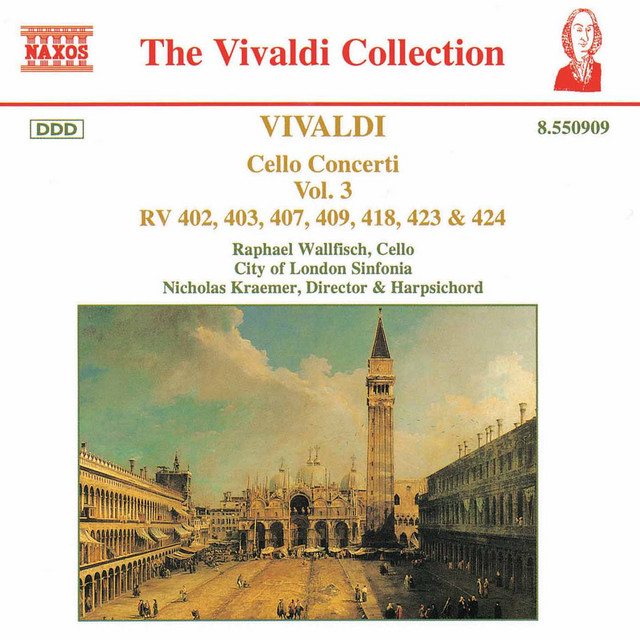
Vivaldi: Cello Concerti, Vol. 3
Antonio Vivaldi, Raphael Wallfisch, City of London Sinfonia, Nicholas Kraemer
Classical Cello
Similar artists
4
/5
Johann Sebastian Bach
Baroque
Classical
Baroque Suite
4
/5
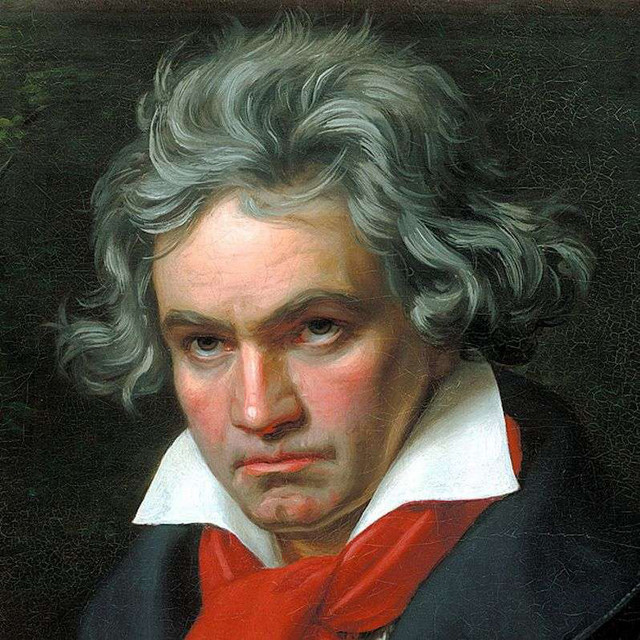
Ludwig van Beethoven
Classical
Classical Period
Romantic Classical
4
/5
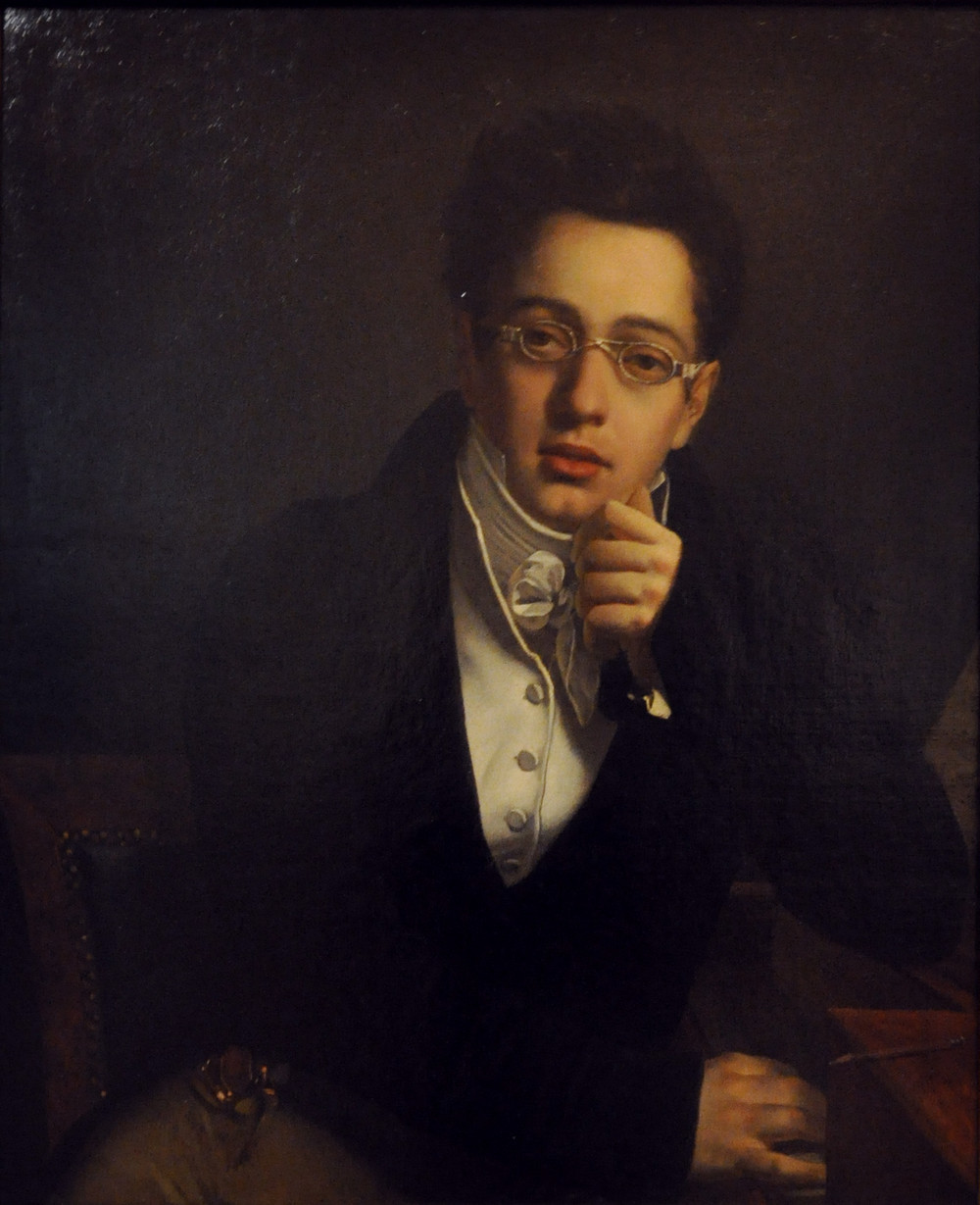
Franz Schubert
Impromptu
Lied
Art Song
4
/5
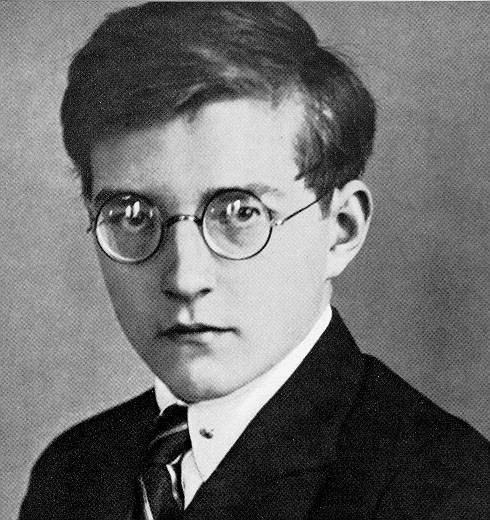
Dmitri Shostakovich
Classical
Chamber Music
Fugue
4
/5
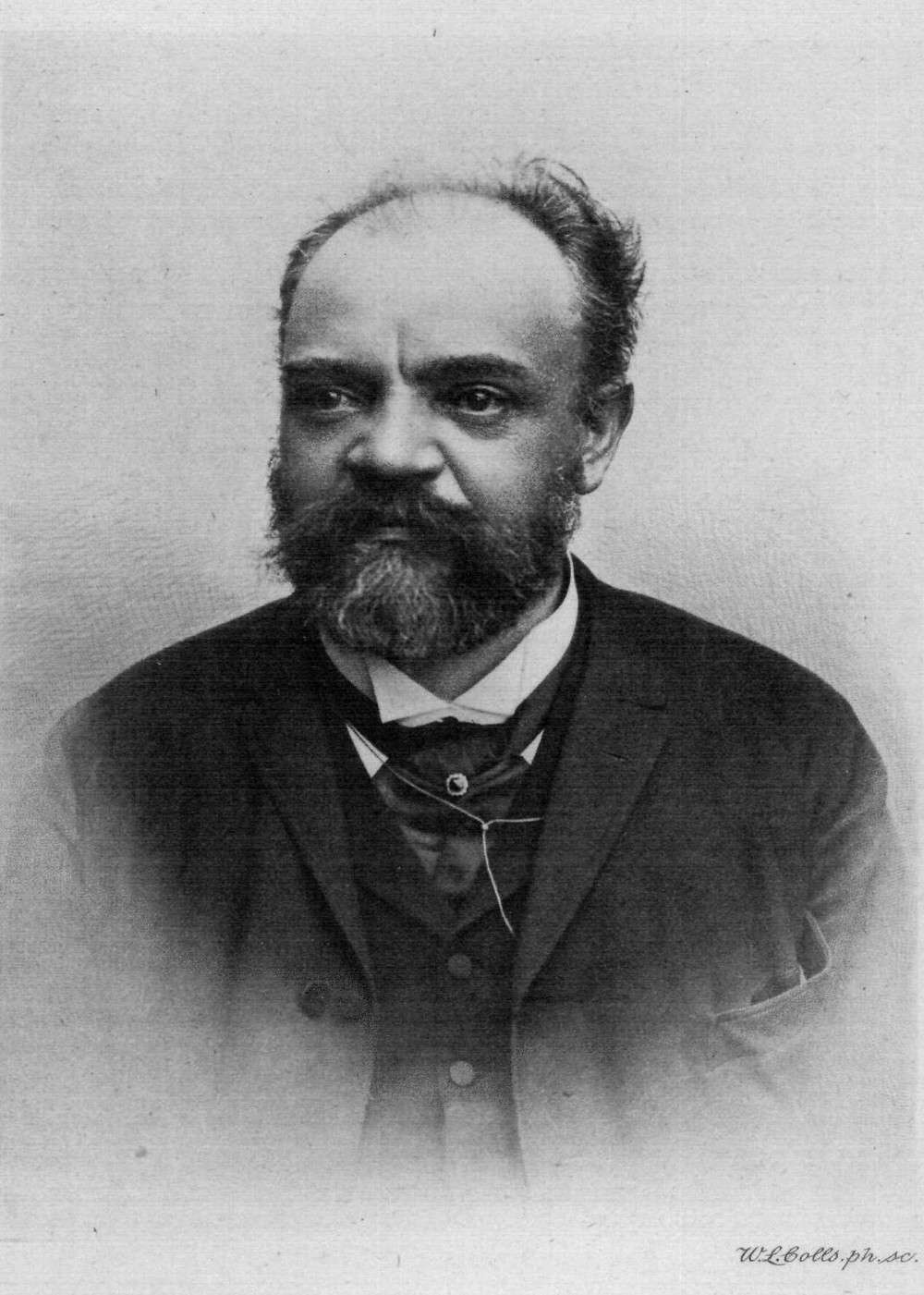
Antonín Dvořák
Classical
Symphony
Symfonicky Orchestr
3
/5
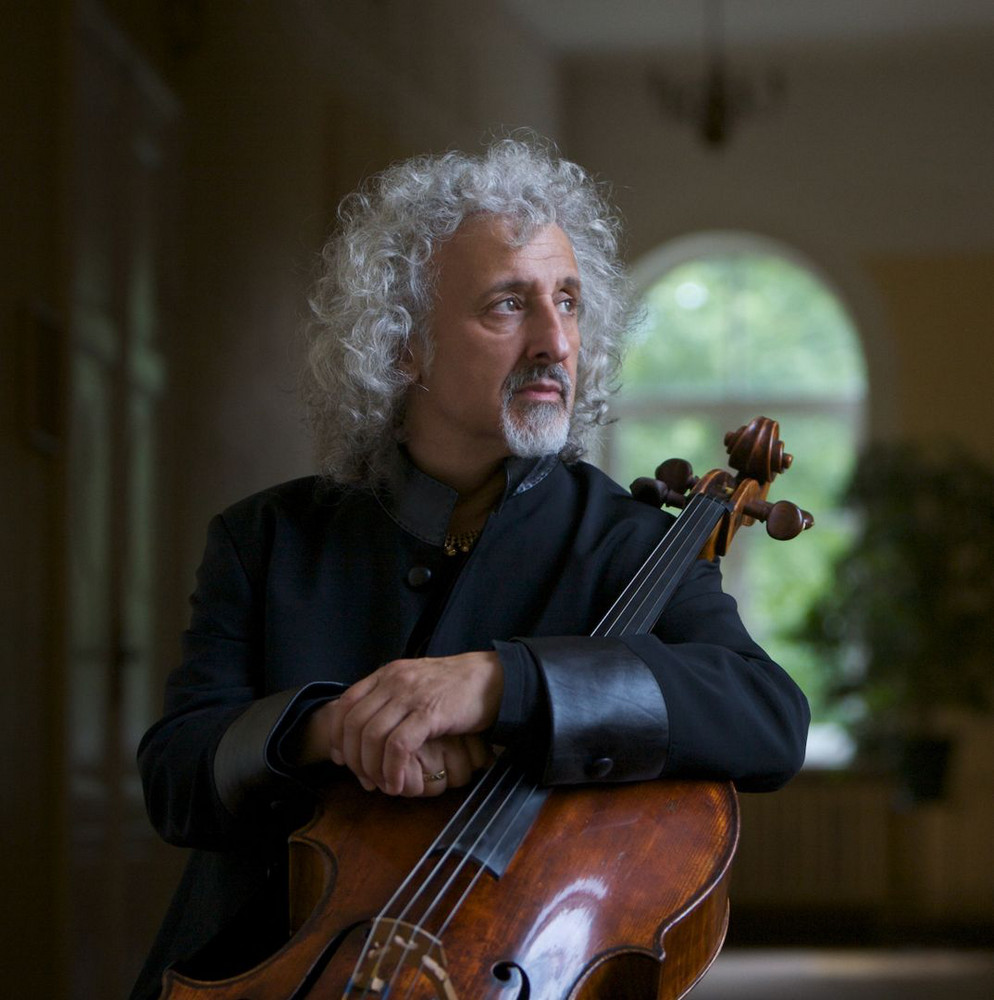
Mischa Maisky
Chamber Music
Classical
Concerto
3
/5
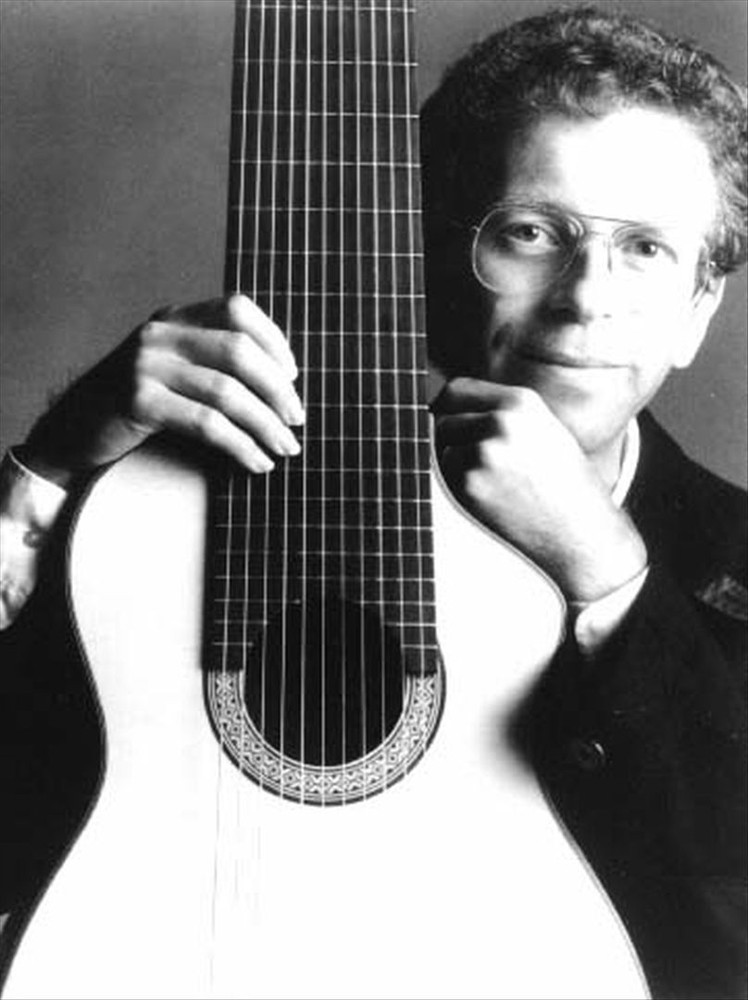
Göran Söllscher
Baroque
Chamber Music
Classical
3
/5
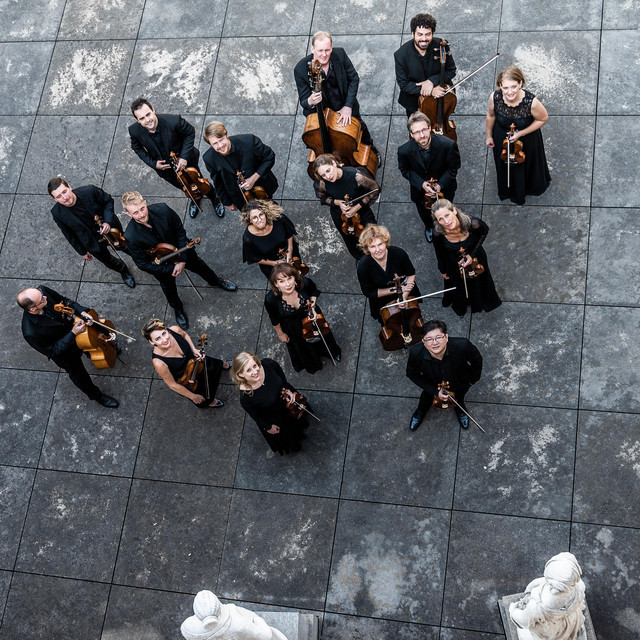
Stuttgart Chamber Orchestra
Baroque
Classical
Orchestral
3
/5
János Starker
Classical
Hungarian Classical Performance
Chamber Music
3
/5
Daria Hovora
Chamber Music
Classical
Classical Cello
Download our mobile app
Get the Melodigging app and start digging for new genres on the go
Download on the App Store
Get it on Google Play
© 2026 Melodigging
Give feedback
Legal
Melodding was created as a tribute to
Every Noise at Once
, which inspired us to help curious minds keep digging into music's ever-evolving genres.