Genres
Artists
Albums
Make Music
Sign in
Sign in
Artists
J-Pop
Artists
J-Pop
Nanase Aikawa
1996
·
1 album
Listen
3
/5
Genres
J-Pixie
J‑pixie is a sparkle‑bright corner of contemporary Japanese pop/rock that blends anison (anime song) bombast with idol polish and indie‑rock drive. The “pixie” label hints at the sound’s effervescent, twinkling timbres: high, agile female vocals; glittering synth arpeggios; and punchy guitars that sprint toward cathartic, sky‑punching choruses. Arrangements tend to be compact and cinematic—verse/pre‑chorus/chorus structures with dramatic lifts, halftime-to-double‑time switches, precision drum fills, and frequent late‑song key changes. The overall aesthetic is optimistic and youthful, with lyrics about resolve, friendship, and wonder, often peppered with catchy English hooks. It sits between mainstream J‑Pop, anison, seiyū (voice‑actor) pop, and female‑fronted alt‑rock, making it both playlist‑friendly and tailor‑made for anime tie‑ins and live band settings.
Discover
Listen
J-Pop
J-pop (Japanese pop) is a broad umbrella for mainstream Japanese popular music that blends Western pop/rock, dance, and R&B with distinctly Japanese songwriting, vocal delivery, and industry practices. It is characterized by strong hooks, polished production, bright synths and guitars, frequent key changes and modulatory bridges, and chorus-first or chorus-centric structures. J-pop spans idol groups, singer-songwriters, band-oriented pop-rock, electronic dance-pop, and R&B ballads, while remaining closely tied to television, advertising, video games, and anime tie-ins (anisong).
Discover
Listen
Classic J-Pop
Classic J‑Pop refers to the mainstream Japanese pop sound that crystallized from the late 1970s through the 1990s, when the term “J‑Pop” gained currency. It blends Japan’s kayōkyoku songcraft with Western pop/rock, AOR, new wave, and synth‑pop, packaged with glossy studio production and mass‑media tie‑ins. Hooks are paramount: memorable choruses (sabi), clear A‑melo/B‑melo/chorus forms, and frequent “truck‑driver” modulations (often up a semitone) lift the final chorus. Arrangements layer clean electric guitars, bright keyboards and digital synths, string pads, punched‑up drums or drum machines, and stacked background vocals. Lyrically, love, seasons, everyday life, and bittersweet nostalgia are common, while TV dramas, commercials, and anime themes helped songs reach nationwide audiences. Culturally, classic J‑Pop coincides with the rise of idol systems and the CD single era, Oricon chart competitions, karaoke, and the cross‑pollination of bands, soloists, producers, and talent agencies that defined Japanese pop’s golden age.
Discover
Listen
Pop Rock
Pop rock blends the hook-focused immediacy of pop with the instrumentation and drive of rock. It prioritizes catchy melodies, concise song structures, and polished production while retaining guitars, bass, and drums as core elements. Typical pop rock tracks use verse–pre-chorus–chorus forms, strong vocal harmonies, and memorable riffs. The sound ranges from jangly and bright to mildly overdriven and arena-ready, aiming for radio-friendly appeal without abandoning rock’s rhythmic punch.
Discover
Listen
Pop
Pop is a broad, hook-driven style of popular music designed for wide appeal. It emphasizes memorable melodies, concise song structures, polished vocals, and production intended for radio, charts, and mass media. While pop continually absorbs elements from other styles, its core remains singable choruses, accessible harmonies, and rhythmic clarity. Typical forms include verse–pre-chorus–chorus, frequent use of bridges and middle-eights, and ear-catching intros and outros. Pop is not defined by a single instrumentation. It flexibly incorporates acoustic and electric instruments, drum machines, synthesizers, and increasingly digital production techniques, always in service of the song and the hook.
Discover
Listen
Rock
Rock is a broad family of popular music centered on amplified instruments, a strong backbeat, and song forms that foreground riffs, choruses, and anthemic hooks. Emerging from mid‑20th‑century American styles like rhythm & blues, country, and gospel-inflected rock and roll, rock quickly expanded in scope—absorbing folk, blues, and psychedelic ideas—while shaping global youth culture. Core sonic markers include electric guitar (often overdriven), electric bass, drum kit emphasizing beats 2 and 4, and emotive lead vocals. Rock songs commonly use verse–chorus structures, blues-derived harmony, and memorable melodic motifs, ranging from intimate ballads to high‑energy, stadium‑sized performances.
Discover
Listen
Kayōkyoku
Kayōkyoku is a broad umbrella of Japanese popular song that dominated the nation’s mainstream from the prewar era through the 1980s, before the term J‑pop became prevalent. It blends Western popular idioms—such as jazz, swing, tango, and later rock and roll—with Japanese melodic sensibilities and lyric themes. Stylistically, kayōkyoku favors clear, memorable melodies, polished vocal delivery, and orchestral or big‑band arrangements. Its songs often use Western song forms (AABA or verse–chorus), while retaining a distinctly Japanese emotional tone rooted in nostalgia, romance, and everyday urban life.
Discover
Listen
Show all 7 genres
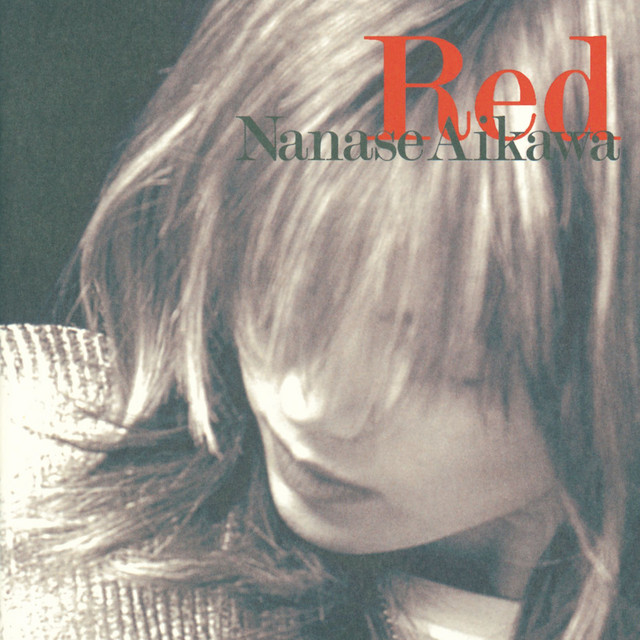
Albums
1996
Red
Nanase Aikawa
Classic J-Pop
Similar artists
3
/5
Yumi Matsutoya
City Pop
J-Pop
Pop
3
/5
Koji Tamaki
Enka
Kayōkyoku
Aor
4
/5
Mr.Children
J-Pop
Kayōkyoku
Pop Rock
4
/5
Every Little Thing
Eurobeat
City Pop
J-Pop
4
/5
ZARD
J-Pop
J-Poprock
Kayōkyoku
3
/5
Akina Nakamori
Idol Kayō
Techno Kayō
Kayōkyoku
3
/5
GLAY
Visual Kei
Soft Visual
Rock
3
/5
Yutaka Ozaki
Enka
J-Pop
Kayōkyoku
3
/5
Shizuka Kudo
Idol Kayō
Enka
J-Pop
2
/5
Akiko Yano
Art Pop
J-Pop
Pop
Download our mobile app
Get the Melodigging app and start digging for new genres on the go
Download on the App Store
Get it on Google Play
© 2026 Melodigging
Give feedback
Legal
Melodding was created as a tribute to
Every Noise at Once
, which inspired us to help curious minds keep digging into music's ever-evolving genres.