Genres
Artists
Albums
Make Music
Sign in
Sign in
Artists
Eurobeat
Artists
Eurobeat
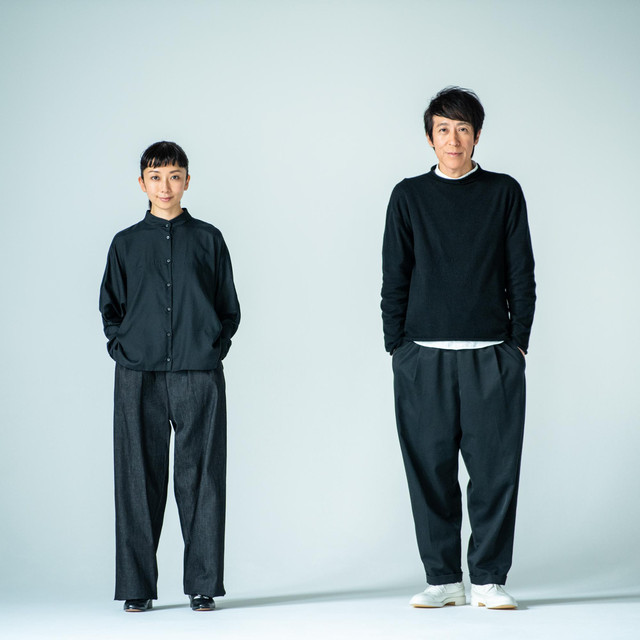
Every Little Thing
1998–2016
·
7 albums
Listen
4
/5
Genres
Asian Rock
Asian Rock (in the contemporary online-rap sense) is a pluggnb-derived microstyle that fuses the dense, bouncy percussion of pluggnb with bright, anime/Asian-rock-tinged melodic cues. Production typically layers airy bells, mallet or synth plucks, and shimmering pads with soaring synthetic guitar leads that nod to Japanese rock and anime-score aesthetics. Vocals lean melodic—half-sung, half-rapped—with light autotune and emotive hooks, riding swung hi-hats, skipping rimshots, and rubbery 808 slides. Rather than a geographic tag, this style labels a sonic palette: internet-native trap built on pluggnb drums and glossy, nostalgic melodies that evoke anime openings and J-rock guitar heroics.
Discover
Listen
Hypertrance
Hypertrance is an internet-native fusion of modern trance and the maximalist, ultra-glossy aesthetics of the hyperpop ecosystem. It emphasizes euphoric supersaw leads, soaring pads, huge risers, and hard side‑chained kick–bass grooves, while borrowing hyperpop’s pitch‑shifted vocals, clipped loudness, and playful, self‑aware sound design. Typical tempos sit around 140–160 BPM with a 4/4 pulse, bright major‑key hooks, and breakdowns that explode into short, high‑impact drops. Producers frequently combine trance signifiers (gated pads, anthemic builds, arpeggios, 303/acid flourishes) with internet-era techniques (OTT compression, aggressive clipping, formant play, nightcore‑style vocal edits). The result feels at once nostalgic and futuristic: a rave ecstasy updated for the post‑SoundCloud, post‑PC Music generation.
Discover
Listen
J-Pop
J-pop (Japanese pop) is a broad umbrella for mainstream Japanese popular music that blends Western pop/rock, dance, and R&B with distinctly Japanese songwriting, vocal delivery, and industry practices. It is characterized by strong hooks, polished production, bright synths and guitars, frequent key changes and modulatory bridges, and chorus-first or chorus-centric structures. J-pop spans idol groups, singer-songwriters, band-oriented pop-rock, electronic dance-pop, and R&B ballads, while remaining closely tied to television, advertising, video games, and anime tie-ins (anisong).
Discover
Listen
Downtempo
Downtempo is a mellow, groove-oriented branch of electronic music characterized by slower tempos, plush textures, and a focus on atmosphere over dancefloor intensity. Typical tempos range from about 60–110 BPM, with swung or laid-back rhythms, dub-informed basslines, and warm, jazz-tinged harmonies. Stylistically, it blends the spaciousness of ambient, the head-nodding rhythms of hip hop and breakbeat, and the cosmopolitan smoothness of lounge and acid jazz. Producers often use sampled drums, Rhodes or Wurlitzer electric pianos, guitar licks with delay, and field recordings to create intimate, cinematic soundscapes. The mood spans from soulful and romantic to introspective and dusk-lit, making it a staple of after-hours listening, cafes, and relaxed club back rooms.
Discover
Listen
Trance
Trance is a form of electronic dance music characterized by steady four-on-the-floor beats, long build‑ups and breakdowns, and euphoric, melodic progressions designed to induce a hypnotic or “trance‑like” state. Typical tempos range from about 130 to 142 BPM, with arrangements often stretching 7–10 minutes to allow DJs room for tension, release, and seamless mixing. The sound palette emphasizes shimmering pads, arpeggiated synth motifs, supersaw leads, and wide, reverberant spaces. Harmonically, trance tends to favor minor keys, modal mixture, and extended suspense before cathartic drops. Production hallmarks include sidechain compression (“pumping”), off‑beat open hi‑hats, rolling basslines, and lush delay/reverb tails. While largely instrumental, a major branch—vocal trance—features lyrical toplines and pop‑leaning structures without losing its club‑centric dynamics.
Discover
Listen
Vocal Trance
Vocal trance is a melodic, song-oriented branch of trance that foregrounds sung vocals—often emotive, anthemic choruses—within the euphoria and drive of club-ready trance production. It typically runs at 130–138 BPM with a steady four-on-the-floor kick, rolling basslines, supersaw leads, lush pads, and wide reverbs and delays. Pop-like structures (verse, pre-chorus, chorus) are fused with trance’s extended breakdowns and tension-and-release builds, making the music equally suited to radio and large dancefloors. The vocals—frequently airy female leads or expressive duets—carry themes of love, longing, uplift, and introspection, while the instrumentals support them with soaring, harmonically rich arrangements and dramatic drops.
Discover
Listen
Eurobeat
Eurobeat is a high-tempo, hook-driven form of European dance music that emerged in Italy in the late 1980s and was developed primarily for the Japanese market in the 1990s. It is characterized by four-on-the-floor rhythms around 150–160 BPM, bright supersaw leads, dramatic chord progressions in minor keys, and anthemic, often English-language choruses. Unlike Eurodance, Eurobeat leans heavily on Italo-disco and Hi-NRG aesthetics, with dense layers of synths, punchy drum programming, and soaring toplines sung by a roster of Italian session vocalists under multiple aliases. The style became tightly linked to Japan through the long-running Super Eurobeat compilations, Para Para club culture, and pop-cultural placements (notably the Initial D franchise).
Discover
Listen
City Pop
City pop is a sleek, cosmopolitan strain of Japanese popular music that emerged in the late 1970s and flourished throughout the 1980s. It fuses the polish of Western AOR and soft rock with funk, disco, jazz fusion, and boogie grooves, wrapping them in sophisticated harmonies and studio gloss. Built for car stereos, FM radio, and neon-lit nightlife, the style favors tight rhythm sections, lush keyboards (Rhodes, FM synths), clean chorus-laden guitars, and sax or synth leads. Lyrics often paint aspirational urban scenes—coastal highways, midnight drives, summer romance—balancing breezy optimism with a bittersweet, nostalgic hue. After a period of relative dormancy in the 1990s, city pop enjoyed a global revival in the 2010s via YouTube algorithms, online crate-digging, and sample-based microgenres, turning once-domestic hits into worldwide cult classics.
Discover
Listen
Soft Rock
Soft rock is a mellow, melody-forward strain of rock and pop that favors smooth vocals, polished production, and restrained dynamics over distortion and aggression. Built on acoustic and clean electric guitars, piano or electric piano (Rhodes), light rhythm sections, and lush backing vocals or strings, the style centers on memorable hooks and sentimental themes. Its lyrics often explore love, heartbreak, nostalgia, and introspection, delivered with warmth and clarity. Tempos are moderate, grooves are unobtrusive, and harmonies are diatonic with tasteful color (maj7, add9) and occasional key changes. Commercially, soft rock flourished on AM radio and adult contemporary playlists in the 1970s and early 1980s, shaping the sound of radio-friendly ballads and influencing later styles like yacht rock and modern adult contemporary.
Discover
Listen
Synth-Pop
Synth-pop is a pop-oriented style that foregrounds the synthesizer as its primary instrument, often paired with drum machines and sequencers. It favors clean, melodic hooks, concise song structures, and a sleek, modernist sound that ranges from cool and minimal to lush and romantic. Emerging at the turn of the 1980s from the UK new wave and post-punk scenes, synth-pop leveraged affordable analog and then digital keyboards to bring electronic textures into the mainstream. Its sonic palette includes arpeggiated basslines, shimmering pads, bright leads, gated or machine-driven drums, and polished vocals that convey both futuristic detachment and emotional immediacy.
Discover
Listen
Pop
Pop is a broad, hook-driven style of popular music designed for wide appeal. It emphasizes memorable melodies, concise song structures, polished vocals, and production intended for radio, charts, and mass media. While pop continually absorbs elements from other styles, its core remains singable choruses, accessible harmonies, and rhythmic clarity. Typical forms include verse–pre-chorus–chorus, frequent use of bridges and middle-eights, and ear-catching intros and outros. Pop is not defined by a single instrumentation. It flexibly incorporates acoustic and electric instruments, drum machines, synthesizers, and increasingly digital production techniques, always in service of the song and the hook.
Discover
Listen
Rock
Rock is a broad family of popular music centered on amplified instruments, a strong backbeat, and song forms that foreground riffs, choruses, and anthemic hooks. Emerging from mid‑20th‑century American styles like rhythm & blues, country, and gospel-inflected rock and roll, rock quickly expanded in scope—absorbing folk, blues, and psychedelic ideas—while shaping global youth culture. Core sonic markers include electric guitar (often overdriven), electric bass, drum kit emphasizing beats 2 and 4, and emotive lead vocals. Rock songs commonly use verse–chorus structures, blues-derived harmony, and memorable melodic motifs, ranging from intimate ballads to high‑energy, stadium‑sized performances.
Discover
Listen
Kayōkyoku
Kayōkyoku is a broad umbrella of Japanese popular song that dominated the nation’s mainstream from the prewar era through the 1980s, before the term J‑pop became prevalent. It blends Western popular idioms—such as jazz, swing, tango, and later rock and roll—with Japanese melodic sensibilities and lyric themes. Stylistically, kayōkyoku favors clear, memorable melodies, polished vocal delivery, and orchestral or big‑band arrangements. Its songs often use Western song forms (AABA or verse–chorus), while retaining a distinctly Japanese emotional tone rooted in nostalgia, romance, and everyday urban life.
Discover
Listen
Electronic
Electronic is a broad umbrella genre defined by the primary use of electronically generated or electronically processed sound. It encompasses music made with synthesizers, drum machines, samplers, computers, and studio/tape techniques, as well as electroacoustic manipulation of recorded or synthetic sources. The genre ranges from academic and experimental traditions to popular and dance-oriented forms. While its sonic palette is rooted in electricity and circuitry, its aesthetics span minimal and textural explorations, structured song forms, and beat-driven club permutations. Electronic emphasizes sound design, timbre, and studio-as-instrument practices as much as melody and harmony.
Discover
Listen
Show all 14 genres
Albums
2016
3
/5
Every Little Thing LIVE TOUR オープニングコレクション
Every Little Thing
Eurobeat
2016
3
/5
Every Little Thing LIVE TOUR エンディングコレクション
Every Little Thing
Eurobeat
2003
3
/5
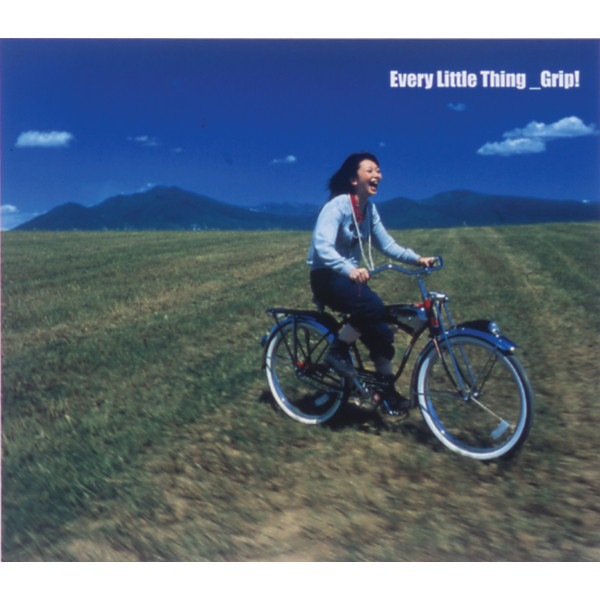
Grip!
Every Little Thing
Eurobeat
2002
2
/5
Cyber Trance Presents ELT Trance
Every Little Thing
Vocal Trance
Downtempo
Electronic
1999
2
/5
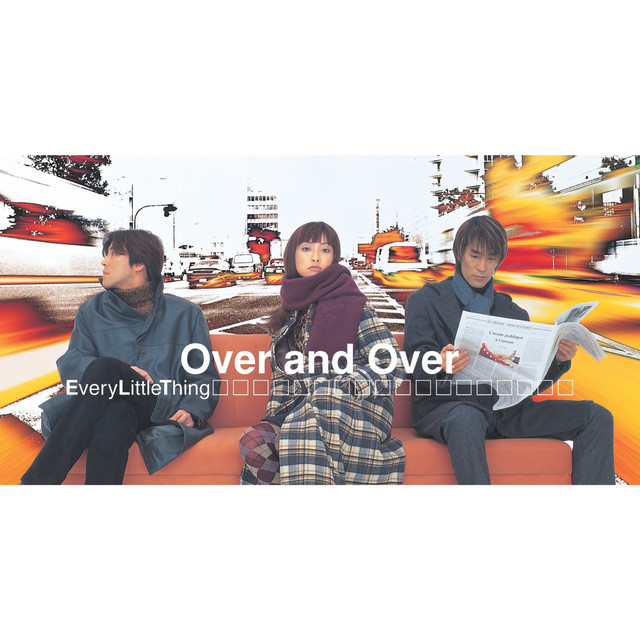
Over and Over
Every Little Thing
Eurobeat
1998
4
/5
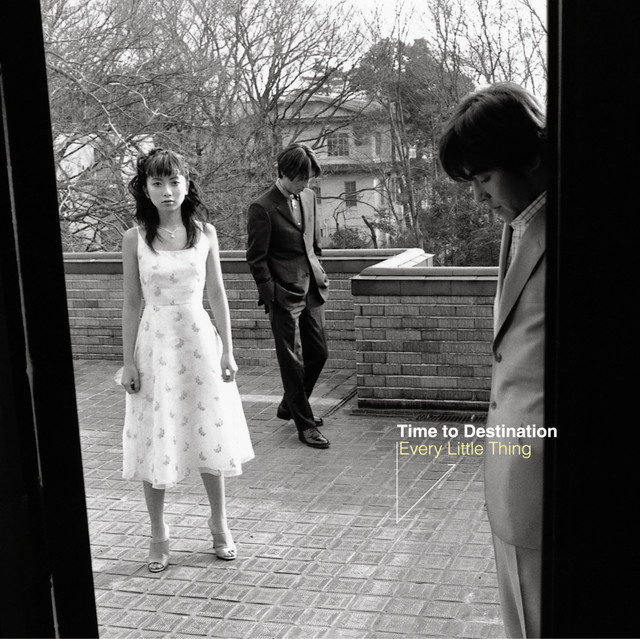
Time to Destination
Every Little Thing
Eurobeat
J-Pop
Pop
1998
3
/5
Time goes by
Every Little Thing
Eurobeat
City Pop
Kayōkyoku
Similar artists
1
/5
Various Artists
Afro-Funk
Alternative Rock
Ambient
4
/5
Ayumi Hamasaki
Eurobeat
J-Pop
Electronic
4
/5
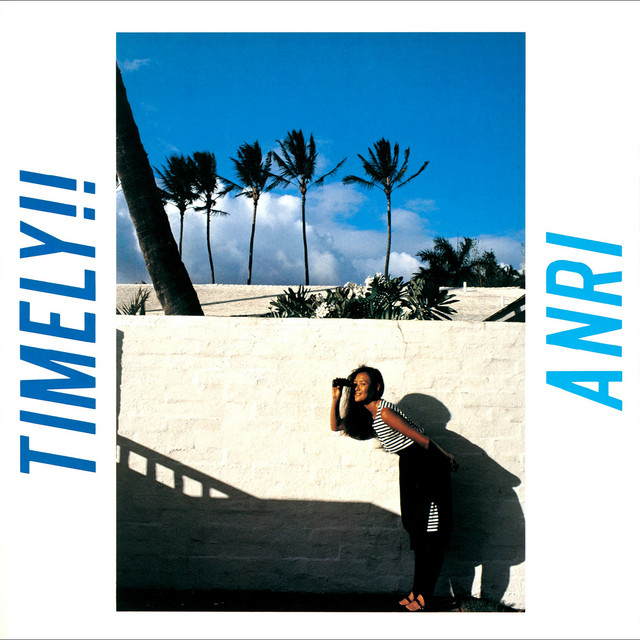
Anri
City Pop
J-Pop
Neo-City Pop
3
/5
Yumi Matsutoya
Enka
City Pop
J-Pop
3
/5
Akina Nakamori
Idol Kayō
Techno Kayō
Kayōkyoku
3
/5
Shizuka Kudo
Idol Kayō
Enka
J-Pop
4
/5
DREAMS COME TRUE
City Pop
Kayōkyoku
J-Pop
3
/5
Seiko Matsuda
Idol Kayō
City Pop
Enka
3
/5
Yumi Arai
J-Pop
Kayōkyoku
City Pop
3
/5
Taeko Onuki
City Pop
Pop
Electronic
Download our mobile app
Get the Melodigging app and start digging for new genres on the go
Download on the App Store
Get it on Google Play
© 2026 Melodigging
Give feedback
Legal
Melodding was created as a tribute to
Every Noise at Once
, which inspired us to help curious minds keep digging into music's ever-evolving genres.