Genres
Artists
Albums
Make Music
Sign in
Sign in
Artists
Idol Kayō
Artists
Idol Kayō
Shizuka Kudo
1988–2023
·
7 albums
Listen
3
/5
Genres
Vaporwave
Vaporwave is an internet-born microgenre and visual aesthetic that repurposes late‑20th‑century commercial sound—mu zak, smooth jazz, soft rock, synth‑pop, city pop, and corporate training tapes—into hazy, slowed, and looped collages. Its sound foregrounds pitched‑down samples, heavy reverb, tape hiss, vinyl crackle, and dreamy pads to evoke a mood between satire and sincere nostalgia. Beyond music, vaporwave is inseparable from its graphic language: Greco‑Roman busts, Japanese text, retro operating systems, chrome logos, palm trees, neon gradients, and “mall culture” architecture. The result feels like a haunted shopping mall: part critique of consumer capitalism, part wistful memory of media and retail spaces from the 1980s–2000s. Tempos are typically slow (roughly 60–90 BPM), harmonies tend toward lush seventh and extended chords, and rhythms range from barely perceptible loops to minimal, gated drum programming. Many tracks are short, vignette‑like studies in texture and mood.
Discover
Listen
Vapor Pop
Vapor pop is a glossy, internet-native strain of alternative pop that blends vaporwave’s hazy nostalgia with contemporary synth-pop and dream-pop songwriting. It favors soft-focus textures, clean but slightly detuned synths, breathy vocals, and gently pulsing beats that evoke late‑night drives, neon cityscapes, and digital romance. Where vaporwave deconstructs and slows down archival media, vapor pop translates that vaporous, retro-futurist palette into concise, hook-forward songs. The result is sleek and melancholic yet accessible: pop structures and earworm choruses wrapped in gauzy ambience, 80s/90s timbral references, and modern streaming-era minimalism.
Discover
Listen
Future Funk
Future funk is an internet-born dance microgenre that fuses the sample-heavy ethos of vaporwave with the upbeat grooves of disco, funk, and Japanese city pop. Producers typically chop and pitch up catchy hooks from late-1970s and 1980s records, loop them over four-on-the-floor drums, and apply filter sweeps and sidechain compression in the spirit of French house. The result is a sparkling, high-energy sound that feels both retro and forward-looking. Visually and culturally, the scene leans into neon-soaked, anime-tinged aesthetics and nostalgic party energy, turning classic pop and boogie flavors into compact, danceable edits tailored for the web era.
Discover
Listen
J-Pop
J-pop (Japanese pop) is a broad umbrella for mainstream Japanese popular music that blends Western pop/rock, dance, and R&B with distinctly Japanese songwriting, vocal delivery, and industry practices. It is characterized by strong hooks, polished production, bright synths and guitars, frequent key changes and modulatory bridges, and chorus-first or chorus-centric structures. J-pop spans idol groups, singer-songwriters, band-oriented pop-rock, electronic dance-pop, and R&B ballads, while remaining closely tied to television, advertising, video games, and anime tie-ins (anisong).
Discover
Listen
Idol Kayō
Idol kayō is a strand of Japanese popular song (kayōkyoku) centered on manufactured "idol" singers who present a wholesome, approachable image alongside catchy, highly arranged pop tunes. It emphasizes bright melodies, simple romantic or seasonal themes, and choreography-ready hooks that translate well to television variety shows and live fan events. Sonically it sits between classic kayōkyoku and later J-pop, often blending disco rhythms, string and brass arrangements, and early synth-pop colors, with key changes and memorable refrains designed for mass appeal.
Discover
Listen
City Pop
City pop is a sleek, cosmopolitan strain of Japanese popular music that emerged in the late 1970s and flourished throughout the 1980s. It fuses the polish of Western AOR and soft rock with funk, disco, jazz fusion, and boogie grooves, wrapping them in sophisticated harmonies and studio gloss. Built for car stereos, FM radio, and neon-lit nightlife, the style favors tight rhythm sections, lush keyboards (Rhodes, FM synths), clean chorus-laden guitars, and sax or synth leads. Lyrics often paint aspirational urban scenes—coastal highways, midnight drives, summer romance—balancing breezy optimism with a bittersweet, nostalgic hue. After a period of relative dormancy in the 1990s, city pop enjoyed a global revival in the 2010s via YouTube algorithms, online crate-digging, and sample-based microgenres, turning once-domestic hits into worldwide cult classics.
Discover
Listen
Enka
Enka is a Japanese popular song style known for its sentimental ballads, expressive vocals with wide vibrato, and dramatic, narrative delivery. It evokes nostalgia for hometowns, bygone eras, and lost love, often painting scenes of coastal ports, country roads, and seasonal landscapes. Musically, enka blends Western harmonic frameworks with Japanese melodic sensibilities. Melodies often use yonanuki (four-note-omission) major or minor pentatonic variants, creating a “traditional” Japanese color over simple, diatonic progressions. Arrangements favor lush strings, reverb-laden guitars, saxophone obbligatos, and occasional traditional timbres (shamisen or shakuhachi) for color. Culturally, enka rose to mass popularity during the postwar Shōwa era and remains tied to television variety shows, karaoke bars, and live theater venues. Its performance practice foregrounds pathos, rubato phrasing, and ornamental turns called kobushi.
Discover
Listen
Pop
Pop is a broad, hook-driven style of popular music designed for wide appeal. It emphasizes memorable melodies, concise song structures, polished vocals, and production intended for radio, charts, and mass media. While pop continually absorbs elements from other styles, its core remains singable choruses, accessible harmonies, and rhythmic clarity. Typical forms include verse–pre-chorus–chorus, frequent use of bridges and middle-eights, and ear-catching intros and outros. Pop is not defined by a single instrumentation. It flexibly incorporates acoustic and electric instruments, drum machines, synthesizers, and increasingly digital production techniques, always in service of the song and the hook.
Discover
Listen
Rock
Rock is a broad family of popular music centered on amplified instruments, a strong backbeat, and song forms that foreground riffs, choruses, and anthemic hooks. Emerging from mid‑20th‑century American styles like rhythm & blues, country, and gospel-inflected rock and roll, rock quickly expanded in scope—absorbing folk, blues, and psychedelic ideas—while shaping global youth culture. Core sonic markers include electric guitar (often overdriven), electric bass, drum kit emphasizing beats 2 and 4, and emotive lead vocals. Rock songs commonly use verse–chorus structures, blues-derived harmony, and memorable melodic motifs, ranging from intimate ballads to high‑energy, stadium‑sized performances.
Discover
Listen
Kayōkyoku
Kayōkyoku is a broad umbrella of Japanese popular song that dominated the nation’s mainstream from the prewar era through the 1980s, before the term J‑pop became prevalent. It blends Western popular idioms—such as jazz, swing, tango, and later rock and roll—with Japanese melodic sensibilities and lyric themes. Stylistically, kayōkyoku favors clear, memorable melodies, polished vocal delivery, and orchestral or big‑band arrangements. Its songs often use Western song forms (AABA or verse–chorus), while retaining a distinctly Japanese emotional tone rooted in nostalgia, romance, and everyday urban life.
Discover
Listen
Electronic
Electronic is a broad umbrella genre defined by the primary use of electronically generated or electronically processed sound. It encompasses music made with synthesizers, drum machines, samplers, computers, and studio/tape techniques, as well as electroacoustic manipulation of recorded or synthetic sources. The genre ranges from academic and experimental traditions to popular and dance-oriented forms. While its sonic palette is rooted in electricity and circuitry, its aesthetics span minimal and textural explorations, structured song forms, and beat-driven club permutations. Electronic emphasizes sound design, timbre, and studio-as-instrument practices as much as melody and harmony.
Discover
Listen
Show all 11 genres
Albums
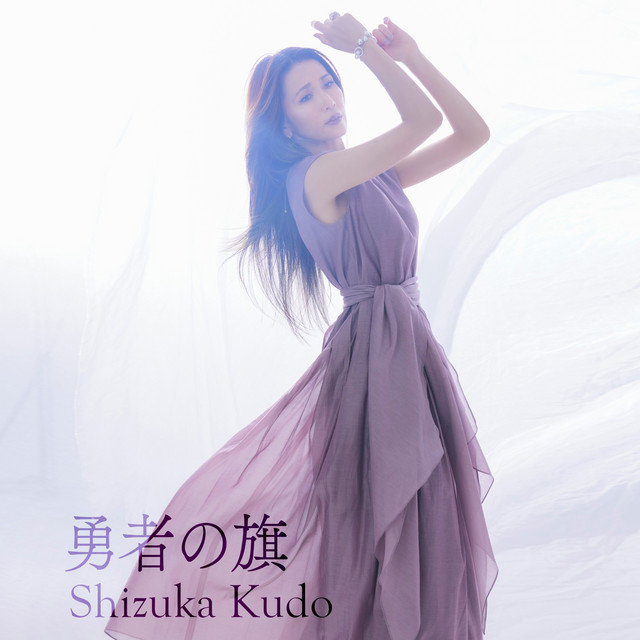
2023
1
/5
勇者の旗
Shizuka Kudo
Idol Kayō
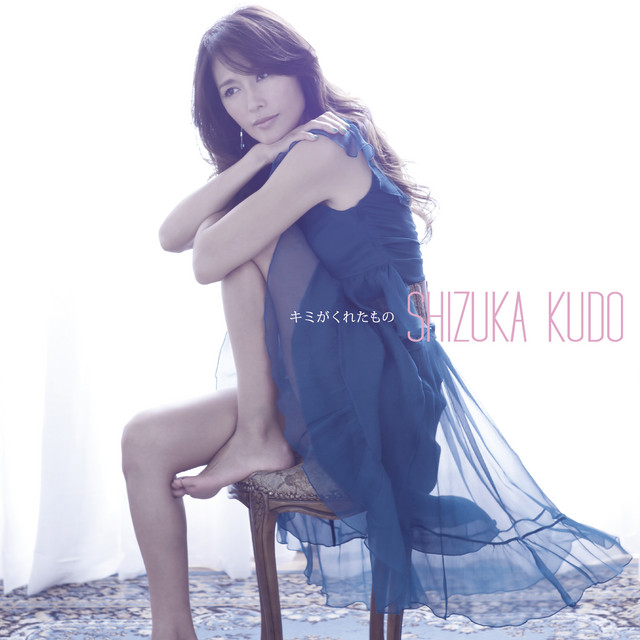
2012
1
/5
Kimi ga Kuretamono
Shizuka Kudo
Idol Kayō
J-Pop
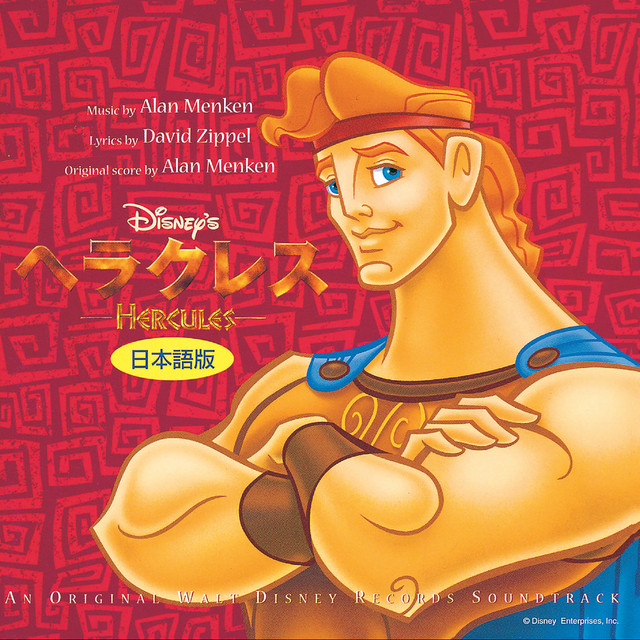
2000
2
/5
Hercules (Original Motion Picture Soundtrack/Japanese Version)
Shizuka Kudo
Idol Kayō
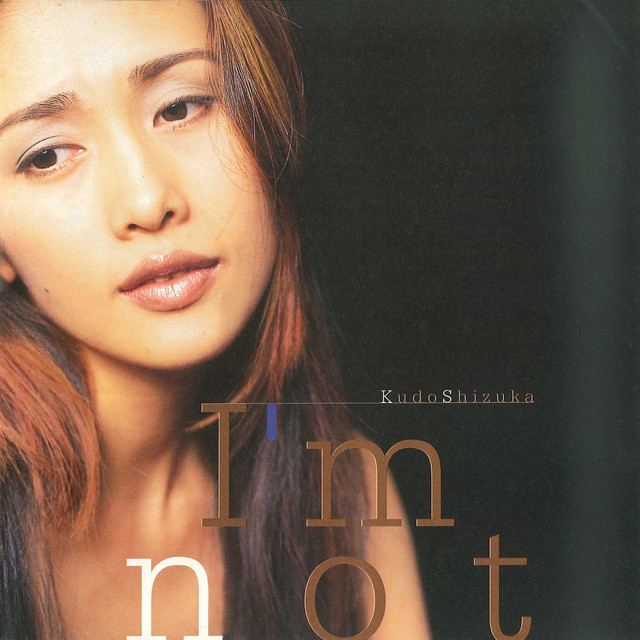
1998
2
/5
I'm not
Shizuka Kudo
Idol Kayō
Pop
1993
3
/5
Rise me
Shizuka Kudo
Idol Kayō
Enka
Kayōkyoku
1989
2
/5
黄砂に吹かれて
Shizuka Kudo
Idol Kayō
Enka
Pop
1988
3
/5
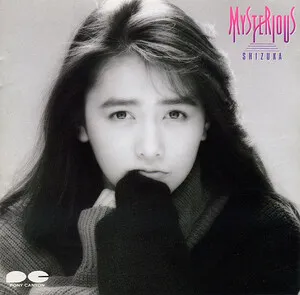
Mysterious
Shizuka Kudo 工藤静香
Idol Kayō
Electronic
Pop
Similar artists
3
/5
Akina Nakamori
Idol Kayō
Techno Kayō
Kayōkyoku
3
/5
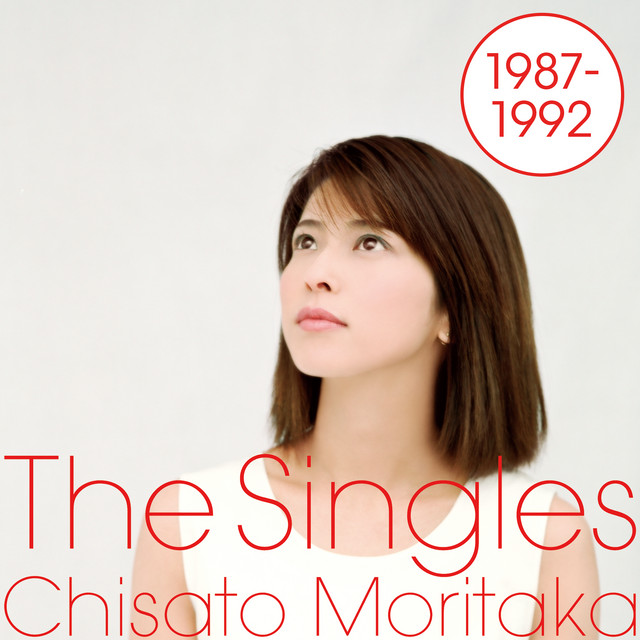
Chisato Moritaka
Idol Kayō
Enka
J-Pop
3
/5
Seiko Matsuda
Idol Kayō
City Pop
Enka
3
/5
Kyoko Koizumi
Techno Kayō
Idol Kayō
Enka
3
/5
Hiromi Iwasaki
Idol Kayō
City Pop
Enka
3
/5
Yoko Oginome
J-Pop
City Pop
Electronic
3
/5
Yumi Matsutoya
Enka
City Pop
J-Pop
3
/5
中山美穂
J-Pop
Idol Kayō
City Pop
3
/5
大滝詠一
City Pop
Enka
J-Pop
3
/5
Ann Lewis
Enka
City Pop
J-Pop
Download our mobile app
Get the Melodigging app and start digging for new genres on the go
Download on the App Store
Get it on Google Play
© 2026 Melodigging
Give feedback
Legal
Melodding was created as a tribute to
Every Noise at Once
, which inspired us to help curious minds keep digging into music's ever-evolving genres.